The Refrigerator Water Dispenser Not Working: Filter, Valve, or Line?
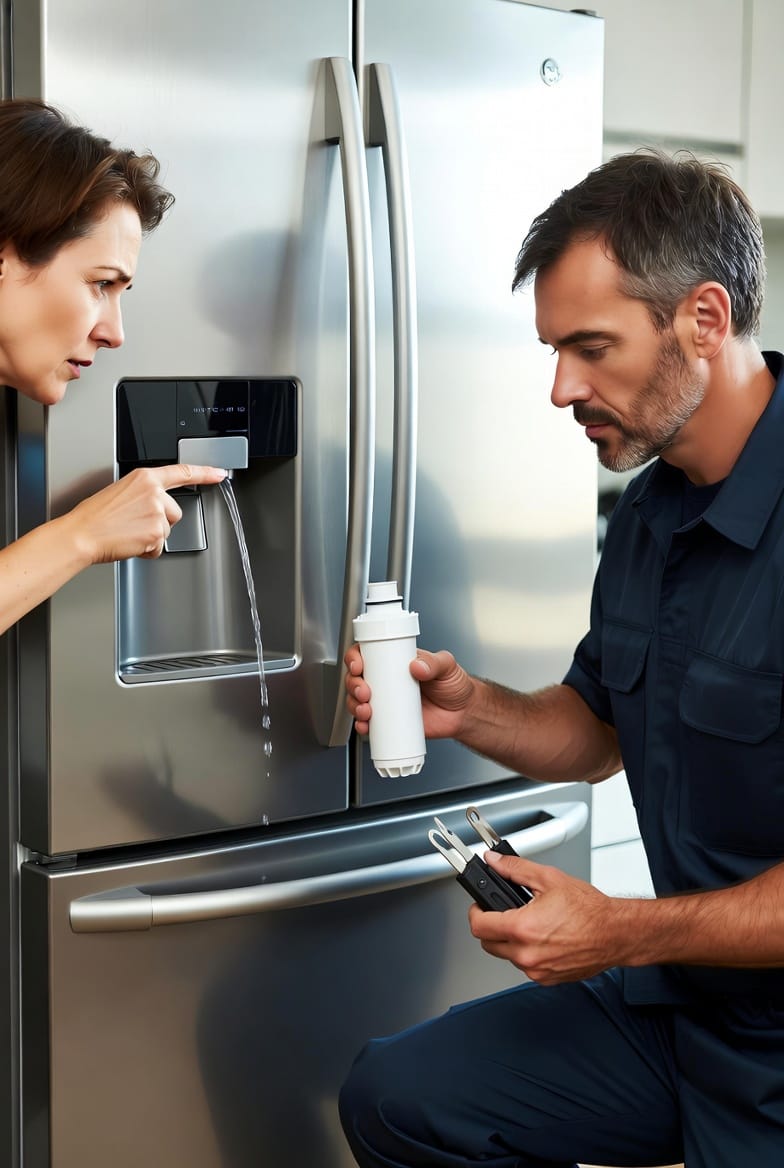
When your refrigerator water dispenser suddenly stops working, it can disrupt your daily routine. You expect crisp, clean water at the touch of a lever, but instead, you get nothing. The good news? This common household issue is usually straightforward to diagnose and resolve.
Fix Your Refrigerator Water Dispenser Today – Call Now!
In this comprehensive guide, we’ll walk you through the most likely causes — from a clogged water filter (the most frequent culprit) to problems with the inlet valve, frozen lines, or kinked tubing. You’ll learn step-by-step troubleshooting methods that restore flow safely and efficiently.
Don’t worry — most refrigerator water dispenser problems don’t require expensive repairs. With the right approach, you can often fix it yourself or know exactly when to call a professional.
Why Your Refrigerator Water Dispenser Stops Working
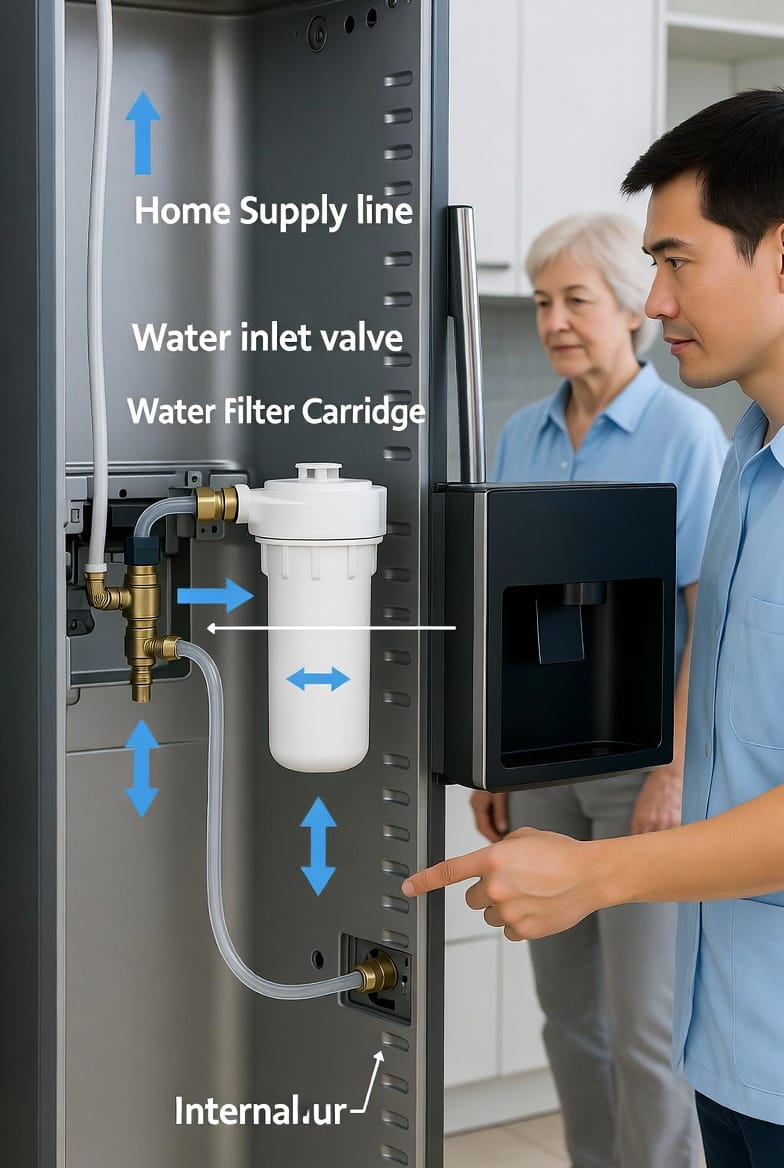
Modern refrigerators with in-door dispensers rely on a complex but reliable water delivery system. Water travels from your home supply through several components before reaching the dispenser. When any part fails, the entire system can shut down.
Common causes include:
- Clogged or expired water filter (most common)
- Frozen water line (especially in in-door dispensers)
- Faulty water inlet valve
- Kinked or damaged supply line
- Low water pressure or sediment buildup
Understanding these helps you troubleshoot systematically and avoid unnecessary part replacements.
Most Common Fix: A Clogged Refrigerator Water Filter
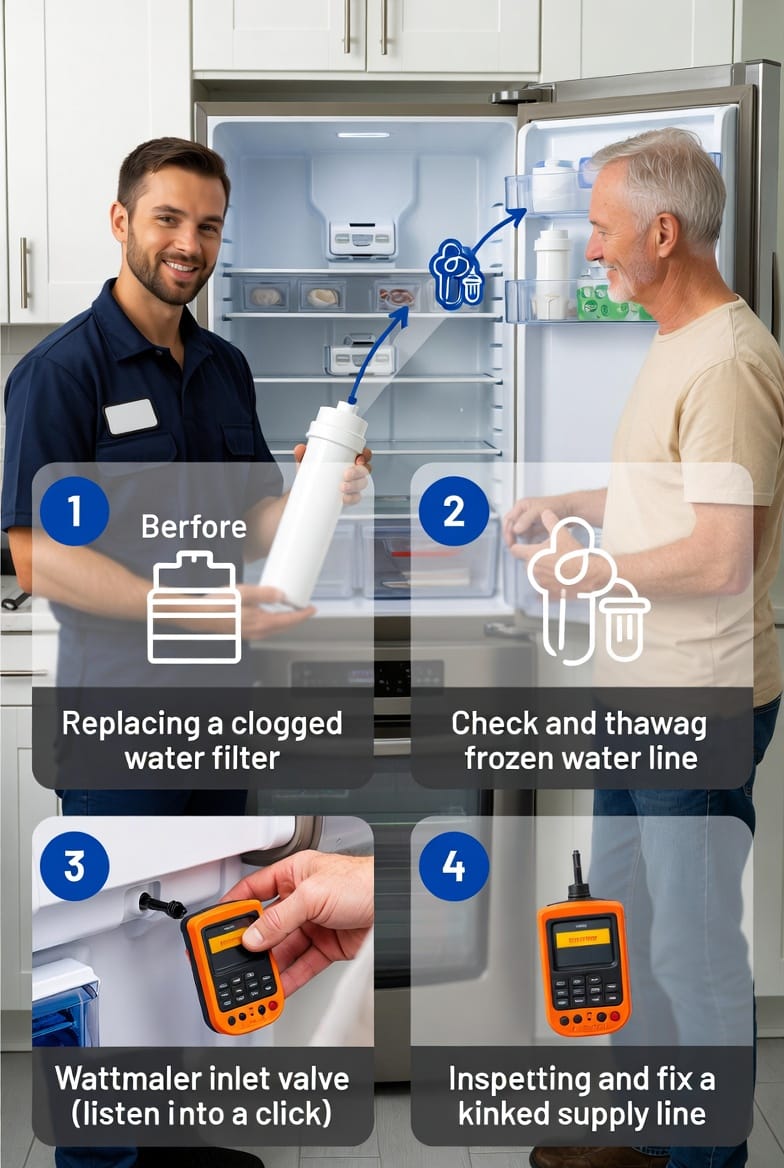
The water filter is designed to remove impurities, but over time it traps so much sediment that flow becomes restricted or stops completely. Manufacturers recommend replacing filters every 6 months — ignoring this schedule is the top reason for dispenser failure.
Signs your filter needs replacement:
- Reduced water flow over several weeks
- No water at all from the dispenser
- Ice maker still working (filter often affects both)
- Unusual taste or odor in water before it stopped
Pro Tip: If your fridge has a filter status light, a red or “replace” indicator confirms the issue.
Step-by-Step Filter Replacement Process
- Locate the filter — usually in the upper right interior, bottom front grille, or behind the fresh food compartment.
- Turn off the water supply to the refrigerator.
- Twist or pull out the old filter according to your model’s instructions.
- Insert the new compatible filter and reset the filter indicator.
- Flush 2-3 gallons of water through the dispenser to clear air and initial carbon particles.
This simple step resolves over 60% of “no water from dispenser” complaints.
Checking for Frozen Water Lines
In-door dispensers are prone to frozen lines where cold air reaches the tubing. This is especially common in humid environments or when the freezer temperature is set too low.
How to diagnose a frozen line:
- Dispenser makes a humming sound but no water flows
- Ice maker may still produce ice
- Problem started after a power outage or temperature change
Testing steps:
- Unplug the refrigerator or turn off the water supply
- Remove the water line at the back of the dispenser area (consult your manual)
- Gently thaw the line using a hairdryer on low or warm cloths
- Check for blockages once thawed
Avoid using sharp objects that could puncture the line. Once thawed, test the dispenser and monitor for recurrence.
Testing the Water Inlet Valve
The water inlet valve (usually at the back bottom of the fridge) controls water entry from your home supply. A failing valve often produces a distinct clicking sound when activated but fails to open fully.
Step-by-step valve testing:
- Locate the valve behind the lower rear access panel.
- Disconnect the power and water supply for safety.
- Set a multimeter to continuity mode.
- Have someone press the dispenser lever while you listen for the valve clicking.
- Test electrical continuity on the solenoid coils.
- Check for water leaks around the valve.
If the valve doesn’t click or shows no continuity, replacement is typically needed. This part is affordable and relatively easy to swap with basic tools.
Inspecting for Kinked or Damaged Lines
Sometimes the issue is mechanical. Moving the refrigerator for cleaning or installation can kink the supply line, restricting flow.
Inspection checklist:
- Pull the refrigerator forward carefully
- Examine the flexible line from wall to valve
- Look for sharp bends, crimps, or crushing
- Ensure at least 3-4 inches clearance behind the unit
- Check copper or plastic tubing for damage
Straightening a kink often restores full pressure immediately. Replace any damaged sections rather than attempting repairs.
Advanced Troubleshooting and Safety Tips
For persistent issues after basic checks:
- Verify household water pressure (should be 40-120 PSI)
- Test the dispenser switch continuity
- Check the control board for error codes (newer models)
- Ensure the fridge is level (unlevel units affect dispenser function)
Safety first: Always unplug the refrigerator and shut off the water supply before any disassembly. Wear protective gloves when handling electrical components.
When to Call a Professional Technician
While many fixes are DIY-friendly, complex electrical or sealed system issues require expert attention. If you’ve tried filter replacement, thawing lines, and basic valve checks without success, professional diagnosis prevents further damage.
Our experienced team specializes in refrigerator water dispenser repair and can pinpoint issues quickly using specialized tools. We carry common parts on our service trucks for same-day resolutions in most cases.
Don’t live with inconvenience. A functioning water dispenser improves hydration, convenience, and overall kitchen efficiency.
Preventive Maintenance for Long-Term Reliability
Keep your dispenser working reliably with these habits:
- Replace the water filter every 6 months without exception
- Maintain proper freezer temperature (0°F / -18°C)
- Clean the condenser coils annually
- Periodically flush the entire water system
- Avoid overloading the door shelves, which can stress tubing
Following this maintenance schedule dramatically reduces the chance of sudden failures.
Understanding Your Refrigerator Model
Different brands and models have unique systems:
- Side-by-side models often have longer tubing runs prone to freezing
- French door refrigerators may have dual valves
- Built-in units require more careful access
Always keep your model number handy for accurate part matching.
Cost Considerations for Repairs
- Water filter: $30–$60
- Inlet valve replacement: $80–$150 (parts + labor)
- Line repair or rerouting: $100–$200
- Full professional diagnosis: Typically $79–$129
Early intervention usually means lower costs and faster resolution.
Restoring Convenience to Your Kitchen
A refrigerator water dispenser not working is rarely a catastrophic failure. In most cases, it’s a clogged filter, frozen line, bad valve, or simple kink that can be addressed promptly.
By following the systematic troubleshooting in this guide, you’ll identify the root cause efficiently. Remember — start with the easiest and most common fix first: replacing the water filter.
If you need expert help diagnosing or repairing your refrigerator’s water system, our trained technicians are ready to assist.
Your kitchen should work for you — not the other way around. With proper care and timely repairs, your refrigerator water dispenser will deliver clean, refreshing water for years to come.
Fast Refrigerator Water Dispenser Repair – Call Today!