The Refrigerator Start Relay: Clicking Sounds and No Cooling
When your refrigerator suddenly starts making a persistent clicking noise but fails to keep food cold, the culprit is often a small yet vital component: the start relay. This unassuming part plays a critical role in powering your fridge’s compressor. Understanding how it works, recognizing failure signs, and knowing your repair options can save you from spoiled groceries and expensive replacements.
Fix Your Clicking Fridge Today – Call Now!
A failed start relay is one of the most common yet fixable refrigerator issues. In this comprehensive guide, we’ll explore everything you need to know about this essential component, from its function to professional replacement steps. Whether you’re troubleshooting at home or preparing to call a technician, this article will empower you with clear, actionable insights.
What Is a Refrigerator Start Relay?
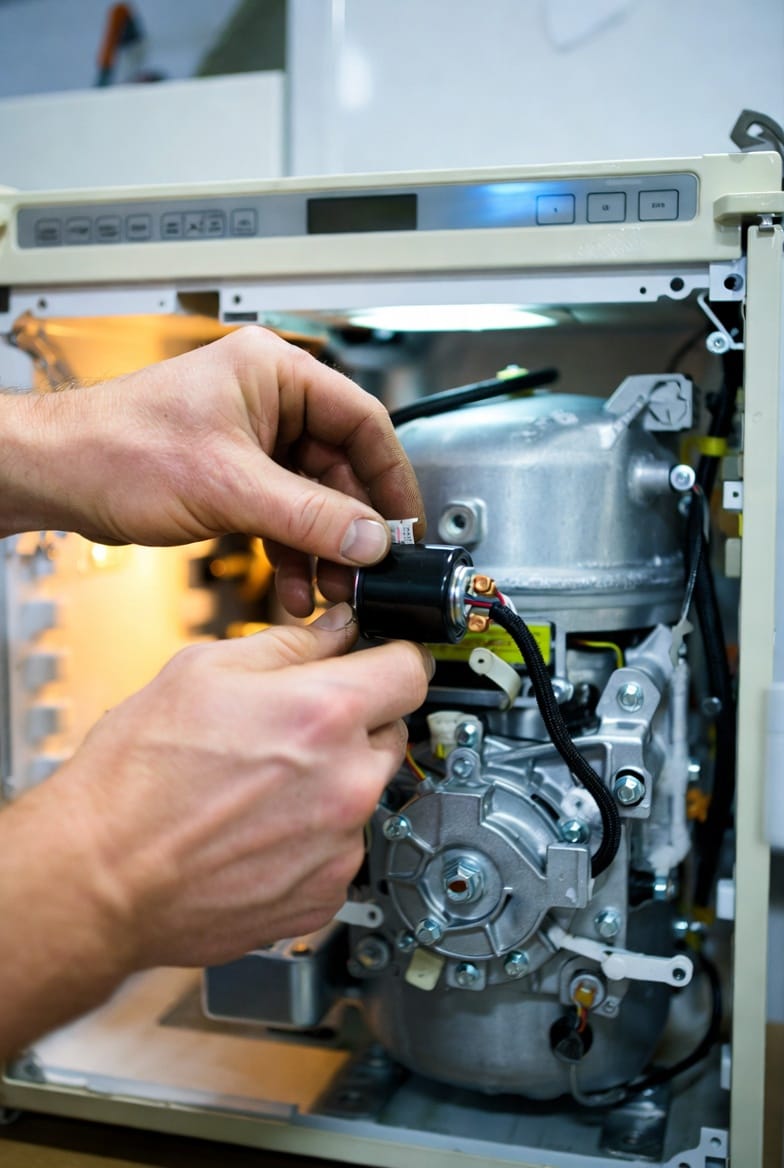
The start relay (also called a compressor start relay) is an electrical device mounted directly on or near the compressor at the back of your refrigerator. It serves as a switch that provides the initial surge of power needed to start the compressor motor.
Key functions include:
- Delivering a high-voltage kick to overcome the compressor’s initial inertia
- Protecting the motor from overload during startup
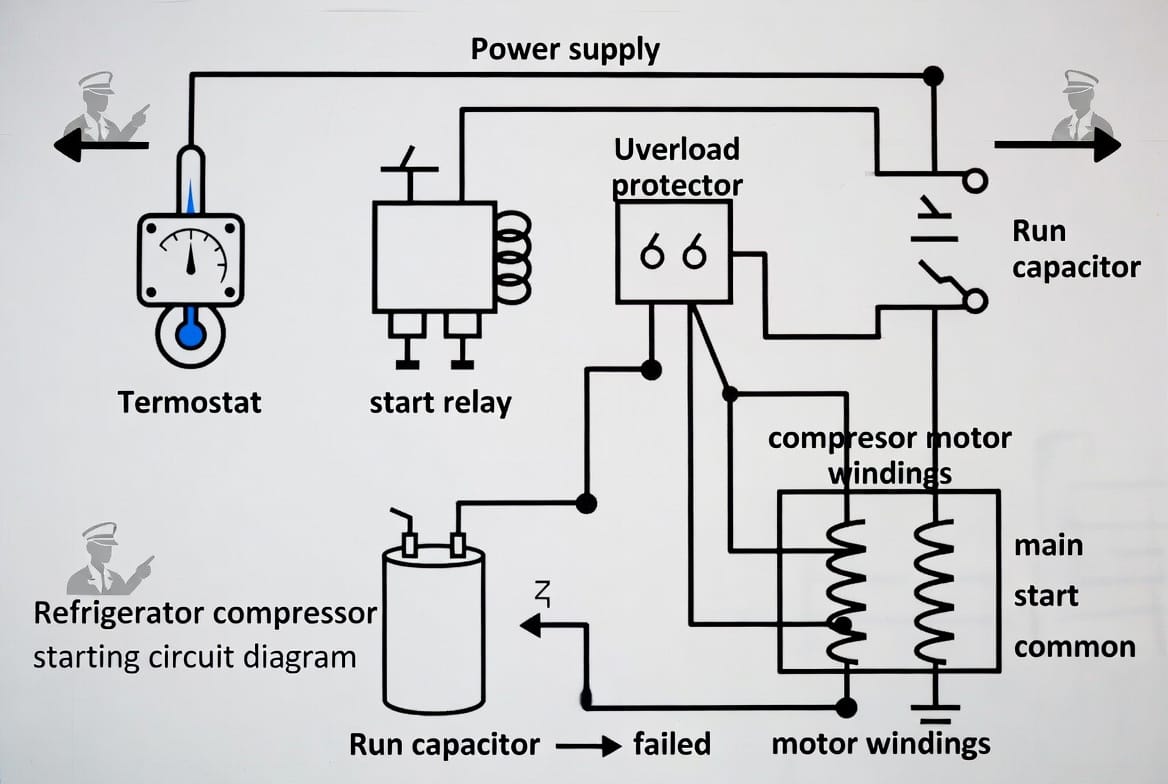
- Working in tandem with the overload protector and run capacitor
Without a properly functioning start relay, your compressor cannot begin its cooling cycle, even if the rest of the system is intact. This small part is responsible for the reliable “hum” you expect from a working fridge. When it fails, the most noticeable symptom is often a repetitive clicking sound every few minutes as the relay attempts (and fails) to start the compressor.
How the Start Relay Works in the Compressor Circuit
The refrigerator’s cooling system relies on a sealed compressor that circulates refrigerant. The start relay acts as the gatekeeper for this process.
In simple terms:
- The thermostat signals a need for cooling.
- Power flows to the start relay.
- The relay closes a circuit, sending extra current through the start winding of the compressor motor.
- Once the motor reaches operating speed, the relay opens and lets the run winding take over.
A healthy relay ensures smooth, quiet startups multiple times per day. When contacts inside the relay wear out, pit, or stick, the device can no longer complete this sequence effectively.
Common Signs of a Failing Start Relay
Recognizing symptoms early prevents bigger problems. The most frequent indicators include:
- Repetitive clicking sound coming from the back of the fridge every 2–5 minutes
- Compressor fails to start or runs for only a few seconds before shutting off
- Refrigerator compartment and freezer gradually warming up
- Interior lights working normally (power is reaching the unit)
- Occasional humming noise followed by a click and silence
- Higher than normal energy bills as the system struggles
These signs often appear suddenly. One day your refrigerator is silent and efficient; the next, you hear clicking and notice warm food.
Important distinction: A clicking sound can also come from the overload protector or a failing compressor itself. Accurate diagnosis is essential before replacing parts.
Why the Start Relay Fails: Common Causes
Several factors contribute to start relay failure:
- Age and wear — Relays typically last 8–15 years depending on usage
- Power surges and voltage fluctuations stressing internal contacts
- Overheating from poor ventilation behind the refrigerator
- Manufacturing defects in lower-quality replacement parts
- Frequent short-cycling caused by thermostat issues or dirty condenser coils
Bold reminder: While DIY replacement is possible for handy homeowners, improper installation can damage the compressor — a far more expensive repair.
Diagnosing a Faulty Start Relay
Before assuming the relay is bad, perform these safe checks:
- Unplug the refrigerator for safety
- Locate the relay (usually a small box clipped onto the compressor)
- Shake it gently — a rattling sound indicates internal damage
- Inspect for burn marks, melted plastic, or corrosion
- Test with a multimeter for continuity (advanced step)
If you’re uncomfortable with electrical testing, stop here and contact a professional. Safety first when dealing with high-voltage components.
Step-by-Step Replacement Process
Replacing a refrigerator start relay is often straightforward but requires care:
- Gather tools: Screwdriver, needle-nose pliers, new compatible relay, multimeter
- Unplug and pull out the refrigerator
- Remove the back access panel
- Disconnect wires from the old relay (note positions or take photos)
- Clip off the failed relay and install the new one
- Reconnect wires securely
- Restore power and monitor for proper operation
Pro Tip: Always match the exact model number when ordering a replacement relay. Universal relays exist but OEM parts provide the best reliability.
Warning: If your compressor shows signs of internal shorting, a new relay may fail quickly. Comprehensive diagnosis prevents repeated repairs.
When to Choose Professional Appliance Repair
While some homeowners successfully replace relays, professional service offers distinct advantages:
- Accurate diagnosis distinguishing relay issues from compressor failure
- Access to genuine parts and manufacturer specifications
- Proper tools and safety protocols for high-voltage work
- Warranty on both parts and labor
- Prevention of secondary damage
A qualified technician can test the entire starting circuit in minutes and resolve the issue the same day in most cases.
Maintenance Tips to Extend Relay Life
Prevent future problems with these practices:
- Clean condenser coils every 6 months
- Ensure 2–3 inches of clearance behind the refrigerator for airflow
- Use a surge protector for the appliance
- Avoid overloading the fridge or blocking vents
- Schedule annual professional tune-ups for older units
Consistent maintenance significantly reduces the likelihood of unexpected failures.
The Cost of Ignoring the Problem
A malfunctioning start relay doesn’t just cause inconvenience. It leads to:
- Spoiled food costing hundreds of dollars
- Increased energy consumption
- Potential compressor burnout requiring full system replacement ($800–$2,000+)
- Disruption to daily routines
Addressing the issue promptly with proper repair is both economical and practical.
Final Thoughts: An Easy Fix for Most Clicking Fridges
A failed refrigerator start relay is often an easy and affordable fix compared to other cooling system problems. With the right knowledge and timely action, you can restore reliable performance and protect your investment.
Don’t let clicking sounds and warm temperatures stress you out. Whether you’re comfortable with DIY repairs or prefer expert help, the solution is within reach.
For professional diagnosis and reliable refrigerator repair service. We specialize in quick, effective solutions for start relay issues and all major appliance problems, ensuring your kitchen runs smoothly again.
Expert Refrigerator Repair – Get It Fixed Fast!