The Refrigerator Evaporator Fan Motor Noise: Chirping, Squealing, and Replacement
Is your refrigerator making unusual chirping, squealing, or constant humming sounds from the freezer section? You’re not alone. A noisy evaporator fan motor ranks among the most common yet often overlooked refrigerator repairs.
Stop the Chirping & Squealing – Call Now for Fast Repair!
When addressed promptly, this issue prevents bigger problems like spoiled food or complete system failure. In this comprehensive guide, we’ll explore why these motors produce noise, the key symptoms to watch for, and the straightforward replacement process.
Our expert team at the appliance repair service emphasizes early intervention. A small noise today can save you significant costs and headaches tomorrow.
Understanding the Evaporator Fan Motor and Its Critical Role
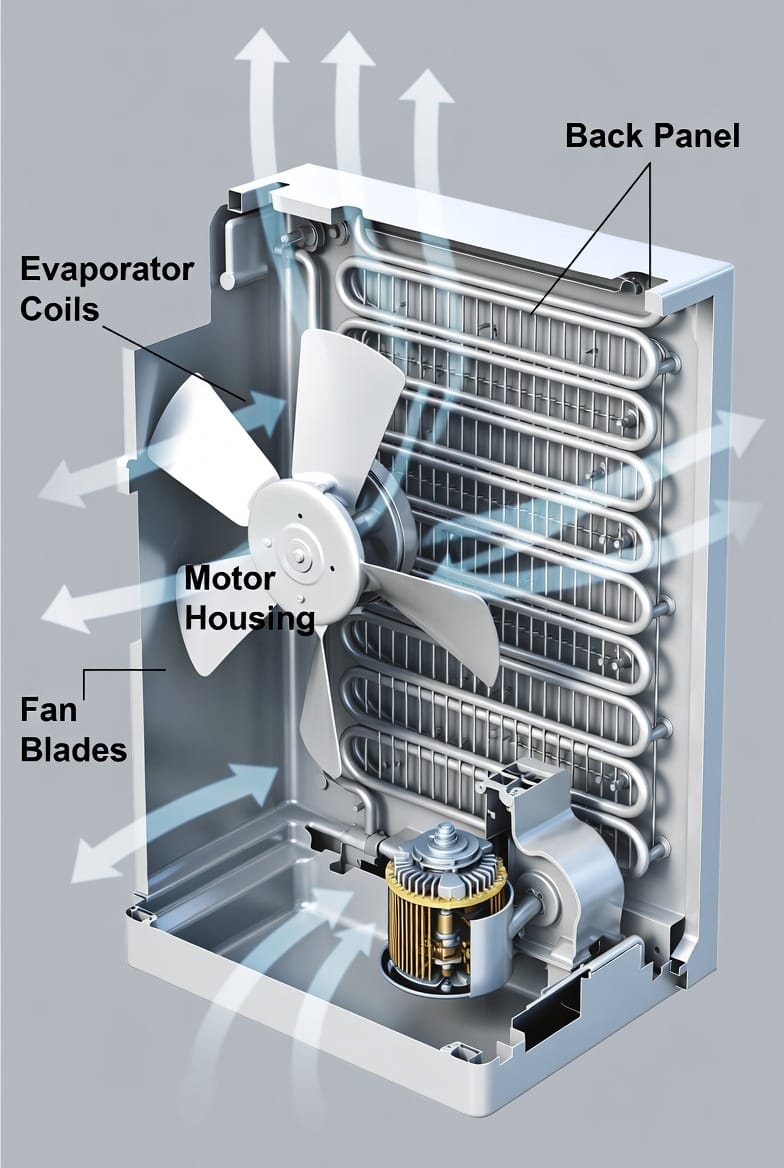
The evaporator fan motor sits deep inside the freezer compartment. It circulates cold air from the evaporator coils throughout the refrigerator and freezer sections. Without this continuous airflow, temperatures become uneven, leading to inefficient cooling and potential food safety risks.
Key functions include:
- Distributing chilled air evenly
- Preventing frost accumulation on coils
- Maintaining consistent humidity levels
- Ensuring optimal energy efficiency
When the motor operates smoothly, you barely notice it. But as components wear, distinctive noises emerge — often starting as subtle chirps before escalating to loud squeals.
Bold fact: Modern refrigerators rely on this fan for up to 30% of their overall cooling performance. Ignoring noise risks compressor strain and higher electricity bills.
Why Does the Evaporator Fan Motor Make Noise?
Several factors contribute to refrigerator evaporator fan motor noise. Understanding these helps you diagnose the problem confidently.
Worn Bearings and Mechanical Fatigue
Over years of continuous operation, the motor’s bearings gradually lose lubrication and develop play. This creates chirping or squealing sounds as metal parts rub unevenly.
High-quality motors last 8–12 years under normal use, but frequent door openings, power fluctuations, or heavy frost accelerate wear.
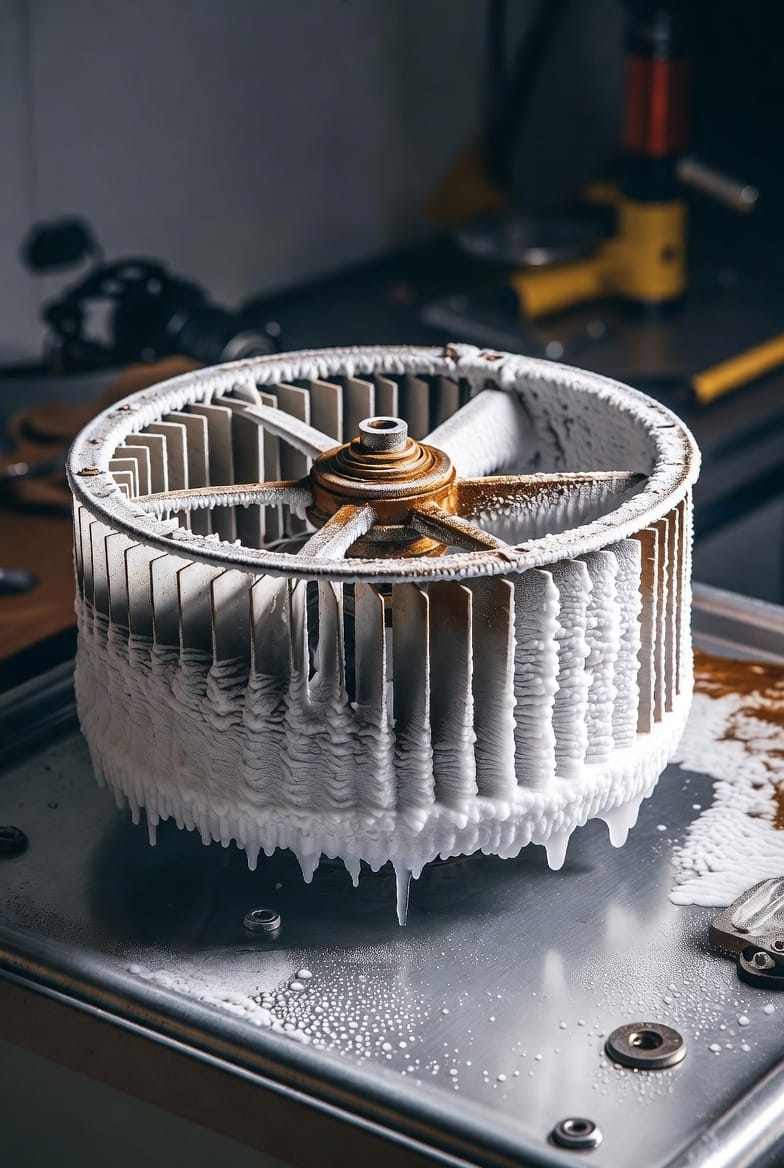
Ice Buildup and Frost Interference
Excessive frost on the fan blades or housing forces the motor to work harder. Blades may hit frost during rotation, producing repetitive clicking or chirping.
This often stems from a faulty defrost system — a common companion issue with fan problems.
Motor Strain and Imbalance
Dust accumulation, bent blades, or loose mounting screws cause vibration and loud buzzing. In severe cases, the fan struggles against resistance, leading to high-pitched squeals.
Reassuring note: These issues rarely happen overnight. Early detection through attentive listening allows simple, cost-effective fixes.
Recognizing the Symptoms of a Failing Evaporator Fan Motor
Listen carefully for these telltale signs:
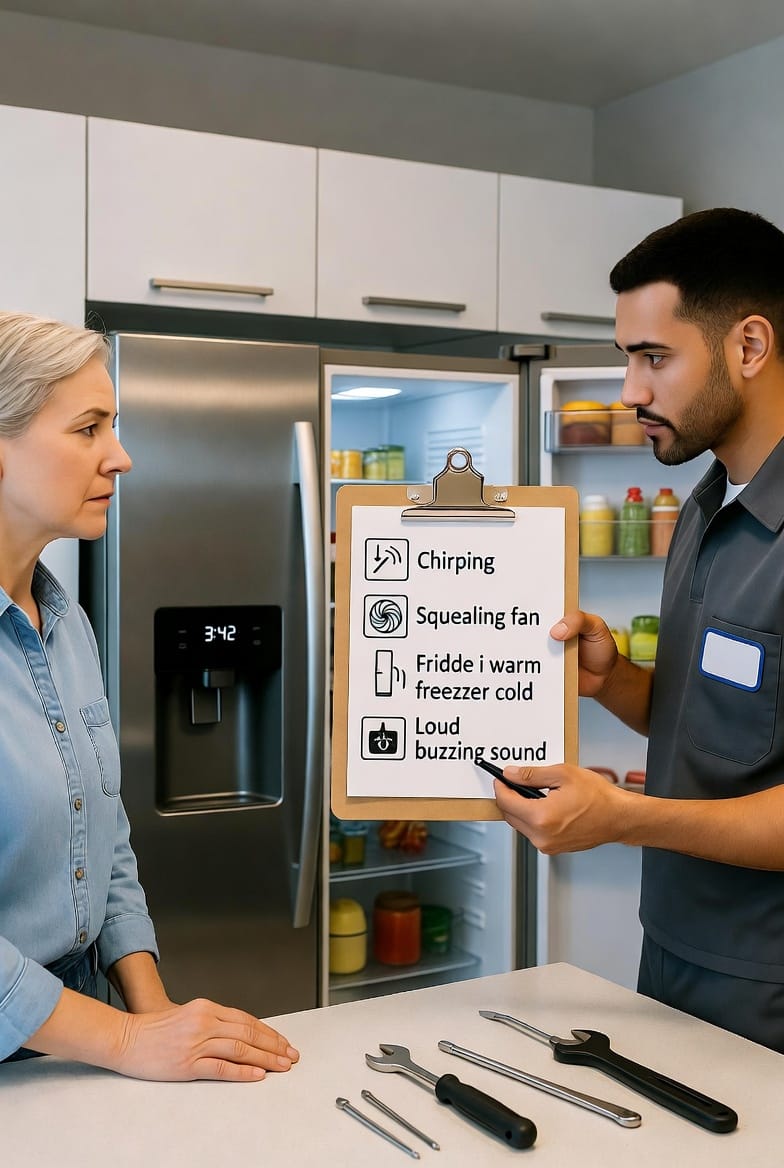
- Chirping or squealing specifically from the freezer area, especially when the compressor cycles on
- Warm refrigerator section while the freezer remains cold (or vice versa)
- Loud buzzing or grinding that stops when you open the freezer door
- Increased energy consumption shown on your utility bill
- Frost or ice accumulation visible around the fan housing
- Uneven temperatures causing premature food spoilage
Pro tip: Place a glass of water in both compartments and monitor temperatures over 24 hours. Consistent readings above 40°F (4°C) in the fridge signal airflow problems.
The Difference Between Normal Operation and Problematic Noise
All refrigerators produce some sound. A gentle, low hum during normal cycling is expected.
Problematic noises stand out because they:
- Persist even when the compressor is off
- Increase in volume over time
- Originate specifically from behind the freezer panel
- Accompany temperature inconsistencies
If your unit is less than five years old and suddenly noisy, check warranty coverage first. Older models often benefit from professional evaporator fan motor replacement.
Step-by-Step Diagnosis Process
- Safety first — Unplug the refrigerator or turn off the circuit breaker.
- Empty the freezer carefully to access the back panel.
- Remove the evaporator cover (usually held by screws or clips).
- Inspect visually for ice, debris, or obvious damage.
- Manually spin the fan blade — it should rotate freely without grinding.
- Listen during operation (after reassembly and power restoration) to pinpoint the source.
Warning: Only attempt basic inspection if comfortable with appliances. For safety and precision, professional diagnosis is strongly recommended.
When and Why Professional Replacement Is the Best Solution
While some homeowners attempt DIY repairs, refrigerator evaporator fan motor replacement involves handling refrigerants, electrical connections, and precise alignment.
Improper installation can damage the compressor or create new leaks.
Benefits of professional service:
- Correct part selection for your exact model
- Proper sealing and calibration
- Thorough system check for related issues (defrost timer, thermostat, etc.)
- Warranty on both parts and labor
Our technicians complete most replacements in under two hours, minimizing disruption to your household.
The Replacement Process: What to Expect
A typical evaporator fan motor replacement follows these professional steps:
- Thorough diagnosis confirming the motor as the culprit
- Selection of OEM or high-quality compatible motor
- Careful removal of the old unit, including defrosting the area
- Installation of the new motor with proper wiring and mounting
- System testing for temperature recovery and quiet operation
- Final cleaning and efficiency check
Post-replacement expectations: Your refrigerator should run noticeably quieter within minutes. Full temperature stabilization occurs within 24 hours.
Preventive Maintenance to Extend Motor Life
Protect your investment with these simple habits:
- Clean condenser coils every six months
- Avoid overloading either compartment
- Check door seals regularly for gaps
- Maintain proper temperature settings (37°F fridge, 0°F freezer)
- Schedule annual professional tune-ups
These steps dramatically reduce the likelihood of premature fan motor failure.
Cost Considerations and Long-Term Value
Professional evaporator fan motor replacement typically costs far less than purchasing a new refrigerator.
Early action prevents cascading failures that could double repair expenses.
Most customers report significant energy savings after quiet, efficient operation resumes.
When to Consider Refrigerator Replacement Instead
In rare cases involving very old units (15+ years) with multiple failing components, full replacement might make better financial sense.
Our experts provide honest assessments weighing repair costs against new energy-efficient models.
Final Thoughts: Don’t Let Noise Become a Bigger Problem
A noisy refrigerator evaporator fan motor serves as an early warning signal. Addressing chirping or squealing promptly protects your food, saves energy, and restores peaceful kitchen operation.
Don’t wait for complete failure. Our experienced technicians deliver fast, reliable service with transparent pricing and guaranteed results.
We’re here to help restore quiet, efficient cooling to your home.
Expert Refrigerator Fan Motor Repair – Call for Quick Fix