The Refrigerator Door Alarm: Why It Beeps and How to Fix
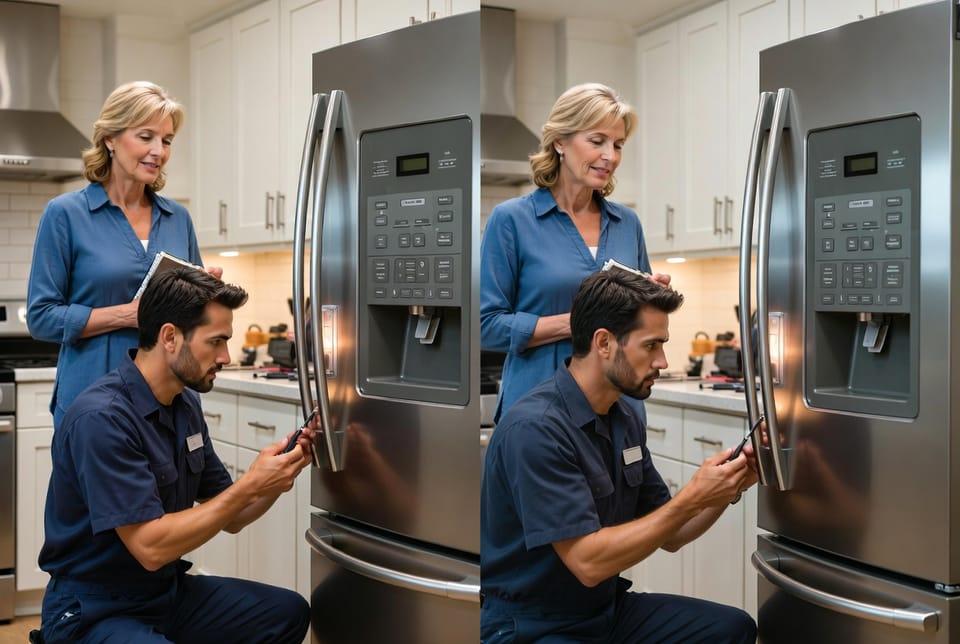
That persistent beeping sound from your refrigerator can turn a peaceful kitchen into a source of constant frustration. The refrigerator door alarm exists for an important reason, yet many homeowners treat the noise as a minor nuisance rather than a signal that something needs attention. Understanding why the alarm activates, what causes it, and how to address the issue properly protects both your food and your appliance investment. This guide walks through the function of the door alarm, the most frequent triggers, and practical troubleshooting steps you can take with confidence.
Fix Your Refrigerator Door Alarm Fast – Call for Expert Help Now!
The door alarm serves as a simple yet effective safeguard. When the refrigerator door remains open longer than a preset period—usually between 30 seconds and two minutes—the system emits a series of beeps or continuous tones. This alert reminds everyone in the household that cold air is escaping, temperatures inside are rising, and perishable items risk spoilage. Modern refrigerators rely on this feature to maintain energy efficiency and food safety. Ignoring the sound may seem tempting during a busy day, yet the longer the door stays ajar, the harder the compressor works and the greater the chance of frost buildup or spoiled groceries.
How the Refrigerator Door Alarm Operates
Most refrigerators use a combination of a door switch and electronic controls to monitor door position. The switch is typically a small plunger or magnetic sensor located near the door frame or hinge area. When the door closes fully, the switch is depressed or the magnet aligns, signaling the control board that the compartment is sealed. If the switch remains open beyond the programmed delay, the control board activates the alarm buzzer or speaker. Some advanced models also display a warning light or message on the digital panel.
This mechanism is intentionally straightforward so it can respond quickly. The delay period prevents false alarms during normal loading or unloading of groceries. Once the door closes properly, the alarm stops immediately in most cases. Understanding this basic process helps narrow down why the beeping continues even when you believe the door is shut.
Primary Causes of a Persistent Door Alarm
Several factors can trigger the alarm repeatedly. Identifying the root cause saves time and prevents unnecessary service calls. The most common reasons fall into three clear categories.
- Door not fully closed
Everyday items such as oversized containers, loose plastic bags, or misplaced shelves can block the door from sealing completely. Even a slight gap of a few millimeters keeps the switch from engaging. Over time, door gaskets may also stiffen or warp, reducing the magnetic pull that holds the door tight. - Faulty door switch
The switch itself can wear out after years of repeated use. Dirt, grease, or food particles may accumulate around the plunger, preventing smooth movement. In magnetic sensor models, the magnet can weaken or become misaligned. A failing switch sends incorrect signals to the control board, causing the alarm to sound even when the door appears closed. - Control board issue
The electronic control board interprets signals from the door switch and decides when to sound the alarm. Power surges, moisture exposure, or internal component failure can cause the board to misread the switch status. In rare cases, software glitches in smart refrigerators produce phantom alarms that continue after the door is secured.
Additional contributing factors include loose wiring connections, a damaged door hinge that prevents full closure, or an incorrectly set delay timer on models that allow customization. While these occur less frequently, they still deserve consideration during troubleshooting.
Step-by-Step Troubleshooting Guide
Addressing the beeping alarm begins with the simplest checks and progresses to more detailed inspections. Follow these steps methodically to isolate the problem without specialized tools in most situations.
Start with a visual inspection of the door seal.
Open the refrigerator and examine the entire perimeter of the door gasket. Look for food debris, sticky residues, or torn sections. Clean the gasket thoroughly with warm soapy water and a soft cloth, then dry it completely. Close the door firmly and listen for the familiar soft thud that indicates a proper seal. If the alarm continues, place a dollar bill or thin piece of paper along the gasket edge, close the door, and try to pull the paper out. Resistance around the entire perimeter confirms a good seal; easy removal at any point reveals a gap that needs attention.
Test door closure under normal conditions.
Remove any bulky items that might obstruct the door. Ensure shelves and drawers sit fully within their tracks. Close the door slowly and observe whether it settles evenly against the cabinet. Some models feature adjustable hinges or leveling feet; a refrigerator that sits unevenly on the floor can keep one side of the door slightly open. Use a level to check the appliance and adjust the front feet if necessary until the unit stands plumb.
Examine the door switch directly.
Locate the switch—usually a small plastic button or rectangular sensor near the top or side of the door frame. With the door open, press the switch manually. On many refrigerators this action silences the alarm or turns off the interior light, confirming the switch is functioning. If pressing the switch has no effect, the component may have failed. Gently clean around the switch with a cotton swab and mild cleaner to remove any buildup that could hinder movement. Avoid forcing the plunger, as excessive pressure can break the internal contacts.
Reset the control system.
Unplug the refrigerator or turn off the dedicated circuit breaker for five minutes. This simple power cycle clears temporary electronic glitches on the control board. After restoring power, open and close the door several times to allow the system to recalibrate. Many models perform a short self-test during restart; watch the display for any error codes that might point to a deeper problem.
Inspect wiring and connections if accessible.
On some refrigerators the door switch wiring travels through the hinge area. Look for pinched or frayed wires that could interrupt the signal. Only attempt this check if you feel comfortable removing a hinge cover; otherwise leave the task for a qualified technician. Damaged wiring often requires professional repair to maintain safety and warranty coverage.
Evaluate the control board last.
If every mechanical check passes yet the alarm persists, the control board becomes the likely culprit. Symptoms include random beeping with no relation to door position, simultaneous failure of other electronic features, or visible burn marks on the board itself. Replacing a control board involves precise matching of part numbers and careful handling of sensitive electronics. This step is best left to trained service professionals who carry diagnostic equipment and genuine replacement parts.
Throughout the process remain patient. Most door alarm issues resolve with basic cleaning and adjustment. Document each step you take so that if professional help becomes necessary you can provide a clear history of attempts already made.

When Simple Fixes Are Not Enough
Certain situations call for expert intervention right away. If the alarm continues after thorough cleaning, switch testing, and power resets, the underlying problem likely involves components that require specialized knowledge. A faulty switch that still fails after cleaning, a control board that generates inconsistent signals, or wiring damage hidden inside the door assembly all fall into this category. Continuing to force a temporary workaround risks higher energy bills, temperature fluctuations, and eventual compressor strain.
Professional technicians arrive with the correct diagnostic tools, manufacturer-specific service manuals, and access to authentic replacement parts. They can measure switch continuity with a multimeter, check control board voltage outputs, and verify that the door alignment meets factory specifications. Many modern refrigerators also store error logs that only certified equipment can retrieve, revealing intermittent faults that casual observation misses.
Choosing timely professional service protects the longer-term reliability of the appliance. A correctly repaired door alarm restores proper temperature control, reduces unnecessary compressor cycles, and eliminates the daily irritation of unwanted beeping. Homeowners who address the issue promptly often discover that the repair also improves overall energy efficiency, delivering savings that offset the service cost within a short period.
Preventive Habits That Keep the Alarm Silent
Once the current problem is resolved, a few everyday practices help prevent future occurrences. Wipe the door gasket weekly with a damp cloth to remove crumbs and sticky residues before they harden. Avoid overloading the door shelves with heavy bottles that can twist the hinge over time. Check that interior bins and drawers close fully before shutting the main door. If your model includes an adjustable alarm delay, set it to a realistic interval that matches household routines without encouraging prolonged open-door periods.
Periodically test the door switch by pressing it manually while the door is open; a quick response confirms the component remains responsive. Listen for any change in the quality of the door closure sound—an abrupt or uneven noise may signal hinge wear that needs early attention. These small habits take only moments yet significantly extend the life of the sealing system and the electronic monitoring components.
Understanding the Broader Impact on Food Safety and Efficiency
A functioning door alarm contributes directly to household well-being. When cold air escapes, the refrigerator struggles to maintain the recommended temperature range of 35–38 °F for the fresh-food compartment and 0 °F for the freezer. Even brief temperature rises accelerate bacterial growth on perishable items and force the compressor into longer run times. Over months this extra workload increases electricity consumption and shortens the expected service life of the sealed system.
By responding promptly to the alarm, you preserve both the nutritional quality of stored food and the mechanical health of the appliance. Families who treat the beeping as a helpful reminder rather than an annoyance consistently report fewer instances of unexpected spoilage and lower monthly utility statements. The modest effort required to investigate and correct the cause therefore yields measurable returns in convenience, cost savings, and peace of mind.
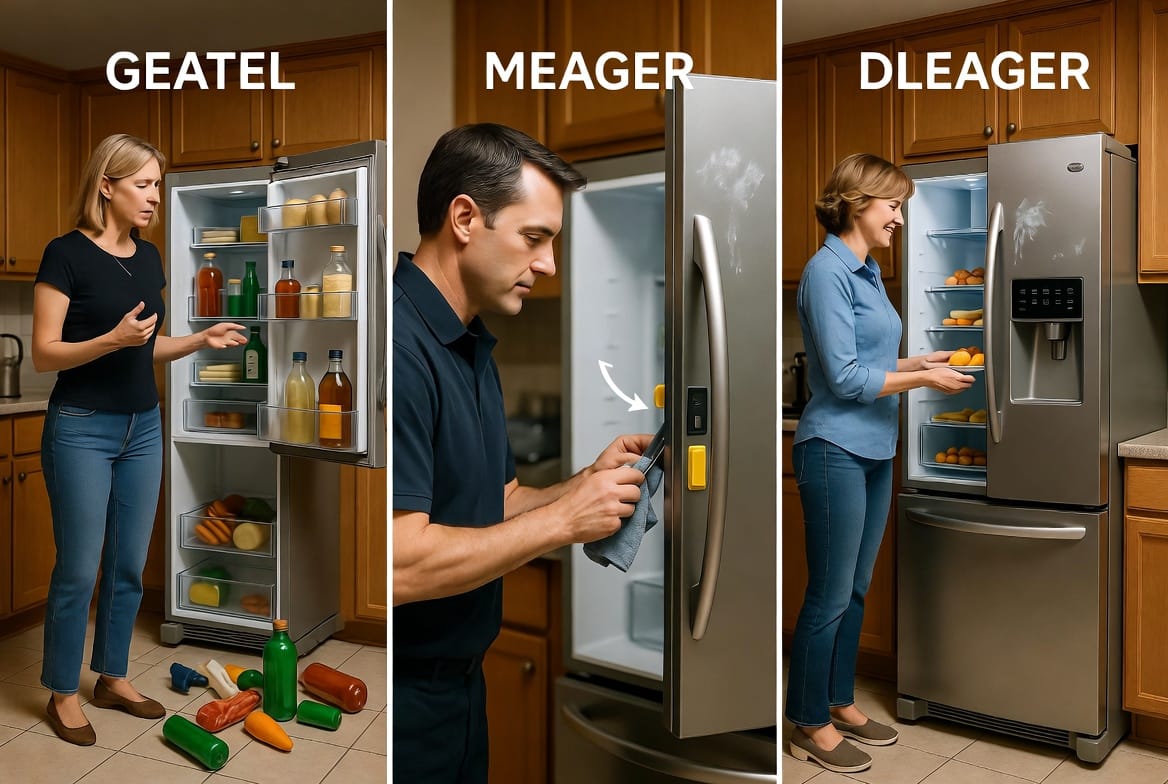
Final Considerations Before Calling for Help
Most homeowners successfully silence a beeping door alarm through careful observation and basic maintenance. When the problem resists these efforts, professional diagnosis becomes the most efficient path forward. Delaying action allows minor switch or board issues to escalate into more extensive repairs. A qualified technician can usually restore normal operation in a single visit, returning the kitchen to quiet reliability.
Do not ignore the door alarm. Persistent beeping signals that the refrigerator is not sealing correctly and that internal temperatures may already be compromised. Early intervention protects your food supply and prevents unnecessary strain on critical components. For fast, reliable service that resolves the issue correctly the first time. Experienced technicians stand ready to diagnose the exact cause—whether a simple obstruction, a worn switch, or a control board fault—and restore proper function so the only sounds you hear from your refrigerator are the quiet hum of efficient operation.
Call Now for Affordable, Same-Day Fridge Door Alarm Solutions!