The Refrigerator Defrost Heater: Why Ice Builds Up and Fridge Gets Warm
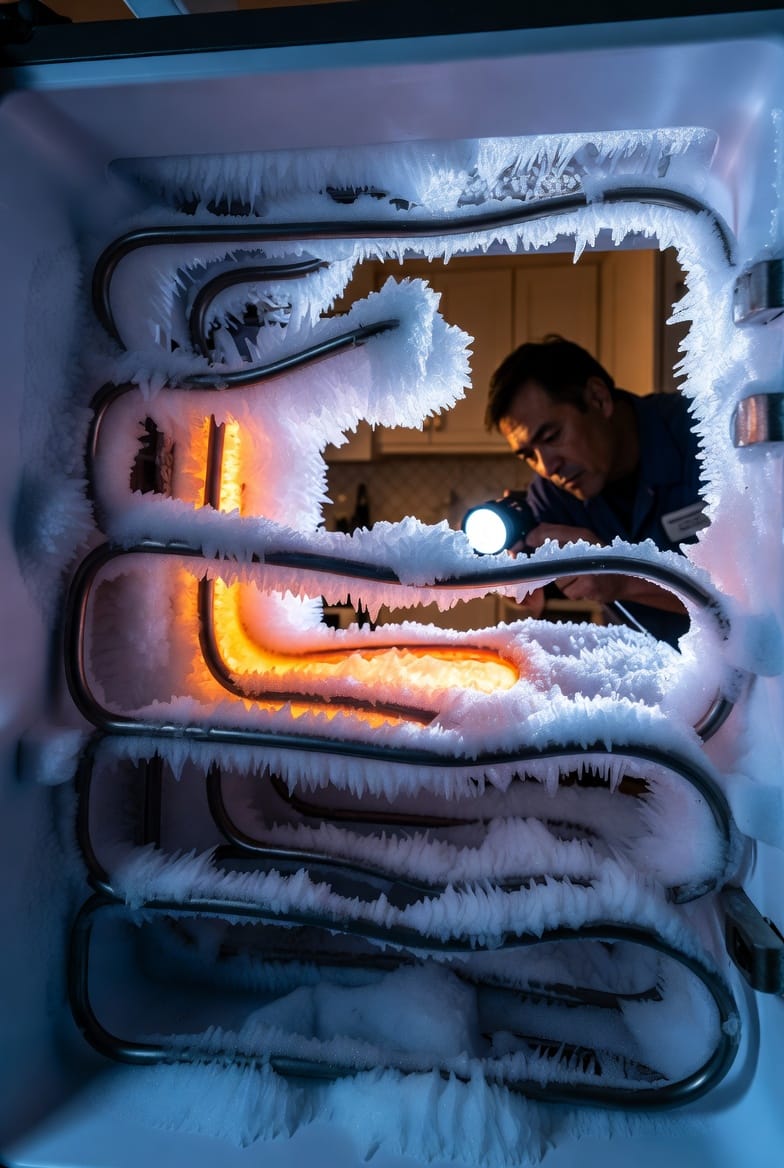
Is your freezer working fine but the refrigerator section feels warm? Are you noticing unusual ice buildup on the back wall or frost-covered food packages? These frustrating symptoms often point to a failing refrigerator defrost heater.
Stop Ice Buildup Today – Expert Defrost Heater Repair
In frost-free refrigerators, the defrost heater is a critical component that prevents excessive ice accumulation on the evaporator coil. When it stops working properly, frost builds up rapidly, airflow is restricted, and cooling efficiency drops dramatically. Understanding this part can help you diagnose the issue early and restore reliable performance to your appliance.
At our appliance repair service, we’ve helped countless Dallas homeowners resolve these exact problems quickly and safely.
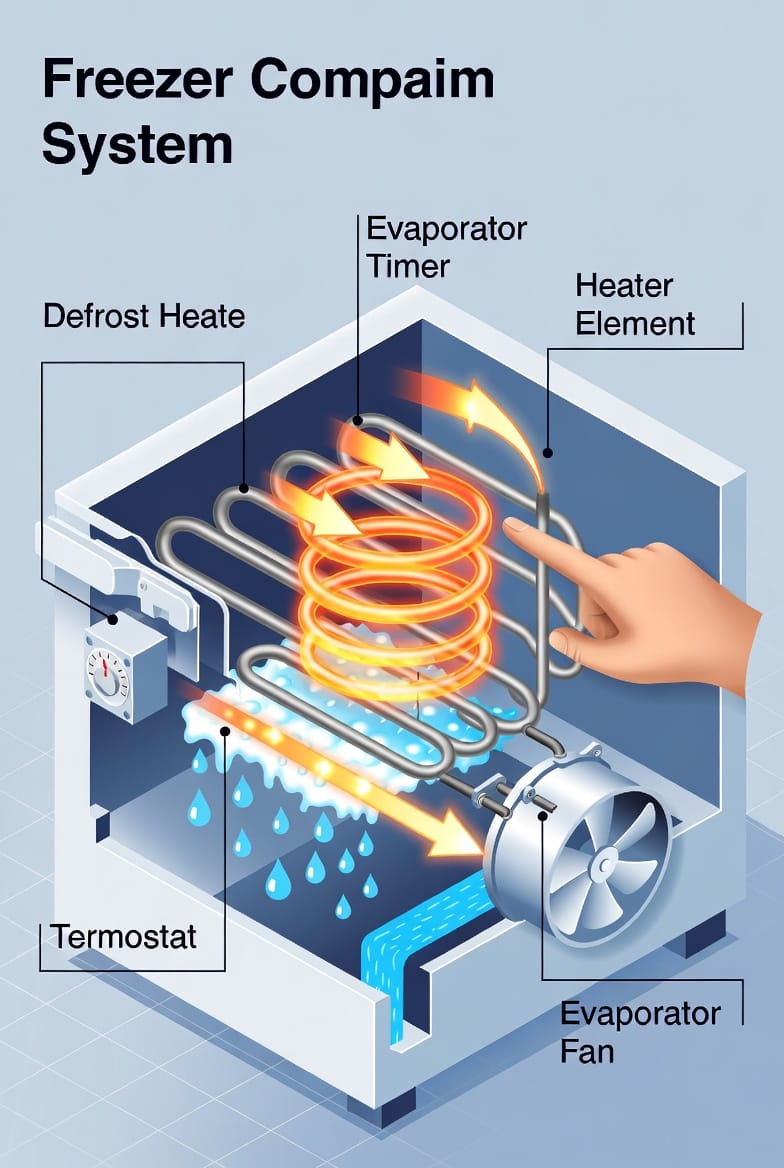
How a Frost-Free Refrigerator Defrost System Works
Modern refrigerators use an automatic defrost system to maintain efficiency without manual intervention. The evaporator coil, located behind the freezer’s back panel, absorbs heat from inside the appliance, causing moisture in the air to freeze onto its surface as frost.
The defrost heater—typically a glass tube or wire element—activates periodically to gently warm the coil, melting the accumulated frost. This water then drains through a channel into an evaporation pan at the bottom of the unit, where it naturally evaporates. A defrost timer or control board manages the cycle, while a defrost thermostat ensures the heater doesn’t overheat the compartment.
When everything functions correctly, your refrigerator maintains consistent temperatures and optimal airflow. However, failure in any part of this system—especially the defrost heater—leads to rapid frost accumulation that insulates the coil and blocks cold air circulation.
This explains why you might see a fully functional freezer alongside a warming refrigerator section. The frozen evaporator coil can no longer effectively transfer cold air to the fresh food compartment.
Common Signs of a Failing Refrigerator Defrost Heater
Recognizing the early warning signs helps prevent food spoilage and more expensive repairs. Here are the most frequent symptoms of defrost heater failure:
- Excessive ice or frost buildup on the freezer walls, evaporator coil, or around food items.
- Refrigerator section too warm while the freezer remains cold.
- Water leaking from the bottom of the freezer or inside the refrigerator.
- Frost on food packages and uneven cooling throughout the appliance.
- Unusual noises such as clicking or humming during attempted defrost cycles.
- Increased energy bills due to the compressor working harder to compensate.
If you notice multiple symptoms together, the defrost heater is a prime suspect.
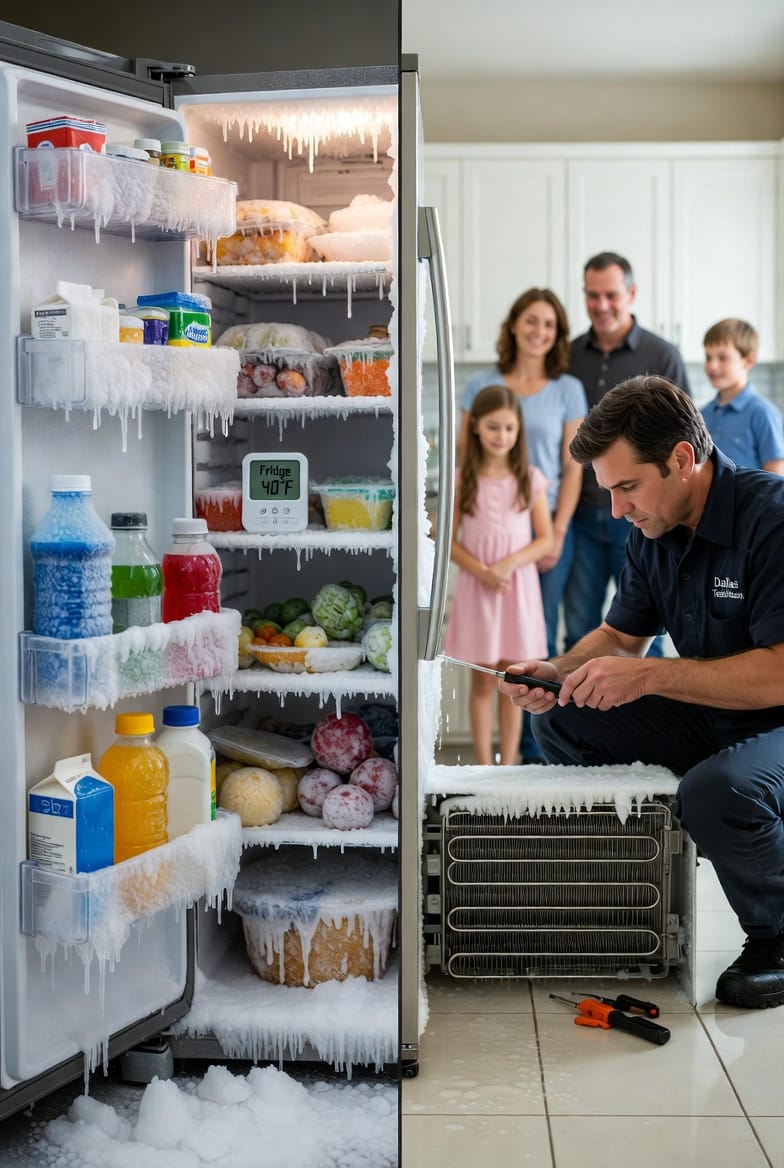
Why Ice Builds Up: The Root Causes
The defrost heater itself can fail due to several reasons:
- Burned-out heating element – The most common issue. Over time, the element wears out or develops hot spots that cause it to stop producing sufficient heat.
- Faulty defrost timer or adaptive defrost control – These components control when the heater activates. If they malfunction, the heater never turns on.
- Defective defrost thermostat – This safety device can stick in the open position, preventing the heater from activating.
- Blocked drain line or evaporator fan issues – Secondary problems that compound heater failure.
- Power supply interruptions or wiring damage within the appliance.
In many cases, homeowners first notice the problem during humid seasons when moisture levels inside the unit increase, accelerating frost formation. Ignoring early signs allows thick ice layers to form, which can damage surrounding components and reduce the refrigerator’s lifespan significantly.
Diagnosing Defrost Heater Problems Safely
Before assuming the heater needs replacement, perform a few basic checks:
- Unplug the refrigerator for safety.
- Remove the back panel inside the freezer to inspect the evaporator coil for heavy frost.
- Check for continuity in the heater element using a multimeter (if you have the tools and experience).
- Listen for the defrost timer advancing during a cycle.
However, professional diagnosis is strongly recommended. Modern refrigerators often integrate electronic control boards that require specialized testing equipment. Attempting complex repairs without proper training can lead to electrical hazards or further damage.
Our experienced technicians use advanced diagnostic tools to pinpoint whether the issue lies with the heater, timer, thermostat, or another component. This precision approach saves you time and money.
Replacing the Refrigerator Defrost Heater: What to Expect
Defrost heater replacement is a technical repair best handled by qualified appliance repair professionals. The process generally involves:
- Safely disconnecting power and removing the freezer’s interior panels.
- Carefully extracting the old heater element from around or behind the evaporator coil.
- Installing a compatible new heater and ensuring proper connections.
- Testing the full defrost cycle and verifying restored airflow and cooling.
Replacement parts are readily available for most major brands, including Whirlpool, GE, Samsung, LG, and Frigidaire. Costs typically range based on the model and labor involved, but addressing the issue promptly prevents compressor strain and potential full system failure.
After replacement, proper reassembly and testing ensure your appliance returns to peak performance. Technicians also check related components like the drain system and seals to provide a complete solution.
The Risks of Ignoring Defrost Issues
Continuing to operate a refrigerator with a failed defrost heater carries several risks:
- Food safety concerns – Inconsistent temperatures can allow harmful bacteria to grow in the refrigerator section.
- Higher electricity consumption – The compressor runs longer and harder, increasing your utility bills.
- Potential for water damage – Leaking meltwater can damage flooring or create mold issues.
- Premature appliance failure – Excessive strain on other parts shortens the overall lifespan of your refrigerator.
Prompt attention to these problems protects your investment and maintains reliable food preservation for your family.
Maintenance Tips to Extend Defrost System Life
Preventive care helps minimize future defrost heater problems:
- Keep the door seals clean and properly aligned to reduce excess moisture entry.
- Avoid overloading the freezer, which can obstruct airflow.
- Regularly clean the condenser coils at the back or bottom of the unit.
- Ensure adequate ventilation around the refrigerator.
- Schedule periodic professional maintenance checks, especially for older models.
These simple habits contribute to smoother operation and fewer emergency repairs.
When to Call a Professional Appliance Repair Service
While some minor issues can be addressed with basic troubleshooting, persistent ice buildup and warming symptoms usually require expert intervention. Our team specializes in refrigerator defrost heater replacement and full system diagnostics across the Dallas area.
We arrive promptly with the right parts and tools, minimizing downtime for your household.
No defrost means no efficient cooling. Don’t let ice buildup compromise your food safety and comfort.
We provide transparent pricing, quality workmanship, and the peace of mind that comes with restored appliance performance.
Professional Defrost Heater Service – Call Immediately