The Range Surface Element: Replacing a Burned-Out Stovetop Coil
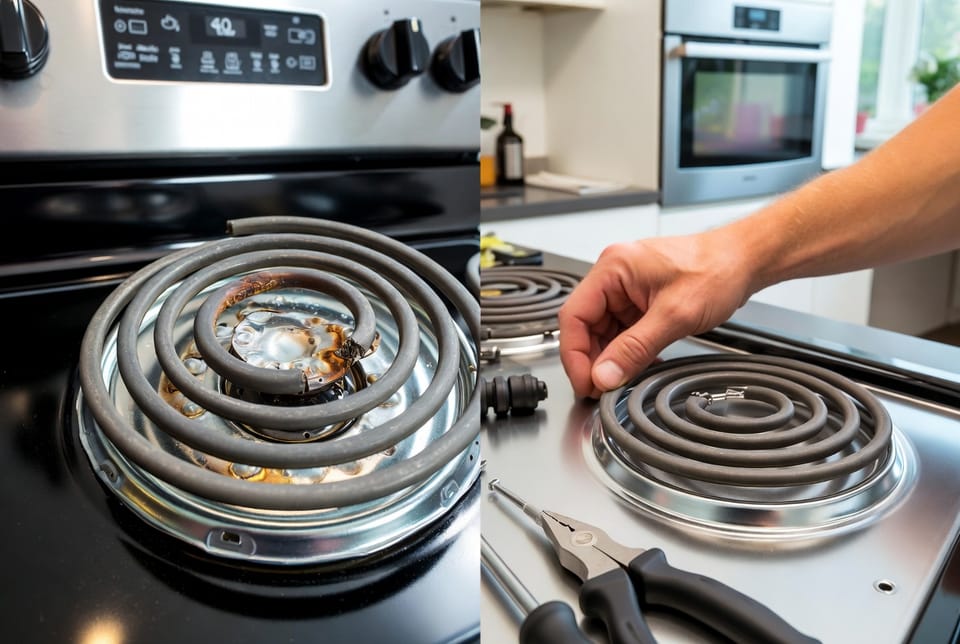
Electric stovetops are reliable workhorses in countless kitchens, but over time, the range surface element (also known as the stovetop coil) can fail. When a coil stops heating properly, it can disrupt meal preparation and cause frustration. The good news? Replacing a burned-out stovetop coil is a straightforward DIY repair that most homeowners can complete in under 30 minutes with basic tools.
Fix Your Burned-Out Stovetop Coil Today – Call Now!
This comprehensive guide walks you through everything you need to know about diagnosing and fixing a faulty range surface element. Whether you're dealing with no heat at all, uneven heating, or intermittent operation, you'll learn how to restore your stove safely and efficiently.
Why Stovetop Coils Fail
Range surface elements are designed to withstand high temperatures, but repeated heating and cooling cycles eventually take their toll. Common reasons for failure include:
- Overheating and burnout: Prolonged use on high settings causes the internal resistance wire to break or blister.
- Spills and debris: Food residue can create hot spots that accelerate wear.
- Age: Coils typically last 5–10 years depending on usage.
- Manufacturing defects: Less common, but poor connections can lead to early failure.
When a coil burns out, it usually stops producing heat entirely or only works on the highest setting. Identifying the issue early prevents further damage to your range.
Common Symptoms of a Bad Stovetop Coil
Recognizing failure signs helps you avoid unnecessary repairs. Look for these key indicators:
- No heat: The element remains completely cold regardless of control setting.
- Heats only on high: Lower settings produce little or no warmth.
- Intermittent operation: The coil works sporadically or takes too long to heat.
- Visible damage: Blisters, breaks, or discoloration on the coil surface.
- Burning smell or sparks: Indicates electrical issues requiring immediate attention.
If you're experiencing any of these, it's time to test and potentially replace the element.

Safety First: Essential Precautions
Your safety is paramount when working with electrical appliances. Always:
- Unplug the stove or turn off the circuit breaker.
- Allow the surface to cool completely.
- Wear protective gloves to avoid sharp edges.
- Work in a well-lit area with proper ventilation.
Remember, while replacing a stovetop coil is generally safe, if you feel uncomfortable working with electrical components, professional assistance is always available.
Tools and Materials You'll Need
This simple repair requires minimal tools:
- New compatible range surface element (match your stove model exactly)
- Screwdriver (flathead and Phillips)
- Needle-nose pliers
- Multimeter (optional, for testing)
- Clean cloth and mild cleaner
- Work gloves
Pro Tip: Purchase the replacement element from a reputable supplier using your stove's model number for perfect compatibility.
Testing the Coil Element
Before purchasing a new part, verify the faulty element:
- Identify which burner isn't working.
- Swap test: Carefully lift the non-working coil and place it in a working burner's socket.
- Turn on the working burner. If the swapped coil still doesn't heat, it's defective.
- If the coil works in the new position, the issue may lie with the control switch or wiring.
This simple swap test confirms whether the range surface element itself needs replacement.
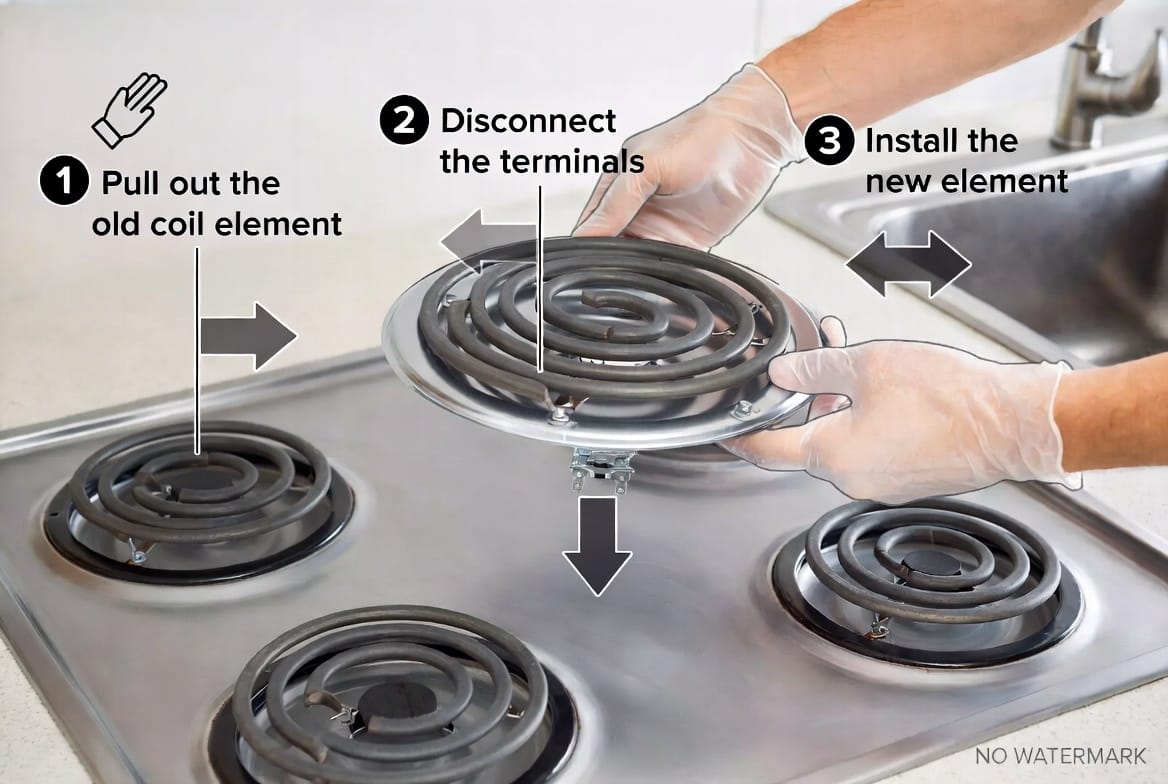
Step-by-Step: Replacing the Burned-Out Stovetop Coil
Step 1: Prepare the Work Area
Remove all pots, pans, and debris from the stovetop. Lift the entire burner assembly slightly if your model allows.
Step 2: Remove the Old Element
- Gently pull the faulty coil upward and toward you.
- Disconnect the terminal ends carefully using pliers if needed.
- Avoid forcing connections to prevent damage to the receptacle.
Step 3: Install the New Element
- Align the new coil's terminals with the socket.
- Push firmly until it seats properly.
- Ensure the element sits level in its support brackets.
Step 4: Test the Repair
- Restore power to the stove.
- Turn the corresponding control knob to medium heat.
- The new stovetop coil should begin warming within seconds.
Common Mistakes to Avoid
- Using an incompatible element size or wattage.
- Forcing connections instead of aligning them properly.
- Neglecting to clean the burner area before installation.
- Skipping the swap test and replacing the wrong component.
Taking time to follow each step carefully ensures a successful repair and extends the life of your new element.
Benefits of DIY Range Surface Element Replacement
Performing this repair yourself offers several advantages:
- Cost savings: A new coil typically costs $15–$40 versus hundreds for professional service.
- Quick resolution: Fix the issue same-day without waiting for appointments.
- Skill building: Gain confidence in handling basic appliance repairs.
- Environmental impact: Extend the life of your existing range rather than replacing the entire unit.
Most homeowners report successful repairs on their first attempt when following proper guidance.
Maintaining Your Stovetop Coils for Longevity
After replacement, adopt these habits to prevent future failures:
- Clean spills immediately while the surface is warm (not hot).
- Avoid using oversized pots that overhang the element.
- Use the appropriate heat setting for each cooking task.
- Periodically inspect coils for signs of wear.
- Consider using burner covers or drip pans to protect elements.
Proper maintenance can significantly extend the lifespan of your range surface elements.
When to Call a Professional
While most coil replacements are straightforward, seek expert help if:
- The element won't seat properly.
- You notice damage to the receptacle or wiring.
- Multiple burners have failed simultaneously.
- You're unsure about electrical safety.
For reliable service, call our team at (855) 321-3582. Our experienced technicians can diagnose and repair range issues quickly and professionally.
Final Thoughts
A burned-out stovetop coil is one of the most common and easily fixed kitchen appliance problems. With the right approach, you can replace your range surface element safely and restore full functionality to your stove. This simple DIY project saves time and money while giving you the satisfaction of a job well done.
Don't let a faulty burner slow down your kitchen routine. Whether you tackle the repair yourself or prefer professional assistance, a working stovetop makes all the difference in daily cooking.
Need help with your range repair? We're here to ensure your kitchen runs smoothly.
Professional Stovetop Coil Replacement – Call Today