The Pythium Blight: Cottony, Rapid Lawn Disease in Hot, Wet Weather
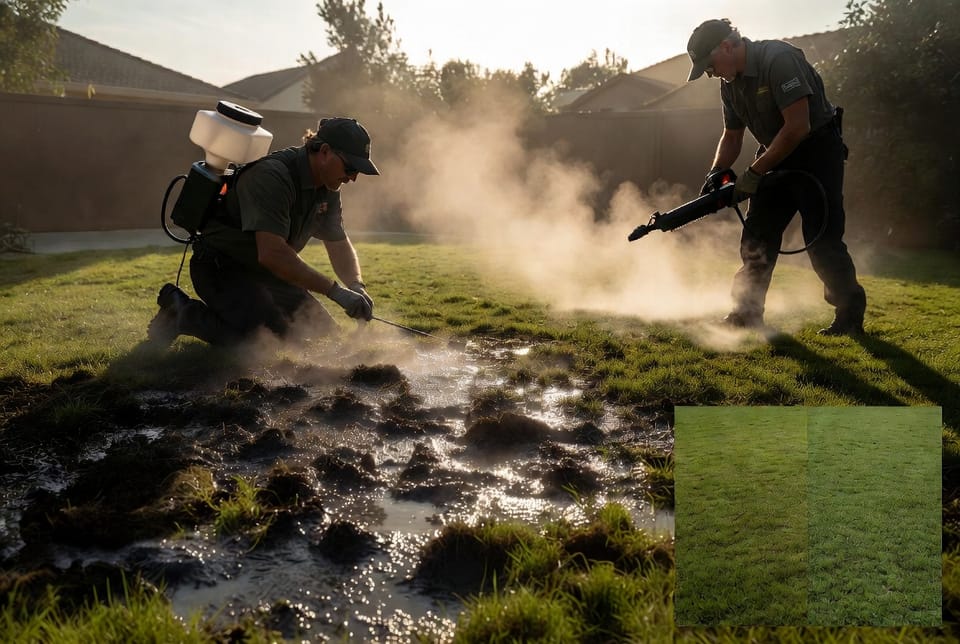
When summer temperatures climb above 85°F and humidity refuses to drop, your lawn faces one of its most aggressive threats. Pythium blight strikes with shocking speed, turning healthy turf into greasy, collapsing patches almost overnight. Homeowners often wake to find large sections of their once-vibrant grass reduced to a slimy, matted mess.
Save Your Lawn from Cottony Collapse – Call Today!
The good news? Pythium blight is highly manageable when you understand its triggers and act decisively. With prompt intervention and proven cultural practices, you can halt its advance, protect surrounding turf, and restore your lawn to peak condition. This guide delivers everything you need: clear symptom identification, the exact weather and management factors that fuel outbreaks, emergency treatment steps, and long-term prevention strategies that keep your lawn resilient all season long.
What Is Pythium Blight and Why Does It Spread So Fast?
Pythium blight is caused by water-loving oomycetes—organisms that behave like fungi but thrive in saturated conditions. Unlike slower diseases that creep along gradually, this pathogen explodes under the right circumstances. It produces cottony white mycelium that you can actually see on dewy mornings, and it can destroy square yards of turf in a single night.
The fungus survives in soil and thatch as hardy resting spores. When heat and moisture align, these spores release swimming zoospores that move through water films on grass blades and soil. Within hours they penetrate leaf tissue, feeding on the plant’s sugars and destroying cell walls. The result is rapid tissue death that spreads outward in ever-widening circles or long streaks following water flow or foot traffic.
Pythium blight does not wait for weeks of symptoms. It prefers lush, nitrogen-rich growth because succulent blades offer less resistance. That is why over-fertilized lawns in poorly drained yards are most at risk. Understanding this biology is your first line of defense—knowledge that turns panic into a precise, effective response.
Recognizing the Symptoms Before Overnight Collapse
Early detection gives you the greatest chance of saving your lawn. Look for these unmistakable signs:
- Small, water-soaked spots that appear greasy or oily, usually 2–6 inches across at first.
- Rapid darkening to a dull brown or black as tissue collapses.
- Cottony white mycelium visible early in the morning when humidity is high—thin, web-like strands that disappear as the day warms.
- Matted, slimy blades that feel wet and greasy to the touch even after the dew dries.
- Irregular patches or streaks that expand quickly, sometimes merging into large dead areas within 24–48 hours.
- Distinct “smoke ring” appearance around the edges of active patches on some varieties.
If you notice these symptoms during a stretch of hot, humid weather, act immediately. Delaying even one day can allow the disease to claim three times more turf. The reassuring reality is that Pythium blight rarely kills the entire root system right away—crowns and roots often survive, meaning recovery is entirely possible with the right care.
Conditions That Fuel Pythium Blight Outbreaks
Three environmental factors create the perfect storm for this disease:
- High heat and humidity: Daytime temperatures between 85–95°F combined with nighttime lows above 70°F and relative humidity above 90% keep leaf surfaces wet for extended periods.
- Excess nitrogen: Heavy or poorly timed fertilizer applications produce soft, succulent growth that the pathogen attacks easily.
- Prolonged leaf wetness: Nighttime watering, poor air circulation, heavy thatch, or compacted soil all keep the canopy damp long enough for zoospores to swim and infect.
Poor drainage, overwatering, and shaded areas compound the problem. Lawns that receive irrigation after sunset are especially vulnerable because the grass stays wet all night—the exact window when Pythium is most active. Understanding these triggers empowers you to remove the fuel before the fire starts.
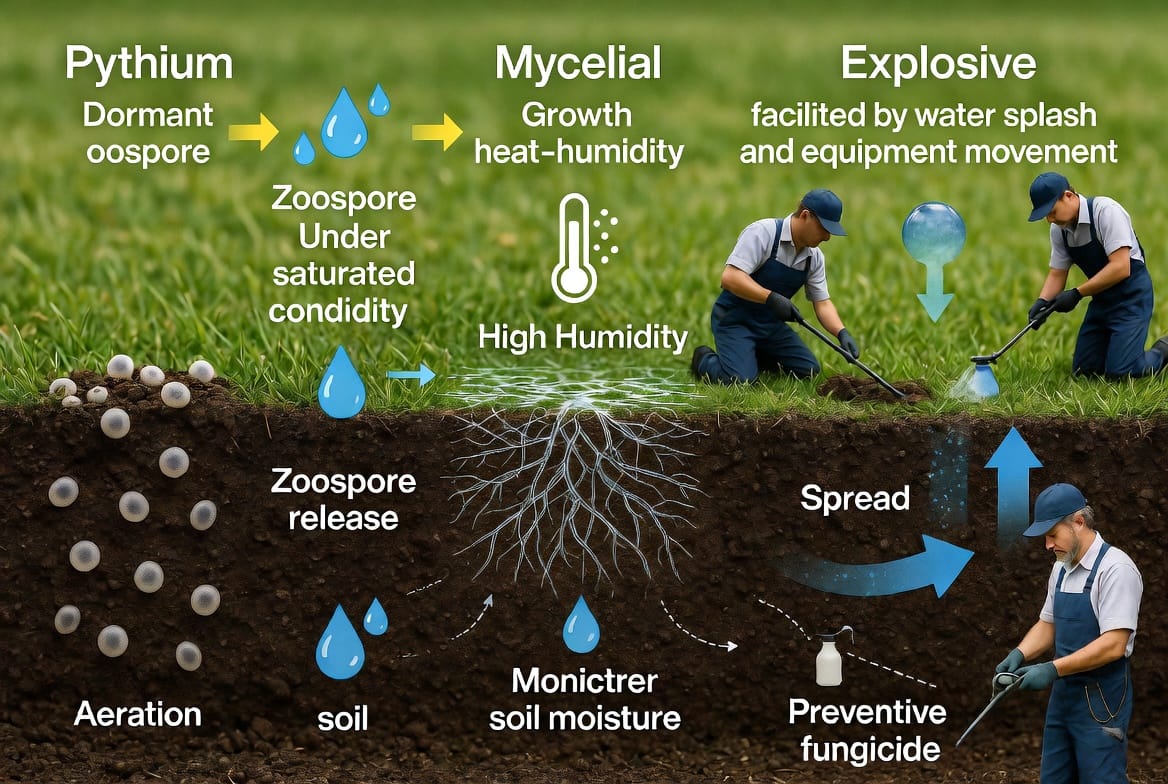
Emergency Treatment: Stop the Spread in Hours, Not Days
When Pythium blight appears, every hour counts. Follow this proven emergency protocol:
- Halt all irrigation immediately—allow the surface to dry as quickly as possible without stressing the remaining turf.
- Improve airflow dramatically by mowing at the proper height (never lower than 2.5–3 inches during active disease) and removing clippings from affected areas only.
- Reduce traffic across infected zones to prevent spreading spores on shoes or equipment.
- Apply a labeled fungicide specifically effective against Pythium at the first sign of active mycelium; rotate modes of action if multiple applications become necessary.
- Lightly top-dress with a thin layer of sand or compost to encourage new growth from surviving crowns once the disease is arrested.
- Monitor daily—new cottony growth should cease within 48–72 hours if treatment is timely.
Do not fertilize during active infection. The goal is to slow lush growth while the fungicide does its work. Most homeowners see visible improvement within one week and full recovery in two to three weeks when these steps are followed precisely.
Long-Term Prevention: Build a Lawn That Resists Pythium
Prevention is far easier than cure. Implement these practices year-round:
- Water deeply but infrequently in the early morning only, allowing the canopy to dry completely before nightfall.
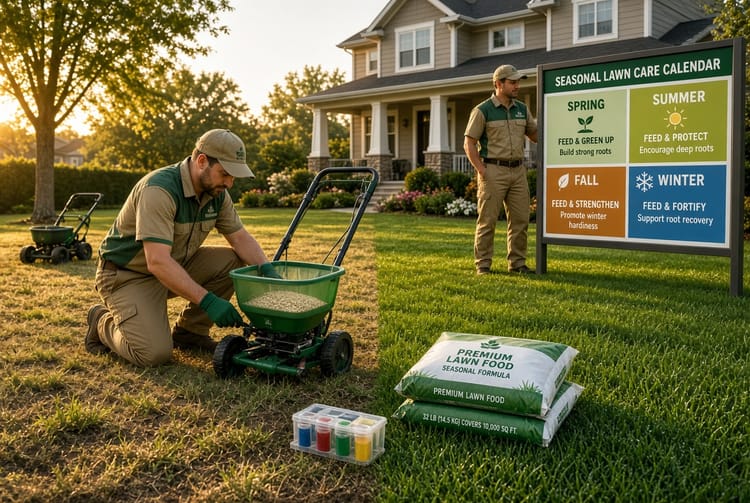
- Maintain balanced fertility with slow-release nitrogen sources applied at the correct rate for your grass type and soil test results.
- Aerate annually and top-dress regularly to reduce thatch and improve drainage.
- Prune overhanging trees and shrubs to increase sunlight and airflow.
- Choose disease-resistant turf varieties when renovating or overseeding.
- Avoid excessive thatch buildup by vertical mowing or power raking at the proper time of year.
These cultural steps create an environment where Pythium simply cannot gain a foothold. Your lawn becomes naturally resilient, requiring fewer interventions even during the hottest, wettest summers.
Recovering Your Lawn After Pythium Blight
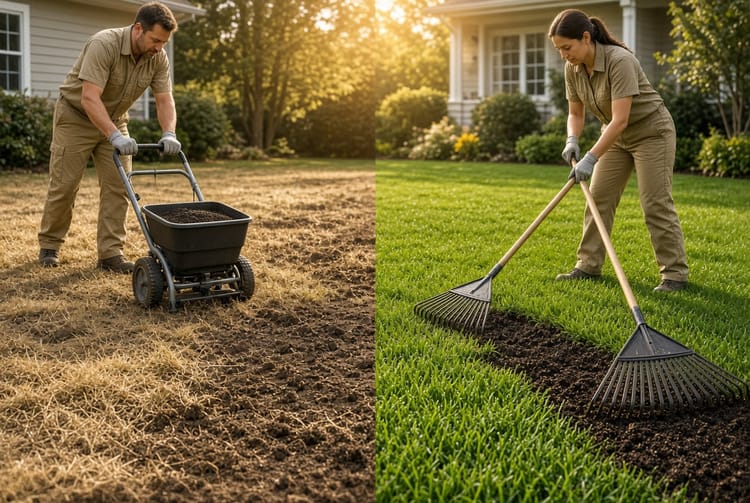
Once the active disease is controlled, focus on regrowth. Overseed thin areas with high-quality seed matched to your grass species. Apply a light starter fertilizer once the fungicide has had time to work. Keep the lawn slightly drier than usual during recovery to discourage any resurgence. Within four to six weeks, new green shoots will fill in the damaged patches, returning your yard to the thick, healthy carpet you expect.
Consistent monitoring throughout the warm season ensures early detection if conditions turn favorable again. The combination of cultural excellence and timely professional support keeps Pythium blight from becoming a recurring nightmare.
When to Call Professional Disease Control Experts
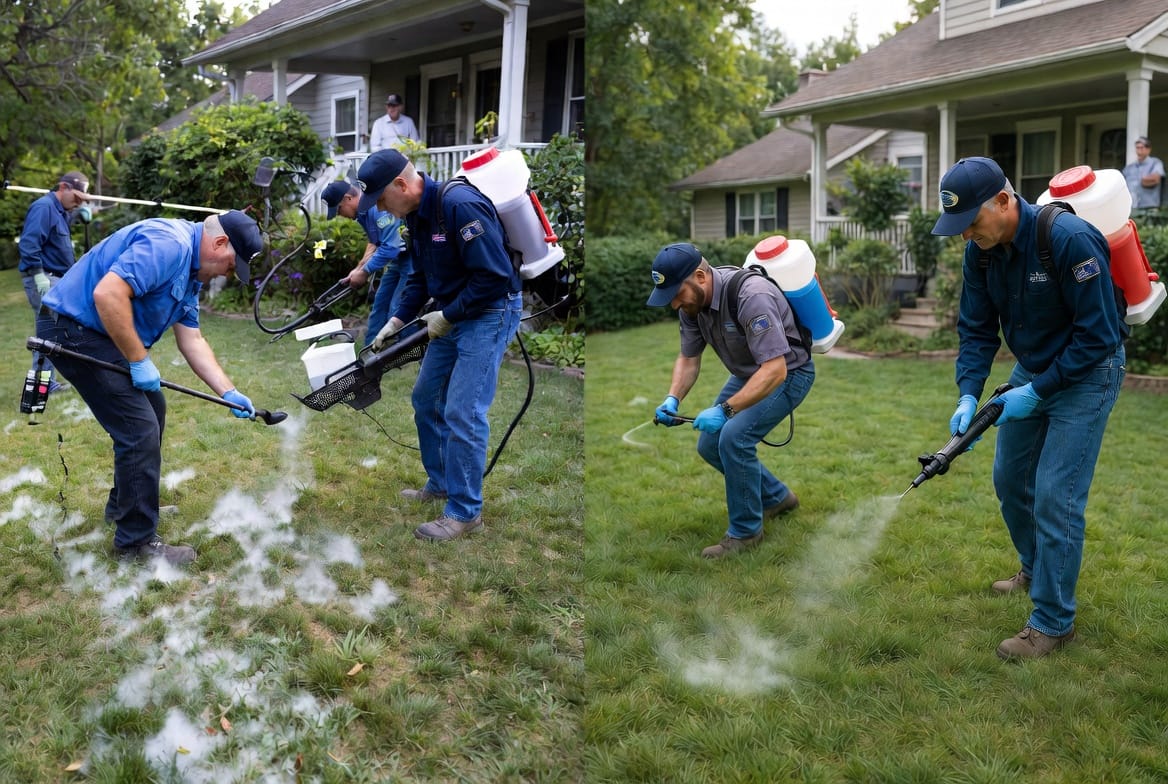
While many homeowners successfully manage mild cases, widespread or rapidly advancing Pythium blight benefits from expert intervention. Professional teams bring calibrated equipment, access to the most effective products, and years of experience reading subtle environmental cues that homeowners might miss. They can also perform soil testing and create a customized season-long protection plan tailored to your specific lawn and microclimate.
Stop Blight Before It Destroys Your Lawn
Pythium blight may be fast and frightening, but it is never unbeatable. By recognizing the greasy, cottony symptoms early, removing the hot-wet-excess-nitrogen triggers, and following emergency treatment followed by strong prevention, you protect the investment you have made in your landscape.
A healthy, resilient lawn is within reach—even after an outbreak. Take action today and enjoy peace of mind all summer long.
Professional Lawn Disease Treatment – Call Experts Today