The Post-Flood Odor Removal: Ozone, Hydroxyl, and Thermal Fogging
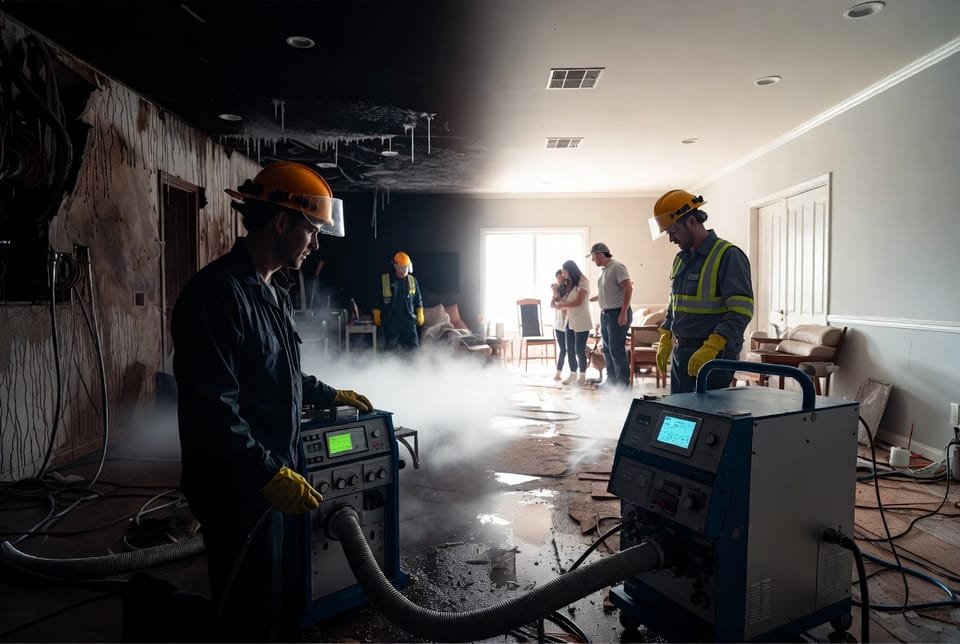
Water damage from floods, storms, or plumbing failures leaves more than just visible destruction. Lingering odors often persist long after the water is gone, signaling hidden moisture and potential health risks. These unpleasant smells can affect your family’s comfort and property value if not addressed properly. Professional post-flood odor removal using advanced methods like ozone generators, hydroxyl generators, and thermal fogging provides effective, science-backed solutions to neutralize odors at the molecular level and restore your home to a fresh, safe condition.
Professional Odor Removal Experts – Call Now for Fast Help!
At our restoration services, we understand the stress water damage brings. Our trained technicians use the right combination of technologies to eliminate odors safely and thoroughly, giving homeowners peace of mind. In this comprehensive guide, we explore how these methods work, their benefits, limitations, and when to call experts for professional deodorization.
Understanding the Challenge of Post-Flood Odors
After a flood, water seeps into porous materials—carpets, drywall, insulation, and wood—creating ideal conditions for bacteria, mold, and mildew. These microorganisms produce volatile organic compounds (VOCs) that cause musty, sour, or sewage-like smells. Even after structural drying, these odors can linger and worsen over time.
Key risks of ignoring post-flood odors include:
- Respiratory irritation and allergies for sensitive family members
- Hidden mold growth behind walls or under floors
- Decreased indoor air quality affecting overall health
- Lower resale value of your property
Early intervention with professional odor removal prevents these issues and accelerates full recovery. Our teams in the Dallas area frequently help homeowners reclaim their spaces after severe weather events.
The Science Behind Effective Deodorization
Odors are caused by odor-causing molecules. Professional methods don’t just mask smells—they break down or oxidize these molecules permanently.
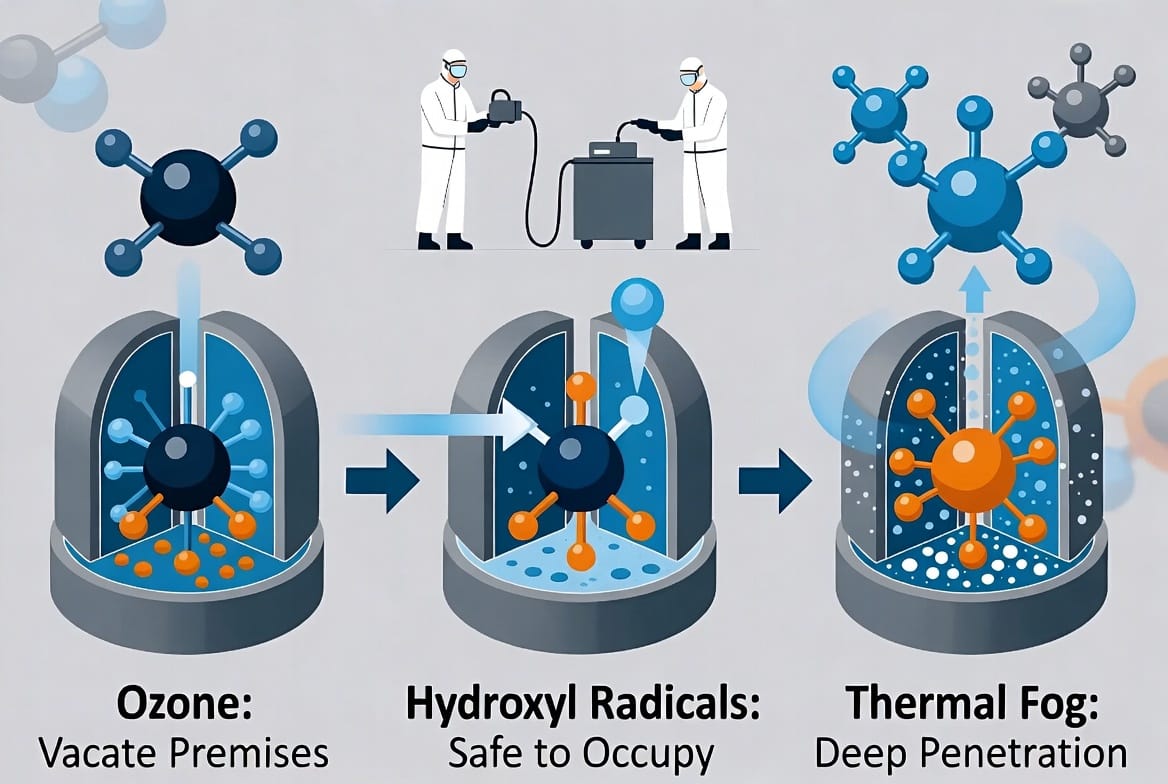
Ozone (O₃) is a highly reactive gas that oxidizes organic compounds.
Hydroxyl radicals (OH) are powerful neutralizers that react with pollutants in the air and on surfaces.
Thermal fogging delivers deodorizing agents deep into materials using heat and fine mist.
These technologies target the source rather than temporarily covering up the problem, ensuring long-lasting results.
Ozone Generators: Powerful and Fast-Acting Solution
Ozone generators rank among the most effective tools for severe post-flood odor removal. These machines produce high concentrations of ozone gas that penetrates deeply into affected areas and rapidly oxidizes odor-causing compounds, bacteria, and mold spores.
How Ozone Treatment Works
Technicians seal the space and run the generator for several hours or days, depending on contamination levels. Ozone breaks down complex organic molecules into simpler, odorless ones.
Advantages of ozone treatment:
- Extremely effective against strong, embedded odors
- Kills bacteria, viruses, and mold on contact
- No chemical residues left behind after treatment (ozone reverts to oxygen)
- Ideal for heavily damaged properties
Important safety note: Ozone is powerful and requires vacating the premises during treatment. Our professionals handle the entire process, including thorough post-treatment ventilation and air quality testing before re-occupancy.
Homeowners often notice a dramatic difference immediately after proper ozone application—the air feels crisp and clean, with no trace of the previous musty smell.
Hydroxyl Generators: Safe for Occupied Spaces
When families need to remain in the home or business continuity matters, hydroxyl generators offer an excellent alternative. These units use UV light and catalysts to produce hydroxyl radicals that mimic nature’s outdoor air purification process.
Benefits of Hydroxyl Technology
Hydroxyl radicals are short-lived but highly reactive, neutralizing odors, VOCs, and pathogens without harming people, pets, or plants. Treatment can often occur while occupants stay on-site.
Key strengths:
- Safe for continuous use in occupied buildings
- Effective on both air and surfaces
- Reduces allergens and improves overall air quality
- Environmentally friendly with no harsh chemicals
While hydroxyl treatment may take longer than ozone for severe cases, it provides a gentle yet thorough solution. Many Dallas families prefer this method during partial home restorations.
Thermal Fogging: Deep Penetration for Porous Materials
Thermal fogging excels at reaching deep into fabrics, wood, and other porous surfaces where odors hide. Specialized machines heat deodorizing solutions into a fine fog that penetrates materials and neutralizes odors from within.
When Thermal Fogging Shines
This method works exceptionally well for:
- Carpets and upholstery
- Wooden structures and cabinetry
- Attics and crawl spaces
- Areas with lingering smoke or sewage odors
Technicians apply industry-approved, safe fogging agents that bond with and eliminate odor molecules. The process is quick and leaves minimal residue.
Comparing Deodorization Methods: Choosing the Right Approach
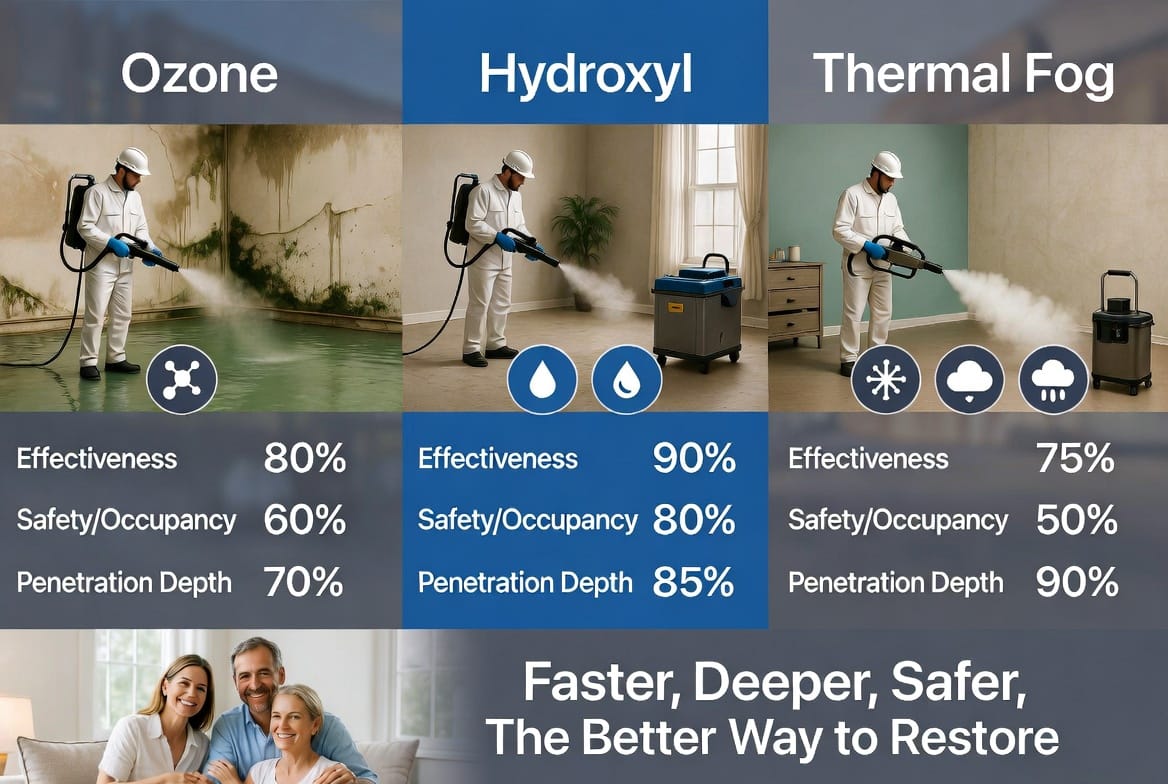
Each method has unique strengths. Professionals evaluate the extent of damage, material types, and occupancy needs before recommending the best strategy—often combining techniques for optimal results.
- Ozone: Most powerful and fast; requires vacancy; excellent for heavy contamination.
- Hydroxyl: Safest for occupied homes; steady results; great for ongoing air purification.
- Thermal Fogging: Superior penetration into porous materials; targeted application; complements other methods.
Our experts create customized plans that deliver complete post-flood odor elimination while minimizing disruption to your daily life.
The Professional Restoration Process
Effective odor removal follows a structured approach:
- Thorough inspection and moisture mapping
- Water extraction and structural drying
- Application of chosen deodorization method(s)
- Air quality testing and final cleaning
- Preventive recommendations to avoid future issues
This systematic process ensures odors are truly gone, not just hidden.
Prevention Tips for Long-Term Protection
After successful treatment, protect your home with these steps:
- Regular HVAC maintenance and filter changes
- Prompt addressing of leaks or flooding
- Proper ventilation in bathrooms and kitchens
- Annual professional inspections of vulnerable areas
- Installing moisture sensors in basements and crawl spaces
Bold action today prevents costly problems tomorrow.
Why Choose Professional Deodorization Services
DIY air fresheners or basic cleaners cannot match the depth and effectiveness of professional equipment. Attempting self-treatment may spread contaminants or leave hidden odors that return stronger.
Our certified teams bring years of experience, advanced technology, and a commitment to your family’s safety. We work efficiently to restore your home quickly and completely.
Conclusion
Post-flood odors don’t have to linger or compromise your home’s habitability. With ozone generators, hydroxyl generators, and thermal fogging, professional restoration experts deliver reliable, science-based solutions tailored to your specific situation. These methods neutralize odors at the source, improve air quality, and give you confidence in your restored living space.
Don’t let hidden moisture and stubborn smells affect your health or peace of mind. Odor means hidden moisture—act quickly for the best outcomes.
Our team is ready to help you breathe easy again in a fresh, clean home.
Say Goodbye to Lingering Flood Odors – Call Today!