The Post-Flood Mold Growth: Timeline and Prevention
Water damage from floods, storms, or burst pipes creates the perfect storm for mold growth. Left unchecked, it can compromise your home’s structure, air quality, and your family’s health. Understanding the post-flood mold timeline is critical for homeowners and property managers who want to protect their investment and loved ones.
Rapid Drying Experts – Call for Immediate Help Today!
At Tradewinds Universal, we specialize in rapid water extraction and mold prevention. Swift action within the first 24–48 hours dramatically reduces risks. In this comprehensive guide, we break down exactly when mold starts, how it progresses, and proven prevention strategies that restore safety and peace of mind.
Why Flooded Homes Become Mold Hotspots So Quickly
Mold is a naturally occurring fungus that thrives in damp, warm environments with organic material. After a flood, excess moisture saturates drywall, insulation, flooring, and furniture. This creates ideal conditions: moisture + food source + warmth + time.
Key risk factors include:
- High humidity levels above 60%
- Temperatures between 77°F and 86°F
- Porous materials like wood, carpet, and drywall that retain water
Without professional intervention, even small amounts of standing water can lead to widespread contamination. That’s why urgent drying is non-negotiable.
Main prevention insight: Professional-grade equipment removes water faster than it can evaporate naturally, starving mold before it takes hold.
The Critical Post-Flood Mold Growth Timeline
Mold doesn’t appear overnight, but the clock starts ticking the moment water enters your home. Here’s the precise progression based on real-world restoration experience:
0–24 Hours: The Window of Opportunity
In the immediate aftermath, water saturates materials but mold spores remain dormant. This is your golden window for emergency water removal.
Technicians focus on extracting bulk water using powerful pumps and truck-mounted extractors. Every hour counts — reducing moisture content early prevents the activation of millions of microscopic spores already present in most indoor environments.
24–48 Hours: Mold Begins to Colonize
Mold growth begins as spores germinate in persistently damp areas. You may not see it yet, but hidden colonization starts behind walls, under flooring, and in crawl spaces.
Urgency of drying cannot be overstated here. Industrial air movers and dehumidifiers lower humidity rapidly, disrupting the moisture necessary for spore activation. Delaying beyond this point allows mold to establish roots that are far harder to eliminate later.
3–5 Days: Visible Mold Appears
By days 3 to 5, visible mold often surfaces as fuzzy patches or discoloration on walls, ceilings, and baseboards. Musty odors become noticeable. At this stage, the colony is actively spreading and releasing more spores into the air.
Homeowners frequently discover black mold (Stachybotrys chartarum) or other species in hidden areas. Structural integrity begins to suffer as mold breaks down organic materials.
1 Week and Beyond: Escalating Health and Structural Risks
After seven days, health risks increase significantly. Prolonged exposure can trigger respiratory issues, allergic reactions, asthma flare-ups, and more severe symptoms in vulnerable individuals including children, elderly family members, and those with compromised immune systems.
Mold can penetrate deep into building materials, leading to costly repairs or even partial reconstruction. The longer the delay, the higher the remediation expense and health impact.
Reassuring fact: Professional rapid drying and dehumidification performed within the first 48 hours prevents nearly all of these outcomes.
Effective Strategies to Prevent Mold After Water Damage
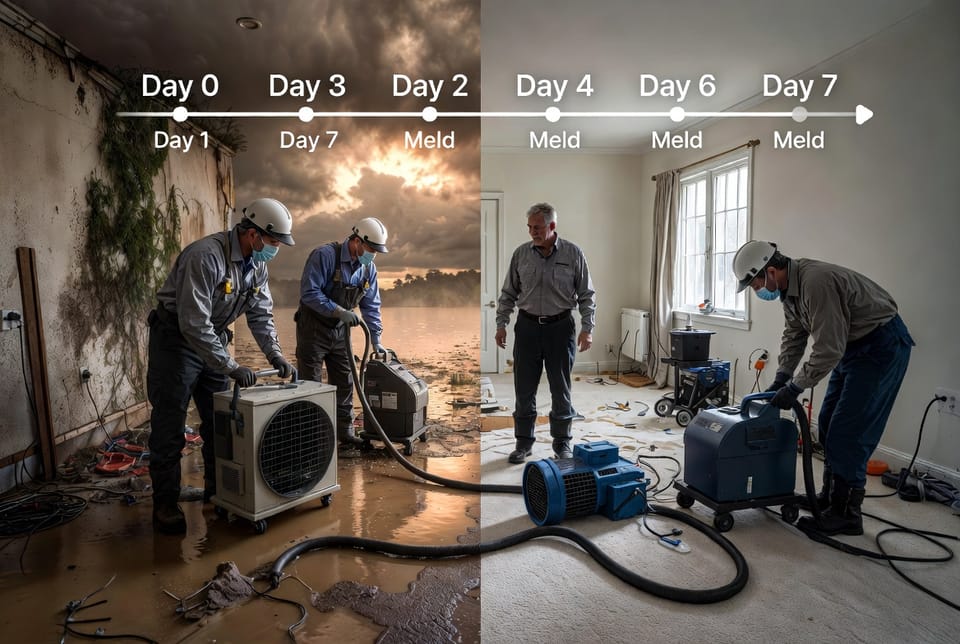
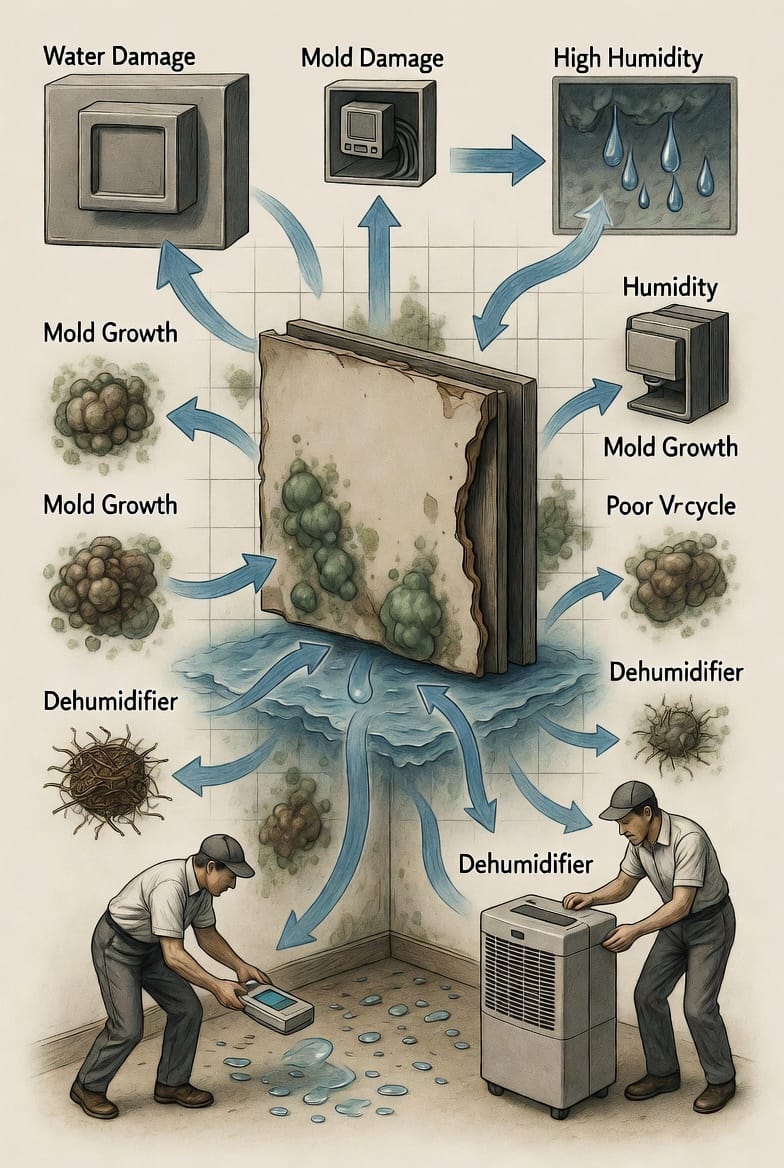
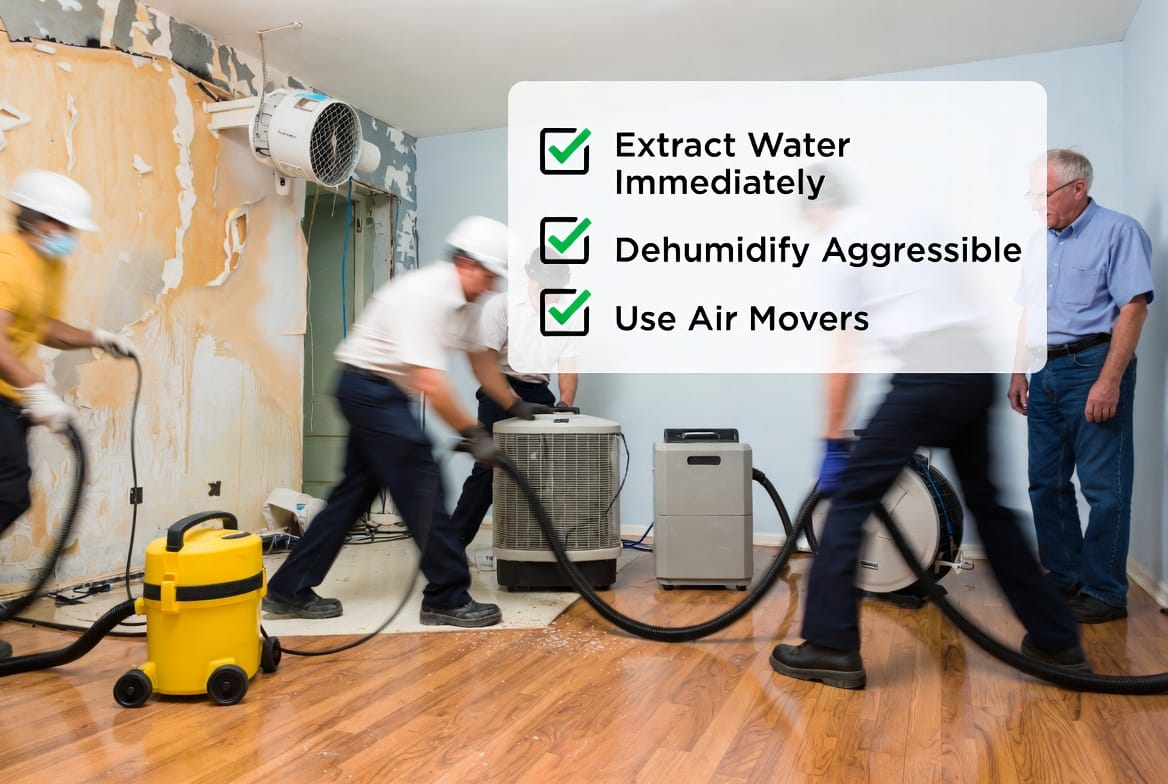
Prevention hinges on three pillars: immediate water extraction, aggressive dehumidification, and strategic air movement. Here’s how professionals execute each step:
Step 1: Rapid Water Extraction
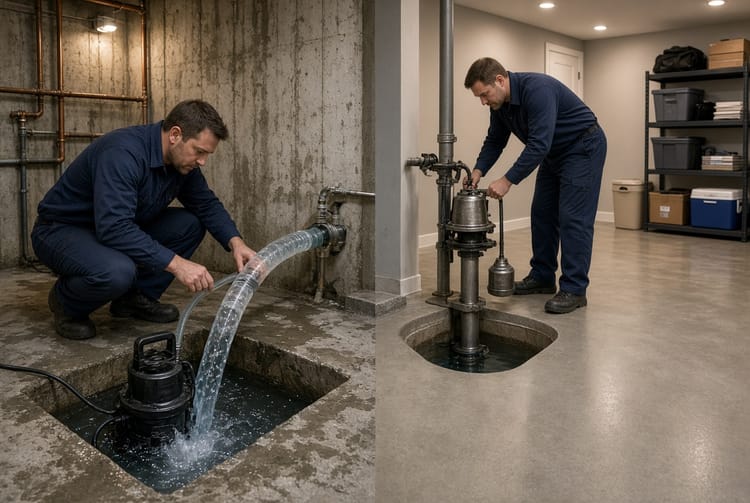
- Remove standing water using submersible pumps and truck-mounted extractors
- Pull moisture from carpets, padding, and hard surfaces
- Dispose of heavily contaminated porous items when necessary
Step 2: Professional Dehumidification
High-capacity dehumidifiers pull moisture from the air and materials, often reducing humidity from 90%+ down to 30–40% within days. This creates an inhospitable environment for mold.
Step 3: Strategic Use of Air Movers
Industrial fans create continuous airflow across wet surfaces, accelerating evaporation while directing moist air toward dehumidifiers. Proper placement is an art — professionals calculate optimal positioning for maximum efficiency.
Additional proven prevention measures:
- Antimicrobial treatments applied to affected areas to inhibit growth
- HEPA air scrubbing to capture airborne spores
- Moisture mapping with thermal imaging and meters to ensure complete drying
- Structural drying of walls, ceilings, and floors using specialized equipment
Following these protocols gives homeowners confidence that their property is truly restored to a safe, dry condition.
Health Risks of Delayed Mold Remediation
Prolonged mold exposure affects more than just your home. Inhaled spores and mycotoxins can cause:
- Persistent coughing and wheezing
- Skin irritation and rashes
- Chronic sinus problems
- Fatigue and headaches
- Aggravated asthma symptoms
Children and pets are especially susceptible due to their smaller body size and closer proximity to floors. Acting fast protects everyone in your household.
Authoritative reassurance: When you partner with certified restoration experts, these risks are minimized through proven, science-backed processes.
When to Call Professional Water Damage Restoration Services
While minor spills can sometimes be managed DIY, post-flood situations demand expert intervention. Seek professional help when:
- Water covers large areas or has reached walls/ceilings
- Sewage or contaminated water is involved
- You notice musty odors or visible growth
- Structural materials have absorbed significant moisture
Our team at Tradewinds Universal arrives quickly with state-of-the-art equipment and years of experience. We handle everything from initial assessment to complete drying and mold prevention.
Emergency CTA: Act fast to prevent mold. Call for rapid drying and professional restoration services at (855) 321-3350. Available 24/7 — every hour counts.
Long-Term Home Protection After Water Damage
Prevention doesn’t end when the equipment is removed. Consider these ongoing measures:
- Regular inspection of roofs, gutters, and plumbing
- Maintain indoor humidity below 50% with whole-house dehumidifiers if needed
- Improve ventilation in bathrooms, kitchens, and basements
- Address minor leaks immediately
- Schedule annual HVAC system maintenance
These simple habits, combined with professional response when disaster strikes, keep your home healthy and resilient.
Common Myths About Post-Flood Mold
Myth: Bleach kills mold completely.
Fact: Bleach only treats surface growth and can damage materials. Professional remediation addresses root causes.
Myth: If you can’t see mold, it’s not there.
Fact: Hidden growth behind walls poses serious risks until properly dried and tested.
Myth: Opening windows is enough to dry a home.
Fact: Natural ventilation is insufficient for saturated structures. Specialized equipment is required.
Understanding these realities empowers you to make informed decisions.
The Cost of Inaction vs. Professional Intervention
Delaying professional help often leads to exponentially higher costs — from structural repairs and content replacement to potential health-related expenses. Early intervention is almost always the most economical path.
Our transparent process includes detailed documentation for insurance claims, helping you recover costs efficiently.
Frequently Asked Questions About Post-Flood Mold
How quickly should I call for help after flooding?
Within hours if possible. The first 24–48 hours are critical.
Can I use household fans to dry my home?
They help initially but lack the power and dehumidification capacity of professional tools.
Is all black mold toxic?
Not all black-colored mold is Stachybotrys, but any visible mold warrants professional assessment.
Will my insurance cover mold remediation?
Many policies cover sudden water damage and subsequent mold when addressed promptly. We assist with documentation.
Protecting Your Family and Property Starts Today
The post-flood mold growth timeline is unforgiving, but proactive response with expert drying and dehumidification provides reliable protection. Don’t wait for visible signs — act decisively to safeguard your home and health.
At Tradewinds Universal, we deliver authoritative, compassionate service when you need it most. Our certified technicians use advanced techniques to restore your property quickly and thoroughly.
Emergency CTA: Act fast to prevent mold. We’re here to help restore safety and normalcy to your home.
Protect Your Home from Hidden Mold – Call Today