The Post-Flood Dehumidification: How Long Does It Take to Dry a Home
When your home suffers water damage from a flood, storm, or burst pipe, one of the most pressing questions is: How long will it take to dry? Effective post-flood dehumidification is critical to preventing long-term structural issues, mold growth, and costly repairs. At our restoration services, we understand the urgency and stress involved. With the right professional approach, you can restore your home safely and thoroughly.
Get Your Home Dried Fast – Call Now!
This comprehensive guide explains realistic drying timelines for different materials, key factors that influence the process, and why patience combined with expert intervention yields the best results. While every situation is unique, understanding these timelines empowers homeowners to make informed decisions.
Understanding the Science of Post-Flood Dehumidification
Water damage restoration relies on a combination of evaporation, dehumidification, and air movement. After flooding, excess moisture saturates materials throughout your home. Professional restorers use specialized equipment to extract water and reduce humidity levels to normal ranges (typically 30-50% relative humidity).
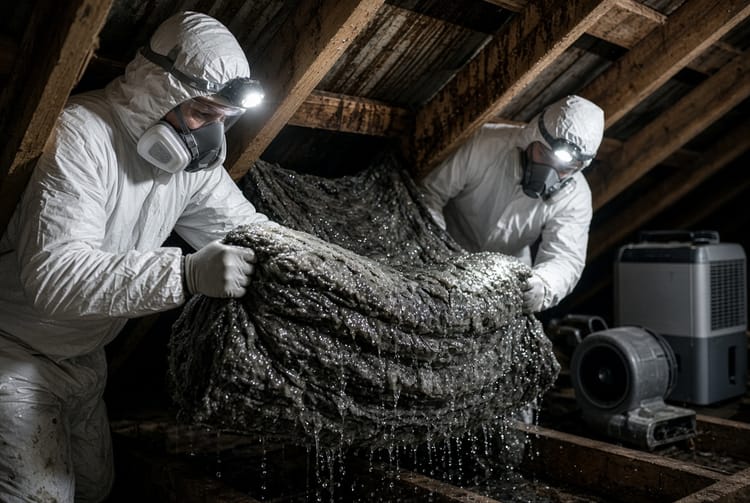
Without proper dehumidification, secondary damage like mold can begin within 24-48 hours. That's why rapid response and continuous monitoring are essential. Our teams deploy industrial-grade tools that significantly outperform DIY methods, ensuring faster and more complete drying.
Typical Drying Timelines for Common Household Materials
Drying times vary based on the extent of saturation, but here are industry-standard estimates under professional care:
- Carpet and Padding: Usually dries in 1-3 days. Carpet fibers wick moisture quickly with air movers, but padding may require removal if heavily saturated.
- Drywall: Takes 3-5 days for standard ½-inch walls. Moisture meters help confirm when it's safe to proceed with repairs.
- Wood Flooring and Structural Wood: Requires 5-10 days. Hardwoods and framing lumber absorb deeply, necessitating careful monitoring to prevent warping or rot.
- Concrete Floors and Foundations: Can take 1-2 weeks or longer. Concrete is dense and holds moisture, often needing extended dehumidification.
These timelines assume professional intervention. Attempting to dry without equipment can double or triple the time while increasing risks.
Factors That Influence Drying Speed
Several variables determine how quickly your home returns to a dry, safe condition:
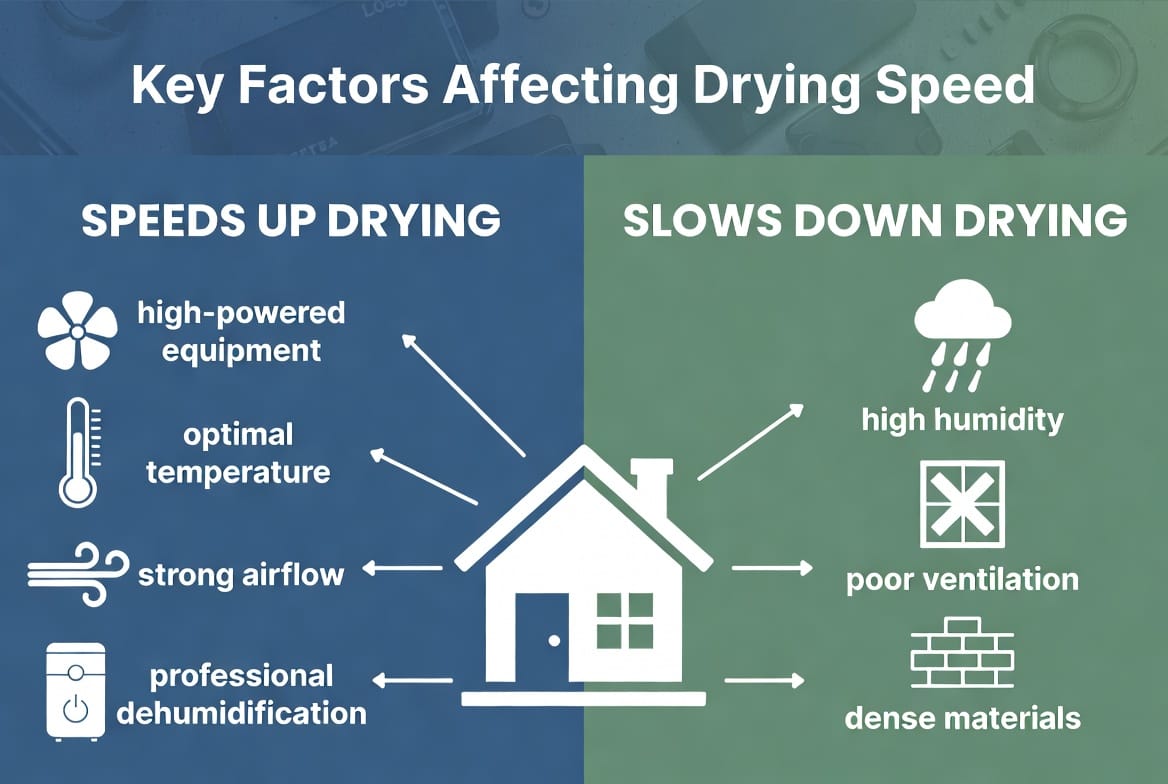
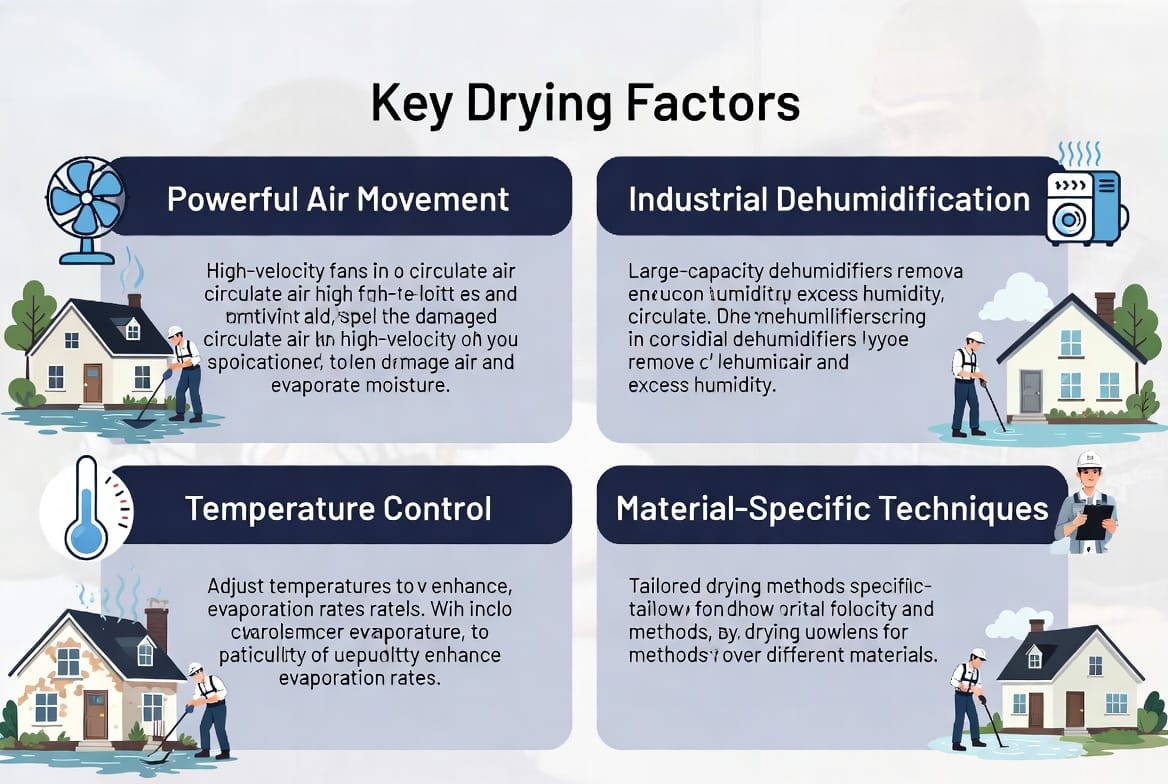
- Equipment Quality and Quantity: High-capacity dehumidifiers and air movers create optimal conditions for evaporation. Professional setups often include hundreds of cubic feet per minute of airflow.
- Ambient Humidity and Temperature: Ideal drying occurs at 70-80°F with low humidity. Our teams use heaters and dehumidifiers to maintain these levels.
- Material Type and Porosity: Porous materials like carpet dry faster than dense ones like concrete or thick wood.
- Extent of Water Damage: Clean water from a supply line dries quicker than contaminated floodwater, which may require additional sanitation steps.
- Airflow and Ventilation: Strategic placement of equipment ensures moisture is pulled from hidden areas like behind walls or under floors.
- Initial Moisture Content: Heavily saturated structures take longer than those with surface-level exposure.
By addressing these factors systematically, professionals can often achieve results at the lower end of the timeline ranges.
Step-by-Step Professional Drying Process
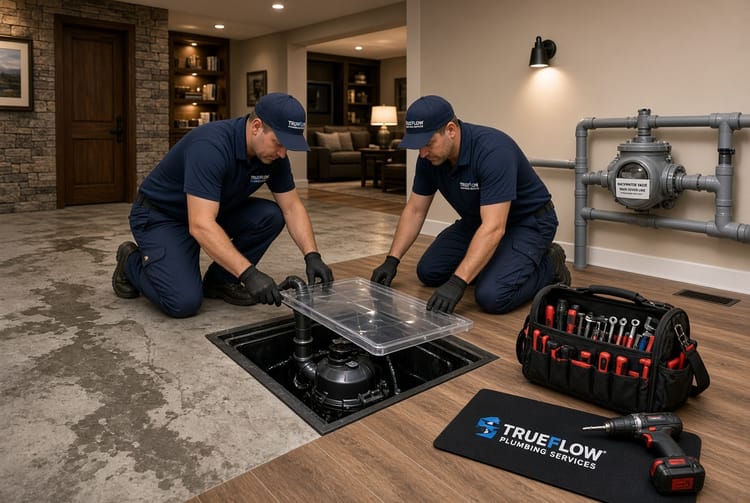
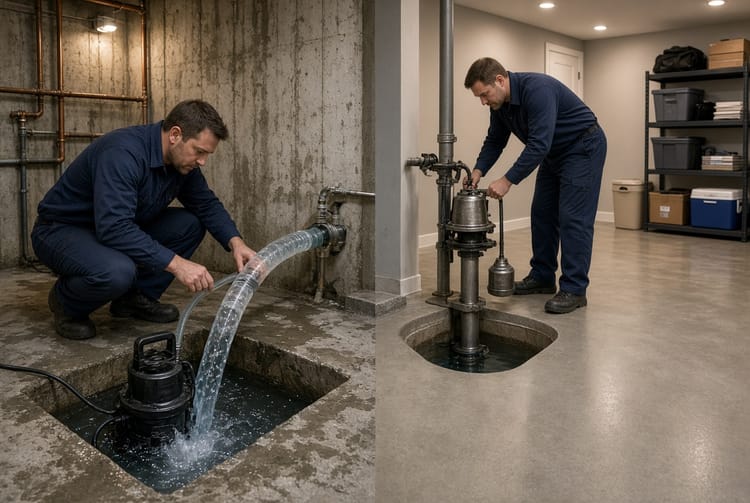
- Rapid Water Extraction: Technicians remove standing water using powerful pumps and extractors within hours of arrival.
- Moisture Assessment: Advanced tools measure moisture in walls, floors, and ceilings to create a targeted drying plan.
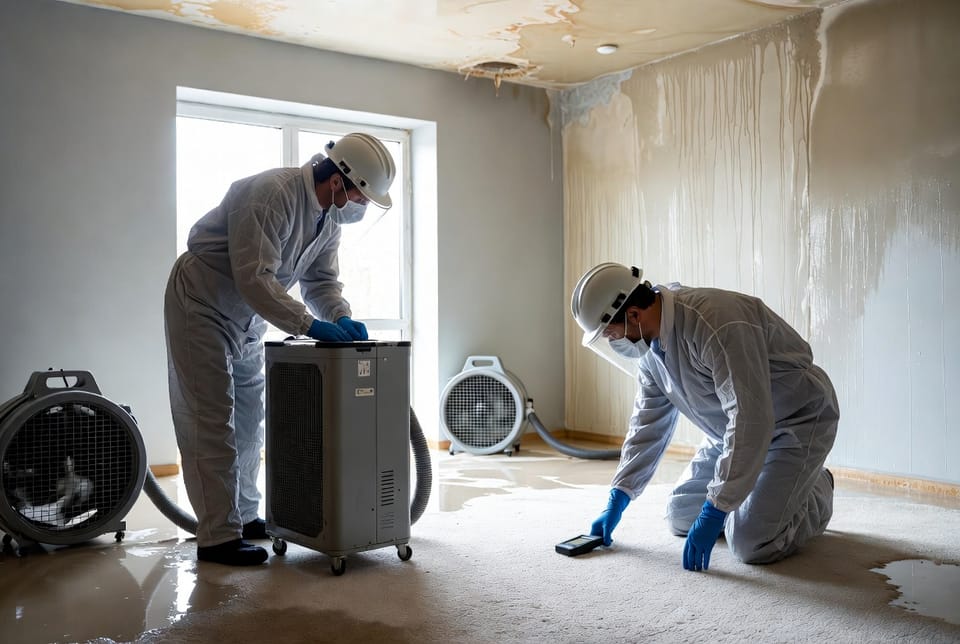
- Equipment Deployment: Air movers, dehumidifiers, and monitoring devices are positioned for maximum efficiency.
- Daily Monitoring: Teams check progress multiple times daily, adjusting equipment as needed.
- Final Verification: Only when moisture levels match normal dry conditions do we approve the space for repairs or rebuilding.
This methodical approach minimizes disruption while maximizing effectiveness.
Why Professional Dehumidification Beats DIY Efforts
Many homeowners try fans and open windows, but these methods are insufficient for significant flooding. Professional post-flood dehumidification uses psychrometric principles to control the environment precisely.
Key benefits include:
- Faster overall drying times
- Reduced risk of mold and mildew growth
- Prevention of structural weakening
- Documentation for insurance claims
- Peace of mind knowing hidden moisture is addressed
Relying on experts ensures your home is thoroughly dried, not just surface-dry.
Common Challenges and How Experts Overcome Them
High humidity seasons can slow drying. Dense building materials or poor access to affected areas add complexity. Contaminated water introduces health concerns requiring specialized cleaning alongside drying.
Our restoration specialists are trained to handle these challenges. We coordinate with your insurance provider and maintain clear communication throughout the process, keeping you informed of progress toward full restoration.
Long-Term Benefits of Proper Drying Timelines
Investing time in thorough dehumidification protects your family's health and your property's value. Rushing the process or cutting corners often leads to recurring issues months later. Patience during the recommended timelines pays dividends through a safer, more durable home.
Signs Your Home Needs Professional Water Damage Restoration
If you notice persistent dampness, musty odors, warped floors, or discolored walls, contact experts immediately. Early intervention can shorten overall recovery time significantly.
Drying takes time, but with professional guidance, you can trust the process. Be patient as your home returns to normal. For expert post-flood dehumidification and rapid response. Our team stands ready to assess your situation and restore your home efficiently.
Additional Considerations for Faster Recovery
- Insurance Coordination: Documenting drying progress helps streamline claims.
- Preventive Measures: After drying, consider moisture barriers or improved ventilation.
- Health and Safety: Proper drying reduces allergens and improves indoor air quality.
- Seasonal Variations: Winter drying may require supplemental heat; summer humidity demands stronger dehumidifiers.
Understanding these nuances helps set realistic expectations.
The Importance of Monitoring and Documentation
Throughout the drying phase, certified technicians use infrared cameras and moisture meters to track progress. This data not only guides adjustments but also provides valuable records for your records and insurance purposes.
Restoring Peace of Mind After Water Damage
Flooding disrupts lives, but professional restoration brings order. By following proven drying timelines and leveraging advanced dehumidification technology, we help families reclaim their homes quickly and safely.
Remember, every hour counts in the early stages, but steady progress over the necessary days ensures lasting results. Our authoritative approach combines science, experience, and care to deliver exceptional outcomes.
Start Professional Drying Today – Call Now