The Post-Fire Cleanup Dumpster: Removing Burnt Debris
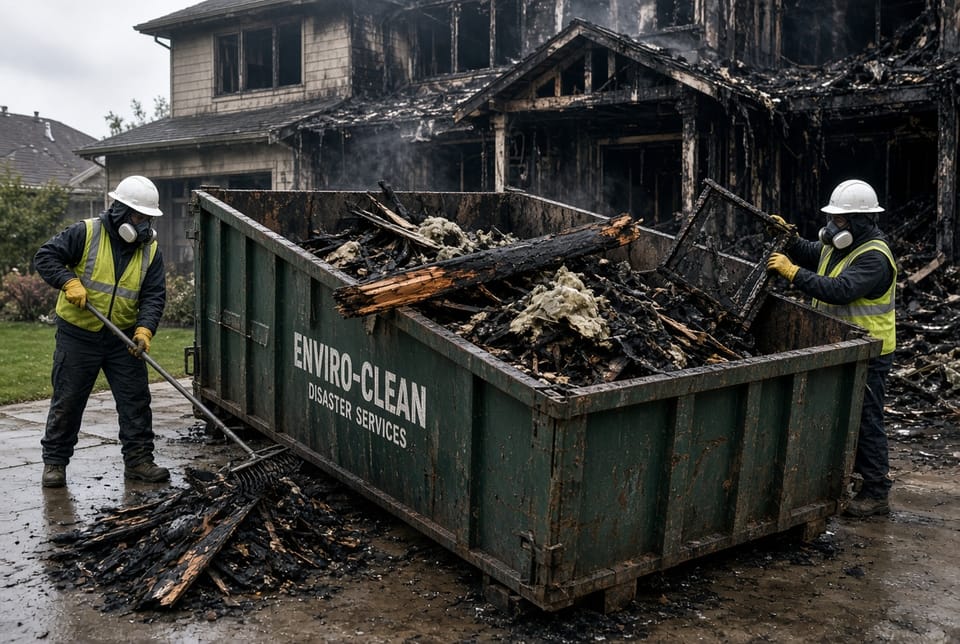
After a fire, the visible flames may be extinguished, yet the real work of recovery has only just begun. Burnt materials, collapsed structures, and contaminated belongings transform a once-safe space into a hazardous zone that demands immediate, organized action. A post-fire cleanup dumpster stands as one of the most essential tools in this process. It provides a secure, regulated container for the safe removal of everything from charred wood and melted plastics to structural remnants and personal items damaged beyond repair. Without proper debris management, residual toxins, unstable piles, and environmental risks can linger for weeks or months, delaying rebuilding and endangering health.
Call Now for Fast, Safe Structural Debris Removal Dumpsters
This guide explains exactly how dumpsters support disaster recovery after fires. It covers the types of materials they handle, critical considerations for hazard removal such as asbestos and lead, the importance of careful sorting, and practical steps for efficient use. Written for homeowners, property managers, and recovery coordinators, the information remains clear, actionable, and focused on restoring safety and order.
Understanding the Scale of Post-Fire Debris
Fires generate far more waste than everyday household trash. High temperatures alter materials chemically and physically. Wood turns to charcoal and ash. Plastics melt into toxic residues. Metals warp. Drywall crumbles. Insulation becomes friable and airborne. Structural components—roofing, flooring, framing—often fail and create large volumes of heavy debris.
A dedicated post-fire cleanup dumpster accommodates this volume. Standard household bins or temporary piles simply cannot contain the sheer quantity or the specialized handling requirements. Professional-grade dumpsters used in disaster recovery typically range from 10 to 40 cubic yards. They feature reinforced walls, secure covers, and weight capacities suited to dense, water-soaked, or ash-laden materials.
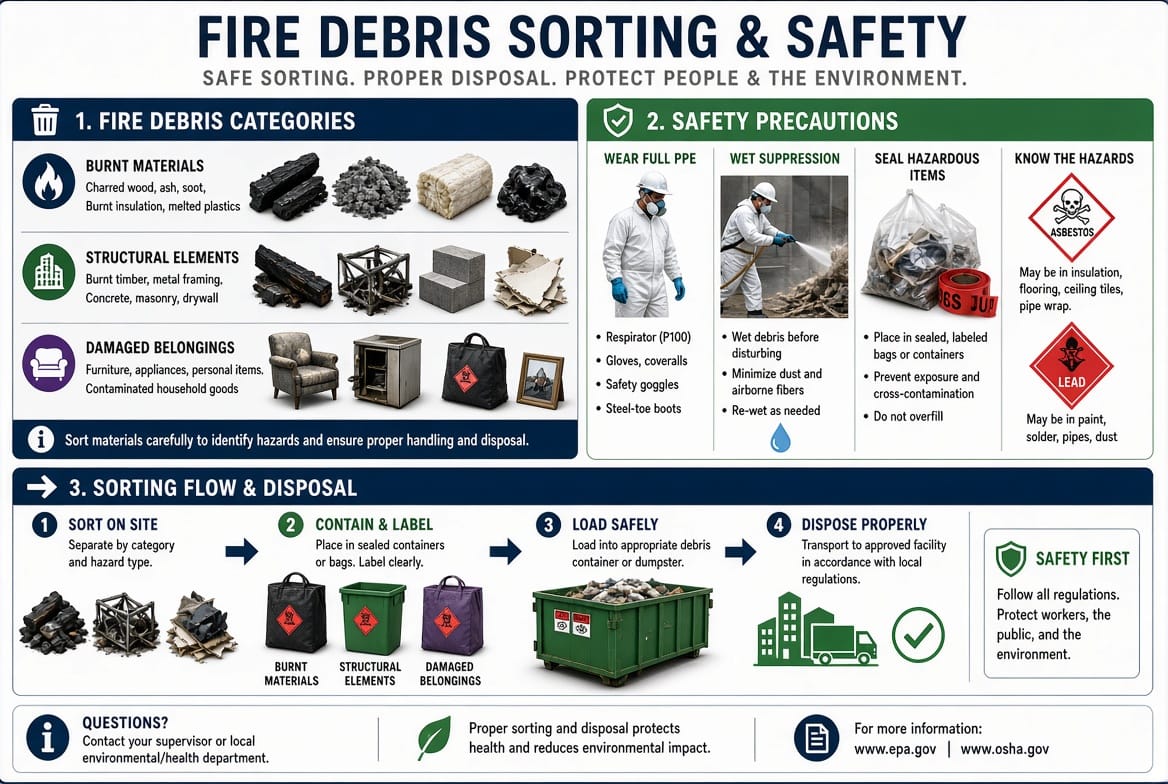
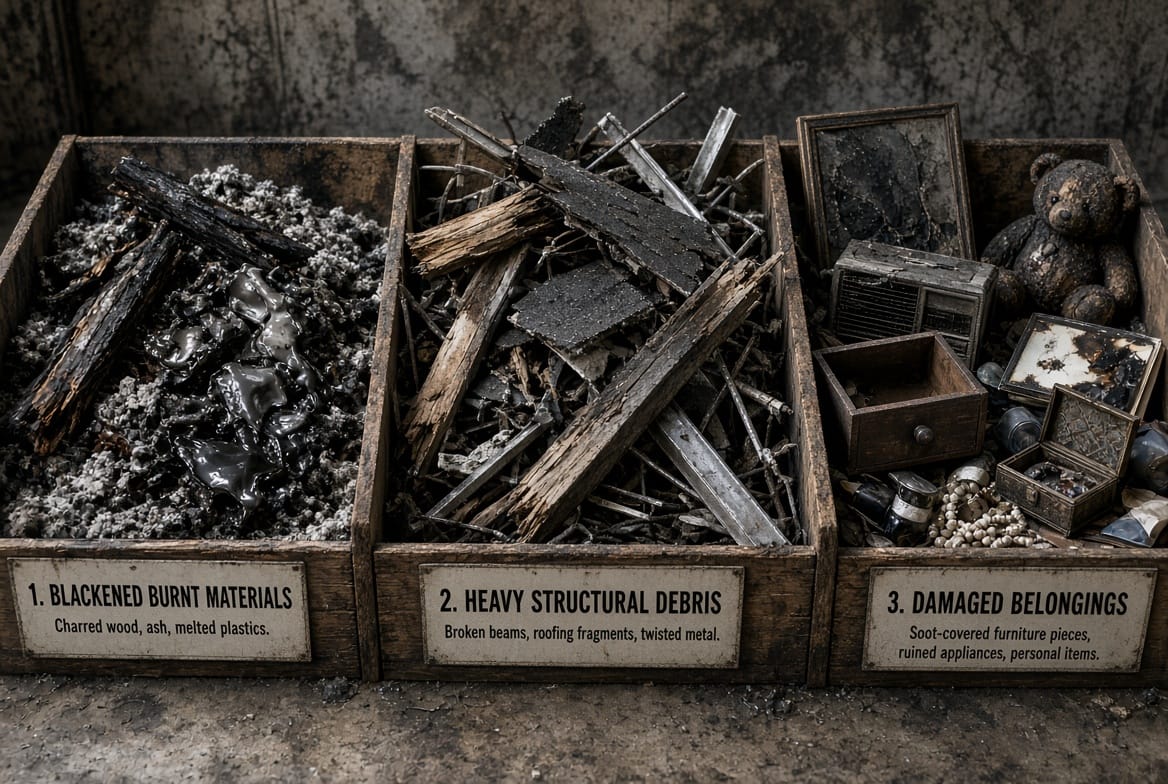
The primary categories of debris include:
- Burnt materials: Ash, charcoal, carbonized wood, melted synthetics, and soot-covered surfaces.
- Structural debris: Collapsed beams, roofing sections, damaged walls, flooring remnants, and foundation fragments.
- Damaged belongings: Furniture, appliances, electronics, clothing, documents, and personal items that cannot be salvaged.
Removing these items promptly prevents secondary problems such as mold growth from firefighting water, continued off-gassing of toxins, and physical hazards from unstable piles.
How Dumpsters Streamline Fire Debris Removal
The presence of a properly sized dumpster on-site changes the entire cleanup dynamic. Instead of making repeated trips to disposal facilities or leaving debris scattered, crews can work continuously. Materials move directly from the damaged structure into the container, reducing exposure time for workers and minimizing the spread of contaminants across the property.
Key advantages include:
- Efficient volume management: Large dumpsters handle the bulk of debris in one placement, cutting transportation costs and time.
- Controlled containment: Lids and tarps prevent ash and particles from becoming airborne or washing into storm drains.
- Regulatory compliance: Licensed dumpster providers coordinate with local waste authorities to ensure proper disposal routes.
- Site safety improvement: Clearing pathways and open areas reduces trip hazards and allows inspectors and rebuilders access sooner.
In practice, crews often stage the dumpster near the most heavily damaged section of the building. They then work outward, systematically clearing rooms, attics, and exterior areas. This methodical approach keeps the process organized and reduces the chance of overlooking hidden hazards.
Critical Considerations for Hazard Removal
Not all post-fire debris is ordinary waste. Certain materials require specialized handling because of inherent or fire-released toxins. Two of the most significant concerns are asbestos and lead.
Asbestos was commonly used in older homes for insulation, flooring, roofing, and pipe wrapping. When intact, it poses limited risk. Fire, however, can disturb these materials, releasing microscopic fibers into the air and onto surfaces. Inhalation of these fibers carries long-term health consequences. Lead, found in older paints, pipes, and some building components, can vaporize or flake during intense heat and settle as toxic dust.
Other potential hazards include:
- Chemical residues from burned household products
- Heavy metals from electronics and wiring
- Contaminated ash that may contain polycyclic aromatic hydrocarbons
- Biohazards if the fire involved organic materials or animal remains
Professional post-fire cleanup teams treat these risks with strict protocols. Before any loading begins, certified inspectors often test suspect materials. When asbestos or lead is confirmed, the debris is handled under regulated procedures. Workers wear appropriate personal protective equipment, wet methods control dust, and the materials are sealed in designated containers or double-bagged before placement in the dumpster.
A standard construction dumpster is rarely appropriate for confirmed hazardous waste. Instead, providers supply containers that meet specific labeling and transport requirements. The dumpster company coordinates with licensed hazardous waste facilities so that the material never enters the regular landfill stream. This separation protects both public health and the environment.
Homeowners should never attempt to identify or handle suspected asbestos or lead themselves. Disturbing these materials without proper training can spread contamination and create liability. Always engage qualified disaster recovery professionals who understand local regulations and testing requirements.
The Importance of Sorting for Proper Disposal
Dumpsters do more than hold debris—they enable intelligent sorting that determines final disposal methods. Mixed loads can be rejected by landfills or incur higher fees. Worse, improper mixing can cause hazardous materials to contaminate otherwise recyclable or non-hazardous waste.
Effective sorting typically follows these priorities:
- Separate hazardous materials (asbestos-containing items, lead-painted surfaces, chemical residues) for specialized disposal.
- Isolate recyclable metals such as copper wiring, steel beams, and appliances that may still hold value.
- Group clean wood or untreated lumber that some facilities accept for mulch or energy recovery.
- Contain general burnt debris and non-recyclable ash for landfill or incineration according to local rules.
- Set aside salvageable personal items that can be cleaned or restored, keeping them out of the dumpster entirely.
On larger projects, crews may use multiple containers or temporary staging areas. One dumpster might receive only structural debris, another mixed ash and non-recyclables, and a third reserved for confirmed hazardous waste. This approach maximizes recovery rates and keeps costs predictable.
Sorting also supports insurance documentation. Clear photographs of segregated piles, weight tickets from the dumpster company, and detailed manifests help substantiate claims. Many insurers require proof that debris was handled according to environmental standards.
Practical Steps for Using a Post-Fire Cleanup Dumpster
Successful deployment follows a logical sequence:
- Assessment and permitting: After the fire department releases the site, a professional assessment identifies volume, hazards, and access points. Local permits for dumpster placement on streets or driveways are obtained if needed.
- Dumpster selection and delivery: Choose a size based on the estimated cubic yardage. Providers deliver the container and position it for efficient loading while protecting remaining landscaping or pavement.
- Site preparation: Tarps or plastic sheeting may cover sensitive areas. Pathways are cleared for safe movement of materials.
- Loading protocol: Workers load systematically, keeping hazardous items separate. Overfilling is avoided; lids remain closed when the dumpster is not actively in use.
- Ongoing monitoring: Daily checks ensure no unauthorized dumping occurs and that weather does not create runoff issues.
- Removal and documentation: Once full or when the job reaches a stopping point, the provider hauls the dumpster away. Weight tickets and disposal certificates are supplied for records.
Throughout the process, communication between the homeowner, cleanup contractor, and dumpster company remains essential. Unexpected discoveries—such as hidden asbestos in an attic or additional structural collapse—can require mid-project adjustments in container type or capacity.
Environmental and Regulatory Responsibilities
Modern waste regulations treat post-fire debris with increasing scrutiny. Many jurisdictions classify certain fire residues as special waste. Dumpster providers must hold the correct licenses and maintain relationships with approved disposal facilities. Choosing a company experienced in disaster recovery ensures compliance and reduces the risk of fines or delayed cleanup.
Environmentally, proper dumpster use prevents ash and contaminants from entering soil and waterways. Covered containers minimize wind-blown particles. Lined or sealed units protect against leachate. These practices align with broader goals of responsible disaster response.
Supporting Emotional and Practical Recovery
Beyond the physical removal of debris, a well-managed dumpster contributes to psychological recovery. Seeing the property gradually cleared of blackened remnants restores a sense of control. Families can begin planning reconstruction once the site is safe and empty. Contractors can more accurately estimate rebuild costs when debris no longer obscures the structure.
Insurance adjusters also benefit from clear, documented debris removal. Transparent processes reduce disputes and speed claim resolution.
Choosing the Right Partner for Dumpster Services
Not every dumpster rental company is equipped for post-fire work. Look for providers who:
- Offer experience with disaster and fire recovery projects
- Supply containers suitable for both general and hazardous materials
- Coordinate testing and specialized disposal when needed
- Provide transparent pricing that accounts for weight, contamination surcharges, and haul distance
- Maintain strong safety records and trained staff
Ask about their process for handling potential asbestos or lead. Confirm they can supply the necessary manifests and certificates. A reliable partner becomes an extension of the recovery team rather than a simple equipment supplier.
Long-Term Benefits of Thorough Debris Removal
Completing post-fire cleanup with the help of a properly managed dumpster yields lasting advantages. The property becomes safer for future occupancy or sale. Residual contamination risks drop significantly. Rebuild timelines shorten because the foundation and remaining structure can be evaluated without obstruction. Neighbors and the surrounding community also benefit from the reduction of airborne particles and visual blight.
In multi-unit buildings or commercial properties, rapid debris removal limits business interruption and protects adjacent units. Municipalities appreciate the orderly process that avoids illegal dumping or prolonged eyesores.
Final Considerations for Homeowners
Every fire presents unique challenges based on the building age, contents, fire intensity, and response methods used by firefighters. Water damage from suppression efforts often compounds the debris volume. Smoke penetration into wall cavities may require additional demolition. These variables make professional guidance indispensable.
Start with a thorough inspection. Document everything for insurance. Engage a cleanup team that understands both the practical and regulatory sides of debris removal. Secure a dumpster sized and equipped for the specific materials present. Maintain clear communication at every stage.
The process may feel overwhelming in the immediate aftermath, yet methodical progress yields visible results. Each load of debris that leaves the site brings the property one step closer to recovery.
Post-fire debris removal requires careful handling.
Call Today for Expert Burnt Debris Removal & Dumpster Rental