The Porcelain vs. Ceramic Tile: Understanding the Difference
Choosing the right floor covering can transform any space into a durable, stylish haven. When homeowners and designers face the decision between porcelain and ceramic tile, the options often feel overwhelming. Both materials offer timeless beauty and practical performance, yet their core properties create distinct advantages for different projects. Understanding these differences empowers you to select the ideal solution that balances longevity, budget, and design goals with complete confidence.
Call Now for Durable, Long-Lasting Flooring Solutions
This comprehensive guide breaks down every critical aspect so you can move forward assured that your flooring investment will deliver lasting results.
Defining Ceramic Tile
Ceramic tile has long served as a reliable choice for residential and light commercial applications. Manufactured primarily from natural clay mixed with minerals, the material is shaped, dried, and fired at moderate temperatures in a kiln. This process produces a tile that remains relatively porous compared to denser alternatives.
The resulting product feels familiar underfoot and accepts a wide range of glazes and surface designs. Because the firing temperature stays lower, production costs remain accessible, making ceramic tile an economical option for many property owners. Its surface can feature intricate patterns, vibrant colors, or subtle textures that complement almost any interior style.
Key characteristics include moderate hardness and a structure that allows some moisture interaction. These traits influence where the material performs best and how it should be maintained over time.
Defining Porcelain Tile
Porcelain tile represents an advanced evolution of traditional tile technology. Crafted from refined clay combined with finely ground sand and other minerals, the mixture undergoes firing at significantly higher temperatures. This intense heat creates an exceptionally dense body with minimal voids.
The denser composition delivers superior strength and resistance to everyday wear. Porcelain achieves a refined, stone-like appearance while maintaining the practical benefits of a manufactured product. Many varieties are available in large formats, rectified edges, and through-body coloring that hides chips more effectively.
Homeowners seeking floors that withstand heavy foot traffic, moisture exposure, or temperature fluctuations frequently turn to this material for its proven reliability.
Core Differences in Density and Structure
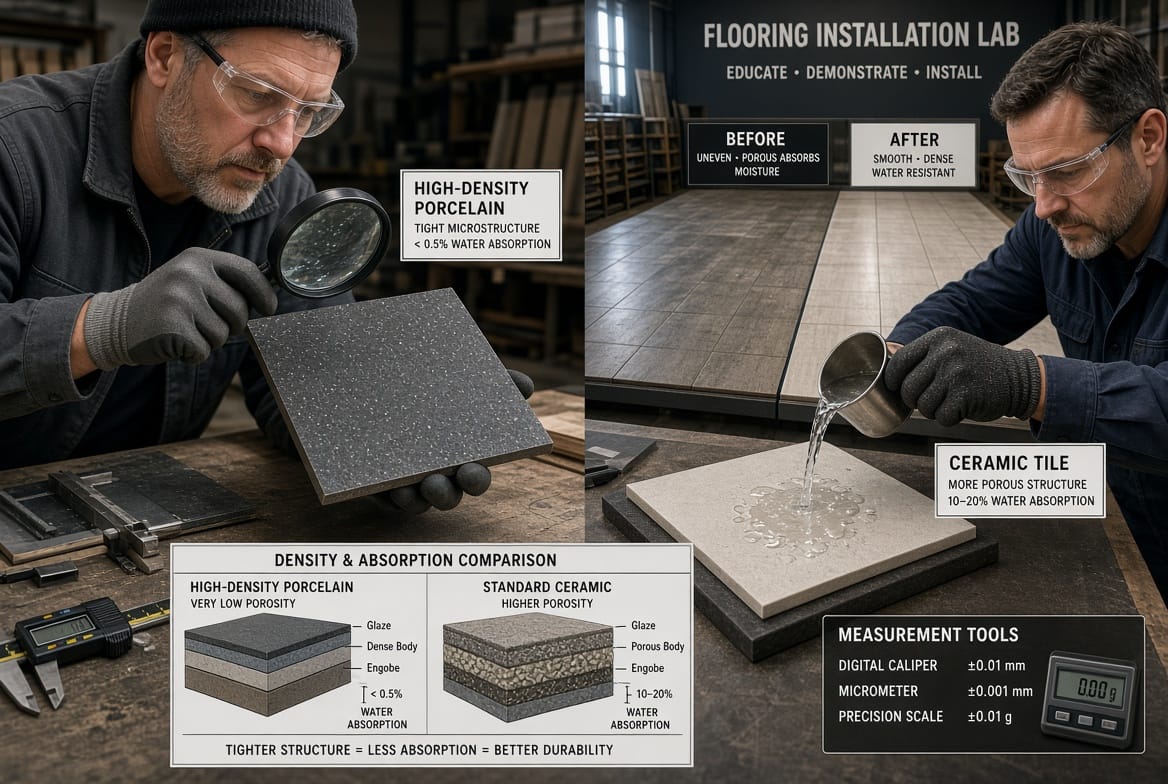
Density forms the foundation of performance differences between the two materials. Porcelain tile packs more material into the same volume because of the refined ingredients and higher firing temperatures. The result is a body that feels solid and resists penetration.
In contrast, ceramic tile retains a more open internal structure. This lower density contributes to its lighter weight and easier handling during installation, yet it also means the tile can absorb more moisture when the glaze layer is compromised.
These structural variations directly affect long-term behavior under real-world conditions. Selecting the denser option often provides greater peace of mind in demanding environments.
Water Absorption Rates Explained
Water absorption stands as one of the most decisive technical distinctions. Industry standards measure this property by calculating the percentage of water a tile can take in relative to its weight.
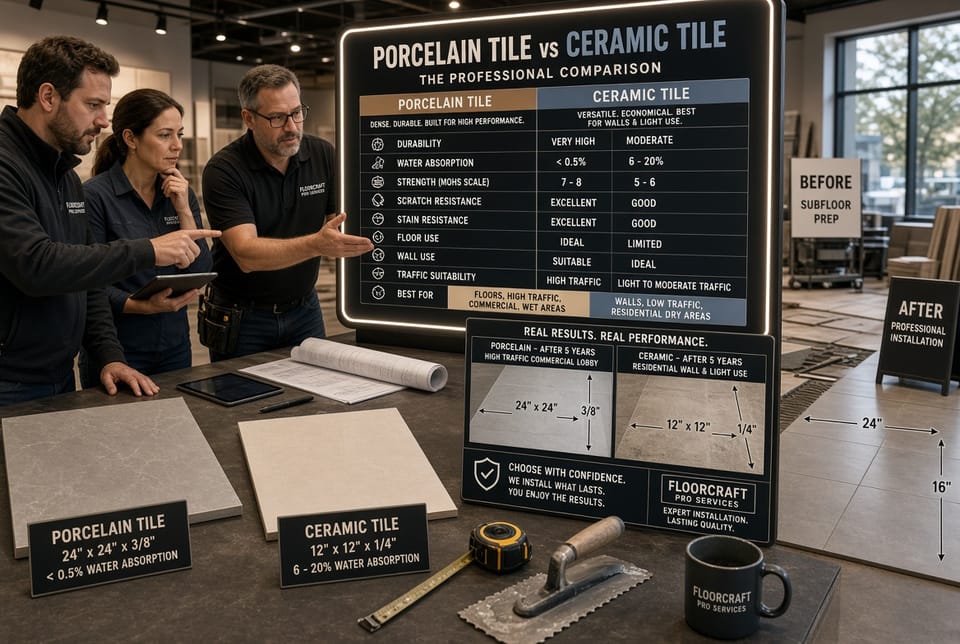
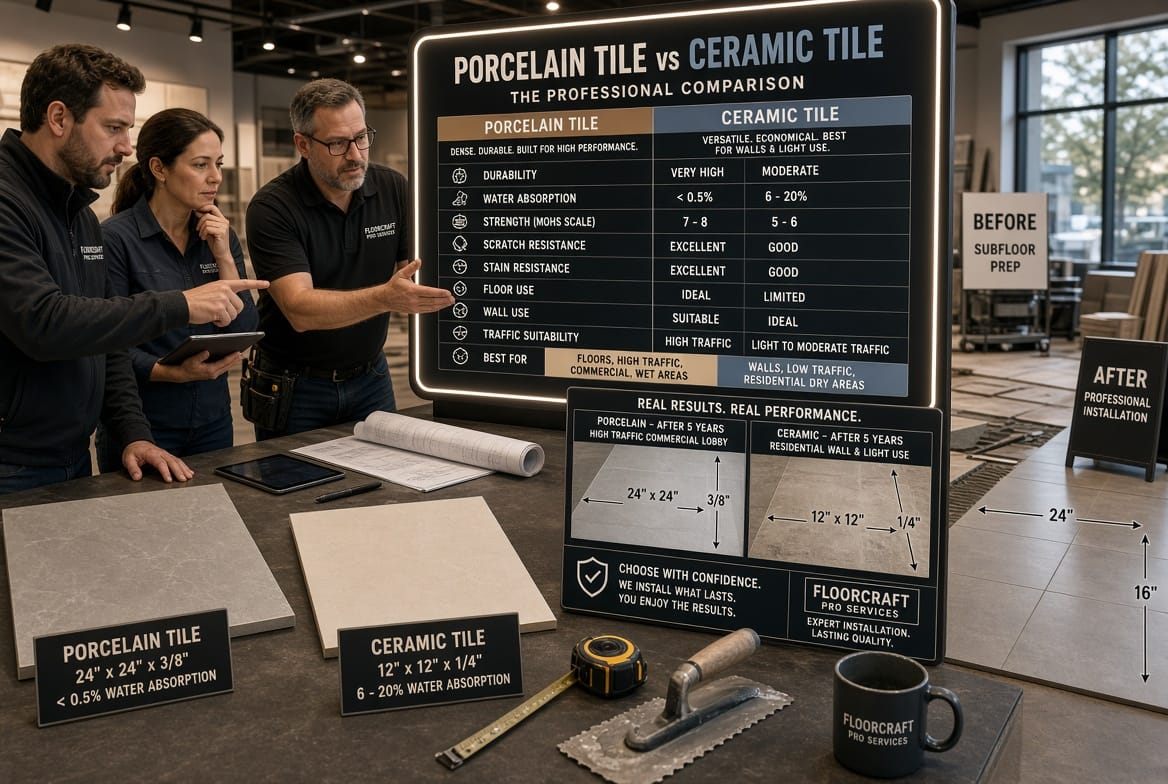
Porcelain tile typically absorbs less than 0.5 percent water. This extremely low rate qualifies many products as frost-resistant and suitable for exterior use or wet interior zones. The tight molecular structure leaves little room for liquid to enter, protecting the tile from freeze-thaw damage, staining, and structural weakening.
Ceramic tile, by comparison, usually absorbs between 0.5 percent and 3 percent or more, depending on the specific formulation. The higher porosity means moisture can migrate into the body more readily if the protective glaze becomes scratched or if edges remain exposed. In consistently damp areas this characteristic can lead to issues over extended periods.
Understanding absorption rates helps match the material to the moisture level of the intended space, ensuring the finished floor remains stable and attractive for years.
Durability and Everyday Performance
Durability determines how well a floor holds up against daily life. Porcelain tile earns high marks for resistance to scratching, chipping, and heavy loads. Its dense body handles furniture movement, pet activity, and frequent foot traffic without showing wear as quickly. Many products carry elevated PEI ratings that confirm suitability for commercial or high-traffic residential settings.
Ceramic tile performs admirably in moderate-use areas. It resists normal household activity yet can show surface wear sooner under intense conditions. The less dense structure makes it more susceptible to impact damage from dropped objects. For spaces with lighter demands, however, this material still delivers reliable service at a more approachable price point.
Both options benefit from proper installation over a stable substrate. When installed correctly, each material contributes to a safe, easy-care surface that supports healthy indoor environments.
Cost Considerations and Value
Budget often influences the final selection. Ceramic tile generally carries a lower purchase price because of simpler raw materials and less energy-intensive production. This accessibility allows larger coverage areas or more elaborate design patterns within the same financial envelope.
Porcelain tile commands a higher initial investment reflecting its superior density, refined manufacturing, and enhanced performance features. Over the lifespan of the floor, however, the reduced need for repairs or early replacement frequently offsets the upfront difference. Property owners who prioritize longevity often view the denser option as the stronger long-term value.
Additional factors such as installation labor, underlayment requirements, and maintenance products should enter the overall calculation. Professional assessment of the complete project scope reveals the true cost comparison tailored to each unique situation.
Ideal Applications for Ceramic Tile
Ceramic tile shines in interior locations that experience moderate traffic and limited moisture exposure. Common successful uses include:
- Residential bathroom walls where vertical surfaces face less wear
- Kitchen backsplashes that benefit from easy cleaning and design variety
- Accent walls or decorative features in living areas
- Low-traffic powder rooms and guest spaces
- Interior wainscoting or fireplace surrounds
These applications leverage the material’s aesthetic flexibility and cost efficiency while avoiding environments that challenge its higher porosity. When moisture levels stay controlled and foot traffic remains light to moderate, ceramic provides an attractive, functional solution that many homeowners appreciate.
Ideal Applications for Porcelain Tile
Porcelain tile excels wherever greater demands exist. Recommended placements encompass:
- High-traffic residential floors including entryways, kitchens, and family rooms
- Commercial lobbies, retail spaces, and office corridors
- Exterior patios, pool decks, and walkways in freeze-thaw climates
- Wet-area floors such as showers, mudrooms, and laundry rooms
- Large open-plan living spaces requiring uniform, durable surfaces
The low water absorption and exceptional hardness make porcelain the preferred choice for these challenging conditions. Designers also favor its ability to mimic natural stone or wood while offering greater consistency and easier care.
Installation Insights for Optimal Results
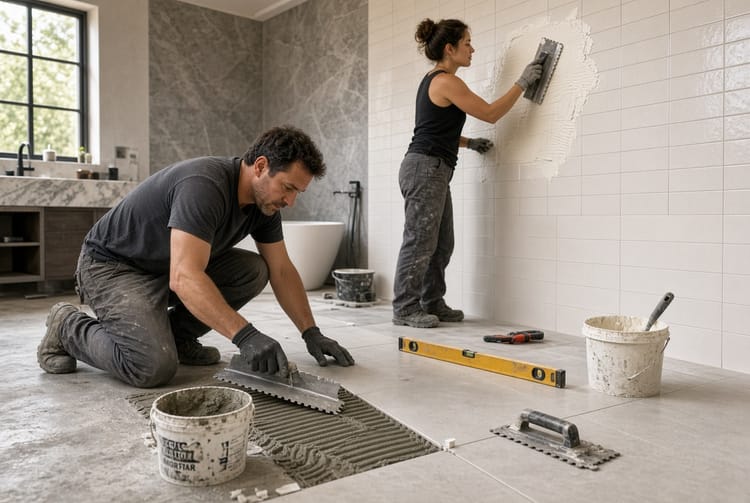
Proper installation maximizes the strengths of either material. Both porcelain and ceramic require a clean, level substrate free of movement. Thin-set mortar formulated for the specific tile type ensures strong adhesion. Larger-format porcelain pieces often benefit from specialized large-and-heavy-tile mortars that prevent lippage.
Grout selection matters equally. Epoxy or high-performance cementitious grouts resist staining and moisture more effectively, particularly with the denser material. Expansion joints accommodate natural building movement and protect the finished surface.
Engaging experienced installers familiar with both products reduces the risk of future problems and delivers a professional appearance that enhances property value.
Maintenance Practices That Preserve Appearance
Routine care remains straightforward for both materials. Sweeping or vacuuming removes abrasive dirt that could scratch the surface. Damp mopping with a pH-neutral cleaner restores shine without damaging the glaze or body.
Porcelain tile generally requires less intensive attention because its low porosity resists deep staining. Spills wipe away more readily, and the denser structure withstands occasional aggressive cleaning when necessary.
Ceramic tile benefits from prompt attention to spills, especially in areas where the glaze might wear over time. Sealing the grout lines protects against discoloration in both cases. Avoid harsh acids or abrasive pads that could compromise the finish.
With consistent simple habits, either floor continues looking fresh and inviting for decades.
Design Flexibility and Aesthetic Options
Today’s marketplace offers expansive design freedom. Ceramic frequently features bold patterns, hand-painted effects, and glossy finishes that create focal points. Its lighter weight supports easier handling for intricate wall layouts.
Porcelain delivers highly realistic reproductions of marble, wood, concrete, and slate. Through-body color and rectified edges produce nearly seamless large-scale installations. Matte, polished, and textured surfaces accommodate both contemporary minimalism and traditional elegance.
Color consistency, size availability, and edge treatments further differentiate the two. Coordinating with existing architecture and personal style ensures the selected material enhances rather than competes with the overall design vision.
Environmental and Health Considerations
Both materials contribute positively to healthy interiors when properly installed. They emit no volatile organic compounds after curing and resist mold growth better than many organic flooring types. The dense nature of porcelain further limits potential for microbial activity in damp zones.
Recycled content appears in many modern formulations, and both products can contribute to sustainable building goals. Longevity itself represents an environmental advantage by reducing the frequency of replacement and associated resource use.
Making the Confident Choice for Your Project
The decision ultimately rests on matching material properties to the specific demands of the space. High-moisture, high-traffic, or exterior applications generally favor the denser, less absorbent porcelain tile. Interior walls, light-traffic floors, and budget-conscious decorative projects often succeed beautifully with ceramic tile.
Evaluating traffic patterns, moisture exposure, design preferences, and long-term ownership plans clarifies the optimal path. Professional guidance streamlines this evaluation and uncovers options that might otherwise remain overlooked.
Final Thoughts on Lasting Flooring Success
Selecting between porcelain and ceramic tile need not feel complicated once the fundamental differences in density, water absorption, durability, and application suitability become clear. Each material offers distinct strengths that, when properly matched to the project, create floors and surfaces that perform reliably and look exceptional year after year.
Investing time in understanding these characteristics protects your home or commercial space against premature wear and unnecessary expense. The right choice supports both daily comfort and long-term property value.
Choose the right tile for your project. Our experienced team stands ready to discuss available options, answer detailed questions, and help you select the material that best fits your unique requirements.
Find Your Perfect Tile Match – Call for a Free Consultation