The Pine Flooring Finishes: Natural, Stained, and Distressed
Pine flooring has earned a lasting place in homes that value warmth, character, and approachable elegance. Its soft grain, light color, and receptive surface make it uniquely suited to a range of finishing techniques. When homeowners choose pine flooring finishes, they are not simply protecting the wood—they are defining the entire atmosphere of a room. Three primary options stand out: the natural finish that celebrates the wood’s inherent beauty, the stained finish that introduces rich color and depth, and the distressed finish that delivers instant rustic charm. Understanding how pine accepts each treatment, why its softness is an advantage, and how these looks align with popular rustic and farmhouse styles allows anyone to select the perfect surface with confidence.
Call Today for the Ideal Pine Flooring Finish
Understanding Pine’s Unique Relationship with Finishes
Pine is a softwood, meaning its cellular structure is more open and less dense than hardwoods such as oak or maple. This quality allows finishes to penetrate evenly and bond securely. A clear natural finish soaks into the grain without altering the pale, golden tones that many people love. Stains enter the porous surface readily, producing consistent color that still lets the distinctive knots and growth rings show through. Distressed techniques—hand-scraping, wire-brushing, or controlled denting—work especially well because the softer fibers yield gracefully rather than splintering. The result is a surface that feels authentic rather than forced.
Because pine is softer, it also dents more easily under heavy furniture or high-heel traffic. A high-quality finish, however, creates a protective film that significantly reduces surface wear. Modern water-based and oil-modified urethanes form a resilient barrier while remaining flexible enough to move with the wood’s natural expansion and contraction. When applied by experienced professionals, these coatings turn pine’s softness from a potential drawback into a design asset: the floor develops a gentle, lived-in patina that many homeowners find more appealing than the rigid perfection of harder species.
The Natural Finish: Letting Pine Speak for Itself
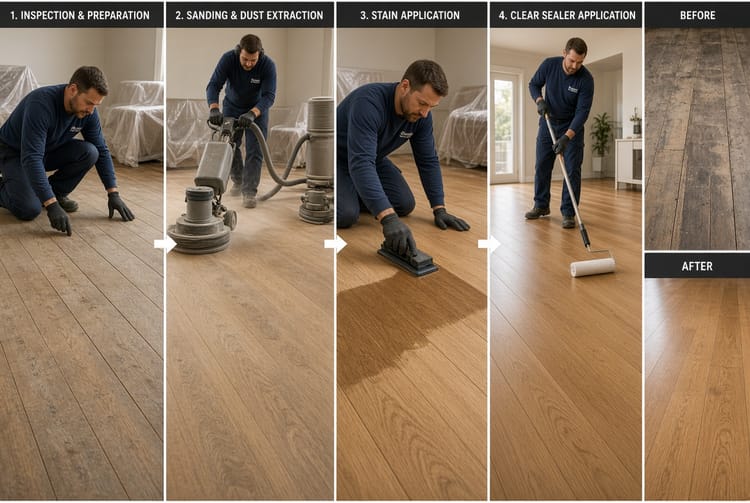
A natural finish—often called a clear coat—enhances pine’s light, airy appearance without adding pigment. The process begins with careful sanding to open the grain, followed by one or more coats of clear sealer and topcoat. The finished surface glows with a soft amber warmth that brightens rooms and pairs effortlessly with both light and dark furnishings.
Homeowners who prefer Scandinavian-inspired, coastal, or minimalist interiors frequently choose this option. The unaltered grain creates visual continuity across large open spaces, making rooms feel larger and more inviting. Because no color is introduced, any future refinishing remains straightforward; the floor can be lightly sanded and recoated without worrying about mismatched stain tones. Regular maintenance involves sweeping or vacuuming with a soft brush and occasional damp mopping with a pH-neutral cleaner. Over time the clear finish develops a subtle sheen that highlights the wood’s natural movement and character.
Stained Finishes: Color, Depth, and Personal Expression
When a room calls for richer tones, stained pine flooring delivers exceptional results. Pine’s open grain absorbs stain evenly, allowing both light honey shades and deep walnut or gray tones to settle uniformly. After the stain dries, multiple protective topcoats lock in the color and provide abrasion resistance.
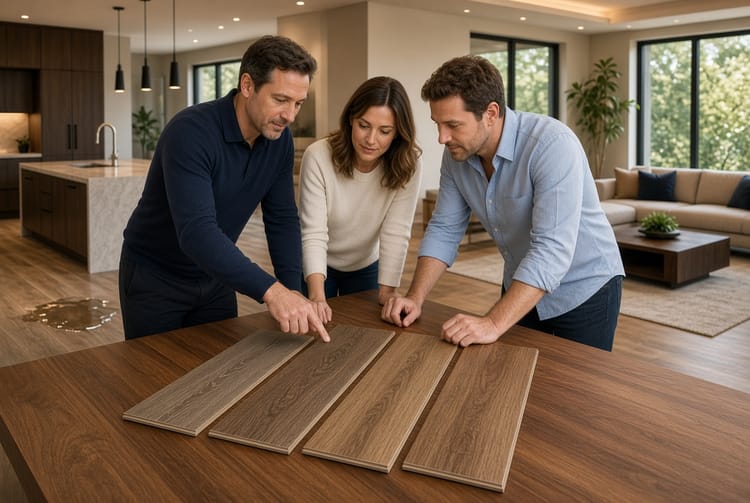
Staining opens a wide palette of design possibilities. A warm honey stain complements farmhouse kitchens filled with white cabinetry and open shelving. A cooler gray stain creates a modern rustic look that pairs beautifully with industrial metal accents. Because the stain penetrates rather than merely sitting on the surface, the color remains vibrant even after years of foot traffic. Professionals often recommend a test board in an inconspicuous area so the exact shade can be approved under the home’s actual lighting conditions. This simple step eliminates surprises and ensures the finished floor matches the homeowner’s vision perfectly.
Distressed Finishes: Embracing Character and History
Perhaps the most distinctive option is the distressed finish. Pine’s softness makes it ideal for this treatment. Artisans use specialized tools to create subtle scrapes, gentle dents, and softened edges that mimic decades of natural wear. Once the texture is established, a clear or lightly tinted finish seals the surface. The result is a floor that looks as though it has always belonged in the home—never new, never artificial.
Distressed pine is especially popular in rustic and farmhouse interiors. The irregular surface hides everyday scuffs and scratches better than a perfectly smooth floor, reducing the anxiety many people feel about maintaining softwood. Families with children and pets often appreciate this forgiving quality. The tactile variation underfoot also adds sensory interest, inviting bare feet and creating a welcoming atmosphere that polished hardwoods sometimes lack. When combined with complementary elements such as shiplap walls, reclaimed beams, or vintage rugs, distressed pine becomes the foundation of a cohesive, lived-in aesthetic.
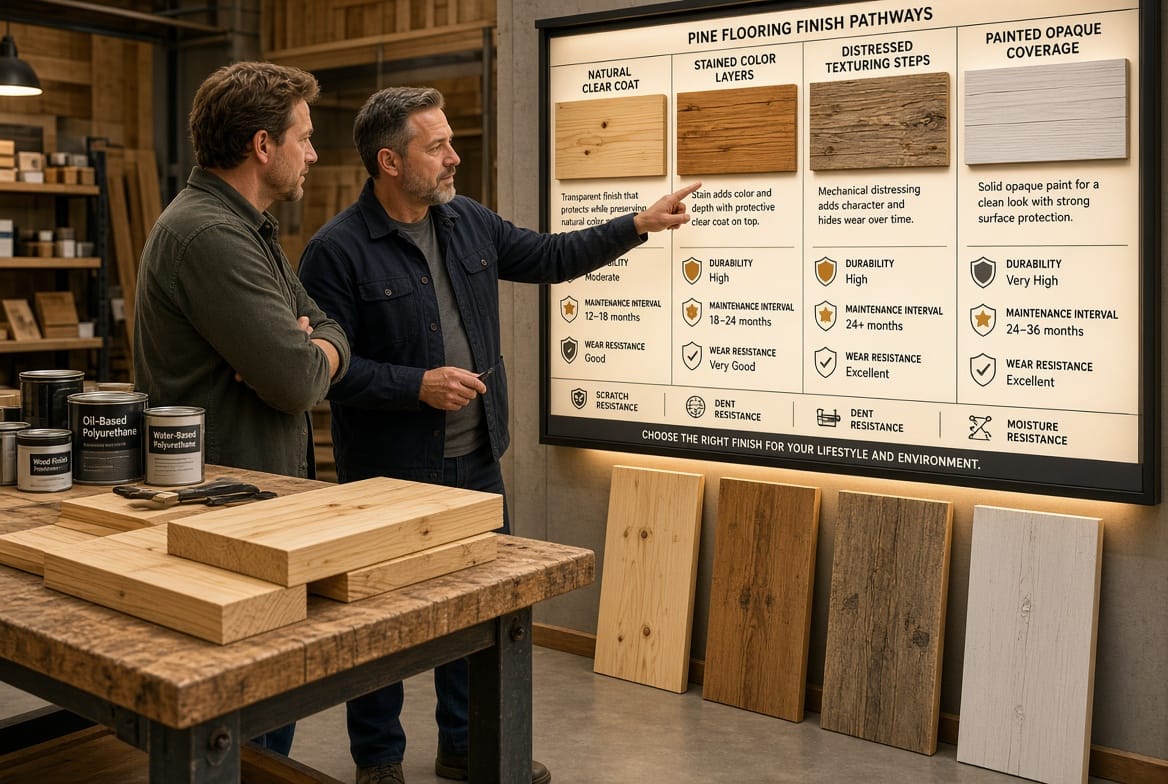
Why Pine Flourishes in Rustic and Farmhouse Styles
Rustic and farmhouse design movements celebrate authenticity, texture, and a connection to simpler times. Pine flooring supports these values in several important ways. Its visible knots and swirling grain patterns introduce organic irregularity that mass-produced materials cannot replicate. When finished naturally, the pale tones keep spaces feeling open and airy—perfect for the light-filled farmhouse ideal. Stained versions add the warmth of aged timber without requiring actual reclaimed wood. Distressed treatments supply the timeworn character that defines true rustic interiors.
Beyond aesthetics, pine’s relative affordability compared with many hardwoods makes it practical for large open-concept floor plans common in modern farmhouse builds. The softwood also pairs beautifully with other natural materials—stone fireplaces, linen textiles, and wrought-iron hardware—creating layered, inviting environments. Because the finishes can be customized, the same pine species can adapt to regional interpretations: a light natural look for coastal farmhouses, a deeper stain for mountain cabins, or heavy distressing for authentic country homes.
Practical Considerations for Longevity and Performance
Selecting the right finish is only the beginning. Proper installation and ongoing care determine how long the floor retains its beauty. Professionals acclimate the boards to the home’s humidity levels before installation, minimizing future gaps or cupping. They also recommend underlayment systems that reduce sound transmission and provide a moisture barrier. Once the chosen finish is applied and fully cured, a simple maintenance routine preserves the surface:
- Sweep or vacuum regularly with a soft-bristle attachment to remove abrasive grit.
- Use felt pads under furniture legs to prevent dents.
- Clean spills promptly with a slightly damp microfiber mop.
- Recoat the floor every five to ten years, depending on traffic, rather than fully sanding each time.
These straightforward habits keep even a soft pine floor looking fresh for decades. In high-traffic areas such as entryways or kitchens, area rugs offer additional protection without hiding the beautiful finish.
Comparing the Three Core Options Side by Side
Each finish serves a distinct purpose:
- Natural finish prioritizes light reflection and authentic wood appearance.
- Stained finish introduces color coordination with existing décor while retaining grain visibility.
- Distressed finish emphasizes texture and camouflage of daily wear.
Some homeowners request a combination—light staining followed by mild distressing—to achieve a custom hybrid look. Others explore painted finishes for a more opaque, cottage-style effect. In every case the underlying softness of pine remains an asset, accepting whatever treatment the design requires.
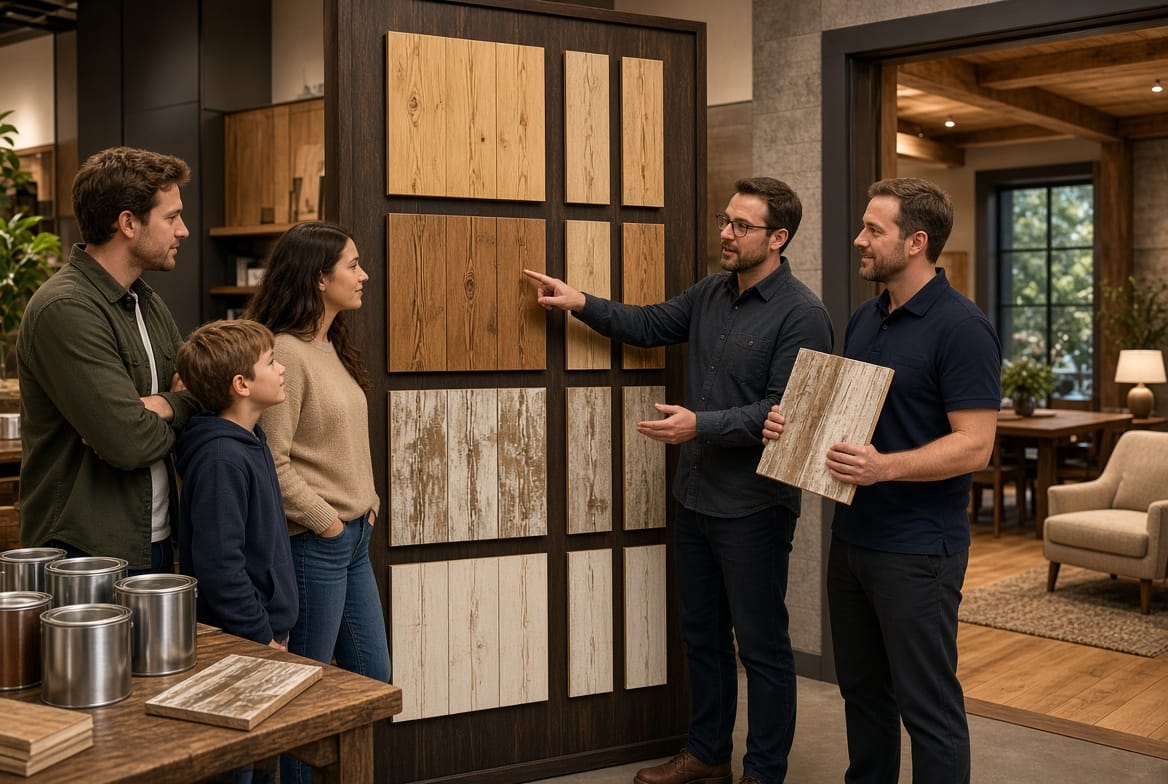
Making the Final Choice with Confidence
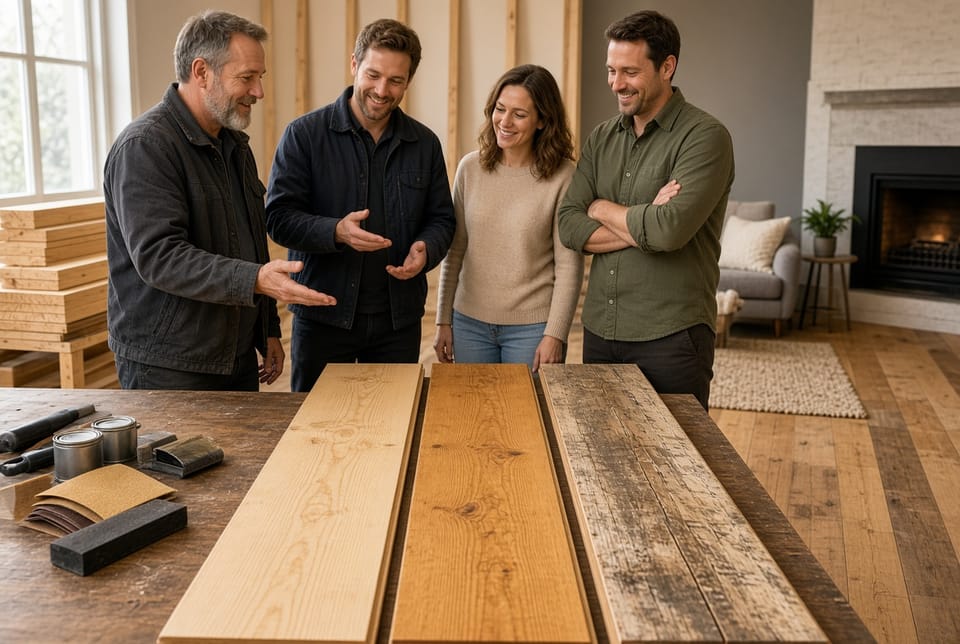
The decision ultimately rests on lifestyle and aesthetic preference. Those who love bright, airy spaces usually lean toward a natural finish. Families seeking coordinated color schemes often prefer stained options. Anyone drawn to history and texture finds the distressed look irresistible. Because pine accepts all three treatments so willingly, there is no technical barrier—only the pleasure of selecting the surface that best expresses the home’s personality.
Professional guidance ensures the chosen finish is applied correctly and protected for years of enjoyment. Experienced installers understand the precise sanding sequence, the ideal number of coats, and the curing times required for lasting performance. They also help evaluate lighting conditions, traffic patterns, and existing décor so the final result feels intentional rather than accidental.
Conclusion: Your Pine Floor Awaits Its Perfect Finish
Pine flooring remains one of the most versatile and welcoming surfaces available today. Its softness allows natural, stained, and distressed finishes to achieve exceptional results that harder woods sometimes struggle to match. Whether the goal is a luminous clear coat, a richly colored stain, or a character-filled distressed texture, pine responds with beauty and resilience when treated properly. These finishes turn an ordinary softwood into a durable foundation for rustic and farmhouse interiors that feel both timeless and personal.
Choose the right pine finish for your style. A short conversation with knowledgeable professionals can clarify every detail—from sample selection to installation timeline—so the finished floor exceeds expectations and becomes a daily source of pride.
Professional Pine Flooring Finish Consultation – Call Today!