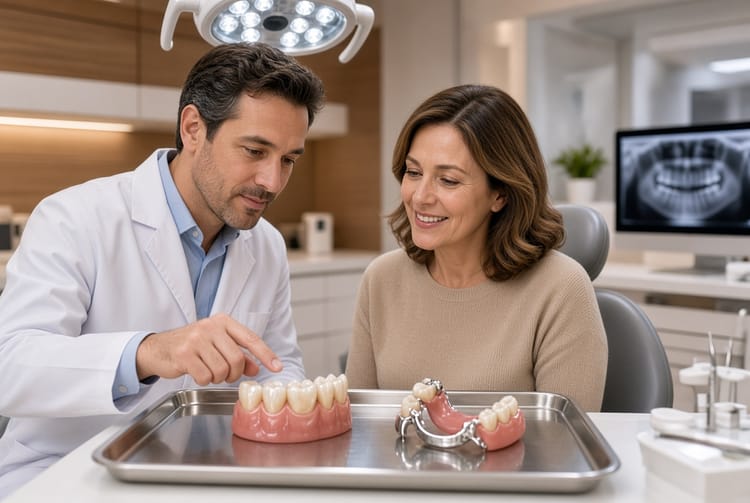
The Oral Cancer Self-Exam: How to Check at Home
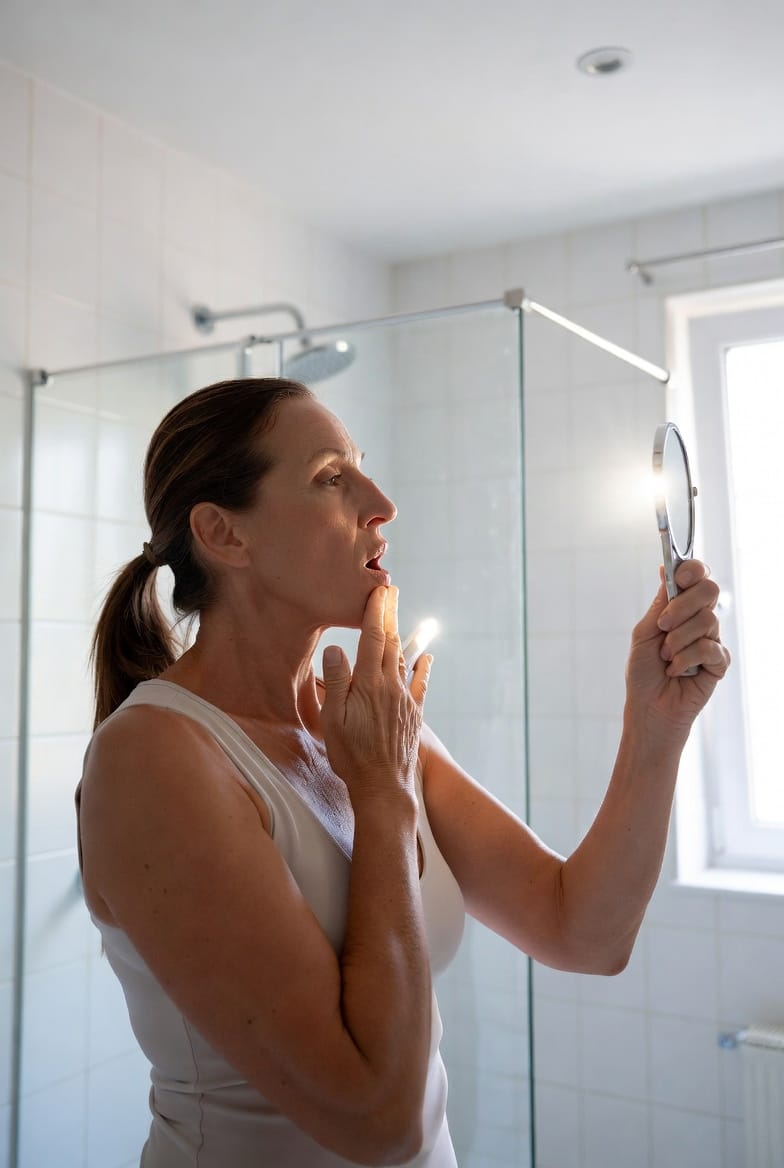
Oral cancer is a serious health concern that affects thousands of people each year, yet early detection dramatically improves outcomes. By developing the lifesaving habit of a regular oral cancer self-exam, you can take proactive control of your health from the comfort of your home. This straightforward practice, when combined with professional dental care, empowers individuals to spot potential issues before they become major problems.
Detect Early, Protect Your Health – Call Now
In this comprehensive guide, we explore everything you need to know about performing an effective self-examination. You'll learn what warning signs to watch for, the precise steps to follow, and when it's time to seek expert help. With consistent self-checks, you’re not just monitoring your mouth — you’re investing in peace of mind and long-term wellness.
Why Regular Self-Exams Matter
Oral cancer can develop in various areas of the mouth and throat, often without obvious symptoms in its earliest stages. Routine self-exams serve as your first line of defense. They complement — but do not replace — regular dental visits.
Early detection saves lives. When identified promptly, the five-year survival rate for oral cancer increases significantly. Most cases are discovered through self-awareness or professional screenings. By checking monthly, you build awareness of what’s normal for your mouth and can quickly notice changes.
Risk factors that elevate concern include tobacco use (smoking or chewing), heavy alcohol consumption, HPV infection, excessive sun exposure (for lip cancer), and a family history of cancer. Even if you don’t have these risks, regular self-exams remain valuable for everyone over the age of 18.
Preparing for Your Self-Exam
Before you begin, gather simple tools: a bright flashlight or well-lit mirror, and optionally a small dental mirror for better visibility. Perform the exam in a quiet, well-lit space after removing any dentures, braces, or oral appliances.
Choose a consistent time — perhaps after brushing your teeth — to make it a seamless part of your routine. Consistency builds confidence and ensures you don’t miss subtle changes over time.
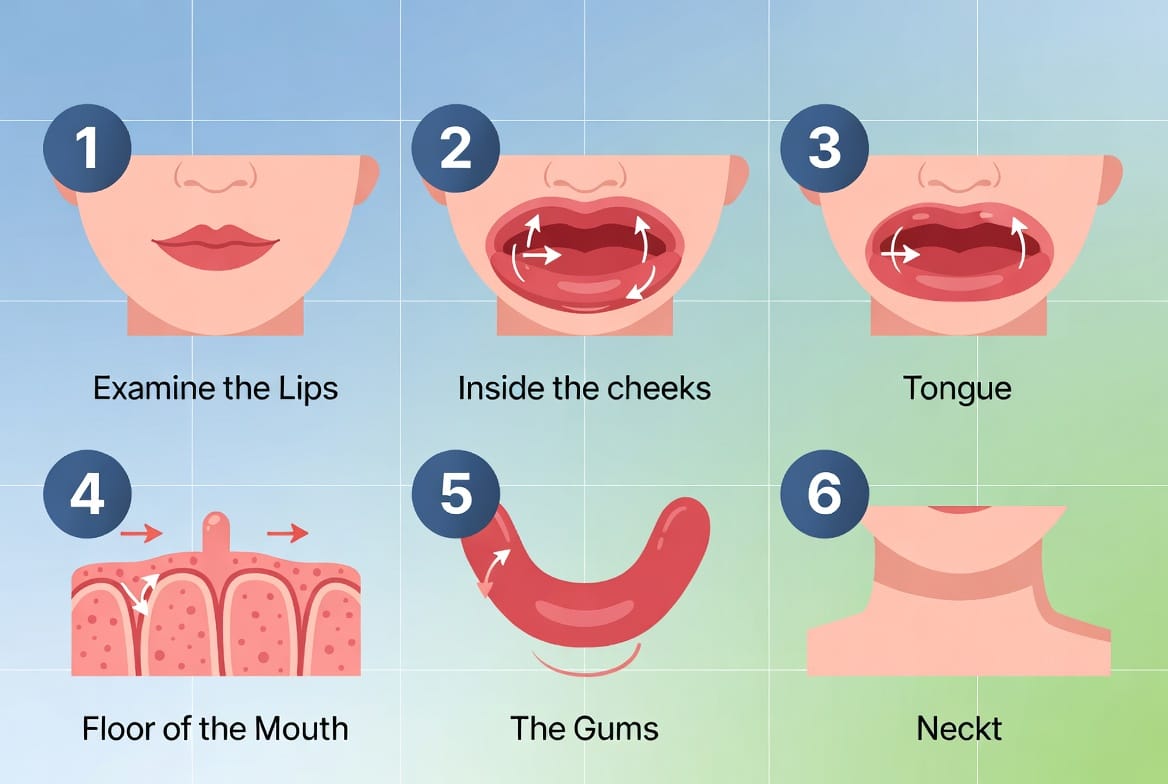
Step-by-Step Guide to Performing an Oral Cancer Self-Exam
Follow these structured steps carefully. Take your time and use good lighting.
1. Examine Your Face and Neck
Start externally. Stand in front of a mirror and observe your face for symmetry. Look for any swelling, discoloration, or sores on the skin.
Gently feel both sides of your neck with your fingers. Check for lumps, tenderness, or swelling in the lymph nodes. Move your fingers in small circles from under the jaw down to the collarbone. Any persistent changes warrant attention.
2. Check Your Lips
Pull your upper and lower lips away from your teeth. Inspect the inner and outer surfaces for red or white patches, sores, or rough areas. Feel for lumps or thickened spots. Note any crusting or bleeding that doesn’t heal.
3. Inspect Your Cheeks
Use your fingers to pull one cheek at a time away from your teeth. Look for patches, ulcers, or changes in color and texture. Run your finger along the inside to feel for lumps or hardened areas. Repeat on both sides.
4. Examine Your Gums and Roof of Mouth
Tilt your head back slightly and use the flashlight to illuminate the upper gums and palate. Look for irregularities. Gently press along the gums to check for soreness or lumps.
5. Check the Floor of the Mouth and Under the Tongue
Lift your tongue to the roof of your mouth. Examine the floor of the mouth and the underside of the tongue carefully. These areas are common sites for oral cancer. Look for white or red patches, sores, or raised areas. Feel for any unusual firmness.
6. Inspect Your Tongue
Extend your tongue and examine all surfaces — top, sides, and back. Look for color changes, ulcers, or bumpy textures. Gently hold the tongue with gauze if needed for better visibility.
Key reminder: Perform the exam systematically every month. Familiarity with your mouth’s normal appearance helps you detect even small deviations.
What to Look For: Key Warning Signs
Stay alert for these common indicators during your self-exam:
- Red or white patches (erythroplakia or leukoplakia) that persist
- Sores or ulcers that do not heal within two weeks
- Lumps, thickenings, or rough spots in the mouth or neck
- Unexplained bleeding or numbness in the mouth or lips
- Difficulty swallowing, chewing, or moving the jaw/tongue
- Persistent sore throat or hoarseness
- Changes in how your teeth fit together when biting
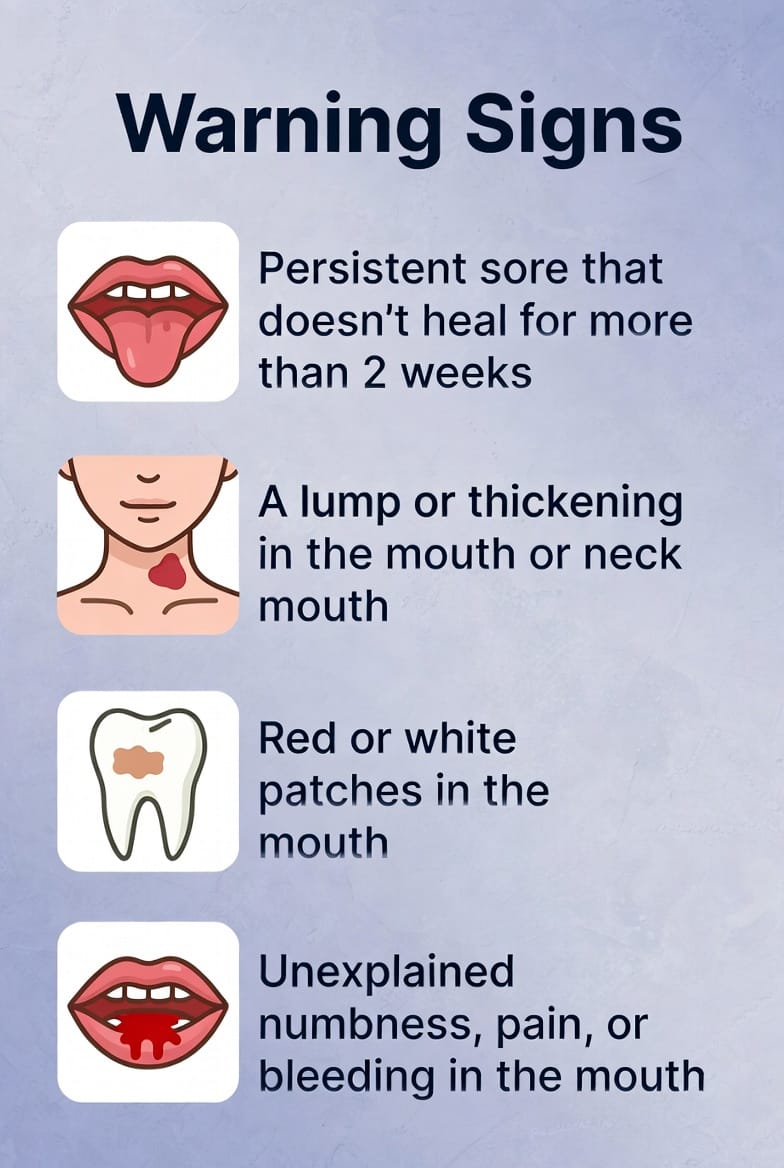
These signs don’t always indicate cancer, but they deserve professional evaluation. Bold action on concerning findings provides reassurance and timely care.
When to See a Dental Professional
If you discover any persistent abnormality lasting more than two weeks, schedule an appointment immediately. Don’t wait to see if it resolves on its own.
Dentists and oral specialists have advanced tools to examine suspicious areas thoroughly, including biopsies when necessary. Regular professional cleanings and exams (ideally every six months) work hand-in-hand with your at-home routine.
Even without symptoms, maintain your dental visits. Professionals often detect issues invisible during self-exams.
Additional Prevention Strategies
While self-exams are powerful, combine them with healthy habits:
- Avoid all tobacco products
- Limit alcohol consumption
- Practice safe oral hygiene with daily brushing and flossing
- Consider HPV vaccination if eligible
- Wear lip balm with SPF protection
- Eat a balanced diet rich in fruits and vegetables
These lifestyle choices significantly reduce overall risk while supporting oral health.
The Power of Awareness and Early Action
Developing the habit of monthly oral cancer self-exams is an act of self-care that can provide immense peace of mind. Millions of people have identified concerns early through this simple practice, leading to successful treatment and continued good health.
Remember, knowledge is your ally. By understanding what’s normal and what requires attention, you become an active participant in your healthcare journey. This proactive approach reduces anxiety and fosters confidence.
Oral health is integral to overall wellness. A healthy mouth supports nutrition, speech, and quality of life. Investing a few minutes each month in a self-exam is a small commitment with potentially life-changing rewards.
Taking the Next Step
Early detection saves lives. Don’t hesitate to reach out if you notice anything unusual during your self-exam. Professional evaluation brings clarity and appropriate next steps.
Our experienced team provides thorough screenings in a comfortable environment, supporting your journey toward optimal oral health.
Make self-exams part of your wellness routine starting this month. Your future self will thank you for this empowering habit.
Take Control of Your Oral Health – Call for a Screening