The Nutrition in Recovery: Foods That Support Brain Health

Recovery from addiction is a transformative journey that engages every aspect of well-being. While therapy and support groups address the psychological components, nutrition emerges as a powerful, practical tool that rebuilds the physical foundation essential for lasting sobriety. The right foods can restore depleted nutrients, stabilize mood, boost energy, and support brain chemistry, making the recovery process more manageable and sustainable.
Join Our Nutrition in Recovery Program – Call Now
At its core, proper nutrition in recovery helps repair the damage caused by substance use while empowering individuals to feel stronger, more focused, and emotionally balanced. This article explores how addiction affects nutrition, the key foods that aid healing, and practical ways to incorporate them into daily life.
How Addiction Depletes Essential Nutrients
Substance use disorders often lead to poor dietary habits and interfere with the body’s ability to absorb and utilize vital nutrients. Chronic addiction frequently results in significant deficiencies that exacerbate withdrawal symptoms, mood instability, and cravings.
Key nutrients commonly depleted include:
- B vitamins (especially B1, B6, B9, and B12): Critical for energy production and nervous system function. Deficiencies can contribute to fatigue, irritability, and cognitive fog.
- Omega-3 fatty acids: Essential for brain cell membrane health and reducing inflammation. Many individuals in recovery show low levels, which may worsen anxiety and depression.
- Amino acids: The building blocks of neurotransmitters like serotonin and dopamine. Depletion disrupts mood regulation and reward pathways already affected by addiction.
- Antioxidants and minerals (such as magnesium and zinc): Help combat oxidative stress caused by toxins and support immune function.
These deficiencies create a challenging cycle: poor nutrition intensifies discomfort during early recovery, which can increase relapse risk. The good news is that targeted dietary changes can reverse many of these effects, providing a reassuring foundation for healing.
The Role of Nutrition in Neurotransmitter Production and Brain Repair
The brain relies on specific nutrients to produce and balance neurotransmitters that govern mood, motivation, and impulse control. A balanced diet rich in whole foods supplies the raw materials needed for this repair process.
Protein-rich foods supply amino acids like tryptophan and tyrosine, which are precursors to serotonin and dopamine. Whole grains provide steady glucose for brain fuel and additional B vitamins. Fruits and vegetables deliver antioxidants that protect brain cells and reduce inflammation.
By prioritizing these foods, individuals in recovery can experience:
- More stable energy levels throughout the day
- Improved sleep quality
- Reduced anxiety and mood swings
- Enhanced cognitive clarity and decision-making
This nutritional support complements traditional recovery programs, creating a holistic approach that addresses both body and mind.
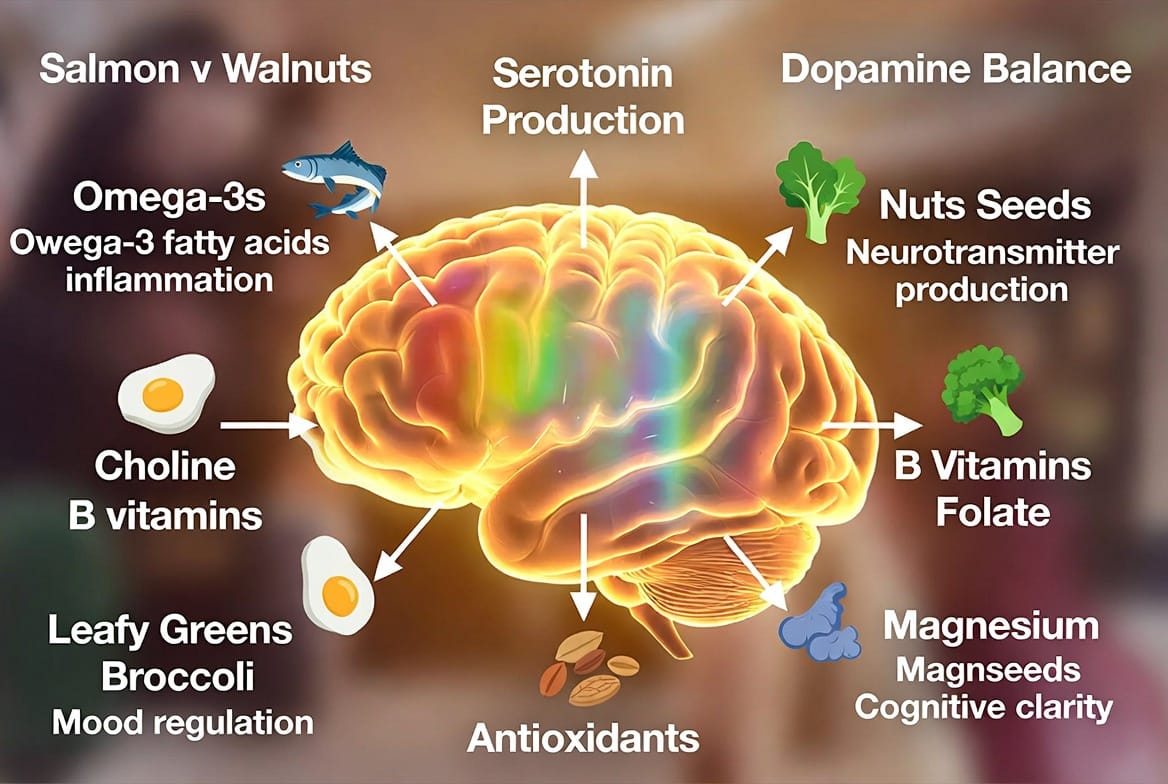
Recovery-Boosting Foods and Their Benefits
Incorporating nutrient-dense foods doesn’t require perfection—just consistent, mindful choices. Here are some of the most supportive options:
Fatty Fish and Omega-3 Sources
Salmon, sardines, and mackerel are excellent sources of omega-3 fatty acids. These healthy fats help rebuild brain cell membranes damaged by substance use and have natural anti-inflammatory properties. Regular consumption supports better mood regulation and cognitive function.
Tip: Aim for 2–3 servings per week. Plant-based alternatives include walnuts, flaxseeds, and chia seeds.
Eggs and High-Quality Proteins
Eggs provide complete proteins along with choline, which supports neurotransmitter production and memory. Other lean proteins like chicken, turkey, beans, and lentils supply amino acids essential for dopamine and serotonin synthesis.
Leafy Greens and Cruciferous Vegetables
Spinach, kale, broccoli, and Brussels sprouts are packed with B vitamins, folate, and magnesium. These nutrients help combat fatigue, support detoxification pathways, and promote calm.
Berries and Antioxidant-Rich Fruits
Blueberries, strawberries, and raspberries deliver potent antioxidants that protect brain cells from oxidative stress. Their natural sweetness can help satisfy cravings without blood sugar spikes.
Nuts, Seeds, and Whole Grains
Almonds, pumpkin seeds, oats, and quinoa offer magnesium, zinc, and sustained energy. These foods help stabilize blood sugar, reducing irritability and cravings common in early recovery.

Building a Balanced Diet for Mood and Energy Regulation
A balanced recovery diet emphasizes variety, consistency, and hydration. Focus on:
- Complex carbohydrates for steady energy release
- Healthy fats for brain health
- Lean proteins for repair and satiety
- Plenty of fiber from vegetables and whole grains to support gut health (which influences mood via the gut-brain axis)
Practical meal ideas include:
- Breakfast: Oatmeal with berries, nuts, and a boiled egg
- Lunch: Grilled salmon salad with leafy greens, avocado, and olive oil dressing
- Dinner: Stir-fried chicken or tofu with broccoli, quinoa, and mixed vegetables
- Snacks: Greek yogurt with seeds, apple slices with almond butter, or a handful of walnuts
Staying hydrated is equally important—dehydration can worsen cravings and cognitive issues. Herbal teas and infused water provide gentle alternatives to caffeinated or sugary drinks.
Overcoming Common Challenges in Recovery Nutrition
Many people in recovery face barriers like low appetite, financial constraints, or limited cooking skills. Start small: focus on adding one nutrient-rich food daily rather than overhauling everything at once.
Professional nutrition support tailored to recovery can make this process easier. Working with experts helps address individual deficiencies, manage cravings through food, and develop sustainable habits.
Long-Term Benefits of Nutrition in Recovery
Consistent attention to nutrition yields compounding benefits. Improved brain health supports better engagement in therapy, stronger relationships, and greater resilience against triggers. Many individuals report feeling more hopeful and in control as their physical health improves.
Nutrition is not a quick fix but a reliable ally on the road to lasting wellness. By fueling the body with intention, you create conditions where the mind can thrive.
Take the Next Step Toward Holistic Healing
Heal your body as you heal your mind. Proper nutrition empowers every stage of recovery, from managing early withdrawal to building a vibrant sober life.
Learn more about our comprehensive nutrition program designed specifically for individuals in recovery.
Your path to renewed health and clarity begins with the choices you make today. Embrace the power of food as medicine and give your brain the support it deserves.
Get Personalized Recovery Nutrition Support – Call Now