The Methamphetamine Addiction: Medical Detox and Cognitive Behavioral Therapy

Methamphetamine addiction represents one of the most challenging substance use disorders facing individuals and families today. This powerful stimulant delivers an intense but fleeting high that rapidly rewires the brain's reward system, leading to compulsive use despite devastating consequences. Yet, with evidence-based approaches like medical detox and cognitive behavioral therapy (CBT), lasting recovery is achievable. This comprehensive guide explores the science behind meth addiction, the realities of withdrawal, proven treatment strategies, and the path to sustained sobriety.
Begin Evidence-Based Meth Treatment Now – Call Now
If you or a loved one is struggling with stimulant use, know that help is available and effective. Professional care can restore hope, health, and purpose.
Understanding Methamphetamine and Its Grip on the Brain
Methamphetamine, commonly known as meth or crystal meth, is a synthetic central nervous system stimulant. It floods the brain with excessive dopamine, the neurotransmitter responsible for pleasure, motivation, and reward. Unlike natural rewards, meth produces a surge far beyond typical levels, creating euphoria that users chase repeatedly.
Over time, this overload damages dopamine receptors and transporters. The brain adapts by reducing its natural dopamine production and sensitivity, making everyday activities feel dull or unfulfilling. This neuroadaptation drives the cycle of addiction, where users need more meth just to feel "normal."
Long-term effects include cognitive impairments, mood disorders, and increased risk of psychosis. However, the brain demonstrates remarkable neuroplasticity. With abstinence and targeted therapies, many individuals experience significant recovery in brain function over months to years.
Key risks of chronic meth use include:
- Cardiovascular damage: Elevated heart rate and blood pressure leading to potential heart attacks or strokes.
- Mental health deterioration: Anxiety, depression, paranoia, and hallucinations.
- Physical decline: Severe dental issues ("meth mouth"), weight loss, and skin problems.
- Social and functional impairment: Strained relationships, job loss, and legal troubles.
Recognizing these risks early empowers individuals to seek intervention before irreversible harm occurs.
The Unique Nature of Meth Withdrawal
One common misconception is that meth withdrawal involves severe physical symptoms similar to alcohol or opioid detox. In reality, meth withdrawal is primarily psychological and emotional, though no less challenging. It is generally not life-threatening from a purely physical standpoint, but the intense discomfort can lead to high relapse rates without support.
Typical meth withdrawal symptoms include:
- Profound fatigue and excessive sleep (hypersomnia) in the initial "crash" phase.
- Depression and anhedonia (inability to feel pleasure).
- Intense cravings that can persist for weeks or months.
- Anxiety, irritability, and mood swings.
- Increased appetite and cognitive fog.
Withdrawal timeline often unfolds as follows:
- First 24-48 hours: The crash begins with exhaustion and depression setting in.
- Days 3-10: Peak intensity with strong cravings, possible paranoia, or sleep disturbances.
- Weeks 2-4: Symptoms gradually ease, but mood issues and cravings may linger.
- Months 1+: Post-acute withdrawal syndrome (PAWS) can involve intermittent cravings and emotional lows.
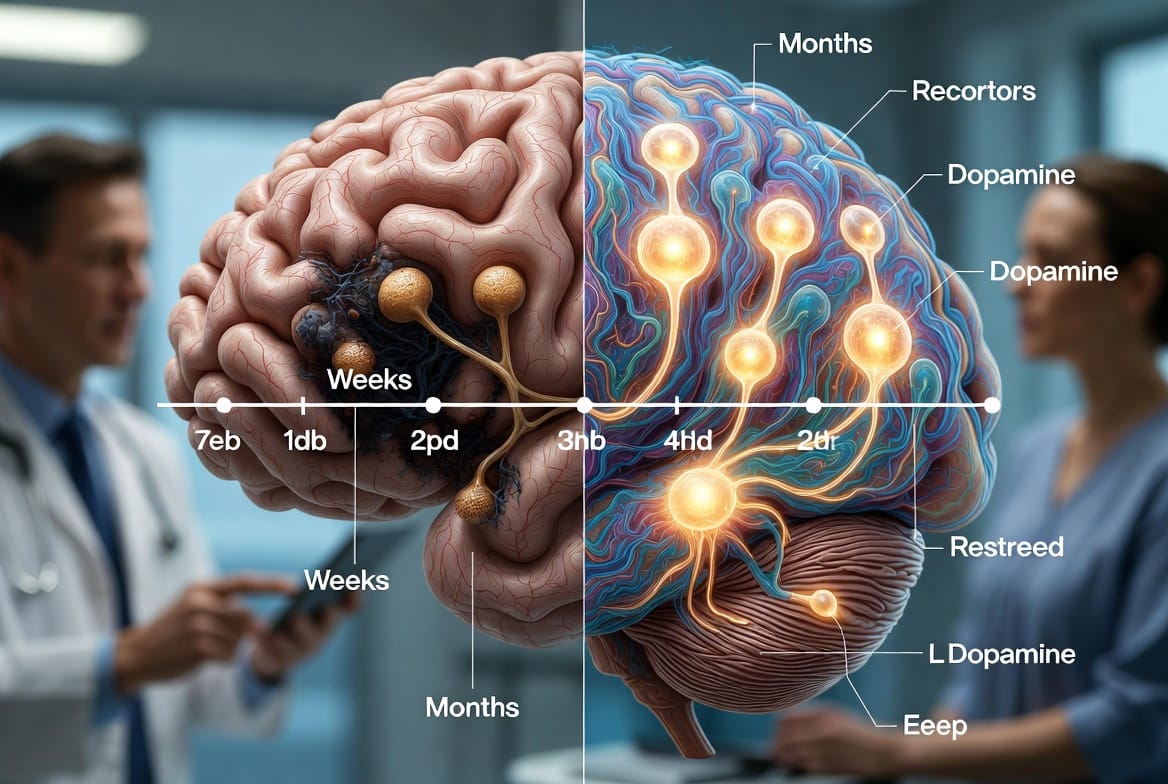
Medical supervision during this phase is crucial, even if physical risks are lower. Professional detox programs provide monitoring for any complications, such as severe depression or suicidal thoughts, and create a safe environment for stabilization.
Medical Detox: The Critical First Step in Stimulant Treatment
Medical detox serves as the foundation for safe recovery from methamphetamine addiction. While meth does not typically cause dangerous physical dependence like some substances, supervised detox addresses dehydration, nutritional deficiencies, and co-occurring mental health issues.
In a professional setting, a team of medical professionals monitors vital signs, manages symptoms with supportive care (such as medications for sleep or anxiety when appropriate), and prepares individuals for the therapeutic work ahead. This structured environment reduces the risk of immediate relapse during the most vulnerable period.
Detox alone is not sufficient for long-term recovery, but it provides the clarity and stability needed to engage effectively in counseling and behavioral therapies.
Cognitive Behavioral Therapy: Rewiring Thoughts and Behaviors
Cognitive Behavioral Therapy (CBT) stands as one of the most effective treatments for stimulant addiction. CBT helps individuals identify and modify the thought patterns and behaviors that fuel substance use.
Core principles of CBT for meth addiction include:
- Recognizing triggers — situations, emotions, or people associated with use.
- Developing healthy coping skills to manage cravings and stress.
- Challenging distorted beliefs, such as "I can't enjoy life without meth."
- Building problem-solving abilities for real-life challenges.
Sessions often involve practical exercises, homework, and role-playing to reinforce new skills. When combined with other approaches, CBT significantly improves outcomes.

Contingency Management and Additional Recovery Supports
Contingency management (CM) complements CBT effectively by using positive reinforcement. Participants receive tangible rewards (such as vouchers or privileges) for achieving milestones like negative drug tests or attending sessions. This approach leverages motivation to encourage abstinence and has shown strong results for stimulant use disorders.
Other supportive elements in a comprehensive stimulant program include:
- Group therapy for peer connection and shared experiences.
- Family involvement to repair relationships and build a supportive home environment.
- Holistic practices such as mindfulness, exercise, and nutrition to support brain healing.
- Relapse prevention planning focusing on long-term strategies.
These integrated approaches address not just the addiction but the whole person — physical, emotional, and social needs.
Long-Term Recovery Challenges and Strategies for Success
Cravings can persist for months, even after the acute withdrawal phase ends. This is due to lingering changes in the brain's reward circuitry. Environmental cues or stress can trigger powerful urges, making ongoing support essential.
Common long-term challenges include:
- Persistent mood instability or anhedonia.
- Cognitive difficulties with memory or concentration.
- Rebuilding life structures (employment, relationships, routines).
Success stories demonstrate that with dedication, these hurdles become manageable. Strategies include:
- Regular participation in aftercare programs.
- Building a strong sober support network.
- Practicing self-care and stress management daily.
- Addressing any co-occurring mental health conditions.
Recovery is not linear, and setbacks can occur. Viewing them as learning opportunities rather than failures fosters resilience.
The journey from methamphetamine addiction to recovery demands courage, but it is entirely possible. Evidence-based care combining medical detox, CBT, contingency management, and ongoing support equips individuals with the tools needed for lasting change. Brains heal, lives rebuild, and hope returns stronger than before.
Recovery from meth is possible with evidence-based care. Take the first step today toward a healthier, brighter future. Your path to wellness starts with reaching out — professional guidance is here to support every phase of recovery.
Get Professional Stimulant Detox Support – Call Now