The Medication-Assisted Treatment (MAT): Using Buprenorphine or Methadone in Recovery

Medication-Assisted Treatment (MAT) represents a proven, evidence-based cornerstone in the fight against opioid use disorder (OUD). Far from a simple substitution, MAT integrates FDA-approved medications with comprehensive counseling and behavioral therapies to address the complex biological, psychological, and social aspects of addiction. This approach has transformed countless lives by reducing cravings, preventing relapse, and supporting long-term recovery.
Begin Evidence-Based Recovery – Call Our MAT Program
In this comprehensive guide, we explore how buprenorphine, methadone, and naltrexone work, their benefits when combined with therapy, and why MAT stands as one of the most effective tools available today. Whether you or a loved one are navigating recovery, understanding these options can provide clarity and hope.
Understanding Opioid Use Disorder and the Need for MAT
Opioid use disorder is a chronic medical condition characterized by compulsive opioid use despite harmful consequences. It alters brain chemistry, particularly in areas responsible for reward, motivation, and stress response. Prolonged exposure leads to tolerance, dependence, and intense cravings that make unaided recovery extremely challenging.
Without intervention, individuals face heightened risks of overdose, health complications, strained relationships, and diminished quality of life. Traditional approaches focusing solely on counseling often fall short because they do not directly address the neurobiological changes caused by opioids.
MAT bridges this gap. By stabilizing brain function with medications, it allows individuals to engage more fully in therapy and rebuild their lives. Research consistently shows that MAT significantly improves outcomes compared to non-medication treatments alone.
Understanding How MAT Medications Function
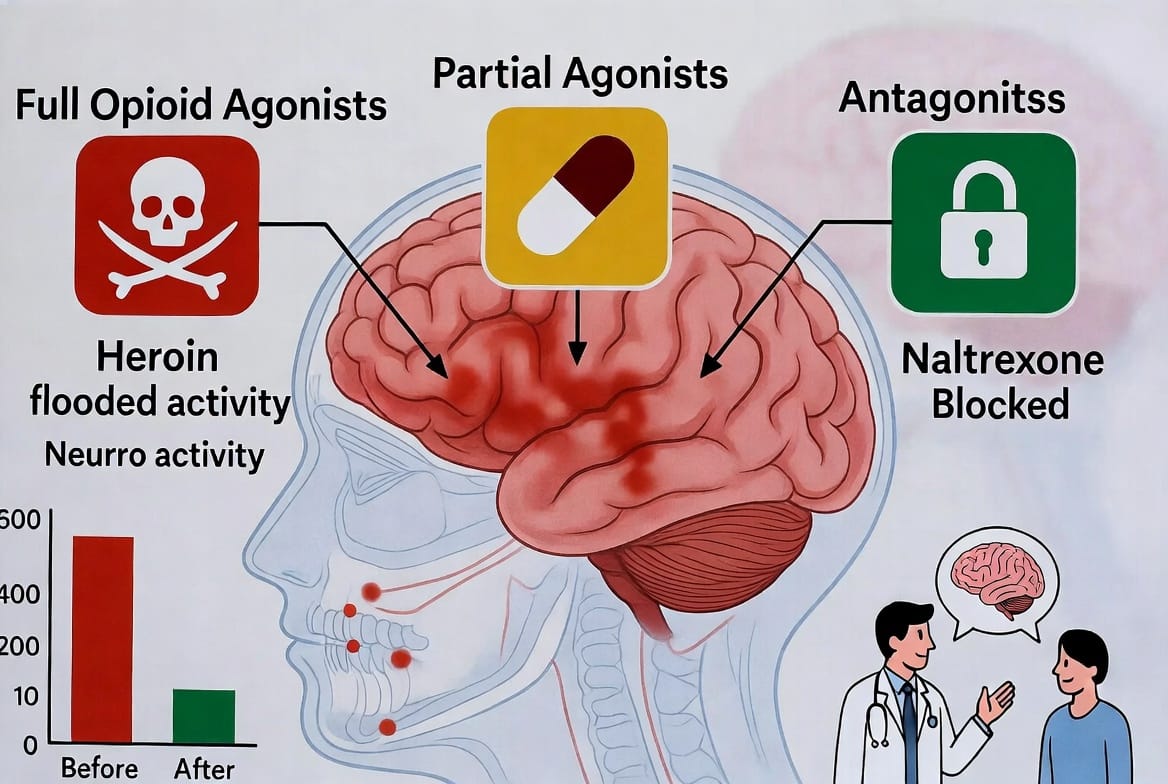
MAT medications target the brain's opioid receptors, primarily the mu-opioid receptors, which opioids hijack to produce euphoria and pain relief. Over time, repeated opioid use disrupts normal brain signaling, leading to withdrawal symptoms and cravings when the drug is absent.
- Methadone: A long-acting full opioid agonist that activates receptors slowly and steadily. It prevents withdrawal, reduces cravings, and blocks the euphoric effects of other opioids without producing a high when taken as prescribed.
- Buprenorphine: A partial opioid agonist with a "ceiling effect." It partially activates receptors to ease withdrawal and cravings but limits euphoria and respiratory depression, making it safer in overdose scenarios. Often combined with naloxone (as in Suboxone) to deter misuse.
- Naltrexone: An opioid antagonist that blocks receptors entirely, preventing opioids from producing any effects. It is ideal for those who have completed detox and seek to avoid all opioid activity. Extended-release injectable forms improve adherence.
These medications normalize brain chemistry, helping restore balance to disrupted dopamine and other neurotransmitter systems. This stabilization is crucial for reducing the compulsive drive to use and allowing focus on recovery work.
The Evidence Base: Proven Benefits of MAT
Decades of rigorous research support MAT's effectiveness. Studies demonstrate that individuals receiving buprenorphine or methadone are significantly less likely to relapse—often less than half the rate compared to behavioral treatment alone.
Key outcomes include:
- Reduced Overdose Risk: MAT can cut overdose deaths by approximately 50% or more, with notable reductions even in the first months of treatment.
- Improved Treatment Retention: Patients stay engaged longer, providing more time to develop coping skills and support networks.
- Decreased Illicit Opioid Use: Cravings diminish, making it easier to abstain from street drugs.
- Better Overall Health and Functioning: Lower rates of infectious disease transmission, criminal activity, and improved employment and family relationships.
When MAT is combined with therapy—such as cognitive-behavioral therapy (CBT), contingency management, or support groups—the results are even stronger. This integrated approach addresses both the physical dependence and the underlying behavioral patterns, leading to sustained recovery.

Addressing Common Concerns and Myths
Many people hesitate due to misconceptions about MAT. It is important to separate facts from fiction:
- "MAT is just substituting one addiction for another": Unlike illicit opioids, MAT medications are taken under medical supervision, stabilize rather than intoxicate, and enable productive lives. Long-term use is safe and effective for many.
- Stigma and Misunderstanding: Societal views often label MAT users negatively, yet evidence shows it is a legitimate medical treatment. Reducing stigma encourages more people to seek help.
- Duration of Treatment: MAT is not one-size-fits-all. Some benefit from shorter courses, while others thrive with longer maintenance. Decisions are made collaboratively with healthcare providers.
- Side Effects: Potential side effects exist (as with any medication), but they are manageable and typically outweighed by benefits. Regular monitoring ensures safety.
Healthcare professionals tailor MAT to individual needs, considering medical history, co-occurring conditions, and personal goals.
Who Can Benefit from MAT?
MAT is particularly effective for those with moderate to severe opioid use disorder. It benefits diverse populations, including pregnant individuals (with improved maternal and fetal outcomes), those with co-occurring mental health conditions, and people returning from incarceration or inpatient care.
Success stories highlight transformed lives: individuals regaining custody of children, advancing careers, and rebuilding health—all while managing recovery effectively.
Integrating MAT into a Comprehensive Recovery Plan
MAT works best as part of a holistic strategy:
- Counseling and Behavioral Therapies: Essential for developing life skills and addressing trauma.
- Support Networks: Peer groups, family involvement, and community resources.
- Lifestyle Changes: Nutrition, exercise, sleep hygiene, and stress management.
- Ongoing Monitoring: Regular check-ins with providers to adjust treatment as needed.
Programs offering integrated MAT provide seamless support, making the recovery journey more navigable and sustainable.
The Path Forward: Hope Through Evidence-Based Care
Medication-Assisted Treatment empowers individuals to reclaim control. By reducing the biological grip of addiction, it creates space for healing, growth, and lasting change. The data is clear: combining medications like buprenorphine or methadone with therapy dramatically improves outcomes, including cutting relapse rates by over 50% in many studies.
Recovery is possible. With the right support, individuals can move beyond opioid dependence toward a fulfilling, substance-free life.
If you or someone you care about is struggling with opioid use disorder, know that compassionate, effective help is available. Our team is here to provide personalized guidance and walk alongside you every step of the way.
Discover Safe MAT Treatment Today – Call Now