The Wilderness Therapy: Outdoor Challenges for Adolescent Recovery
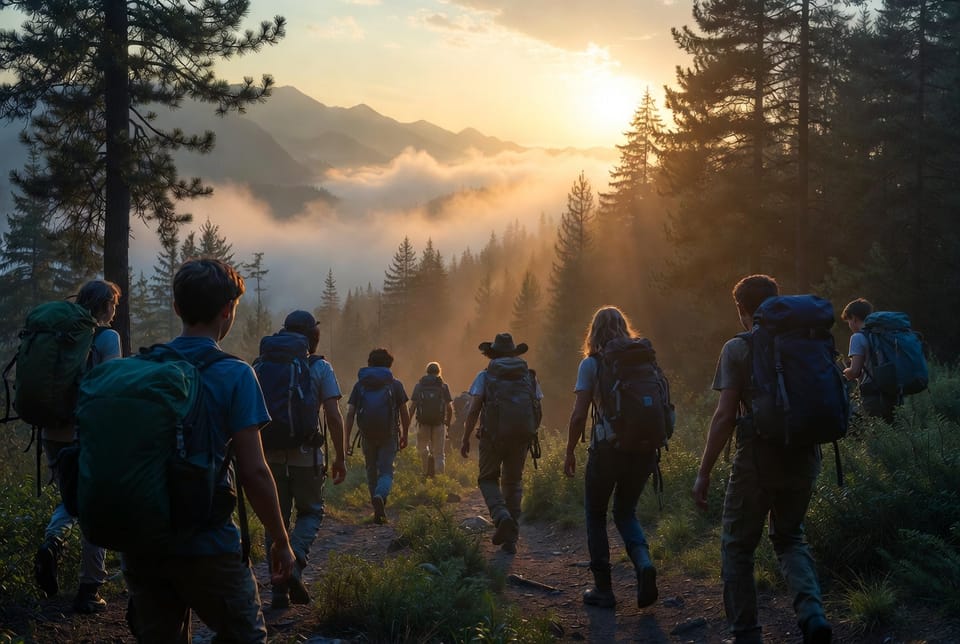
In today's fast-paced world, adolescents face unprecedented pressures that can lead to mental health challenges, substance use, and behavioral difficulties. Wilderness therapy offers a powerful, immersive alternative to traditional indoor treatment settings. This youth-specific modality combines the healing power of nature with structured therapeutic interventions, helping teens rebuild their lives through real-world challenges and personal growth.
Transform Your Teen’s Life with Wilderness Therapy – Call Now
For many families, finding an effective path to recovery feels overwhelming. Wilderness therapy stands out as a proven approach that removes young people from toxic environments and places them in settings where natural consequences and guided support foster lasting change. This comprehensive guide explores how wilderness therapy works, its unique benefits for teens, and why it may be the catalyst your family needs.
Understanding Wilderness Therapy for Teens
Wilderness therapy is a specialized treatment modality designed specifically for adolescents struggling with emotional, behavioral, and substance-related issues. Unlike conventional therapy conducted in clinical offices, this approach integrates backpacking, camping, team challenges, and individual and group therapy sessions in remote natural environments.
Participants live outdoors, learning essential survival skills while engaging in daily therapeutic activities. Licensed therapists accompany small groups, blending experiential learning with evidence-based clinical practices. The immersive setting creates opportunities for immediate feedback and skill-building that simply cannot be replicated indoors.
This modality is particularly effective for teens because it addresses the developmental needs of adolescence—identity formation, independence, and peer relationships—within a supportive, non-judgmental framework. By stepping away from daily distractions, young people gain clarity and develop tools for long-term resilience.
How Wilderness Therapy Programs Work
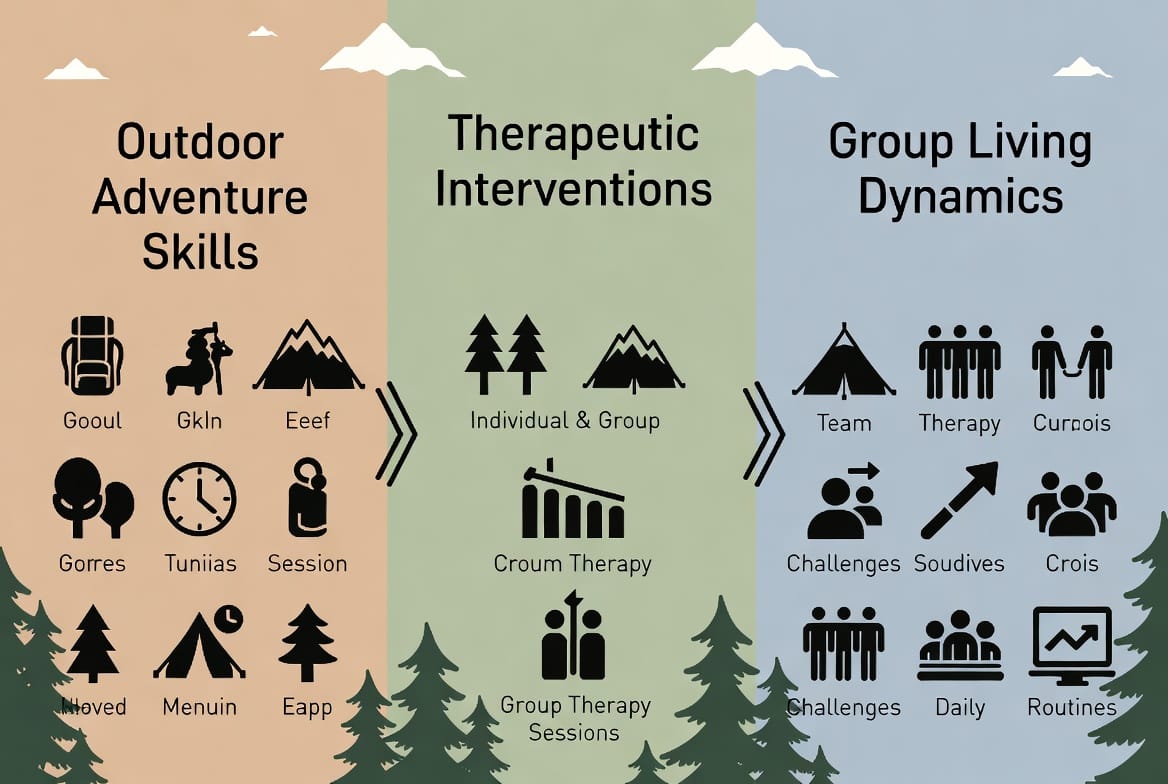
A typical wilderness therapy program unfolds in phases, each building upon the previous one to create meaningful transformation.
Initial Adjustment Phase: Teens arrive and learn basic outdoor skills such as setting up camp, meal preparation, and navigation. This phase helps them acclimate to the environment and begin building trust with peers and staff.
Core Therapeutic Work: Daily routines include:
- Backpacking expeditions across varied terrain
- Team-building challenges that require cooperation and communication
- Individual therapy sessions focused on personal goals
- Group processing circles for sharing experiences and insights
Therapists integrate modalities like cognitive behavioral techniques, mindfulness practices, and family systems approaches. Every activity—from navigating a difficult trail to resolving group conflicts—becomes an opportunity for therapeutic growth.
Transition and Integration Phase: As the program progresses, participants take on greater leadership roles, reflect on their progress, and prepare for successful reintegration into family and community life.
Program lengths typically range from 4 to 8 weeks, providing sufficient time for meaningful change without overwhelming families. Shorter programs focus on stabilization and skill-building, while longer ones allow deeper therapeutic work and more substantial personal development.
Key Benefits of Wilderness Therapy for Adolescents
The benefits of wilderness therapy extend far beyond the temporary break from everyday life. Nature itself becomes a powerful co-therapist, supporting healing in ways traditional settings often cannot match.
Removal from Triggers and Distractions: Teens step away from negative influences, social media pressures, and substance access. This creates a clean environment where genuine personal work can occur without constant temptation.
Building Resilience Through Natural Challenges: Facing physical demands like hiking with a pack or weathering elements teaches self-reliance and perseverance. These experiences translate directly to emotional resilience when confronting life's difficulties back home.
Nature-Based Healing: Research consistently shows that time in nature reduces anxiety, depression, and stress while improving focus and emotional regulation. The natural world provides a calming backdrop that facilitates deeper therapeutic breakthroughs.
Development of Healthy Peer Relationships: Small group living encourages authentic connections based on mutual support rather than superficial social status. Teens learn to communicate effectively, resolve conflicts, and celebrate others' successes.
Enhanced Self-Awareness and Confidence: Overcoming obstacles in the wilderness builds genuine self-esteem rooted in real accomplishments. Participants often discover strengths they never knew they possessed.
Family Healing Opportunities: Many programs include family sessions or communication training, helping repair relationships strained by previous challenges.
The Science Behind Wilderness Therapy Success
Wilderness therapy's effectiveness stems from its holistic approach addressing mind, body, and spirit simultaneously. The physical activity inherent in backpacking and outdoor living releases endorphins and promotes better sleep—foundational elements for mental health recovery.
Natural consequences play a crucial role. When a teen forgets to secure food properly or fails to work with the group, the results are immediate but safe, allowing learning without catastrophic real-world repercussions. This experiential learning accelerates personal insight and behavior change.
Screen time reduction alone produces remarkable effects. Many participants report improved mood, better concentration, and restored connection to themselves and others after disconnecting from digital devices.
For adolescents with trauma, anxiety, depression, or substance use issues, the consistent routine and supportive community create safety necessary for vulnerability and growth. Therapists tailor interventions to each participant's needs while leveraging the group's collective wisdom.
Who Benefits Most from Wilderness Therapy?
This modality particularly suits teens who have not responded well to traditional outpatient therapy or brief residential programs. Common presenting issues include:
- Behavioral challenges and defiance
- Substance experimentation or dependency
- Emotional dysregulation and mood disorders
- Technology addiction and social withdrawal
- Trauma-related symptoms
- Low self-esteem and identity struggles
Families often notice their teens returning home with improved communication skills, greater emotional maturity, and practical coping strategies. The outdoor challenges translate beautifully into real-life problem-solving abilities.
What to Expect During a Wilderness Therapy Program
Parents frequently ask about daily life in these programs. Participants follow structured schedules balancing physical activity, therapeutic work, education, and reflection time. Safety remains paramount with trained staff, medical support, and careful risk management.
Gear and nutrition receive careful attention. Programs provide quality equipment and balanced meals designed to support growing bodies during increased physical demands.
Communication with families typically occurs through letters and scheduled phone calls, fostering healthy independence while maintaining important connections. Many programs offer parent education workshops to prepare families for successful transitions.
Potential Challenges and How Programs Address Them
Like any intensive intervention, wilderness therapy presents challenges. Physical discomfort, homesickness, and resistance to change are normal parts of the process. Experienced programs anticipate these responses and provide skilled support to help teens work through difficulties productively.
The reassuring truth is that these temporary challenges often become the most powerful catalysts for growth. Learning to sit with discomfort without escaping builds emotional muscles essential for long-term recovery.
Qualified programs maintain high standards for staff training, participant safety, and ethical practices. Families should research thoroughly and choose accredited providers with transparent outcomes data.
Preparing Your Family for Wilderness Therapy
Successful outcomes begin with thoughtful preparation. Families benefit from:
- Open conversations about program expectations
- Gathering necessary medical and academic records
- Understanding the transition process after program completion
- Committing to family involvement and aftercare planning
Many programs offer pre-admission assessments to ensure appropriate fit and set realistic goals for each participant.
Lasting Impact: Stories of Transformation
While every journey is unique, common themes emerge from wilderness therapy graduates. Many describe newfound confidence, healthier coping mechanisms, and restored hope for their futures. Parents often report dramatic improvements in family dynamics and their teen's overall functioning.
The skills learned—resilience, self-awareness, effective communication, and problem-solving—serve young people well beyond the program. Many maintain connections with wilderness experiences through continued outdoor activities that support ongoing wellness.

Integrating Wilderness Therapy with Comprehensive Recovery
Wilderness therapy works most effectively as part of a broader continuum of care. Many families combine it with subsequent residential treatment, intensive outpatient programs, or ongoing individual therapy. The foundation built in the wilderness provides a strong platform for continued growth.
Aftercare planning receives significant attention, helping families identify local resources, establish healthy routines, and maintain the momentum achieved during the program.
Nature as a Catalyst for Youth Recovery
The wilderness provides unmatched opportunities for adolescents to reconnect with themselves, others, and the natural world. Through outdoor challenges, therapeutic support, and the healing power of nature, teens discover inner strengths and develop tools for successful, substance-free lives.
If your family is seeking an effective, transformative approach for adolescent recovery, wilderness therapy offers hope and proven results. The combination of adventure, therapy, and natural beauty creates conditions where real change becomes possible.
Nature as a catalyst for youth recovery. Our experienced team is ready to answer your questions and help determine if wilderness therapy is the right path for your teen. Take the first step toward healing today—your family's brighter future awaits.
Help Your Teen Build Real Resilience – Call Now