The Sober Living House Rules: Structure That Supports Recovery
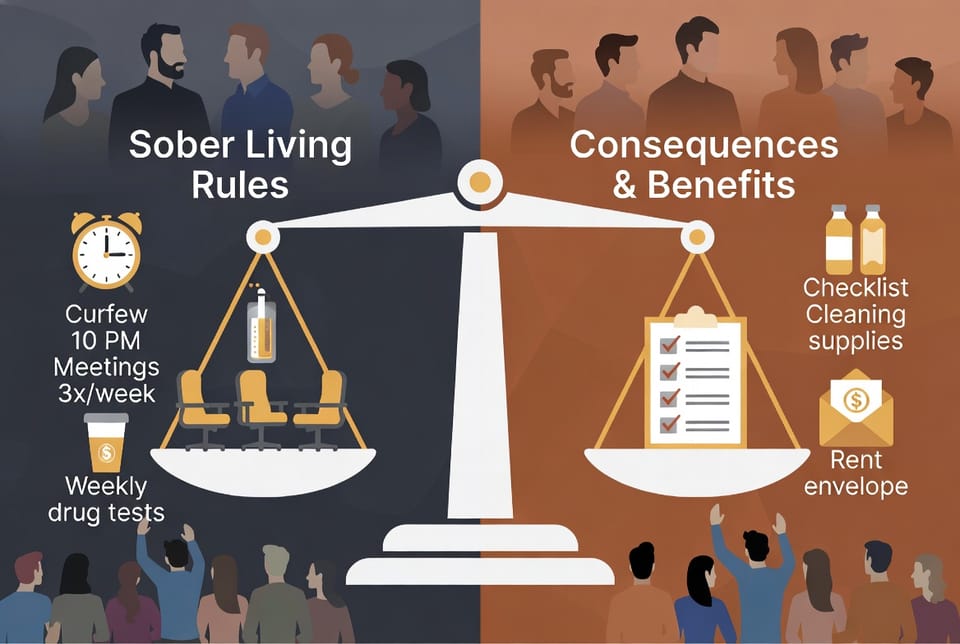
Transitioning from intensive treatment to independent living marks a critical phase in the recovery journey. Sober living houses provide a vital bridge, offering a safe, supportive environment where individuals can rebuild their lives while maintaining sobriety. These transitional housing programs emphasize structure and accountability, elements proven to significantly reduce the risk of relapse.
Get the Structure You Need for Lasting Sobriety – Call Now
In this comprehensive guide, we explore the essential sober living house rules that create the foundation for lasting recovery. Whether you're seeking transitional housing for yourself or a loved one, understanding these expectations empowers informed decisions and sets the stage for success.
Why Structure Matters in Sober Living
Recovery is not just about abstinence—it's about creating a new way of life. Without structure, the freedoms of everyday living can quickly overwhelm individuals newly sober. Sober living house rules establish clear boundaries that mirror the discipline learned in treatment while gradually preparing residents for full independence.
These rules are not punitive. They are protective. Research consistently shows that structured environments help rewire habits, strengthen coping skills, and foster community support. By enforcing consistency in daily routines, sober living homes minimize triggers and maximize opportunities for personal growth.
Key benefits of structured transitional living include:
- Reduced exposure to high-risk situations
- Built-in accountability through peer and staff support
- Development of life skills essential for long-term sobriety
- A supportive network that reinforces positive choices
Residents often report feeling more confident and prepared for independent living after adhering to these guidelines.
Typical Sober Living House Rules and Their Purpose
Every sober living home operates with core principles tailored to support recovery. While specific policies may vary slightly, the following represent standard expectations across reputable programs.
Curfews and Daily Schedules
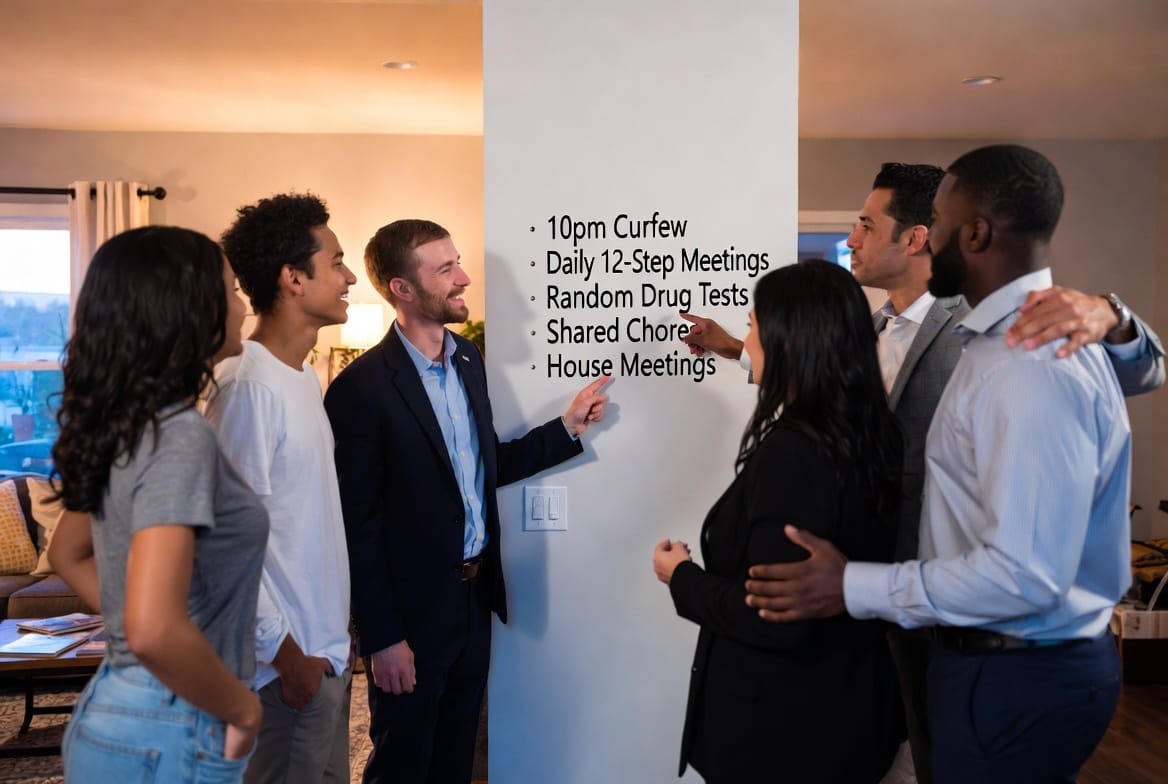
Most sober living houses enforce reasonable curfews, such as 10 PM on weekdays and slightly later on weekends. This rule ensures residents get adequate rest, avoid nighttime temptations, and maintain a stable sleep schedule—a cornerstone of mental health in recovery.
Why it works: Disrupted sleep patterns can trigger cravings and emotional instability. Curfews promote healthy routines and provide a sense of safety during vulnerable hours.
Mandatory Meetings and Program Participation
Residents are typically required to attend daily 12-step meetings or other evidence-based support groups. House meetings, where residents discuss issues and celebrate milestones, are also standard.
This commitment keeps recovery at the forefront. Active participation builds a robust support network and reinforces the tools learned in earlier treatment phases.
Random Drug Testing
Random drug testing serves as both a deterrent and a verification tool. Knowing tests can occur at any time encourages honesty and immediate accountability.
This policy protects the entire household. A drug-free environment is non-negotiable for maintaining a safe space where everyone can focus on healing.
Chores and Shared Responsibilities
A clean, organized home reflects internal order. Residents contribute to daily and weekly chores, from kitchen duties to yard maintenance. Chore charts ensure fairness and teach essential life skills.
Rent and Financial Accountability
Paying rent on time is a fundamental expectation. This teaches financial responsibility and contributes to the operation of the home. Many programs offer sliding scales or assistance connections for those in need.
Meeting this obligation builds self-esteem and prepares residents for managing real-world expenses.
Visitor Policies
Many homes restrict or prohibit visitors of the opposite gender in private areas, or require all guests to be pre-approved. Overnight visitors are rarely allowed, especially in early phases.
These boundaries minimize potential triggers and romantic entanglements that could complicate early recovery. They prioritize focus on self-improvement and peer support.
Additional Common Expectations
- House meetings attendance: Regular group discussions resolve conflicts and strengthen community bonds.
- Employment or education requirements: Many programs require residents to seek work or continue education, promoting purpose and routine.
- No substances on premises: Zero tolerance for alcohol, drugs, or paraphernalia.
- Respect for others: Maintaining a peaceful, cooperative living environment.

How These Rules Prevent Relapse
The combination of rules works synergistically to create multiple layers of protection:
- Routine reduces chaos — Predictable schedules leave less room for idle time when cravings might intensify.
- Accountability builds integrity — Regular testing and check-ins encourage honesty with oneself and others.
- Community counters isolation — Shared chores and meetings foster connections that combat loneliness, a major relapse risk.
- Skill development promotes confidence — Mastering responsibilities translates to greater self-efficacy in the outside world.
- Boundary enforcement protects progress — Limiting high-risk interactions preserves focus during this vulnerable transition.
Residents learn that structure equals freedom—the freedom to live without the constant threat of addiction controlling their choices.
What to Expect When Entering a Sober Living House
Upon arrival, new residents typically undergo an orientation covering all house rules, expectations, and consequences for violations. Many programs use a phased approach: stricter rules initially, with increased privileges as sobriety milestones are achieved.
Consequences for breaking rules are clear and consistent, ranging from additional chores to temporary restrictions or, in serious cases, discharge. This framework teaches that actions have outcomes—valuable preparation for life after sober living.
Families often appreciate this transparency, knowing their loved one is in a monitored, supportive setting.
Life Skills Gained Through Sober Living
Beyond sobriety maintenance, these homes serve as training grounds for essential abilities:
- Time management through schedules and curfews
- Financial literacy via rent payments and budgeting
- Interpersonal skills honed in house meetings
- Self-care routines including healthy eating, exercise, and rest
- Conflict resolution practiced in a safe environment
These skills compound over time, significantly improving long-term recovery outcomes.
Choosing the Right Sober Living Program
Look for licensed or accredited homes with trained staff, strong recovery community ties, and transparent policies. Visit in person if possible, speak with current residents, and review the full rulebook.
A quality program balances structure with compassion, celebrating progress while maintaining high standards.
Success Stories: Structure in Action
Many individuals credit sober living rules with saving their recovery. One resident shared how the chore system helped rebuild his self-discipline after years of chaos. Another found that mandatory meetings connected her with lifelong sponsors and friends.
These real experiences highlight the transformative power of consistent, supportive structure.
Addressing Common Concerns About Sober Living Rules
"The rules feel too restrictive."
Early recovery benefits from external structure until internal discipline strengthens. Most residents adapt quickly and later appreciate the framework.
"What if I slip?"
Reputable homes focus on support and learning rather than immediate punishment for honest setbacks, though repeated violations may require higher care levels.
"How long should I stay?"
Typical stays range from 3 to 12 months, depending on individual progress and readiness for independent living.
Integrating Sober Living with Broader Recovery
Sober living complements other elements like therapy, wellness practices, and ongoing support groups. Many residents continue gratitude journaling, exercise, and skill-building activities alongside house requirements.
This holistic approach addresses mind, body, and spirit for comprehensive healing.
Preparing for Life After Sober Living
As the transition period ends, residents work with staff to create aftercare plans including continued meetings, employment stability, and sober support networks. The lessons from house rules become internalized habits guiding future success.
Conclusion: Embracing Structure for Lasting Freedom
Sober living house rules are more than regulations—they represent a proven pathway to rebuilding life on solid ground. The structure they provide prevents relapse, cultivates essential skills, and nurtures a supportive community dedicated to recovery.
If you or someone you care about is ready for this empowering next step, professional guidance makes all the difference.
Structure supports sobriety. Learn about our transitional housing and wellness programs today.
Discover Life-Changing Sober Living Rules – Call Today