The Co-Occurring Disorders: Treating Addiction and PTSD Together

Living with both addiction and Post-Traumatic Stress Disorder (PTSD) can feel like being trapped in a relentless cycle. Many individuals face this dual challenge, often called co-occurring disorders. The good news is that effective, integrated care exists to help people break free and rebuild their lives with lasting recovery.
Start Integrated Recovery Now – Call for Help
At our wellness programs, we specialize in treating these interconnected conditions simultaneously. This comprehensive approach offers real hope for those ready to heal both the wounds of trauma and the grip of substance use. In this article, we’ll explore the deep connections between PTSD and addiction, why treating them together is essential, and the proven therapies that make recovery possible.
Understanding Co-Occurring Disorders
Co-occurring disorders, also known as dual diagnosis, occur when someone experiences a mental health condition like PTSD alongside a substance use disorder. These are not separate issues that happen to coexist—they influence and reinforce each other in powerful ways.
PTSD develops after exposure to severe trauma, such as combat, assault, accidents, or prolonged stressful events. Symptoms often include intrusive memories, nightmares, hypervigilance, emotional numbness, and avoidance behaviors. Addiction, meanwhile, involves compulsive substance use despite harmful consequences.
When these conditions overlap, daily life becomes incredibly challenging. Individuals may struggle with work, relationships, and basic self-care. Yet, with integrated treatment, recovery is not only possible—it’s achievable for many who commit to the process.
The Strong Link Between Trauma, PTSD, and Addiction
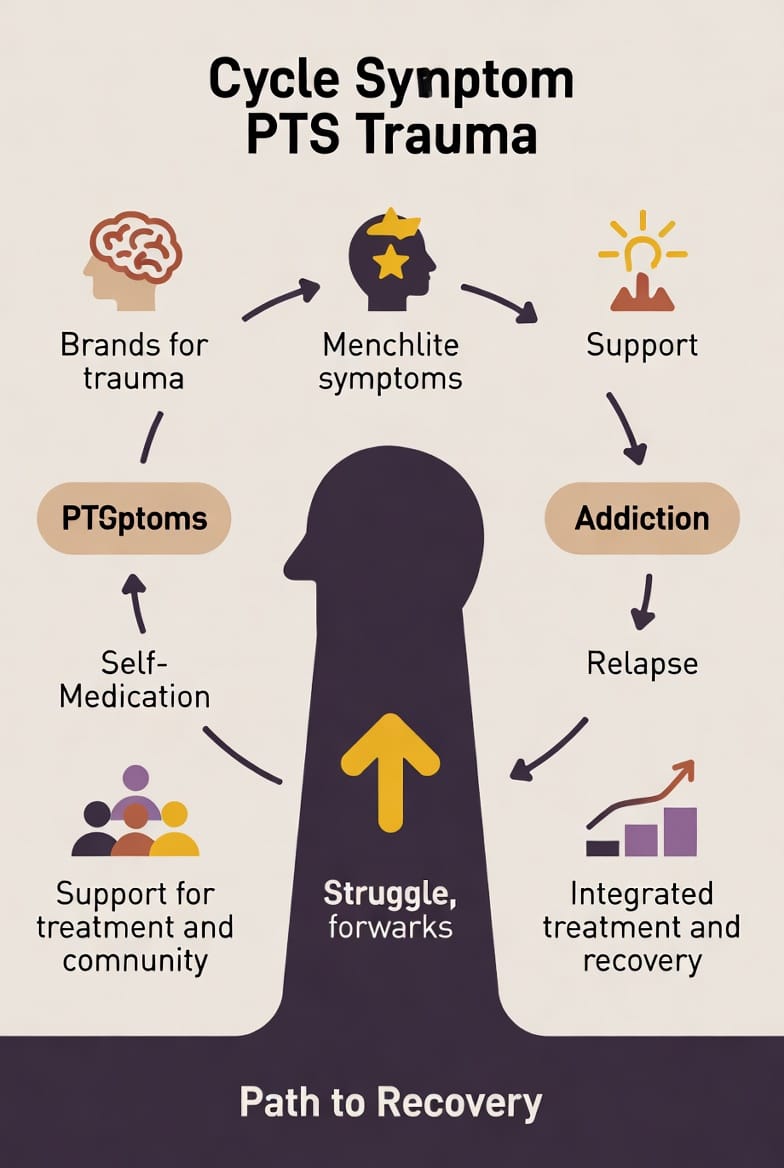
Trauma and addiction share a profound, bidirectional relationship. Many people with PTSD turn to substances as a form of self-medication. Alcohol, opioids, benzodiazepines, or stimulants might temporarily dull the pain of flashbacks, anxiety, or insomnia. What starts as relief quickly becomes dependence.
Self-medication creates a dangerous loop:
- Substances provide short-term numbness but worsen PTSD symptoms over time.
- Withdrawal symptoms intensify anxiety and emotional distress.
- Heightened PTSD symptoms increase cravings for the next “fix.”
Research consistently shows that trauma survivors are significantly more likely to develop substance use disorders. Unresolved trauma acts as a powerful relapse trigger. A sudden reminder of past events—a sound, smell, or stressful situation—can overwhelm coping skills and lead back to substance use.
Conversely, addiction can heighten vulnerability to trauma or make existing PTSD symptoms more severe. Chronic substance use impairs judgment, increases risky behaviors, and damages brain areas responsible for emotional regulation. This interplay explains why addressing only one condition often leads to poor outcomes.
Key risks of untreated co-occurring disorders include:
- Higher rates of relapse
- Increased suicidal thoughts or behaviors
- Greater difficulty maintaining employment and relationships
- Physical health complications from prolonged stress and substance use
- Social isolation and shame that deepen the cycle
Why Both Conditions Must Be Treated Simultaneously
Treating addiction without addressing underlying trauma is like mending a broken bone without setting it properly—the injury may heal incorrectly and cause ongoing problems. Similarly, focusing solely on PTSD while ignoring substance use leaves the person vulnerable to self-medication during difficult therapy sessions.
Integrated care recognizes this reality. It delivers coordinated treatment for both conditions within the same program and by the same team. This approach prevents one issue from undermining progress in the other.
Benefits of simultaneous treatment include:
- Reduced relapse risk by building healthy coping skills for trauma triggers
- Improved emotional regulation as both brain chemistry and thought patterns are addressed
- Faster, more sustainable recovery through comprehensive support
- Holistic healing that restores hope, relationships, and life purpose
Clients often report feeling truly seen and supported when providers understand the full picture. This validation alone can be powerfully healing.
Evidence-Based Therapies for Co-Occurring PTSD and Addiction
Effective integrated programs combine specialized therapies proven to work for both conditions. Here are some of the most impactful approaches:
Prolonged Exposure (PE) Therapy
Prolonged Exposure helps individuals gradually face trauma-related memories and situations in a safe environment. By processing these experiences, the emotional intensity decreases over time. For those with addiction, PE reduces the power of triggers that previously led to substance use.
Eye Movement Desensitization and Reprocessing (EMDR)
EMDR is highly effective for PTSD. It uses guided eye movements or other bilateral stimulation while recalling traumatic events, helping the brain reprocess memories so they lose their overwhelming emotional charge. When integrated with addiction counseling, EMDR can diminish cravings tied to trauma memories.
Cognitive Behavioral Therapy (CBT)
CBT is a cornerstone of dual diagnosis treatment. It identifies and changes unhelpful thought patterns and behaviors. Trauma-focused CBT helps reframe beliefs developed from traumatic experiences, while addiction-focused CBT builds refusal skills, craving management, and healthy routines.
Medication-Assisted Treatment (MAT)
For many, MAT plays a crucial role. Medications can ease withdrawal, reduce cravings, and stabilize mood, making it easier to engage fully in therapy. When combined with trauma treatment, MAT supports overall stability without replacing the need for psychological healing.
Other supportive elements often include:
- Group therapy for peer connection and shared experiences
- Mindfulness and stress-reduction practices
- Family counseling to repair relationships
- Relapse prevention planning tailored to trauma triggers
The Integrated Treatment Process
A typical integrated program begins with comprehensive assessment to understand the full scope of challenges. From there, an individualized treatment plan coordinates care across disciplines.
Core elements of effective co-occurring treatment include:
- Trauma-informed addiction counseling
- Specialized PTSD therapies delivered alongside substance use support
- Medication management when appropriate
- Skill-building for emotional regulation and relapse prevention
- Ongoing aftercare and community support
Progress is monitored closely, with adjustments made as needed. Many programs offer both inpatient and outpatient options to match individual needs and life circumstances.

Overcoming Common Barriers to Seeking Help
Many people hesitate to seek treatment for co-occurring disorders due to stigma, fear, or past negative experiences. It’s important to remember that these conditions are medical issues, not personal failings. Effective programs provide confidential, compassionate care in judgment-free environments.
Insurance coverage has improved for dual diagnosis treatment, and many centers work with clients to navigate financial concerns. Taking the first step—reaching out for an assessment—can be life-changing.
Real Hope for Lasting Recovery
Countless individuals have successfully overcome co-occurring PTSD and addiction through integrated care. They report reduced symptoms, stronger relationships, renewed purpose, and the ability to enjoy life without substances.
Recovery looks different for everyone, but common themes emerge: greater self-compassion, effective coping tools, and a supportive network. With professional guidance, it becomes possible to process trauma safely while building a substance-free foundation.
Taking the Next Step Toward Healing
You don’t have to face trauma and addiction alone. Integrated treatment offers a proven path forward, addressing both conditions with expertise and compassion.
Heal both trauma and addiction. Our experienced team is ready to answer your questions and help you or your loved one begin the journey to comprehensive wellness.
Recovery is possible. Hope is real. Reach out now and take that important first step.
Get Compassionate Dual Diagnosis Treatment – Call Now