The Methamphetamine Addiction: Medical Detox and Cognitive Behavioral Therapy

Methamphetamine addiction creates one of the most challenging patterns of stimulant dependence because it profoundly disrupts the brain’s natural reward and motivation systems. For individuals and families affected by this powerful drug, the path forward requires specialized care that addresses both the intense psychological withdrawal and the learned behaviors that keep the cycle alive.
Get Professional Help for Stimulant Addiction – Call Now
Medical detox combined with Cognitive Behavioral Therapy (CBT) offers a proven, evidence-based foundation for recovery. This approach recognizes that while methamphetamine withdrawal does not usually produce life-threatening physical symptoms like those seen in alcohol or benzodiazepine withdrawal, the emotional and cognitive challenges can feel overwhelming without professional support. Recovery is possible when people receive the right combination of stabilization, skill-building, and ongoing reinforcement.
Understanding Methamphetamine Addiction and Its Unique Challenges
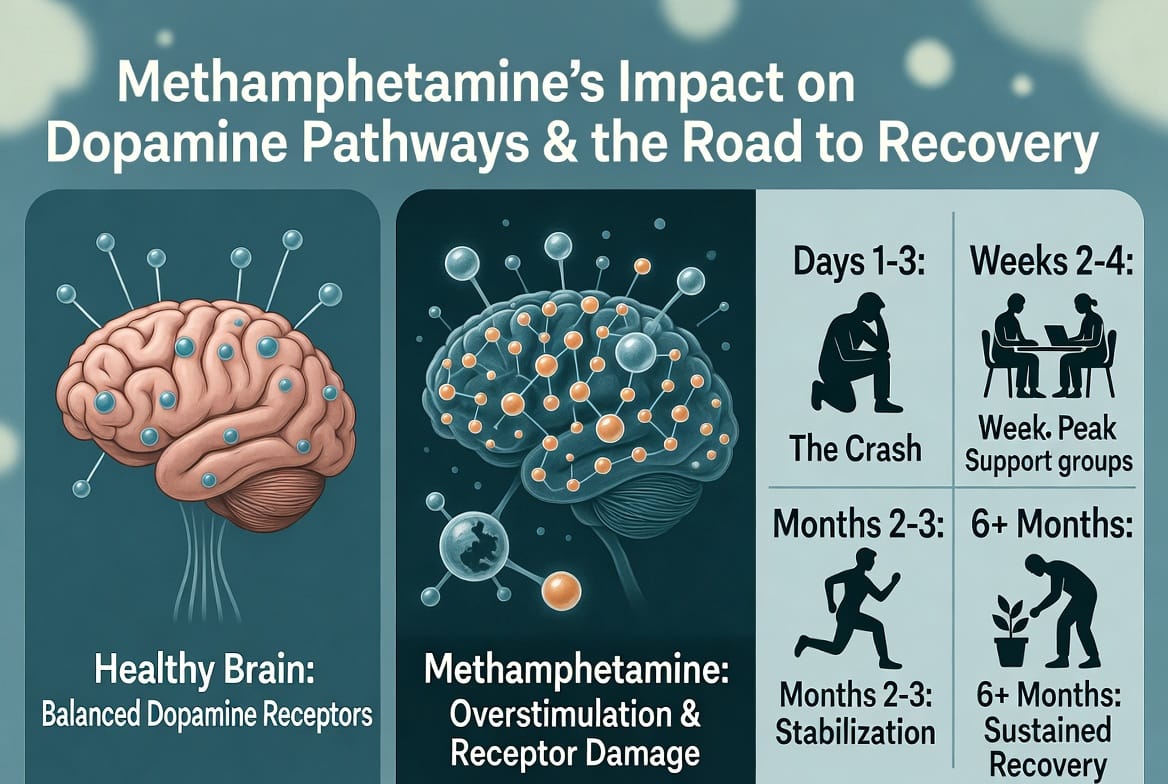
Methamphetamine floods the brain with dopamine far beyond normal levels, creating an intense but artificial sense of pleasure and energy. Over time, the brain compensates by lowering dopamine receptor sensitivity and natural production. Everyday activities that once brought satisfaction begin to feel flat or impossible. This dopamine system dysregulation is why many people describe feeling empty, unmotivated, or unable to experience joy without the drug.
The addiction often develops quickly. What starts as occasional use to stay awake, manage stress, or enhance performance can escalate into compulsive use as tolerance builds and cravings intensify. People frequently report using meth to escape negative emotions, only to find that the drug creates even deeper emotional lows during withdrawal.
Recognizing these patterns early allows for more effective intervention. Professional treatment programs focus on helping individuals understand how methamphetamine has rewired their brain’s reward circuitry while simultaneously teaching practical skills to restore balance.
What Methamphetamine Withdrawal Actually Feels Like
One of the most common questions people ask is whether detoxing from meth is dangerous. The reassuring truth is that methamphetamine withdrawal does not typically involve the severe, life-threatening physical complications associated with alcohol, opioids, or benzodiazepines. There is usually no risk of seizures, dangerous blood pressure spikes, or delirium tremens.
However, the psychological and physical exhaustion can still feel crushing. Understanding the timeline and symptoms helps set realistic expectations and reduces fear of the unknown.
Common withdrawal experiences include:
- The initial crash phase (first 24–72 hours): Extreme fatigue, excessive sleeping or inability to sleep, profound depression, increased appetite, and a strong sense of emotional numbness. Many people describe this period as feeling like they have been “hit by a truck.”
- Acute withdrawal (first 1–2 weeks): Intense cravings, irritability, anxiety, difficulty concentrating, and strong urges to use again to escape the low mood. Sleep patterns remain disrupted, and motivation for normal activities stays very low.
- Protracted withdrawal (weeks to several months): Lingering low energy, intermittent strong cravings triggered by stress, people, places, or emotions, and a gradual return of interest in life. Some individuals experience waves of depression or anhedonia (inability to feel pleasure) that can last longer than expected.
The absence of dramatic physical danger does not mean withdrawal is easy. The psychological intensity often drives people back to use unless they have structured support and coping tools in place. This is precisely why professional medical detox and therapy are so valuable.
The Role of Medical Detox in Stimulant Recovery
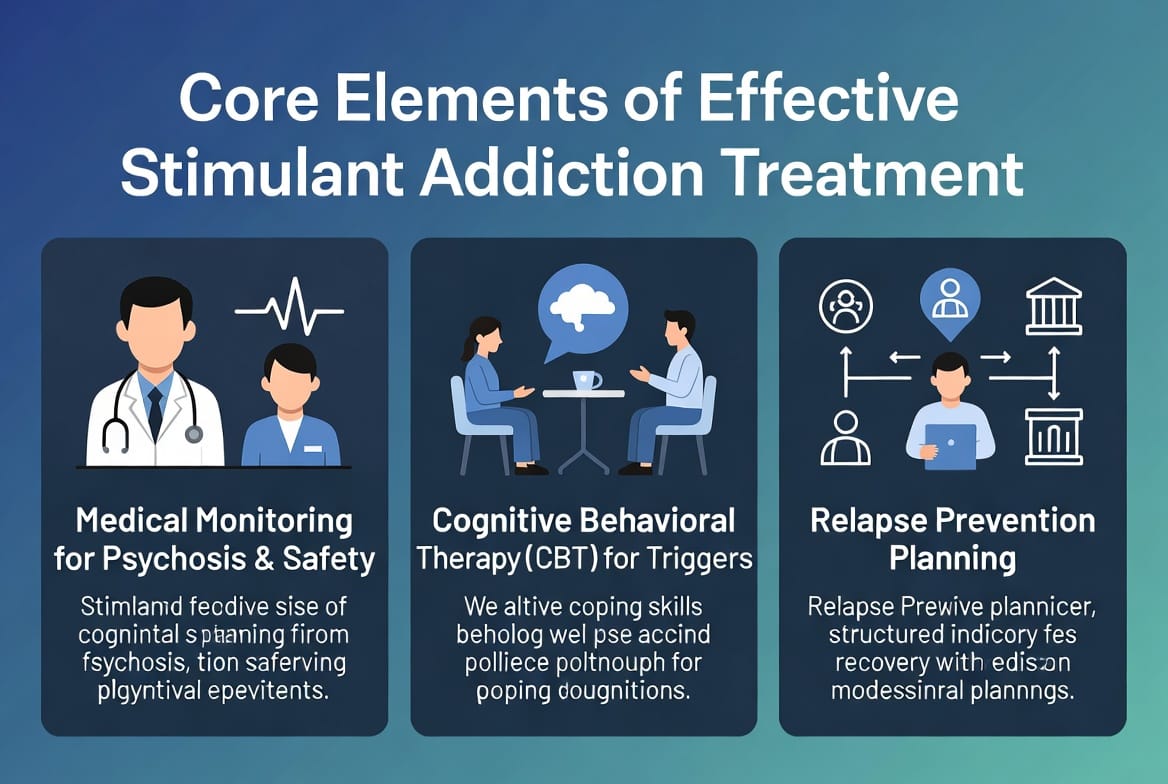
Medical detox for methamphetamine addiction focuses on safe stabilization rather than managing dangerous physical withdrawal syndromes. In a supervised setting, medical professionals monitor vital signs, mental status, and overall well-being while providing supportive care.
Key elements of quality stimulant detox include:
- Careful assessment for any methamphetamine-induced psychosis or severe depressive symptoms that may require short-term medication support
- Nutritional restoration and hydration, as many people in active addiction have neglected basic self-care
- Sleep hygiene support and management of extreme fatigue
- A calm, structured environment that reduces exposure to triggers
- Immediate introduction to counseling and education about what to expect in early recovery
Because there are currently no FDA-approved medications specifically for methamphetamine withdrawal, care centers on symptom management, safety monitoring, and preparing the individual for the therapeutic work ahead. The goal is to help the person become medically and emotionally stable enough to fully engage in treatment.
Cognitive Behavioral Therapy: Rewiring Patterns for Lasting Change
Cognitive Behavioral Therapy (CBT) stands as one of the most effective psychosocial treatments for stimulant use disorders. It directly targets the thought patterns, emotional triggers, and behavioral habits that sustain methamphetamine use.
In CBT for methamphetamine addiction, individuals learn to:
- Identify personal high-risk situations, people, places, and emotional states that increase the urge to use
- Challenge and reframe automatic thoughts such as “I can’t handle stress without meth” or “One time won’t hurt”
- Develop practical coping strategies for cravings, including urge surfing, distraction techniques, and grounding exercises
- Build behavioral activation plans to reintroduce pleasurable and meaningful activities that counteract the anhedonia common in early recovery
- Practice refusal skills and create exit plans for situations where drugs may be present
CBT sessions are collaborative and goal-oriented. Therapists and clients work together to map the individual’s unique cycle of use and then build personalized tools to interrupt that cycle. The skills learned in CBT continue to serve people long after formal treatment ends, making it a powerful investment in long-term recovery.
Integrating Contingency Management and Recovery Support
While CBT addresses the “why” and “how” of changing behavior, contingency management adds powerful reinforcement for staying drug-free. This evidence-based approach provides tangible rewards — such as vouchers, gift cards, or small prizes — for negative drug tests and other recovery milestones. Research consistently shows strong results for stimulant addiction because it directly counters the immediate reward of drug use with immediate positive consequences for sobriety.
Recovery support services further strengthen outcomes. These may include:
- Peer support groups and sober living environments
- Family education and therapy to repair relationships damaged by addiction
- Case management to address practical needs like housing, employment, or legal issues
- Holistic supports such as exercise programs, nutrition guidance, and mindfulness training
When medical detox, CBT, contingency management, and recovery support work together, individuals receive a comprehensive safety net during the most vulnerable early months of sobriety.
Long-Term Recovery Challenges: Managing Persistent Cravings
Even after the acute withdrawal phase passes, many people in methamphetamine recovery report that cravings can persist for months — sometimes triggered unexpectedly by stress, certain environments, or emotional states. This does not mean treatment has failed. It reflects the brain’s ongoing healing process and the powerful learned associations formed during active addiction.
Effective long-term strategies include:
- Continued practice of CBT skills, especially identifying and planning for high-risk situations
- Building a robust daily structure with meaningful activities, exercise, and social connection
- Developing a written relapse prevention plan that includes warning signs, emergency contacts, and immediate coping actions
- Regular check-ins with a therapist, sponsor, or recovery coach
- Addressing co-occurring mental health conditions such as depression or anxiety that may have been masked by drug use
Recovery is not a straight line. Setbacks can occur, but they do not erase progress. With each challenge navigated using new skills, confidence grows and the grip of methamphetamine loosens.
Hope and Healing: Evidence-Based Care Makes the Difference
The combination of medical detox for safe stabilization and Cognitive Behavioral Therapy for lasting behavioral change gives people struggling with methamphetamine addiction the strongest possible start. These approaches respect the unique neurobiology of stimulant dependence while providing practical, empowering tools that work in real life.
Recovery from meth is possible with evidence-based care.
Many individuals who once felt hopeless have built fulfilling, drug-free lives by committing to professional treatment and practicing the skills they learned. If you or someone you care about is ready to begin this journey, reaching out for specialized support is a powerful and courageous first step. Healing takes time, but every day of recovery brings new strength, clarity, and possibility.
Take the First Step Toward Lasting Meth Recovery