The Nutria Invasion: Managing Destructive Rodents in Wetlands and Ponds
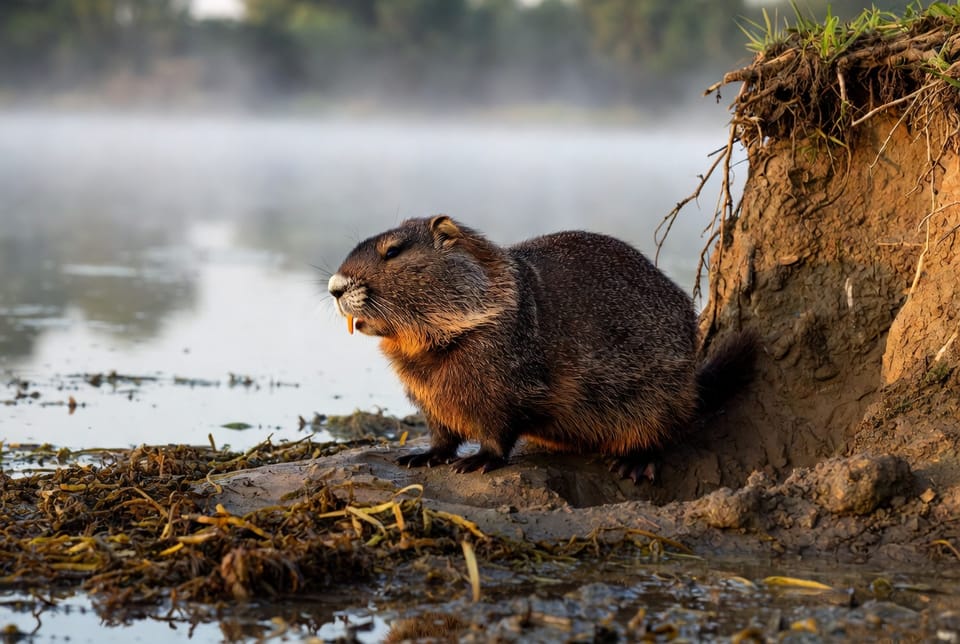
Nutria have quietly become one of the most destructive invasive species threatening wetlands, ponds, and waterfront properties across North America. These semi-aquatic rodents, often mistaken for smaller beavers or large muskrats, can rapidly transform healthy ecosystems into eroded, unstable landscapes. If you own or manage a pond, lakefront property, or wetland area, you’ve likely noticed the warning signs: collapsing banks, vanishing vegetation, and mysterious tunnels that weaken the very ground beneath your feet.
Protect Your Pond Banks Today – Call Now!
At first glance, nutria may appear harmless. Yet left unchecked, their feeding and burrowing habits cause extensive damage that affects not only the environment but also property values, flood control, and long-term land stability. The good news? With professional intervention, this invasion can be managed effectively and safely. Our specialized wildlife removal programs restore balance while protecting your investment and the surrounding ecosystem.
In this comprehensive guide, we explore nutria behavior, the real risks they pose, and the proven professional strategies that deliver lasting results. Whether you’re dealing with early signs or an established colony, expert invasive species control offers the reassurance and reliability you need.
What Are Nutria? Meet the Semi-Aquatic Invader
Nutria (Myocastor coypus) are large rodents native to South America but now firmly established in many regions as an invasive species. Adults typically weigh 15 to 20 pounds, measure up to two feet long, and feature distinctive orange incisors that never stop growing. Their partially webbed hind feet and long, rounded tails make them perfectly adapted for life in and around water.
Unlike many rodents that stay on land, nutria are truly semi-aquatic. They spend much of their time in or near water, building dens in riverbanks, pond edges, and marshes. They are most active at dawn and dusk, moving in small family groups or larger colonies that can number dozens of individuals. Females can produce multiple litters per year—sometimes up to three—with each litter containing four to six young. This rapid reproduction allows populations to explode quickly once they find suitable habitat.
Their diet consists almost entirely of aquatic vegetation, including cattails, reeds, water hyacinth, and submerged grasses. When preferred plants become scarce, they turn to crops, ornamental plants, and even tree bark. This voracious appetite, combined with constant burrowing, creates a double threat that few property owners anticipate until damage is already severe.
How Nutria Behavior Drives Widespread Destruction
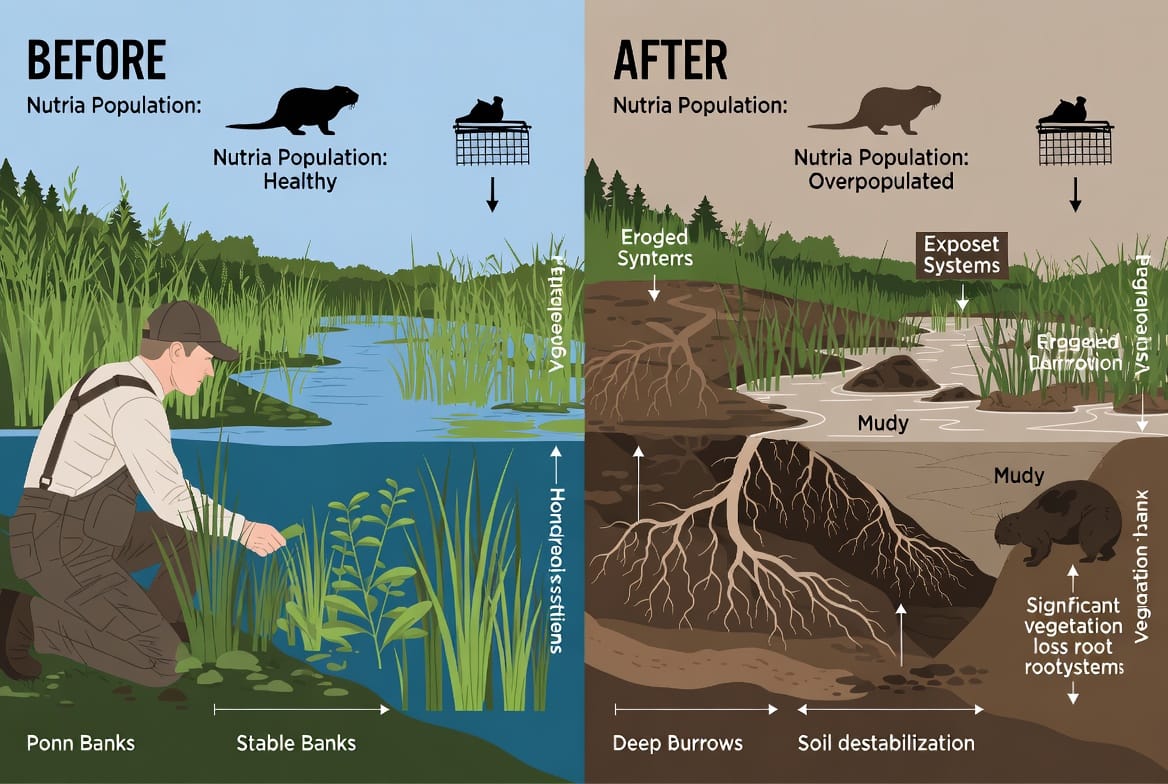
Understanding nutria behavior is the first step toward effective management. These rodents do not simply visit water—they reshape it. By consuming large quantities of aquatic plants, they strip away the root systems that hold soil in place. Without this natural vegetation mat, banks become vulnerable to wave action and rainfall.
Burrowing is perhaps their most destructive habit. Nutria dig extensive tunnel networks into pond banks and levees, often several feet deep and many yards long. These burrows weaken structural integrity, leading to sudden collapses during heavy rain or high water. In wetlands, the loss of vegetation and soil destabilization accelerates erosion, turning once-stable shorelines into muddy scars that expand year after year.
The impact extends beyond your property line. Eroded sediment clouds water bodies, reduces oxygen levels, and harms fish and aquatic life. Native birds lose nesting cover, and entire wetland ecosystems can shift from diverse habitats to barren mudflats. In commercial settings—golf courses, parks, or agricultural ponds—the financial consequences add up quickly through repair costs, lost productivity, and regulatory scrutiny.
Professional wildlife removal specialists recognize these patterns early. By addressing the root causes rather than just the visible symptoms, they prevent small problems from becoming costly disasters.
The Real Risks: Erosion, Property Damage, and Environmental Harm
Bank erosion caused by nutria is more than an eyesore—it poses serious safety and financial risks. Collapsing pond banks can undermine retaining walls, damage docks, and even create hazardous drop-offs near walkways. In extreme cases, large sections of shoreline simply slide into the water, requiring expensive engineering repairs.
Wetlands serve as natural sponges that absorb floodwaters and filter pollutants. When nutria destroy the vegetation that protects these areas, the entire system suffers. Increased sedimentation chokes waterways, promotes algal blooms, and reduces biodiversity. Property owners often face rising insurance premiums or local ordinances requiring them to restore damaged wetlands at their own expense.
Homeowners and land managers frequently underestimate the speed of this invasion. What begins as a few chewed plants can escalate into widespread bank failure within a single season. Early professional assessment prevents escalation and protects both your land and the broader environment.
Recognizing the Telltale Signs of Nutria Activity
Early detection is critical. Look for these clear indicators that nutria have moved in:
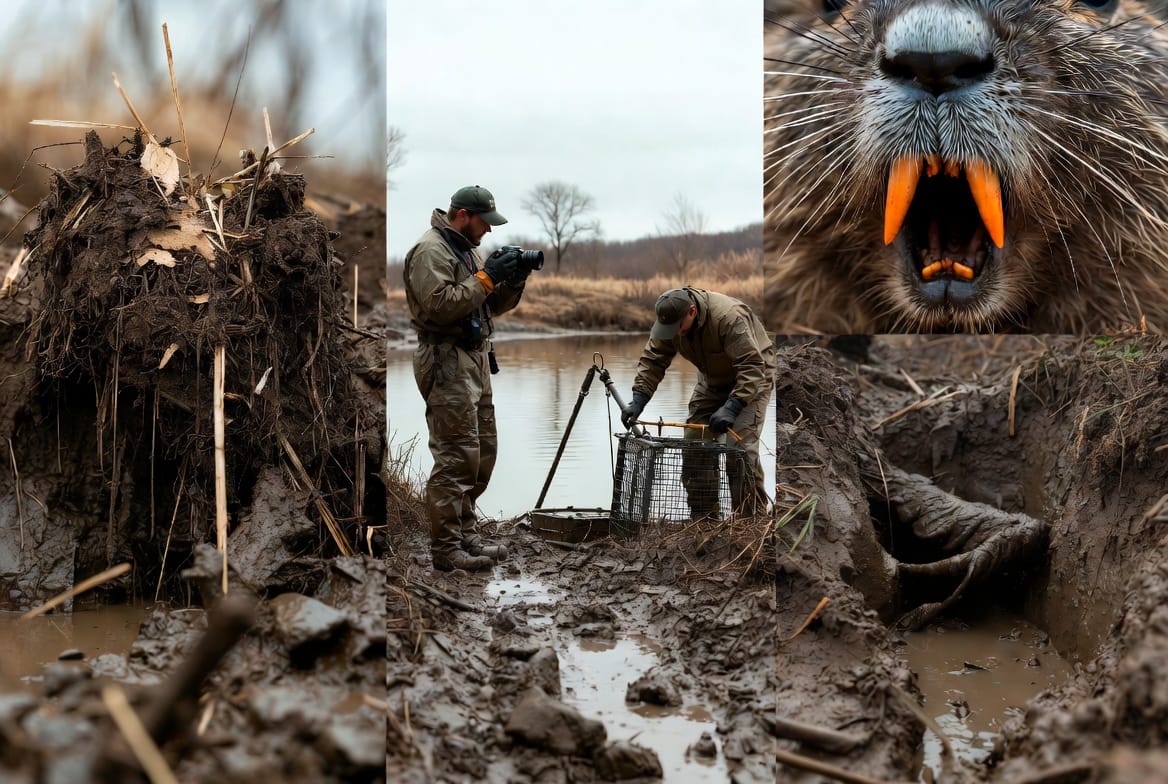
- Chewed vegetation – Cleanly cut aquatic plants at a 45-degree angle, often leaving floating mats of debris.
- Burrows in banks – Round or oval entrances about 6–8 inches wide, usually just above or below the waterline, with fresh dirt piles nearby.
- Tail drag marks – Smooth, straight trails in soft mud or sand left by their heavy tails as they travel between feeding areas and dens.
- Distinctive orange teeth – Visible when animals are sighted or in gnaw marks on woody stems; the bright color is unmistakable.
- Additional clues include droppings (cylindrical, 2–3 inches long) and well-worn paths through dense vegetation.
If you notice any combination of these signs, it’s time to act. Delaying allows the colony to grow and the damage to deepen.
Why Professional Trapping and Control Programs Succeed Where DIY Falls Short
Many well-intentioned property owners attempt traps or repellents on their own, only to discover that nutria are remarkably resilient. These animals quickly learn to avoid poorly placed devices, and incomplete removal allows surviving members to repopulate rapidly. Moreover, improper handling can violate local wildlife regulations or inadvertently harm non-target species.
Professional trapping and control programs follow a science-based, integrated approach. Certified specialists conduct thorough site assessments, map burrow systems, and develop customized strategies that combine humane trapping, strategic exclusion, and habitat modification. They use proven techniques that minimize stress to the animals while ensuring complete colony removal.
Our teams prioritize safety—for you, your family, pets, and the environment. All methods comply with state and federal guidelines, and we focus on long-term prevention rather than temporary fixes. The result is a restored, stable shoreline that stays protected for years to come.
Our Proven Step-by-Step Nutria Management Process
Effective invasive species control follows a clear, methodical process:
- Comprehensive Inspection – We evaluate the entire site, identify active burrows, feeding zones, and population size.
- Customized Control Plan – Tailored recommendations based on your specific wetland or pond conditions.
- Safe and Humane Trapping – Deployment of species-specific traps placed by experienced technicians.
- Habitat Modification – Strategic removal of attractants and installation of barriers where appropriate.
- Ongoing Monitoring – Regular follow-up visits to confirm success and prevent re-infestation.
- Restoration Support – Guidance on replanting native vegetation to stabilize banks and enhance natural resilience.
Clients consistently report visible improvements within weeks: firmer banks, returning vegetation, and peace of mind knowing the problem is truly solved.
Long-Term Protection and Environmental Stewardship
Managing nutria is about more than removing rodents—it’s about safeguarding the health of your wetland or pond for future generations. Professional programs emphasize sustainable practices that support native wildlife while eliminating the invasive threat. By choosing expert assistance, you contribute to broader ecosystem recovery and protect your property value.
Many clients are surprised at how quickly their landscape rebounds once the nutria invasion is under control. Healthy vegetation returns, erosion slows, and the natural beauty of the water’s edge is restored.
Protect Your Pond Banks from Burrowing Rodents
Don’t let nutria continue their destructive work. Early, professional intervention is the smartest, safest, and most cost-effective way to reclaim your wetland or pond.
Protect your pond banks from burrowing rodents.
Our team stands ready to provide the authoritative, compassionate service you deserve. Schedule your inspection today and take the first step toward a healthier, more stable shoreline.
Safe & Effective Rodent Control – Call Now!