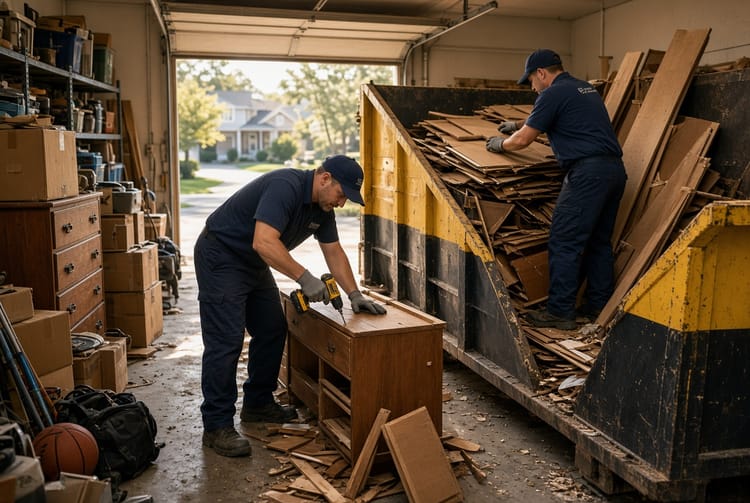
The Nonprofit Donation Cleanup: Sorting Donations from Trash for Charities
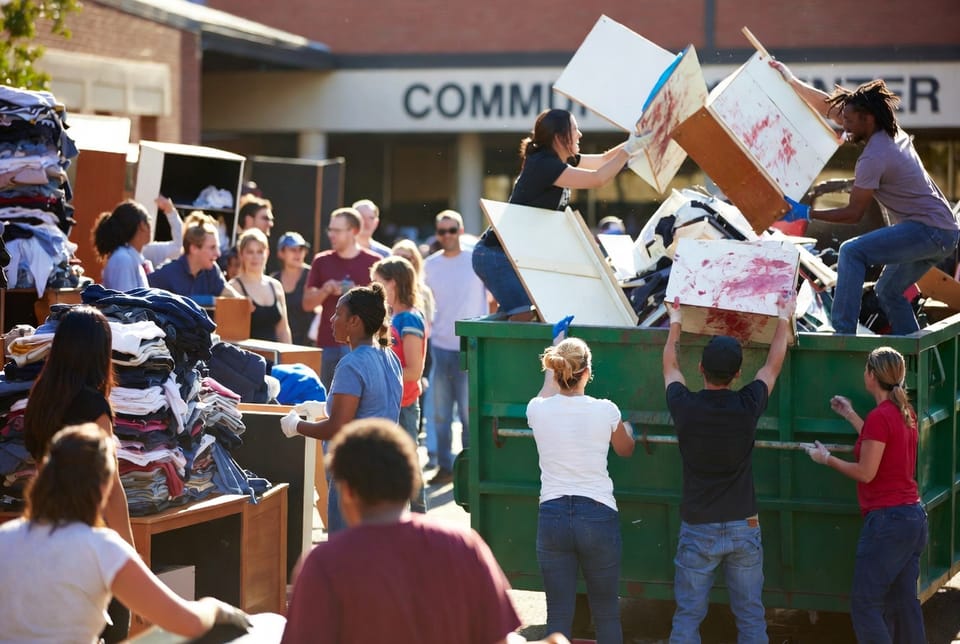
Nonprofit organizations play a vital role in supporting communities, but managing the influx of donations brings unique challenges. Donation drives often result in a mix of valuable goods and unusable materials, creating logistical hurdles that can overwhelm staff and volunteers.
Rent a Dumpster for Your Next Charity Drive – Call Now
This comprehensive guide explores how nonprofits can streamline their donation cleanup processes by partnering with professional dumpster rental services. By implementing smart sorting strategies and efficient waste removal, charities can maximize their impact while maintaining clean, safe workspaces.
Why Proper Donation Sorting Matters for Nonprofits
Nonprofits receive thousands of items annually, from clothing and household goods to furniture and electronics. However, not everything received is suitable for redistribution. Sorting donations effectively separates usable items from those that require disposal, ensuring compliance with health regulations and preserving the organization's reputation.
Key risks of improper sorting include:
- Health and safety hazards from moldy, stained, or pest-infested materials.
- Storage overload that reduces space for valuable donations.
- Increased operational costs from inefficient space use and potential fines.
By addressing these challenges head-on, nonprofits can focus on their core mission: helping those in need. Professional dumpster rental solutions provide the perfect support for handling non-donatable waste responsibly.
Understanding Donation vs. Disposal Criteria
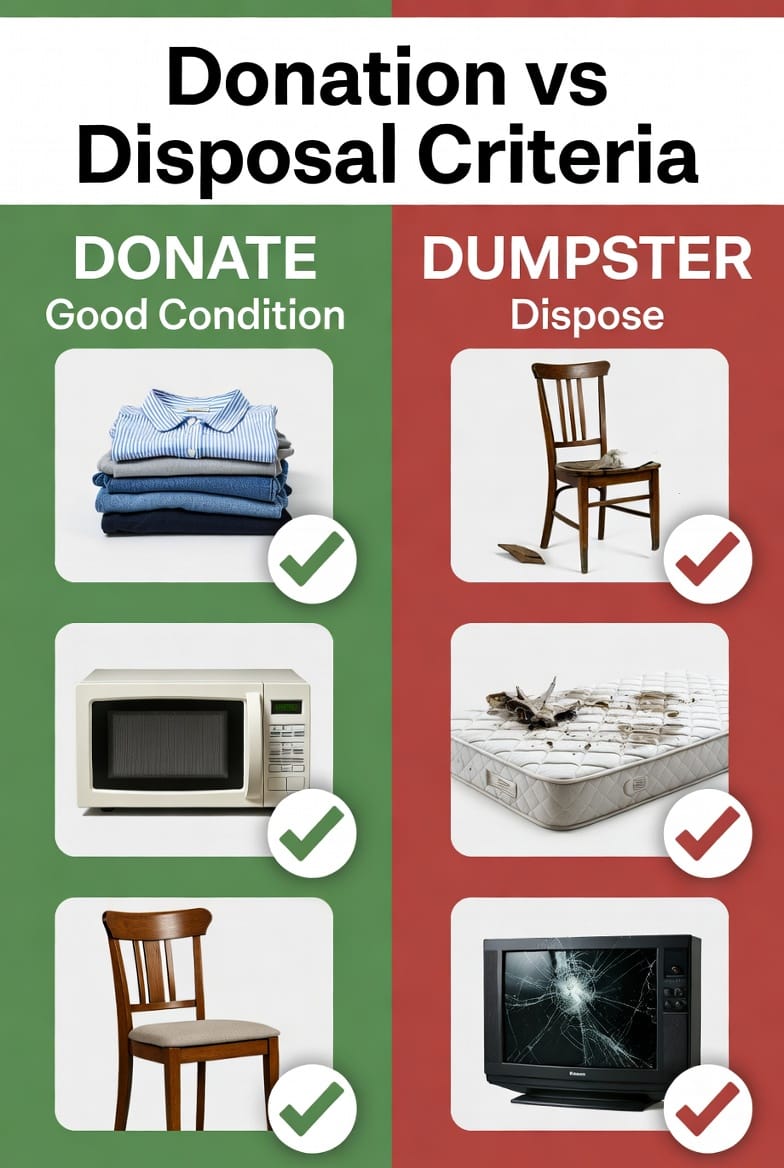
Successful donation cleanups rely on clear guidelines. Usable items in good condition — clean, functional, and undamaged — go to donation centers. Everything else belongs in the dumpster.
Common examples include:
- Donate: Clothing without holes or stains, working appliances, intact furniture.
- Dumpster: Broken furniture with missing parts, heavily stained mattresses, contaminated toys.
Coordinating volunteers is essential. Assign teams specific tasks: one group inspects incoming donations, another handles packaging for donation centers, and a dedicated crew manages waste loading into the dumpster.
Pro Tip: Create simple checklists for volunteers to follow. This ensures consistency and reduces decision fatigue during large-scale cleanups.
How Dumpster Rental Supports Nonprofit Missions
Dumpster rental offers a flexible, cost-effective solution for nonprofits dealing with bulk waste from donation drives. These services provide containers in various sizes tailored to the volume of material that cannot be donated.
Benefits for charities:
- On-demand availability for seasonal drives or one-time events.
- Safe containment of broken furniture, construction debris from facility updates, and unsanitary items.
- Environmental responsibility through proper disposal channels that prioritize recycling where possible.
- Time savings allowing staff to focus on sorting usable goods rather than waste management.
When working with donation centers, nonprofits should establish clear partnerships. Deliver high-quality items promptly while using dumpsters for the rest. This dual approach maximizes donations and minimizes landfill impact.
Step-by-Step Process for Effective Donation Cleanup
1. Planning Your Donation Drive
Start with realistic expectations. Promote guidelines for acceptable donations in advance to reduce unusable items. Coordinate with local donation centers to understand their current needs.
2. Assembling Volunteer Teams
Recruit and train volunteers on sorting protocols. Provide gloves, masks, and clear instructions. Designate separate zones for acceptance, inspection, donation preparation, and waste disposal.
Volunteer coordination tips:
- Use color-coded tags or bins.
- Schedule regular breaks to maintain focus.
- Celebrate milestones to keep morale high.
3. On-Site Sorting Operations
As donations arrive, conduct quick assessments. Usable goods move to staging areas. Non-donatable materials — broken furniture, stained clothing, unsanitary items — go directly to the designated dumpster area.
Bold emphasis on safety: Always prioritize proper lifting techniques and protective gear when handling heavy or potentially hazardous waste.
4. Partnering with Professional Dumpster Services
Choose a reliable dumpster rental provider experienced with nonprofit needs. Schedule delivery before the event and pickup immediately after to maintain site cleanliness.
5. Post-Cleanup Review
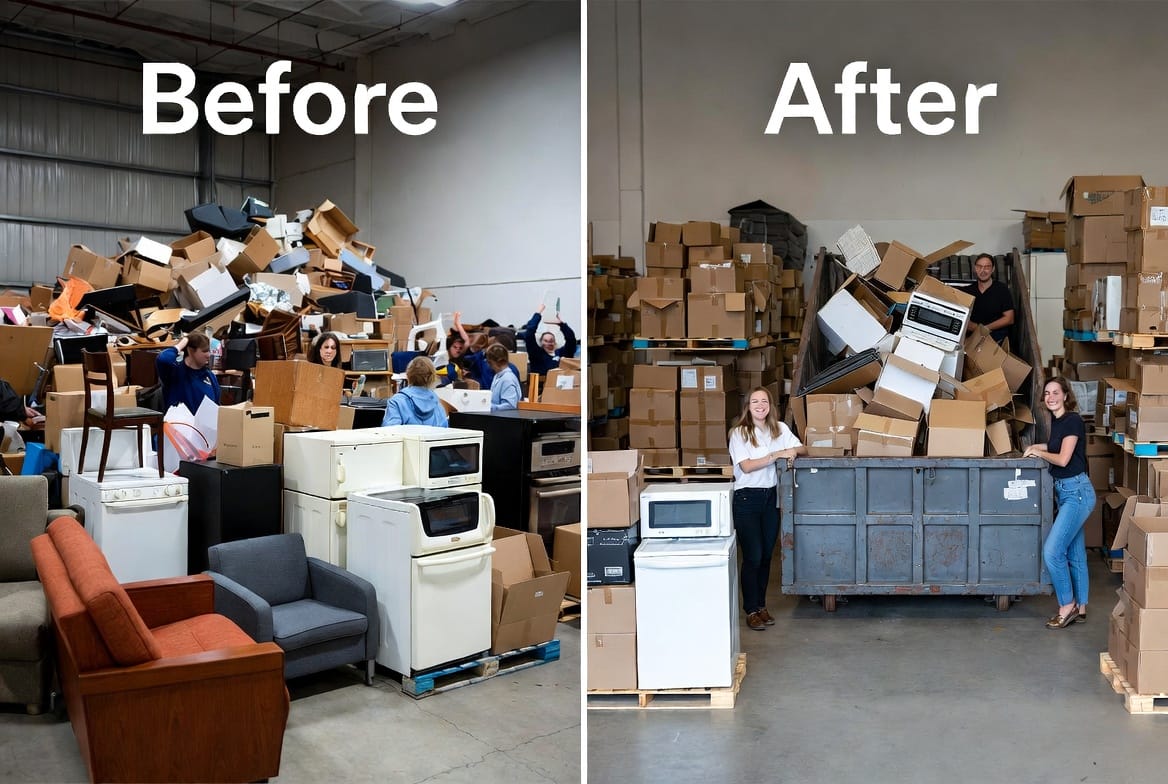
Document what worked well. Track volumes of donated versus disposed materials to improve future events. Share success stories to inspire more community support.
Common Challenges and Expert Solutions
Nonprofits often face space constraints, unpredictable donation volumes, and limited budgets. Dumpster rental directly addresses these by providing scalable waste management without long-term commitments.
Risks to avoid:
- Accumulating trash that attracts pests or creates fire hazards.
- Overburdening volunteers with manual hauling to distant disposal sites.
- Mixing contaminated items with clean donations, leading to rejection by centers.
Reassuring solution: Professional services ensure compliant, efficient removal, giving peace of mind that your cleanup supports rather than hinders your mission.
Maximizing Community Impact Through Efficient Cleanups
Effective donation management does more than clear space — it strengthens community trust. When donors see organized operations, they are more likely to contribute again. Volunteers feel valued when processes run smoothly.
SEO-optimized strategies for nonprofits include sharing cleanup success on social media, using keywords like "nonprofit donation cleanup" and "charity dumpster rental" in reports, and partnering with local businesses for sponsorships.
By separating usable donations from trash responsibly, organizations amplify their reach. Every properly sorted item helps someone in need, while responsible disposal protects the environment.
Conclusion: Maximize Donations, Dispose of the Rest Efficiently
Nonprofit donation cleanups require balance: compassion for usable goods and practicality for waste. Implementing structured sorting, volunteer coordination, and professional dumpster rental creates a sustainable model for success.
Maximize donations, dispose of the rest efficiently. This approach ensures your charity operates at peak efficiency while upholding the highest standards of care and responsibility.
Ready to streamline your next donation drive? Our team understands the unique needs of charitable organizations and delivers reliable, affordable solutions tailored to your mission.
Nonprofit Dumpster Rental Made Easy – Call Today