The Nonprofit Donation Cleanup: Sorting Donations from Trash for Charities
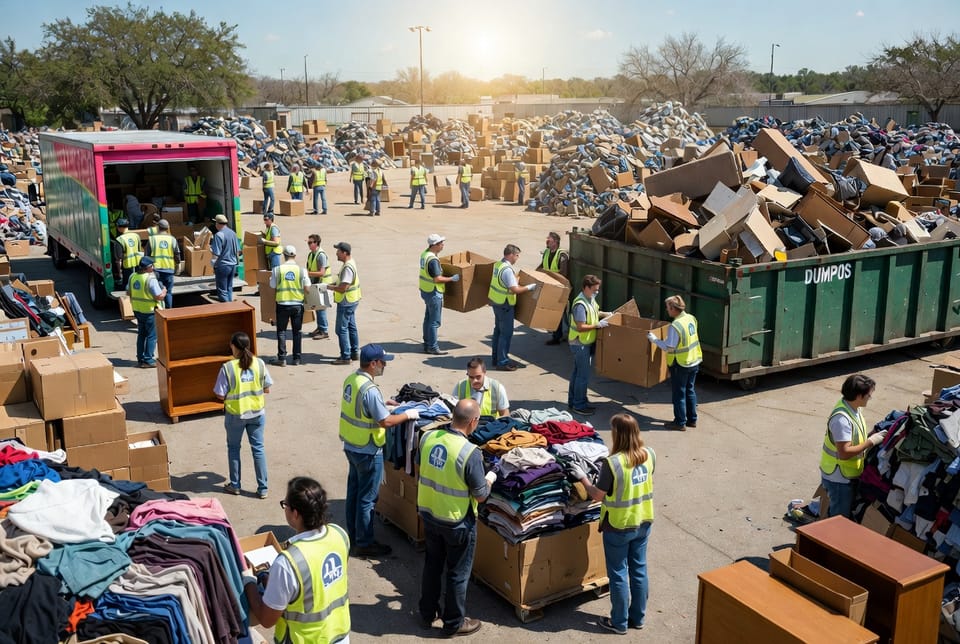
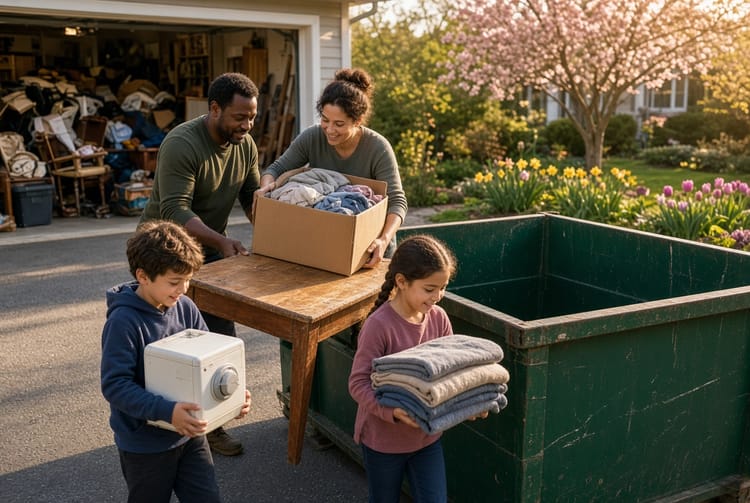
Nonprofit organizations play a vital role in supporting communities, but managing the influx of donations can quickly become overwhelming. Donation cleanups are essential for maintaining efficient operations while maximizing impact. When charities receive mixed loads of goods, knowing how to separate usable items from waste is crucial for both environmental responsibility and operational success.
Clear Donation Clutter Fast – Call for Dumpster Service
This comprehensive guide explores how nonprofits can streamline their donation sorting processes using professional dumpster rental services for non-donatable materials. By coordinating volunteers effectively and partnering with donation centers, organizations can turn chaotic cleanups into powerful opportunities for good. Whether you're handling a large estate donation or a community collection drive, proper sorting saves time, reduces costs, and ensures more resources reach those in need.
Why Proper Sorting Matters for Nonprofits
Unsorted donations create several challenges for charitable organizations. Piles of mixed items take up valuable storage space, attract pests, and increase fire hazards. More importantly, they divert staff and volunteer time away from core missions like helping families in crisis or funding community programs.
Key risks of poor donation management include:
- Wasted storage space that could be used for sorted, ready-to-distribute goods
- Increased disposal costs when everything ends up in landfills unnecessarily
- Potential damage to reputation if unusable items are passed along
- Higher insurance premiums due to clutter-related safety issues
By implementing a structured donation cleanup strategy, nonprofits can significantly improve efficiency. Professional guidance and the right tools—like reliable dumpster rentals—make the process smoother and more effective.
Understanding What Can Be Donated vs. What Belongs in the Dumpster
Successful nonprofit donation drives rely on clear criteria for sorting. Not every item received is suitable for redistribution. High-quality, gently used goods benefit recipients, while damaged or contaminated materials require responsible disposal.
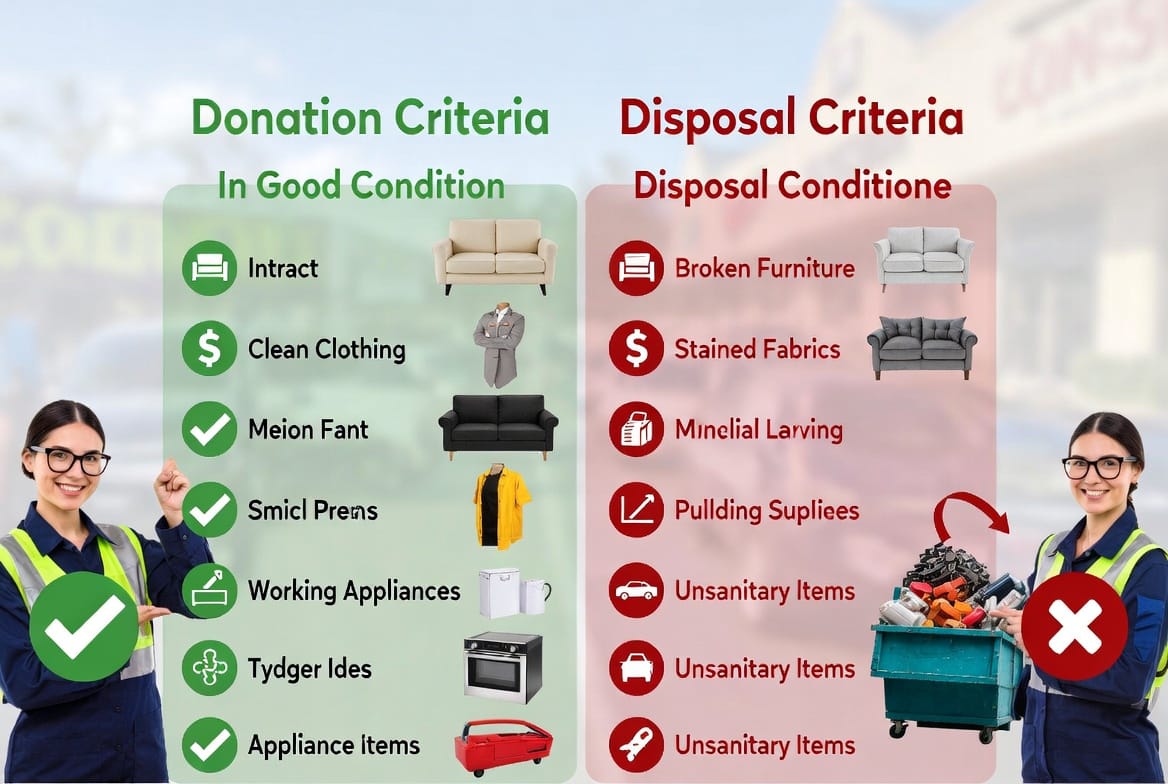
Here’s a practical breakdown of common categories:
Furniture and Large Items
- Donate: Solid wood tables, gently used sofas in good structural condition, sturdy chairs without major damage.
- Dumpster: Broken frames, water-stained upholstery, items with significant mold or pest damage.
Clothing and Textiles
- Donate: Clean, fashionable clothing in wearable condition; linens without holes or stains.
- Dumpster: Torn, heavily soiled, or moldy fabrics that cannot be safely cleaned.
Electronics and Appliances
- Donate: Working small appliances, computers, and TVs in functional condition with all parts.
- Dumpster: Non-working units with broken screens, exposed wiring, or hazardous materials.
Household Goods
- Donate: Kitchenware, books, and decor in good condition.
- Dumpster: Chipped dishes, outdated electronics with data security concerns, or heavily used personal care items.
This clear distinction helps volunteers make quick decisions during busy sorting sessions.
Coordinating Volunteers for Effective Sorting
Volunteers are the backbone of successful nonprofit donation cleanups. With proper organization, a dedicated team can process large volumes of items efficiently and compassionately.
Best practices for volunteer coordination include:
- Pre-event training sessions to review sorting criteria and safety protocols.
- Clearly labeled sorting stations with color-coded bins for different categories.
- Team leads assigned to oversee quality control and answer questions.
- Safety equipment such as gloves, sturdy shoes, and dust masks for handling unknown items.
- Shift scheduling to maintain energy levels and prevent burnout during large projects.
Encouraging positive volunteer experiences not only improves sorting accuracy but also builds long-term community support for your cause. Many volunteers return time and again when they see their efforts making a tangible difference.
The Role of Dumpster Rental in Nonprofit Operations
When donations include significant amounts of trash, professional dumpster rental becomes an invaluable partner. Nonprofits can focus on maximizing usable goods while responsibly disposing of the rest.
Benefits of using dumpsters for charities:
- Efficient space management during large cleanups.
- Cost savings compared to multiple small waste pickups.
- Environmental compliance through proper waste handling.
- Flexibility with various dumpster sizes tailored to project scope.
- Reduced liability by keeping sites clean and safe.
For organizations handling estate cleanouts, community drives, or facility renovations, a dedicated dumpster service ensures smooth operations without disrupting daily charitable activities.
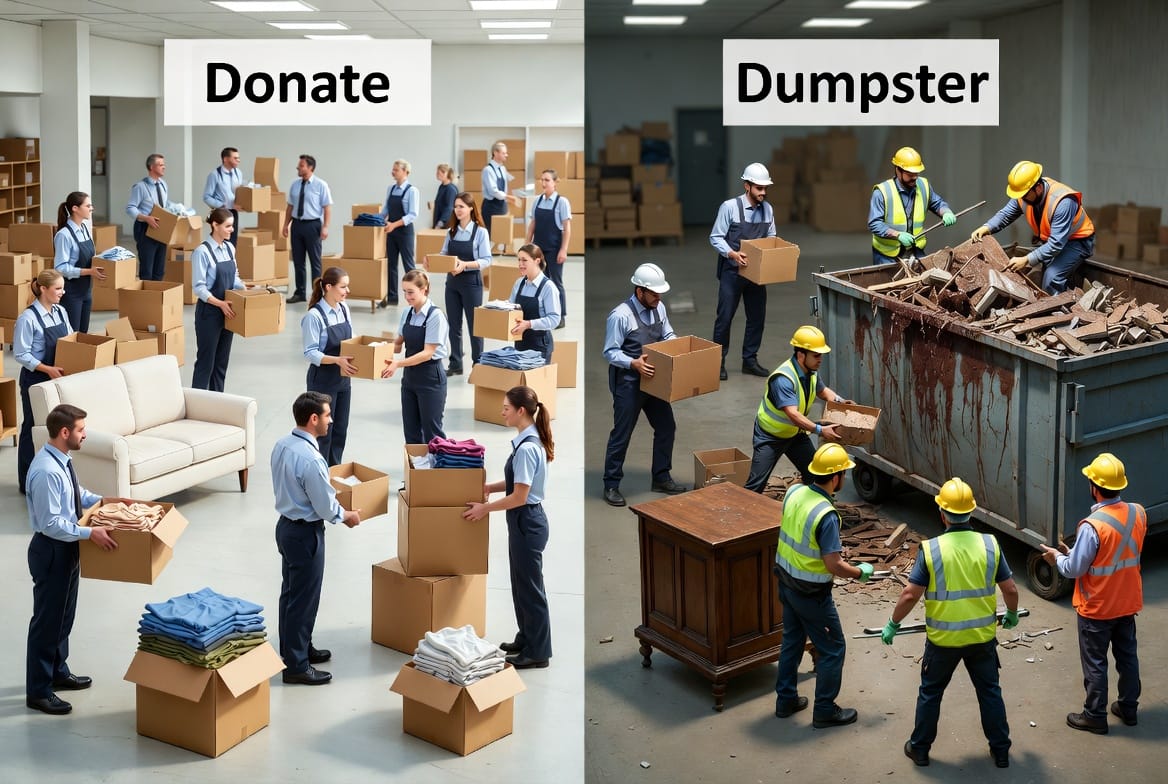
Step-by-Step Process for Successful Donation Cleanups
Implementing a reliable system ensures every cleanup runs smoothly:
- Planning Phase
Assess the volume and type of incoming donations. Arrange dumpster delivery in advance and recruit sufficient volunteers. - Setup
Create dedicated zones for receiving, sorting, donation preparation, and disposal. - Sorting Sessions
Work methodically through items using established criteria. Document high-value donations for tax purposes when applicable. - Processing Donations
Clean and repair suitable items where possible. Partner with local donation centers for distribution. - Responsible Disposal
Load non-donatable materials into the dumpster. Follow local regulations for hazardous waste. - Documentation and Follow-up
Record volunteer hours, items diverted from landfills, and goods successfully donated. Celebrate achievements to maintain momentum.
This structured approach transforms potentially overwhelming projects into manageable, rewarding endeavors.
Common Challenges and How to Overcome Them
Space constraints during peak donation seasons can be addressed by scheduling regular dumpster services. Unpredictable item quality requires flexible volunteer training. Weather-related issues for outdoor sorts benefit from covered areas or tarps.
Legal considerations are also important. Nonprofits should verify local guidelines regarding waste disposal and donation documentation. Partnering with experienced dumpster providers familiar with charitable work ensures compliance and peace of mind.
Many organizations have successfully navigated these challenges, reporting increased donation acceptance rates and improved operational flow after implementing better sorting systems.
Maximizing Community Impact Through Efficient Cleanups
Effective donation management does more than clear space—it amplifies your nonprofit’s ability to serve. Every hour saved on sorting translates to more resources for programs, more families helped, and stronger community connections.
By separating high-quality donations from trash, charities honor the generosity of donors while protecting their operational capacity. The items that reach recipients are truly valuable, increasing satisfaction and encouraging future giving.
Partnering with Experts for Seamless Operations
Working with a trusted dumpster rental provider specializing in nonprofit needs takes the stress out of disposal. Reliable service ensures timely delivery, pickup, and appropriate sizing for your specific project.
Whether it’s a one-time large cleanup or ongoing support for regular donation drives, professional assistance allows your team to focus on what matters most: making a positive difference.
Conclusion: Maximize Donations, Dispose of the Rest Efficiently
Nonprofit donation cleanups don’t have to be chaotic. With clear sorting criteria, coordinated volunteers, and the support of professional dumpster services, organizations can handle large volumes of donations effectively while minimizing waste.
Maximize donations, dispose of the rest efficiently. This balanced approach strengthens your mission and honors the spirit of community giving.
Ready to streamline your next donation cleanup? We provide reliable, affordable solutions tailored to charitable organizations, helping you focus on creating lasting impact.
Professional Dumpster for Charities – Call Now