The Music Therapy in Recovery: Using Rhythm and Song for Healing

Music therapy in recovery stands as one of the most powerful expressive modalities available today. It harnesses the universal language of rhythm and song to support individuals on their journey toward lasting sobriety and emotional wellness. Far more than simple entertainment, music therapy provides a structured, evidence-informed approach that helps people process difficult experiences when words alone may fall short.
Find Your Rhythm in Recovery – Call Now!
At its core, music therapy in addiction recovery creates safe pathways for healing. Through carefully guided sessions involving listening, playing instruments, writing lyrics, and drumming, participants discover new ways to manage emotions, reduce anxiety, and rebuild connections — both with themselves and with others.
Understanding Music Therapy in the Recovery Process
Music therapy is a clinically trained practice where credentialed therapists use musical interventions to achieve individualized goals within a therapeutic relationship. In the context of addiction recovery, it serves as a complementary modality that enhances traditional treatment methods.
Unlike passive music listening, therapeutic music engagement actively involves participants in creating or interacting with sound. This active participation helps individuals in recovery:
- Regulate overwhelming emotions
- Rebuild self-esteem after the damaging effects of substance use
- Develop healthy coping mechanisms that replace previous patterns
- Foster meaningful community bonds
The beauty of music therapy in recovery lies in its accessibility. No prior musical experience is required. The focus remains on the healing process rather than performance.
Music therapy offers a non-judgmental space where vulnerability becomes strength. Many individuals who struggle to articulate their experiences in traditional talk therapy find their voice through melody and rhythm.
How Music Therapy Reduces Anxiety and Stress
One of the most significant benefits of music therapy is its remarkable ability to lower anxiety levels. Active participation in music has been shown to decrease cortisol — the body's primary stress hormone — while promoting relaxation.
During drumming sessions or guided listening, participants often experience:
- Slower breathing patterns
- Reduced heart rate
- Decreased muscle tension
- A profound sense of present-moment awareness
These physiological changes create a foundation for emotional stability essential in early recovery, when anxiety and cravings can feel particularly intense.
Music naturally interrupts rumination cycles that often fuel addictive thinking. By engaging different brain regions simultaneously, music therapy helps shift focus from distressing thoughts toward creative expression and sensory experience.
Expressing Emotions Through Melody and Lyrics
Songwriting and lyric analysis provide powerful outlets for emotional expression in recovery. Many individuals carry deep-seated feelings of shame, grief, or anger that substances once numbed.
Through writing original lyrics or exploring meaningful songs, participants safely externalize these emotions. The creative process transforms abstract pain into concrete artistic expression, making heavy feelings more manageable.
Key benefits include:
- Emotional validation — Recognizing that others share similar struggles
- Cathartic release — Safely discharging pent-up emotions
- Cognitive reframing — Finding new perspectives through song narratives
- Self-discovery — Uncovering personal strengths and values
The structured guidance of a trained music therapist ensures this emotional work remains safe and productive, preventing overwhelm while encouraging genuine expression.
Building Community with Shared Rhythm
Drum circles and group music-making create immediate community bonds that combat the isolation so common in addiction. When people play together, they literally synchronize — heart rates, breathing, and brainwaves begin to align.
This synchronization fosters:
- Sense of belonging
- Trust development
- Non-verbal communication skills
- Collective joy and shared accomplishment
In recovery, rebuilding healthy relationships proves vital. Music therapy offers a low-pressure environment for practicing social connection. The shared focus on rhythm reduces self-consciousness while highlighting each person's unique contribution to the group sound.
Accessing Memories and Processing Trauma
Music has a unique ability to access memories and emotions stored in brain regions often unreachable through conventional therapy. Familiar melodies can gently surface significant life experiences, allowing for safe therapeutic processing.
This memory-accessing quality makes music therapy particularly valuable for addressing underlying trauma that may contribute to substance use. The therapist maintains a carefully controlled environment, ensuring participants move at their own pace.
Guided music experiences help individuals:
- Reconnect with positive memories from before addiction
- Process difficult experiences with emotional support
- Integrate fragmented aspects of their personal story
- Build a coherent narrative of growth and resilience
Practical Applications of Music Therapy in Recovery
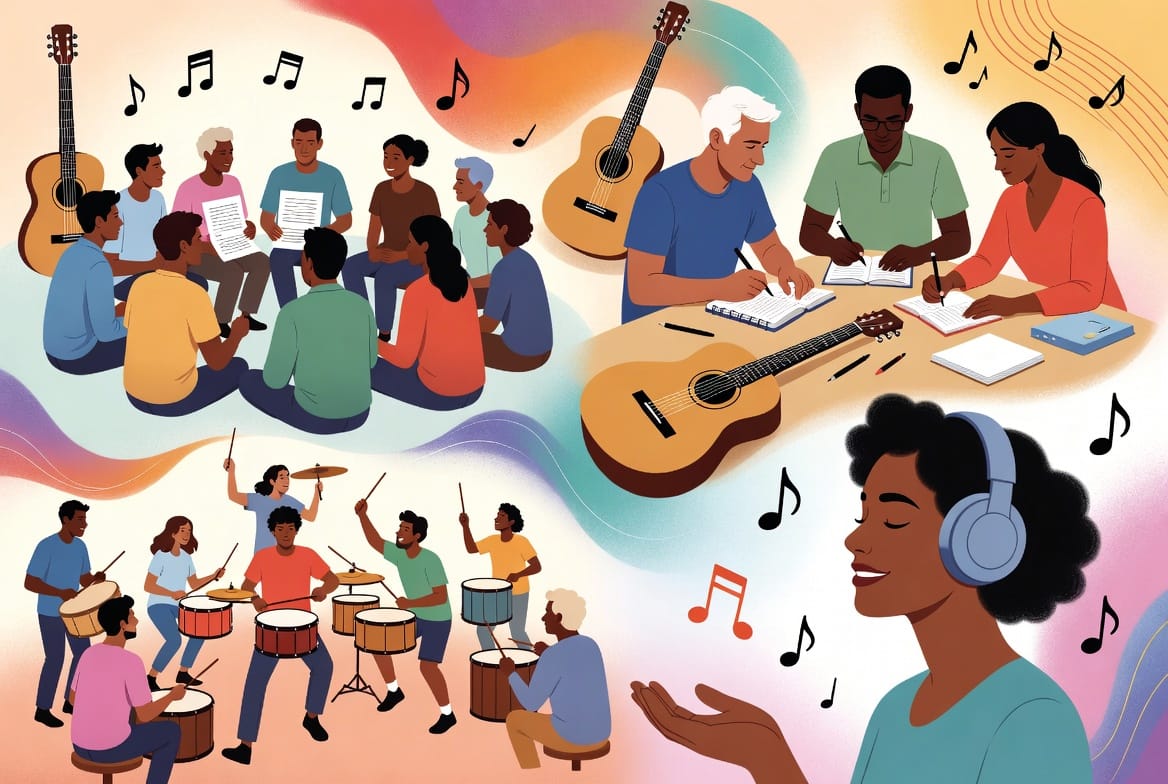
Music therapy programs incorporate various engaging activities tailored to individual needs and group dynamics:
- Guided Listening: Carefully selected music helps evoke specific emotional states for therapeutic discussion
- Instrumental Improvisation: Playing accessible instruments like drums, shakers, or guitars encourages spontaneous expression
- Songwriting: Collaborative or individual lyric creation supports personal storytelling
- Drum Circles: Group rhythmic activities build cohesion and release energy
- Lyric Analysis: Exploring meaningful songs opens pathways for insightful conversations
- Music Relaxation: Structured listening exercises teach valuable self-soothing techniques
Each activity serves specific therapeutic goals while remaining adaptable to different recovery stages and personal preferences.
The Science Behind Music's Healing Power
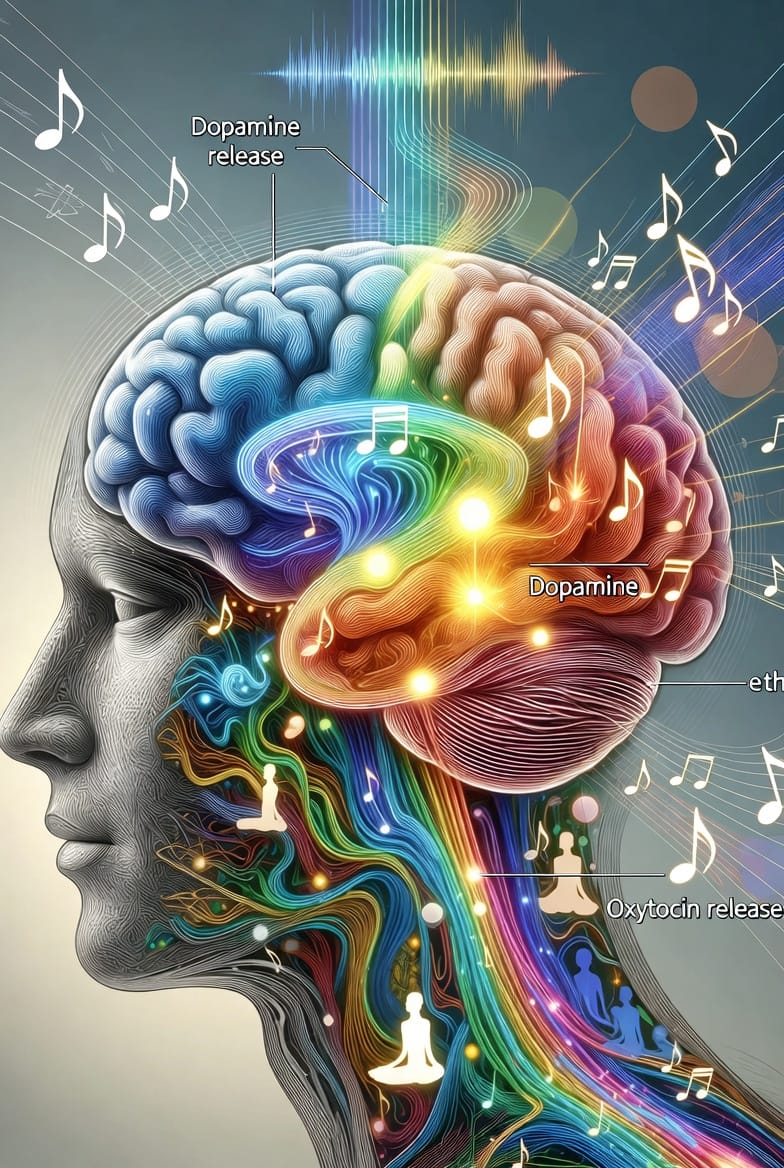
Research continues to validate what practitioners have long observed. Music therapy produces measurable changes in brain chemistry that support recovery:
- Dopamine release creates natural pleasure and motivation
- Oxytocin production enhances feelings of trust and bonding
- Endorphin activation provides natural mood elevation
- Cortisol reduction decreases overall stress levels
These neurochemical shifts help repair the brain changes caused by prolonged substance use while establishing new, healthy reward pathways.
Music therapy also strengthens cognitive functions often impaired during active addiction, including attention, memory, and executive functioning. The multi-sensory nature of musical engagement activates multiple brain regions simultaneously, promoting neuroplasticity — the brain's remarkable ability to form new connections.
Integrating Music Therapy into Comprehensive Recovery
Music therapy works most effectively as part of a holistic treatment approach. When combined with traditional counseling, medical support, and peer groups, it addresses aspects of recovery that other modalities might miss.
Treatment centers offering music therapy programs report:
- Higher client engagement levels
- Improved emotional regulation skills
- Stronger group cohesion
- Enhanced overall treatment satisfaction
The non-confrontational nature of music-based interventions makes them especially suitable for individuals hesitant about traditional therapy approaches.
Long-Term Benefits Beyond Treatment
The skills developed through music therapy extend far beyond the treatment period. Many individuals maintain personal music practices as part of their ongoing recovery toolkit:
- Using favorite playlists for craving management
- Continuing songwriting as emotional processing
- Participating in community music groups for social support
- Practicing instrumental skills for stress reduction and personal growth
These sustainable tools empower individuals to take an active role in their long-term wellness journey.
Getting Started with Music Therapy in Recovery
Beginning music therapy requires no musical background — only willingness to engage. Trained therapists meet each person where they are, adapting approaches to individual comfort levels and recovery goals.
The journey through music often reveals inner resources that individuals never knew they possessed. Many discover creative talents, emotional resilience, and renewed sense of purpose through their musical experiences.
Music therapy in recovery reminds us that healing encompasses more than abstinence. It involves rediscovering joy, creativity, and authentic self-expression — elements essential for a fulfilling sober life.
Find Your Rhythm in Recovery
The transformative power of music therapy offers hope and practical support for those seeking sustainable recovery. Through rhythm and song, individuals find pathways to healing that honor their unique experiences while connecting them to something larger than themselves.
Ready to explore music's healing potential? Learn about our comprehensive music therapy program and discover how rhythm and song can support your recovery journey.
Your path to healing may well begin with a single note. Take that first step — your recovery story deserves its own powerful soundtrack.
Discover Music’s Healing Power in Rehab – Call Today