The Mold Prevention Window: How Fast Mold Grows and How to Stop It

When disaster strikes in the form of water damage, time becomes your most valuable ally in the fight against mold growth. The mold prevention window is narrower than most people realize. Understanding exactly how fast mold grows can mean the difference between a minor inconvenience and a major health and structural crisis.
Rapid Water Extraction in 24-48 Hours – Call Today
Mold spores exist everywhere in our environment, waiting for the right conditions to activate. Once water saturates building materials, these spores can begin the germination process remarkably quickly. Professional restoration experts emphasize that the first 24 to 48 hours represent the critical period where decisive action can completely prevent mold colonization.
This article explores the science behind rapid mold growth, the specific conditions that fuel it, and most importantly, how expert professional drying techniques can stop it in its tracks. By acting swiftly with the right support, homeowners can safeguard their properties and loved ones from the hidden dangers of unchecked moisture.
The Critical Timeline: When Mold Begins to Take Hold
The speed of mold growth after water intrusion often surprises property owners. Within the initial 24 hours, moisture begins penetrating porous surfaces like drywall, carpet, and wood. During this phase, mold spores absorb water and start their metabolic processes.
By 48 hours, visible signs can emerge in optimal conditions. Small colonies begin forming, particularly in areas with limited airflow. If left unaddressed, the situation escalates rapidly.
Studies in building science confirm that most common household molds, including varieties like Aspergillus and Penicillium, can establish themselves quickly on damp organic materials. The mold prevention window closes fast because once hyphae (the root-like structures of mold) extend into materials, removal becomes far more complex and costly.
Professional teams know that every hour counts. Advanced moisture detection tools help identify hidden saturation in walls and under floors where problems brew unseen. Rapid response not only limits spread but preserves the integrity of your home's structure.
Delaying even by a few days allows the problem to multiply exponentially. What starts as manageable water extraction can transform into extensive demolition and mold remediation if the mold growth cycle completes.
What Mold Needs to Thrive: The Essential Growth Triangle
Mold growth requires three primary elements working in harmony: sufficient moisture, suitable temperature, and an organic food source. Understanding this triangle empowers homeowners to disrupt the process effectively.
Moisture is the trigger. Whether from a burst pipe, flooding, or chronic leak, excess water creates the damp environment mold craves. Materials with moisture content above 16% become vulnerable. High relative humidity above 60% sustains the threat even after visible water is gone.
Temperature plays a supporting role. Most molds thrive in the 70 to 90 degrees Fahrenheit range common in occupied homes. This explains why indoor water damage often leads to faster issues than cold outdoor exposures.
The third component is food. Mold feeds on organic matter abundant in homes: cellulose in paper, wood, drywall, and fabric. Carpet padding and insulation provide ideal nutrients. This is why seemingly clean surfaces can harbor hidden growth.
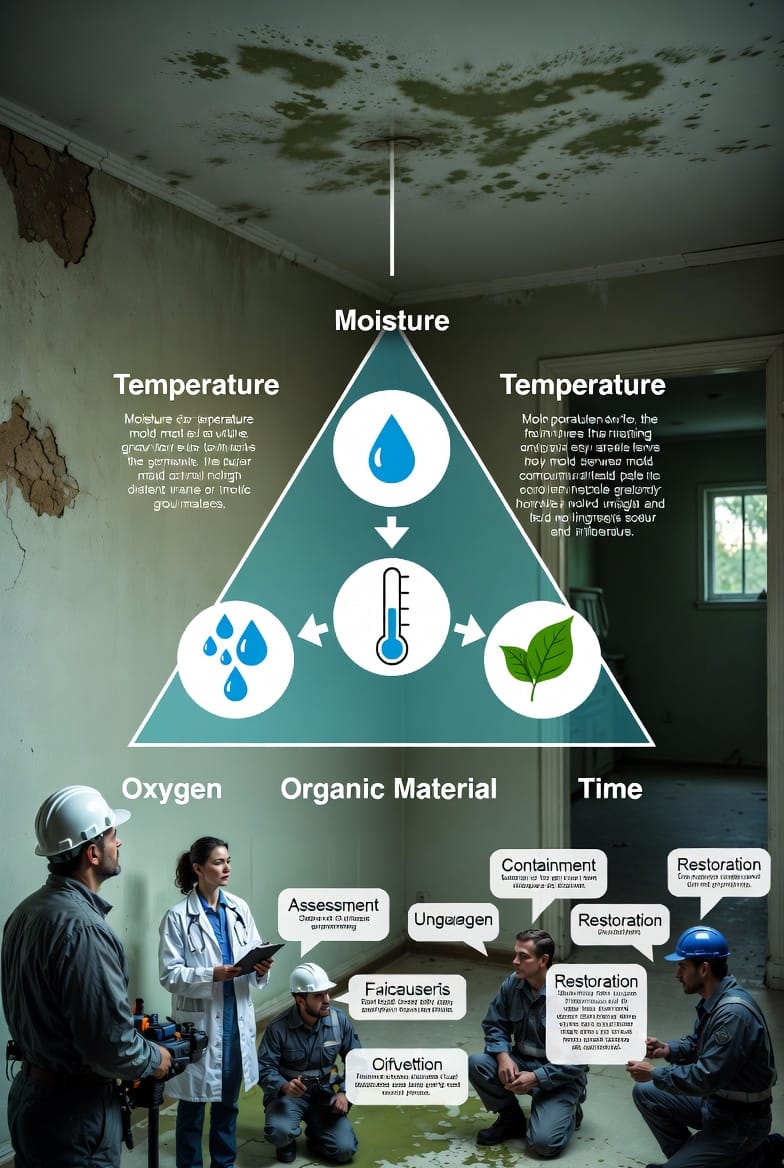
By targeting any one of these factors, particularly moisture, professionals can halt development. This is where rapid professional drying proves invaluable, using specialized equipment designed to remove water at the molecular level.
The Hidden Risks of Waiting Too Long
Allowing water damage to linger beyond the mold prevention window introduces serious consequences. Health risks top the list. Mold releases spores and mycotoxins that can trigger allergic reactions, asthma exacerbations, and respiratory issues. Vulnerable individuals including children, elderly, and those with compromised immune systems face greater threats.
Structurally, mold growth weakens wood framing and drywall. Over time, this leads to rot, compromising the safety of your home. Unpleasant odors and unsightly staining further diminish property value and livability.
Financially, the costs multiply. Initial water extraction is straightforward and affordable. Once mold establishes colonies, extensive removal, specialized cleaning, and potential reconstruction drive expenses significantly higher. Insurance claims often highlight the importance of quick reporting and professional documentation.
The reassuring news is that these outcomes are largely preventable. With authoritative guidance from restoration specialists, homeowners can navigate water emergencies confidently. Early detection combined with expert response keeps small incidents from becoming overwhelming problems.
How Professional Drying Technology Stops Mold Before It Starts
The cornerstone of effective mold prevention lies in professional drying methods that far surpass DIY approaches. Certified technicians arrive equipped with industrial-grade tools engineered for speed and thoroughness.
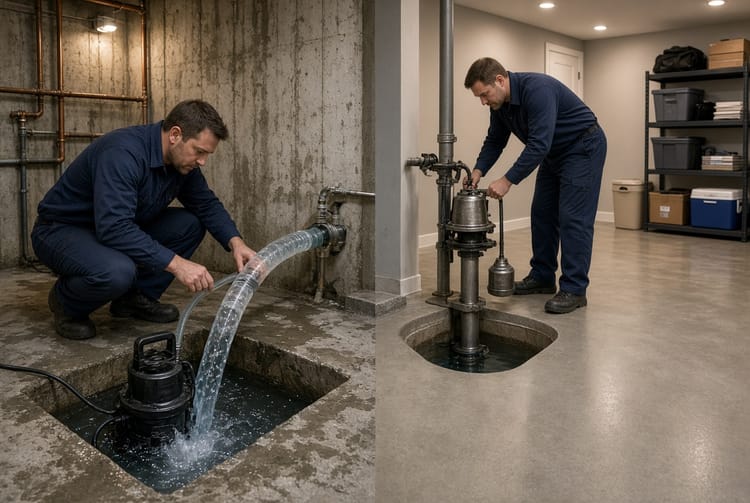
First comes aggressive water extraction. Powerful truck-mounted or portable extractors remove standing water and pull moisture from deep within materials. This step alone can eliminate up to 70% of excess water in the initial hours.
Next, strategic deployment of air movers creates directed airflow across surfaces, dramatically accelerating evaporation. These specialized fans work in concert with dehumidifiers that extract water vapor from the air, lowering humidity to levels where mold cannot prosper.
Advanced monitoring ensures success. Technicians use moisture meters, thermal imaging cameras, and hygrometers to verify drying progress. Daily measurements confirm when materials return to normal moisture content, typically under 15% for wood and similar for other surfaces.
This scientific approach targets the moisture requirement directly, breaking the growth cycle within the critical 24-48 hour window. Homes treated promptly often show no mold development whatsoever, even in challenging conditions.
Restoration professionals also advise on temporary measures like controlled ventilation and protective coverings for belongings. Their experience allows tailored plans for different property types, from single-family homes to larger commercial spaces.
Your Actionable Step-by-Step Mold Prevention Guide
Immediate response makes all the difference. Follow these proven steps while awaiting professional arrival or as part of their guided plan:
- Extract water quickly: Remove as much standing water as possible using available means, but leave heavy extraction to experts with proper equipment.
- Increase airflow: Open windows when weather permits and position fans to promote circulation without spreading contaminants.
- Remove wet porous materials: Carefully take out soaked carpets, padding, and furniture when safe to do so. These items harbor mold fastest.
- Monitor humidity levels: Use affordable hygrometers to track indoor moisture. Aim to keep relative humidity below 50%.
- Document everything: Take photos for insurance purposes before and during the drying process.
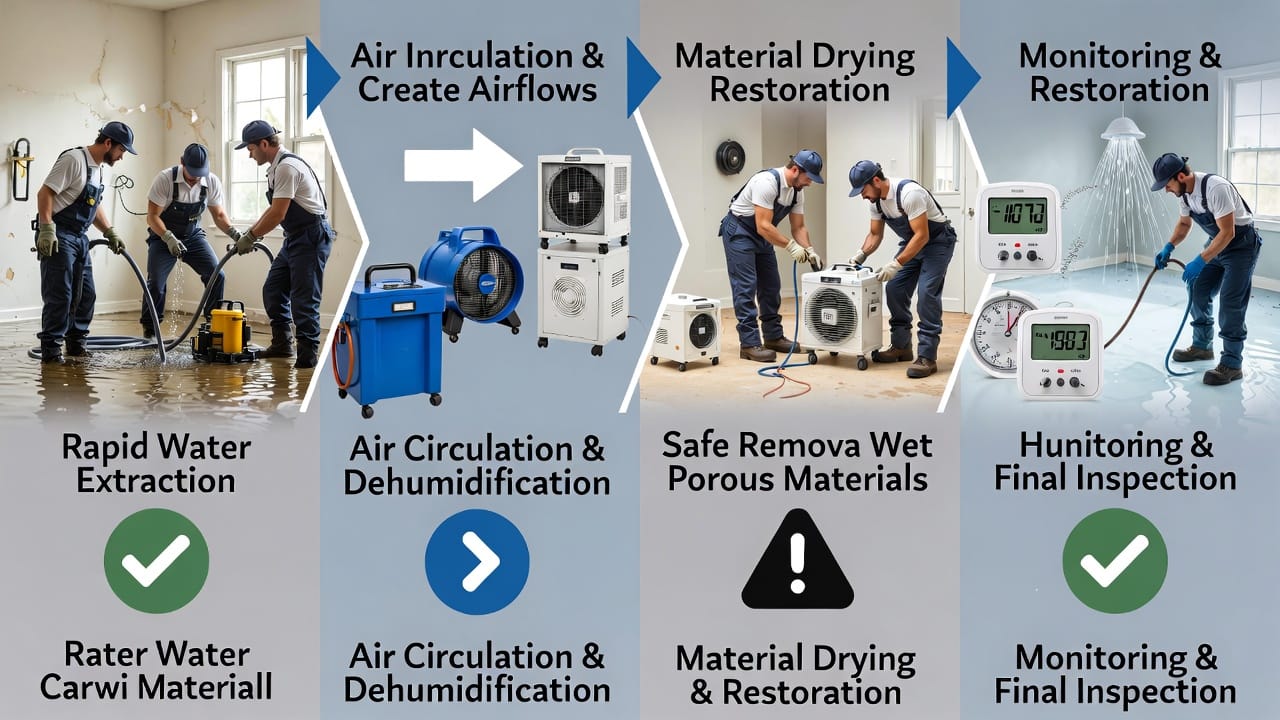
Following these guidelines under professional supervision ensures comprehensive protection. The combination of technology and technique provides peace of mind during stressful situations.
Debunking Common Myths About Mold After Water Damage
Several misconceptions can delay necessary action. One myth suggests mold only appears in neglected older properties. In reality, any home with unresolved water damage is susceptible regardless of age.
Another claims household bleach eliminates all threats. While surface cleaning helps, bleach does not penetrate materials where mold roots grow. Professional antimicrobial treatments are required for safety.
Understanding facts versus fiction reinforces the need for expert assessment rather than guesswork.
Recognizing When Professional Help Is Essential
Certain signs indicate immediate need for certified water damage restorers. Extensive flooding, hidden moisture in cavities, or any water event involving sewage require specialized knowledge. Persistent musty odors or health symptoms also warrant quick calls.
The investment in professional services pays dividends through faster recovery, proper documentation for claims, and prevention of future complications.
Protecting Your Home Long-Term
Beyond immediate response, maintain vigilance with regular inspections of plumbing, proper ventilation in bathrooms and kitchens, and prompt leak repairs. Consider whole-home dehumidification systems in humid climates.
Stop Mold Before It Starts
The mold prevention window offers a clear opportunity for success. By understanding how fast mold grows and prioritizing rapid professional drying, you maintain control over your property's safety and value.
Our trained teams stand ready 24/7 to secure your mold prevention window and restore peace of mind.
Save Your Home from Hidden Mold – Call Experts Today