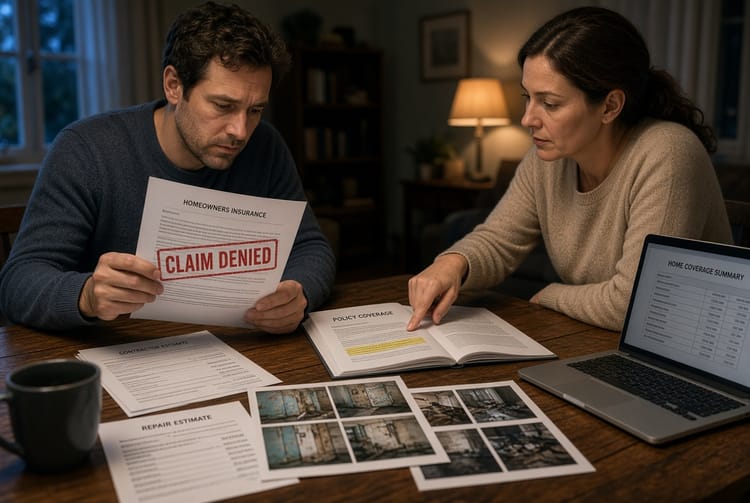
The Mold Coverage Exclusion: When Insurance Covers and When It Doesn't
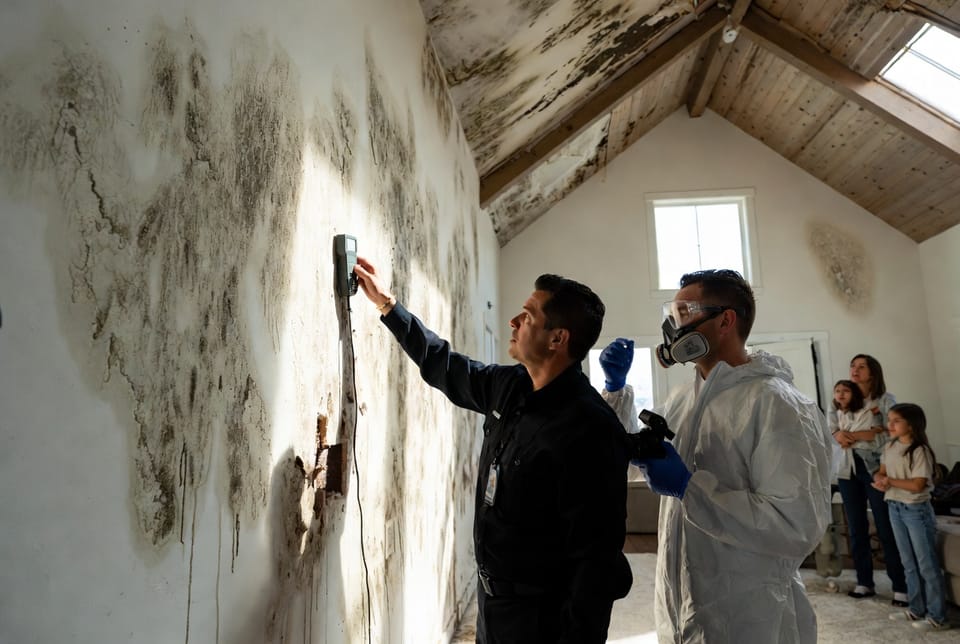
Mold growth in homes is a silent threat that can escalate quickly, impacting both property and health. Many homeowners assume their standard home insurance policy will fully protect them against mold damage, but this common misconception often leads to unexpected financial burdens. Understanding mold coverage exclusions is essential for safeguarding your home and peace of mind. In this comprehensive guide, we'll explore when your insurance steps in, when it doesn't, and practical steps to protect yourself.
Protect Your Home from Mold Risks – Call Today
Whether you're a homeowner in Dallas or anywhere across Texas, knowing these details empowers you to make informed decisions before an issue arises.
Understanding Mold as a Home Hazard
Mold thrives in damp, humid environments and can appear within 24-48 hours after water intrusion. Beyond unsightly black or green patches on walls, ceilings, or under floors, mold releases spores that may trigger respiratory issues, allergies, and other health concerns, particularly for children, elderly family members, or those with compromised immune systems.
Key risks include structural weakening of drywall, wood rot, and reduced indoor air quality. In Texas's humid climate, these issues can intensify rapidly after storms or plumbing failures. Homeowners often discover mold during routine maintenance or after a water event, turning a manageable problem into a costly ordeal if coverage gaps exist.
Early detection and prompt action are your strongest allies. Professional remediation not only removes visible growth but addresses hidden colonies behind walls or in HVAC systems, restoring your home safely.
How Standard Home Insurance Policies Address Mold
Most standard HO-3 homeowners insurance policies treat mold differently from sudden perils like fire or windstorms. Mold is generally considered a maintenance issue rather than a direct covered peril. This means coverage is limited and conditional.
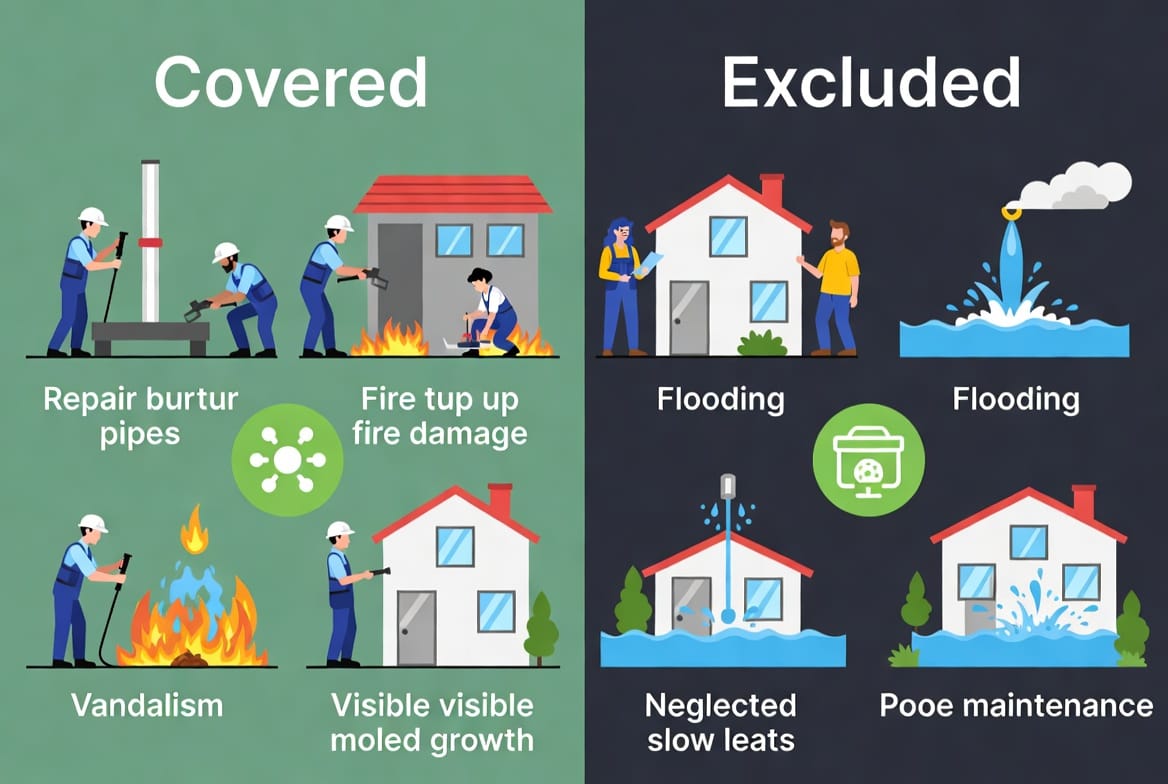
Insurance providers typically exclude mold unless it results directly from a covered peril. For example, if a pipe bursts suddenly and causes water damage that leads to mold, the subsequent mold remediation may be covered—up to policy limits. However, mold arising from gradual wear, poor ventilation, or flooding is almost always excluded.
This mold coverage exclusion exists because insurers aim to encourage proactive home maintenance. Without it, policies could become unsustainable due to widespread claims from preventable moisture issues.
When Insurance Covers Mold Damage
Coverage kicks in primarily when mold is a secondary result of a covered event. Here are the most common scenarios:
- Burst Pipes or Sudden Water Leaks: A sudden plumbing failure from freezing temperatures or accidental damage often qualifies. Insurers cover the water damage repair and reasonable mold remediation.
- Fire Suppression Systems: Water from sprinklers or hoses used to extinguish a fire can lead to mold if not dried promptly. This is typically covered as part of the fire claim.
- Vandalism or Theft Damage: If vandals cause water damage that results in mold, policies often extend coverage for resulting microbial growth.
- Windstorm or Hail Damage: In some cases, roof damage allowing water intrusion may trigger mold coverage if the initial peril is covered.
Important note: Coverage usually requires immediate reporting and professional mitigation. Delaying action can turn a covered claim into a denied one due to negligence.
In these situations, policyholders often work with licensed restoration teams to document the damage thoroughly, supporting a smoother claims process.
Common Exclusions: When Mold Isn't Covered
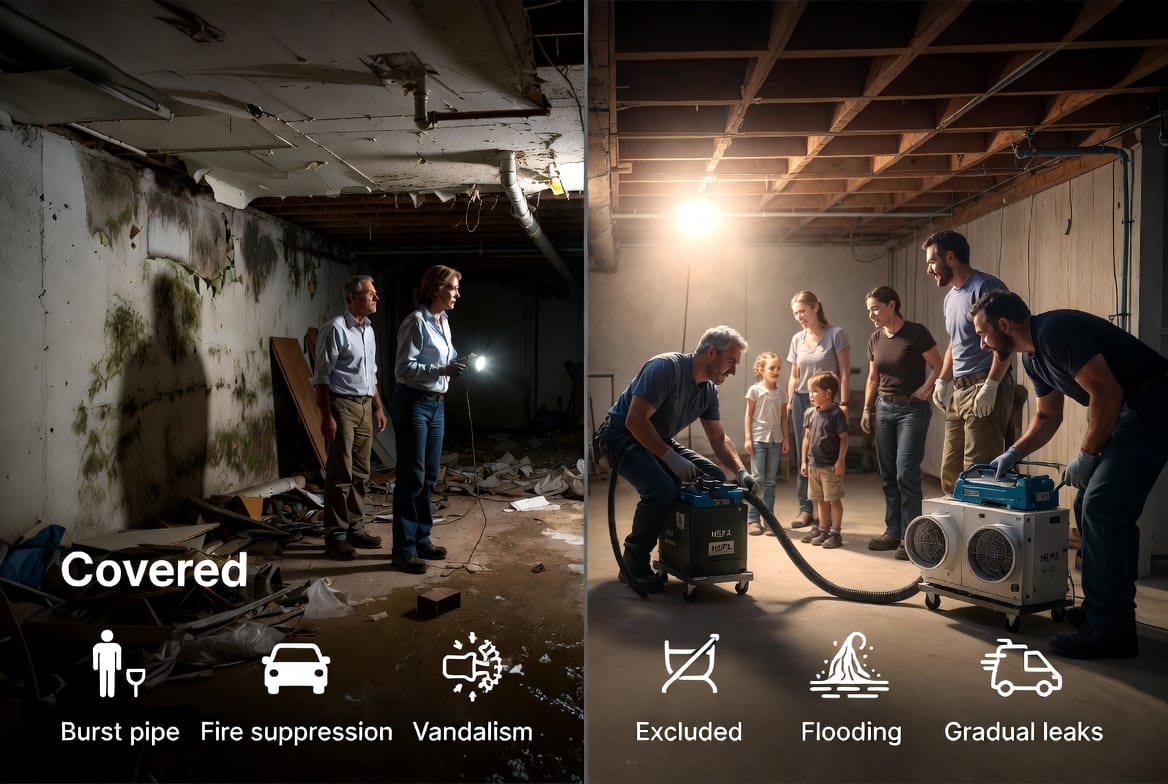
Understanding exclusions helps you avoid surprises. Insurance policies explicitly limit or deny mold claims in these frequent cases:
- Flooding: Standard policies do not cover flood damage or resulting mold. Separate flood insurance through the National Flood Insurance Program (NFIP) or private carriers is required.
- Long-Term Leaks and Neglect: Slow leaks from poorly maintained plumbing, roofs, or appliances usually fall under "wear and tear" exclusions. Failure to address known issues can void related mold claims.
- Poor Ventilation or Humidity Control: Mold from bathroom steam, unvented dryers, or inadequate crawl space sealing is considered a maintenance responsibility.
- Earth Movement or Sewer Backup (without endorsement): Depending on your policy, these may require specific riders.
Reviewing your declarations page and policy endorsements is crucial. Many homeowners enhance protection with mold remediation endorsements that increase limits beyond standard amounts.
Typical Mold Coverage Limits
When mold is covered as a secondary loss, policies commonly cap reimbursement at $5,000 to $10,000. This includes removal, cleaning, and sometimes temporary relocation costs. Higher limits may be available through endorsements for an additional premium—well worth considering in mold-prone areas.
Exceeding these limits means paying out-of-pocket for extensive remediation, which can easily surpass $20,000-$50,000 for widespread infestations. Always document everything: photos, professional estimates, and communication with your insurer strengthen your position.
Real-Life Scenarios: Lessons from Texas Homeowners
Consider a Dallas suburban family whose washing machine supply line ruptured overnight. The resulting water damage led to hidden mold behind baseboards. Because the burst was sudden, their policy covered repairs and remediation up to the limit—saving them thousands.
Contrast this with a homeowner who ignored a slow roof leak over months. When mold appeared, the claim was denied due to gradual damage and neglect. The family faced full remediation costs plus health concerns.
These stories highlight why vigilance matters. Proactive policy reviews prevent such disparities.
Effective Prevention Strategies for Mold Control
Prevention remains the best defense. Implement these authoritative recommendations:
- Maintain Proper Drainage: Ensure gutters and downspouts direct water away from foundations. Clean them regularly to prevent backups.
- Monitor Plumbing and Appliances: Inspect hoses on washing machines, dishwashers, and refrigerators annually. Replace aging components proactively.
- Control Indoor Humidity: Use dehumidifiers to keep levels below 50%. Ventilate bathrooms, kitchens, and attics effectively.
- Prompt Water Cleanup: Address any leaks or spills within 24 hours. Professional drying equipment prevents mold colonization.
- Regular Home Inspections: Schedule annual professional checks of roofs, basements, and HVAC systems.
- Improve Ventilation: Install exhaust fans and ensure crawl spaces have proper vapor barriers.
These steps not only reduce mold risks but may also qualify you for insurance discounts through home maintenance programs.
What to Do If You Discover Mold
- Avoid Disturbing It: Disturbing large areas can spread spores.
- Document Thoroughly: Take dated photos and notes on the extent.
- Contact Professionals: Hire certified mold inspectors and remediators.
- Notify Your Insurer: Report promptly, providing details of any triggering event.
- Follow Expert Guidance: Adhere to remediation protocols for safe, complete removal.
Working with reputable local teams ensures compliance with industry standards and supports your insurance claim.
Reviewing and Optimizing Your Home Insurance Policy
Don't wait for a crisis. Schedule a comprehensive policy review with an experienced agent. Discuss adding mold endorsements, increasing limits, or bundling with flood coverage if needed.
In Texas, where weather extremes are common, tailored protection provides reassurance. Compare options, ask about endorsements for water damage and mold, and understand deductibles.
Empowering yourself with knowledge transforms potential vulnerabilities into managed risks.
Taking Action for Lasting Protection
Mold issues test even the most prepared homeowners, but understanding your coverage changes the outcome dramatically. By recognizing when insurance covers mold—typically after sudden covered perils—and addressing exclusions head-on, you protect your largest investment effectively.
Understand your mold coverage before you need it. Don't leave your home vulnerable to this common gap. Our experts help ensure you have the right protection in place, giving you confidence and security for years ahead.
Secure Better Mold Coverage Today – Free Review