The Home Inventory Checklist: What to Document for Every Room

Creating a home inventory checklist is one of the smartest steps any homeowner can take to protect their most valuable investment — their home and everything inside it. In the event of theft, fire, natural disaster, or unexpected damage, a detailed inventory provides the essential documentation needed for a smooth and fair home insurance claim. Without it, you risk undervaluing your belongings and facing lengthy delays or denials.
Protect Your Belongings – Get Inventory Guidance Now
This practical, room-by-room guide empowers you with an authoritative framework to document your possessions confidently. By following these steps, you gain peace of mind, faster claim processing, and stronger financial protection. Whether you're a new homeowner or a seasoned one, a thorough inventory is your proactive defense.
Why a Room-by-Room Home Inventory Matters
Home insurance policies rely on accurate proof of ownership and value. A comprehensive inventory serves as that proof. It helps establish the replacement cost of items, supports accurate coverage limits, and prevents disputes during claims.
Key benefits include:
- Faster claims processing — Insurers can verify losses quickly.
- Better coverage decisions — Identify if you need additional riders for high-value items like jewelry or art.
- Tax and estate planning support — Useful for appraisals, donations, or inheritance.
- Peace of mind — Knowing you're prepared reduces anxiety about "what if" scenarios.
Start today. Document systematically, update annually or after major purchases, and store copies securely in the cloud and a fireproof safe.
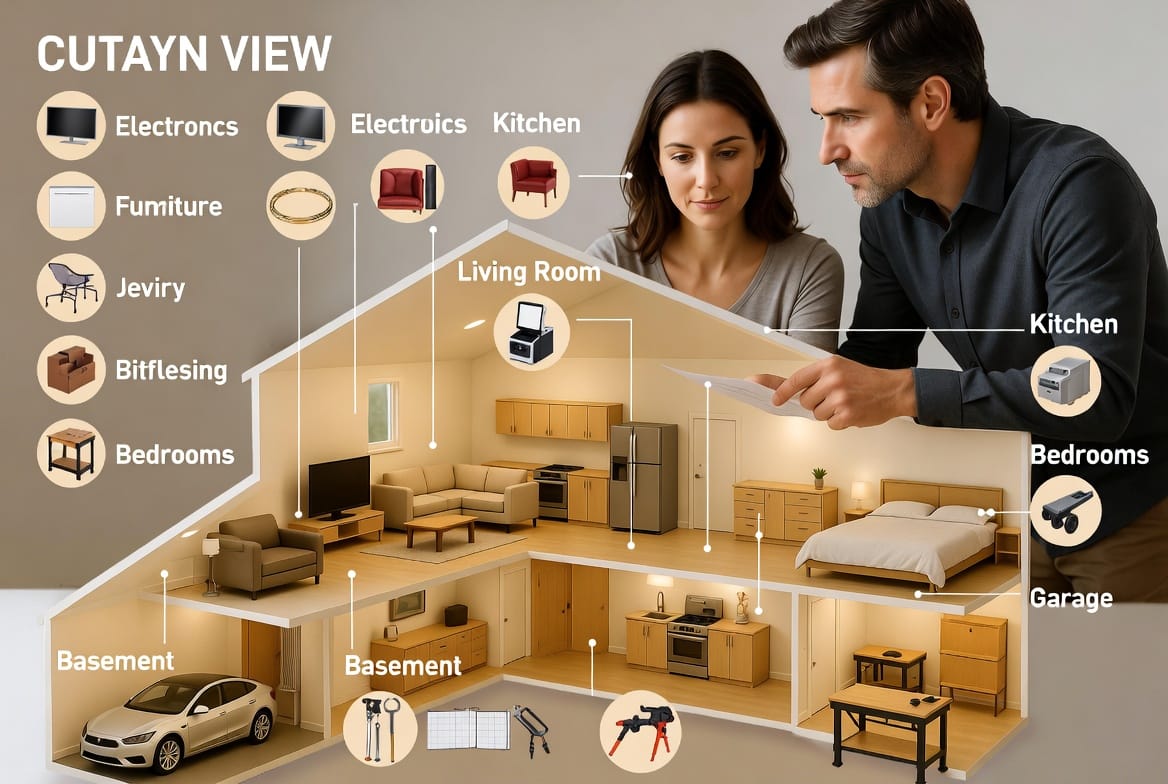
Living Room: Documenting High-Value Entertainment and Comfort Items
The living room often contains some of the most expensive and frequently used items in a home. Begin here to build momentum.
What to document:
- Electronics — TVs, sound systems, streaming devices, gaming consoles. Record make, model, serial numbers, purchase date, and current value.
- Furniture — Sofas, coffee tables, entertainment centers, recliners. Note materials, dimensions, and any custom features.
- Art and decor — Paintings, sculptures, collectibles, rugs, and lamps. Photograph from multiple angles and include appraisal details for high-value pieces.
- Window treatments and accessories — Curtains, blinds, throw pillows, bookshelves with rare books.
Pro tip: Use your smartphone to take clear photos with a reference object for scale. Create a digital folder labeled "Living Room – [Date]". Boldly note any high-value items exceeding $1,000 individually, as these may require scheduled personal property coverage.
Documenting these elements ensures you can replace your family gathering space without financial strain.
Kitchen: Capturing Appliances and Everyday Essentials
Kitchens hold functional items that add up quickly in replacement costs. A detailed kitchen inventory protects your daily routines.
What to document:
- Major appliances — Refrigerator, stove, oven, microwave, dishwasher. Include model numbers, age, and warranty information.
- Cabinets and built-ins — Custom cabinetry, countertops, pantry systems. Photograph construction details and materials.
- Small appliances and gadgets — Coffee makers, blenders, food processors, cookware sets.
- Tableware and storage — Dinnerware, silverware, glassware, and specialty items like china sets.
Photograph open drawers and cabinets to show contents. Estimate quantities for everyday items like utensils and small tools. This level of detail reassures you that your kitchen can be fully restored after any covered loss.
Bedrooms: Protecting Personal Belongings and Valuables
Bedrooms contain deeply personal items, making thorough documentation both practical and emotionally important.
What to document:
- Clothing and accessories — Wardrobes, seasonal items, shoes, handbags. Focus on high-end designer pieces.
- Jewelry — Rings, necklaces, watches, heirlooms. Secure separate appraisals and photos on a neutral background.
- Electronics — Laptops, tablets, chargers, bedside lamps, alarm clocks.
- Furniture and bedding — Beds, dressers, nightstands, mattresses, luxury linens.
- Personal collections — Books, hobbies, sports equipment stored in closets.
Security note: Jewelry and collectibles often have coverage limits in standard policies. Documenting them properly allows you to discuss riders with your insurer for full protection.
Take time-stamped photos and videos walking through each closet. This creates a reassuring record of your private sanctuary.
Basement: Organizing Stored Items and Utility Spaces
Basements frequently house overlooked treasures and practical necessities. A basement inventory prevents forgotten losses.
What to document:
- Tools and equipment — Power tools, hand tools, workbenches, ladders.
- Stored items — Holiday decorations, seasonal clothing, family keepsakes, photo albums.
- Furniture and appliances — Spare refrigerators, freezers, exercise equipment.
- Utility systems (for reference) — Water heaters, HVAC components, electrical panels — note makes and models for potential claims.
Use clear plastic bins for organization during inventory. Label and photograph contents. This methodical approach turns a potentially chaotic space into a documented asset.

Garage: Covering Vehicles, Tools, and Outdoor Gear
Garages often contain high-value items like vehicles and expensive equipment. Complete your inventory here.
What to document:
- Vehicles — Cars, motorcycles, bicycles. Record VINs, mileage, modifications, and maintenance records.
- Tools and machinery — Lawn mowers, snow blowers, generators, workshop tools. Include serial numbers.
- Storage and sports equipment — Shelving, outdoor furniture, camping gear, sports items.
- Additional items — Paint supplies, hardware, seasonal tools.
Photograph license plates, tool chests, and wall organization. This ensures your workspace and transportation assets are fully protected under your home insurance policy.
Best Practices for Creating and Maintaining Your Home Inventory
- Choose your method — Apps, spreadsheets, or dedicated home inventory software with photo upload features.
- Be thorough but efficient — Spend 15-30 minutes per room. Use voice notes for descriptions.
- Include proof of value — Receipts, purchase emails, or recent appraisals.
- Digital security — Store in multiple locations with password protection and backups.
- Review regularly — Update after major purchases, moves, or renovations.
- Professional assistance — For complex collections or high-net-worth homes, consider hiring an appraiser.
These practices transform inventory creation from a chore into a reassuring act of self-protection.
By methodically working through each room, you build a living record that reflects your life and lifestyle. This documentation directly supports your home insurance in delivering on its promise when you need it most.
Take Action Today for Lasting Protection
Document your home room by room. A completed home inventory checklist is your foundation for confident, comprehensive coverage.
If you need expert guidance on integrating your inventory with your current policy or exploring enhanced protection options, reach out to our team.
Your home deserves complete protection. Start your room-by-room inventory now and enjoy the confidence that comes with being prepared.
Build Your Home Inventory Checklist – Call Today