The Microwave Door Interlock Switch: Safety and Replacement
Microwaves are essential appliances in modern kitchens, offering quick and convenient heating for busy households. However, safety mechanisms within these devices play a critical role in protecting users from potential hazards. Among these, the microwave door interlock switch stands out as a vital component that ensures the appliance operates only when the door is securely closed.
Replace Faulty Door Interlock Switch – Call Now!
Understanding this switch, recognizing signs of failure, and knowing when to replace it can prevent serious risks, including exposure to harmful radiation. In this comprehensive guide, we explore everything you need to know about this critical safety feature and why professional attention is often the wisest choice.
What Is a Microwave Door Interlock Switch?
The microwave door interlock switch is a sophisticated safety device designed to interrupt power to the magnetron—the part that generates microwaves—whenever the door is not fully latched. These switches act as guardians, preventing the appliance from running with an open door.
Most microwaves feature multiple interlock switches working together in a redundant system. This redundancy provides layered protection, ensuring that even if one switch malfunctions, others maintain safety protocols.
Key functions include:
- Detecting proper door closure through mechanical levers or magnetic sensors.
- Cutting off high-voltage power instantly upon door opening.
- Enabling start functions only under safe conditions.
By design, these switches prioritize user safety above all else, aligning with strict industry standards for household appliances.
How Do Microwave Door Interlock Switches Work?
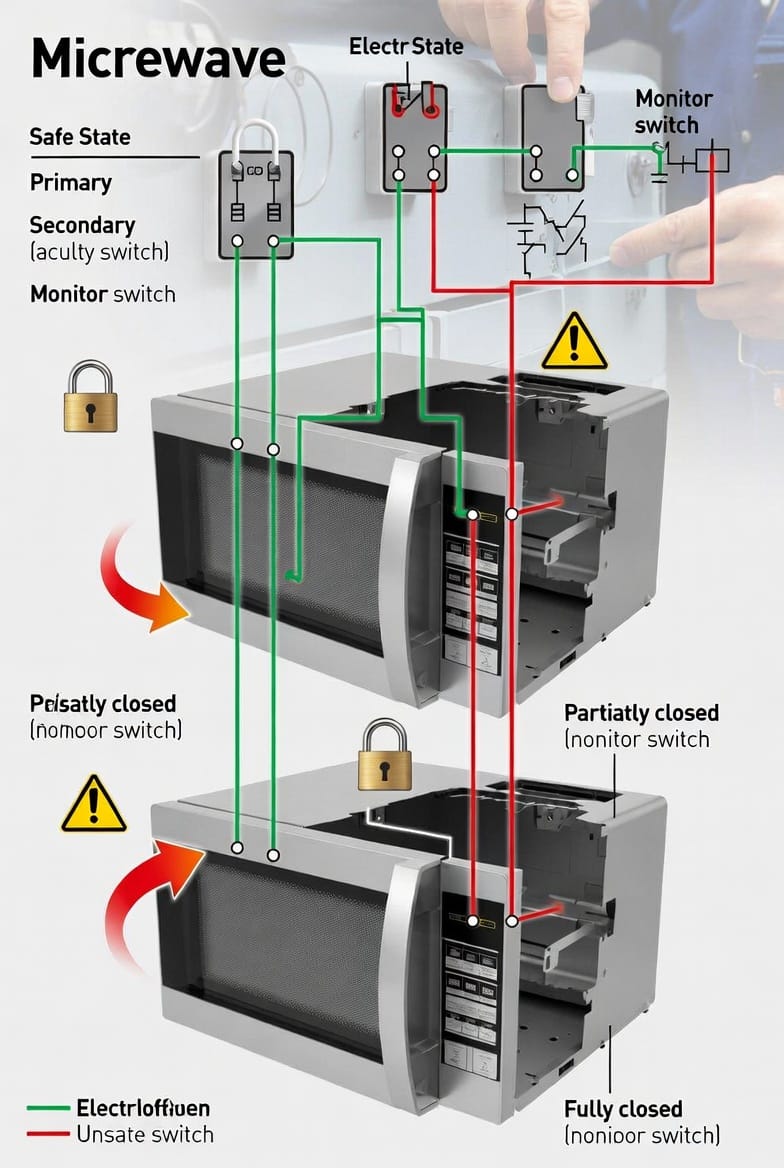
These switches operate on simple yet highly effective mechanical and electrical principles. When you close the microwave door, hooks or latches engage with the switches, completing the electrical circuit that allows power to flow.
The system typically involves:
- Primary interlock switch: Activates first to enable basic power.
- Secondary interlock switch: Provides backup confirmation of door security.
- Monitor switch: Acts as a fail-safe, shorting the circuit if others fail to prevent unsafe operation.
This sequential activation ensures the appliance remains inert until every condition for safe use is met. The design accounts for wear and tear over time, but proper maintenance is essential to sustain reliability.
Homeowners often overlook these hidden heroes until issues arise, but their proper functioning is non-negotiable for radiation safety and overall appliance integrity.
Common Signs of a Failing Door Interlock Switch
Recognizing problems early can save time, money, and potential health risks. Here are the most frequent indicators:
- Microwave runs with the door open: This is a major red flag signaling switch failure.
- Appliance fails to start even when the door is closed properly.
- Unexpected shutdowns mid-cycle, disrupting cooking processes.
- Unusual noises, such as clicking or humming from the door area.
- Error codes or warning lights on digital displays.
- Door feels loose or misaligned, affecting latch engagement.
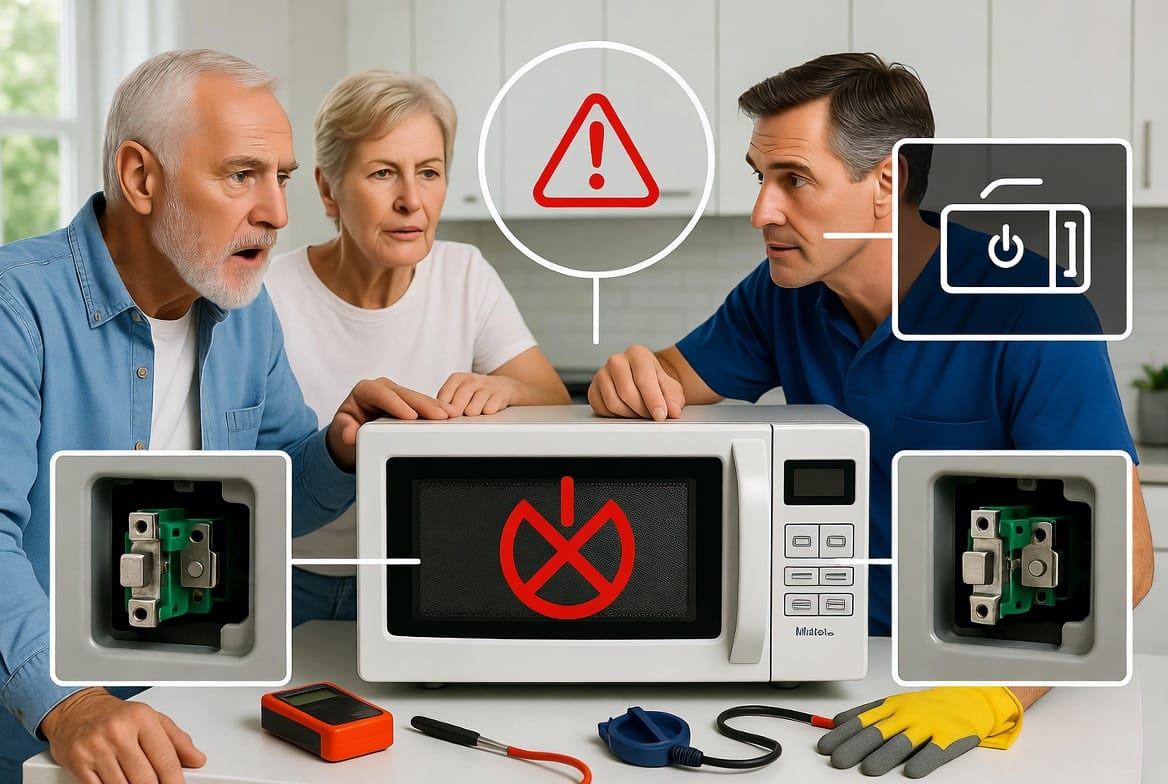
If you notice any of these symptoms, immediate attention is crucial. Ignoring them can lead to inconsistent performance and escalating safety concerns.
The Serious Risks of Faulty Interlock Switches
A malfunctioning microwave door interlock switch poses significant dangers, primarily related to microwave radiation leakage. Microwaves generate powerful electromagnetic waves that, when contained properly, cook food efficiently. However, with an open or compromised door, these waves can escape, leading to potential health hazards including tissue heating and long-term exposure risks.
Regulatory bodies emphasize that operating a microwave with door safety issues violates basic safety protocols. Beyond radiation, electrical faults can cause short circuits, fires, or damage to other expensive components like the magnetron or control board.
Why replacement is critical:
- Prevents radiation exposure to users and nearby individuals.
- Restores full compliance with safety standards.
- Extends the overall lifespan of your microwave.
- Avoids costly secondary repairs from cascading failures.
Professional replacement ensures all switches are correctly aligned, tested, and calibrated for optimal performance.
Step-by-Step Overview of Safe Replacement
While some experienced DIY enthusiasts may attempt basic inspections, replacing interlock switches involves working with high-voltage components and requires specialized knowledge.
Important safety precautions:
- Always unplug the microwave and discharge capacitors before any work.
- Use proper tools and protective equipment.
- Follow manufacturer-specific guidelines meticulously.
- Test thoroughly after installation using a multimeter.
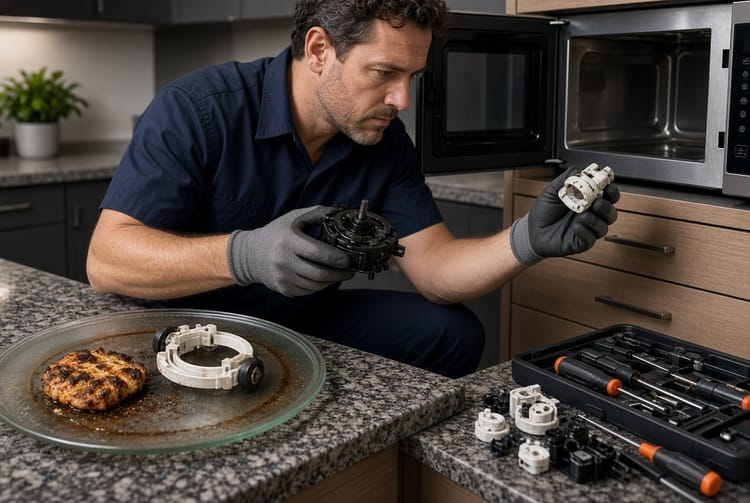
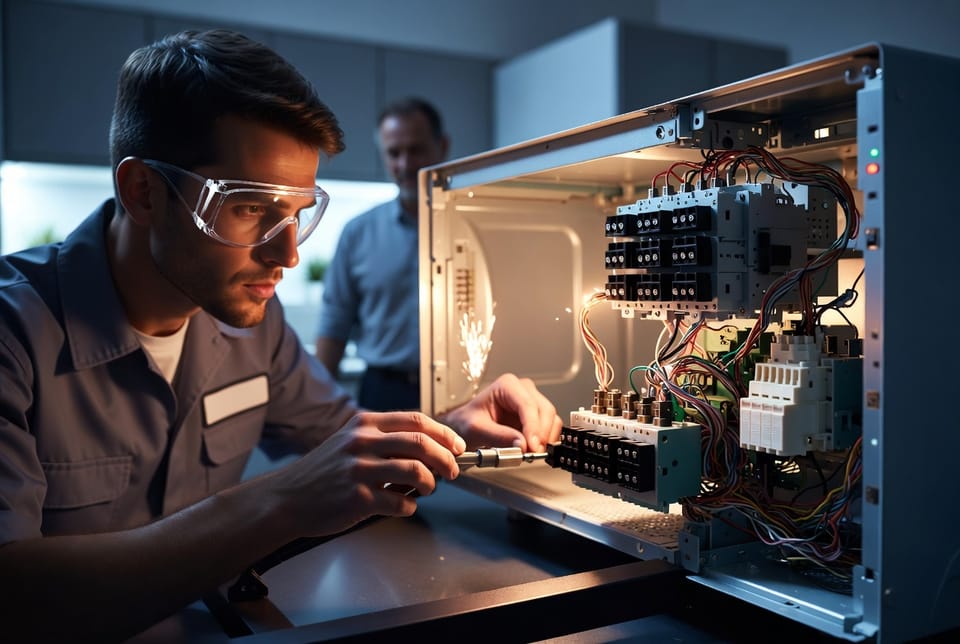
The process generally includes removing the outer casing, locating the switch assembly near the door latch, disconnecting wires, installing new switches, and reassembling. Missteps can create new hazards or void warranties.
For most homeowners, entrusting this task to qualified technicians is the safest and most efficient path.
When to Call a Professional Appliance Repair Service
Certain situations demand expert intervention:
- Persistent symptoms despite basic troubleshooting.
- Uncertainty about internal component locations.
- Older microwaves with complex integrated systems.
- Need for comprehensive safety testing post-repair.
Professionals bring diagnostic experience, genuine parts, and warranties on workmanship that provide peace of mind.
Preventive Maintenance for Long-Term Reliability
To minimize issues with your microwave door interlock switch and related components:
- Regularly clean the door seals and latch areas.
- Avoid slamming the door or overloading the appliance.
- Schedule periodic professional inspections for high-use units.
- Address minor alignment issues promptly.
These habits contribute to safer, more dependable kitchen performance.
Choosing Quality Replacement Parts
Opt for OEM (original equipment manufacturer) or high-quality compatible switches to ensure compatibility and durability. Inferior parts may fail prematurely, compromising safety once again. A trusted repair service sources reliable components and performs full system verification.
Understanding Related Microwave Safety Features
The door interlock switch works in tandem with other protections, such as thermal fuses, voltage monitors, and proper grounding. A holistic approach to repairs considers the entire safety ecosystem, delivering superior results.
Cost Considerations for Switch Replacement
Professional service typically offers excellent value, factoring in labor, parts, diagnostics, and guaranteed safety compliance. Compared to the risks of improper repair or appliance replacement, it represents a smart investment in household safety.
Real-World Benefits of Timely Action
Addressing switch problems promptly restores convenience, eliminates worries about hidden dangers, and maintains efficient meal preparation. Many customers report enhanced confidence in their appliances following expert service.
Final Thoughts: Prioritize Safety with Expert Help
Faulty door switches represent a serious safety risk. Do not attempt to bypass or ignore these critical components. Protect your home and family by addressing issues without delay.
For reliable microwave door interlock switch testing and replacement, trust experienced professionals who prioritize your safety.
Our team stands ready to handle all your appliance repair needs with skill, care, and dedication to quality.
Protect Your Family from Microwave Radiation – Call Now!