The Luxury Vinyl Tile (LVT) vs. Sheet Vinyl: Comparing Modern Vinyl Flooring Options
When it comes to updating your floors, vinyl flooring stands out as one of the most versatile, durable, and stylish choices available today. Homeowners and business owners alike often find themselves weighing two popular options: Luxury Vinyl Tile (LVT) and sheet vinyl. Both deliver exceptional performance, yet they differ significantly in design, installation, and everyday use.
Get Expert Help Choosing Between LVT and Sheet Vinyl Today
This comprehensive guide breaks down the key distinctions to help you make an informed decision. Whether you prioritize a premium, realistic appearance or seek a seamless, budget-conscious solution, understanding LVT versus sheet vinyl ensures you select the right material for your space. Rest assured, both options provide long-lasting beauty and easy maintenance when chosen and installed correctly by professionals.
What Is Luxury Vinyl Tile (LVT)?
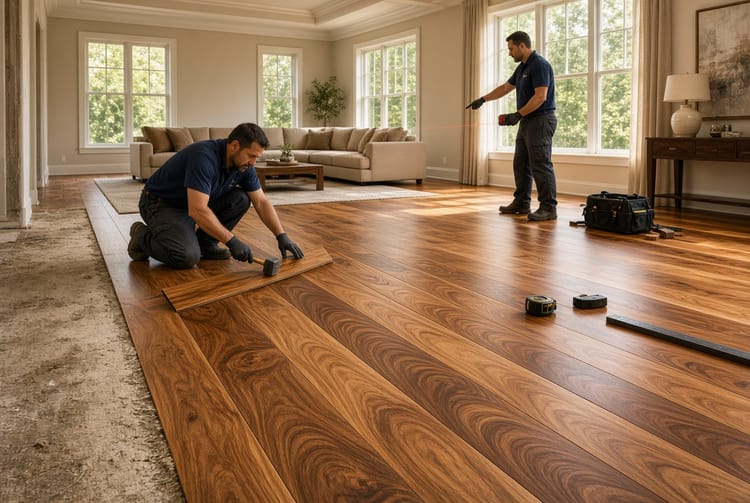
Luxury Vinyl Tile (LVT), also known as luxury vinyl plank (LVP) when installed in elongated formats, consists of individual tiles or planks designed to mimic the look of natural hardwood, stone, or ceramic. Each piece features multiple layers: a wear layer for scratch resistance, a design layer with photorealistic printing, a core for stability, and a backing for comfort underfoot.
LVT delivers unmatched realism in texture and appearance. The surface often includes embossed details that replicate wood grain or stone veining, creating a high-end aesthetic that many guests mistake for authentic materials. Because it comes in separate pieces, LVT offers greater design flexibility—you can mix patterns, create borders, or achieve intricate layouts.
LVT excels in high-traffic areas where realism and repairability matter. Individual tiles allow targeted replacement if one section sustains damage, preserving the overall floor’s beauty without a full overhaul. Its rigid core provides excellent stability, making it suitable for residential living rooms, dining areas, and light commercial spaces.
What Is Sheet Vinyl?
Sheet vinyl is a continuous roll of flooring material that installs as one large piece, creating a completely seamless surface. Manufactured in wide rolls (typically 6 to 12 feet), it is cut to fit the room dimensions during installation. The construction includes a wear layer, printed design, and backing, but it lacks the rigid core found in LVT.
Sheet vinyl is renowned for its budget-friendly nature and practical performance. The seamless design eliminates grout lines or joints, making it highly resistant to moisture penetration—an ideal trait for kitchens, bathrooms, basements, and laundry rooms. Its flexibility allows it to conform to minor subfloor imperfections, delivering a smooth, comfortable finish.
While sheet vinyl may not replicate natural materials with the same depth as LVT, modern manufacturing techniques have improved its appearance dramatically. It remains a trusted choice for utility spaces and rental properties where cost-effectiveness and quick installation are priorities.
Key Differences Between LVT and Sheet Vinyl
Choosing between LVT and sheet vinyl comes down to understanding their unique strengths. Here are the primary distinctions:
- Aesthetics and Realism: LVT offers superior realistic textures and patterns, closely mimicking hardwood or tile. Sheet vinyl provides a clean, uniform look but typically lacks the same three-dimensional detail.
- Installation Format: LVT uses individual pieces for modular layouts. Sheet vinyl installs as a single sheet for a truly seamless result.
- Repairability: Damaged LVT tiles or planks can be replaced individually. Repairing sheet vinyl usually requires patching, which may be more noticeable.
- Moisture Resistance: Both perform well, but sheet vinyl’s seamless nature gives it a slight edge in consistently wet areas.
- Design Flexibility: LVT allows creative patterns and borders. Sheet vinyl excels in large, open spaces needing uniformity.
These differences ensure every homeowner finds an option aligned with their lifestyle, budget, and design vision. Professionals evaluate your space’s specific needs to recommend the best fit confidently.
Installation Methods Compared
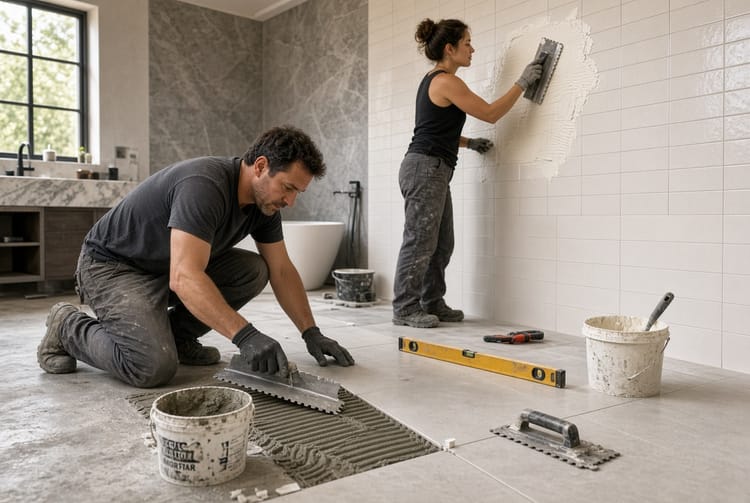
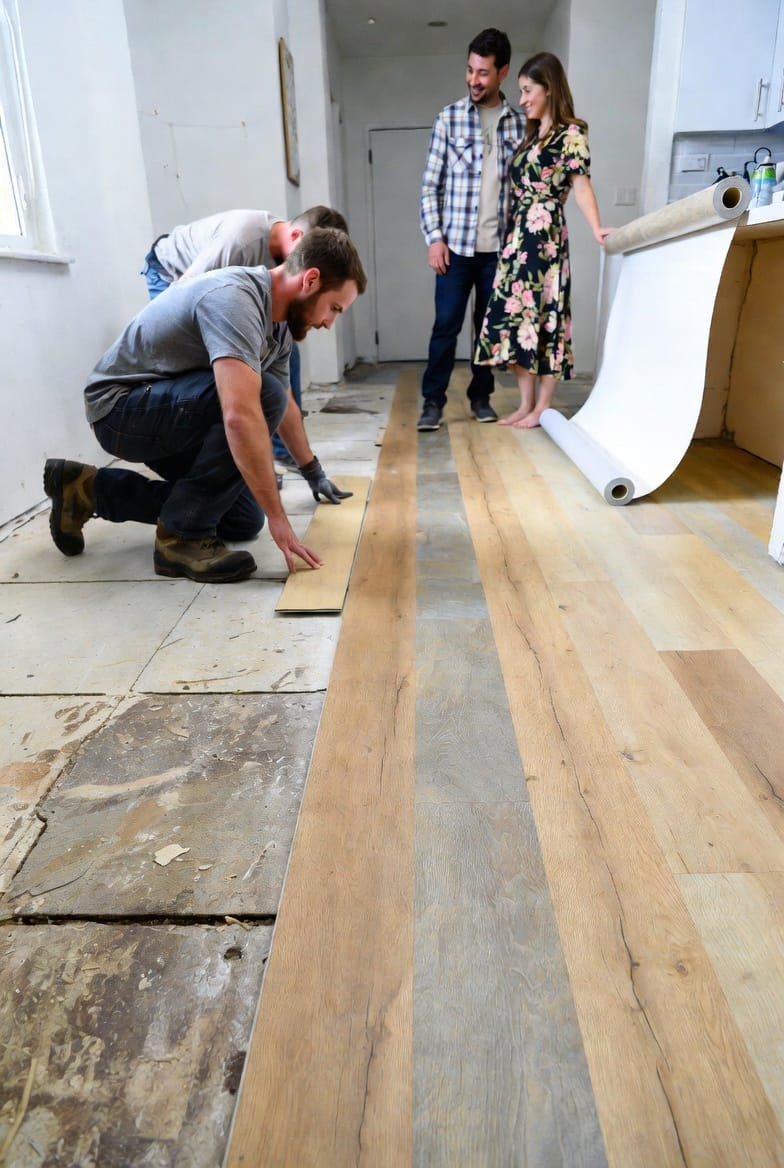
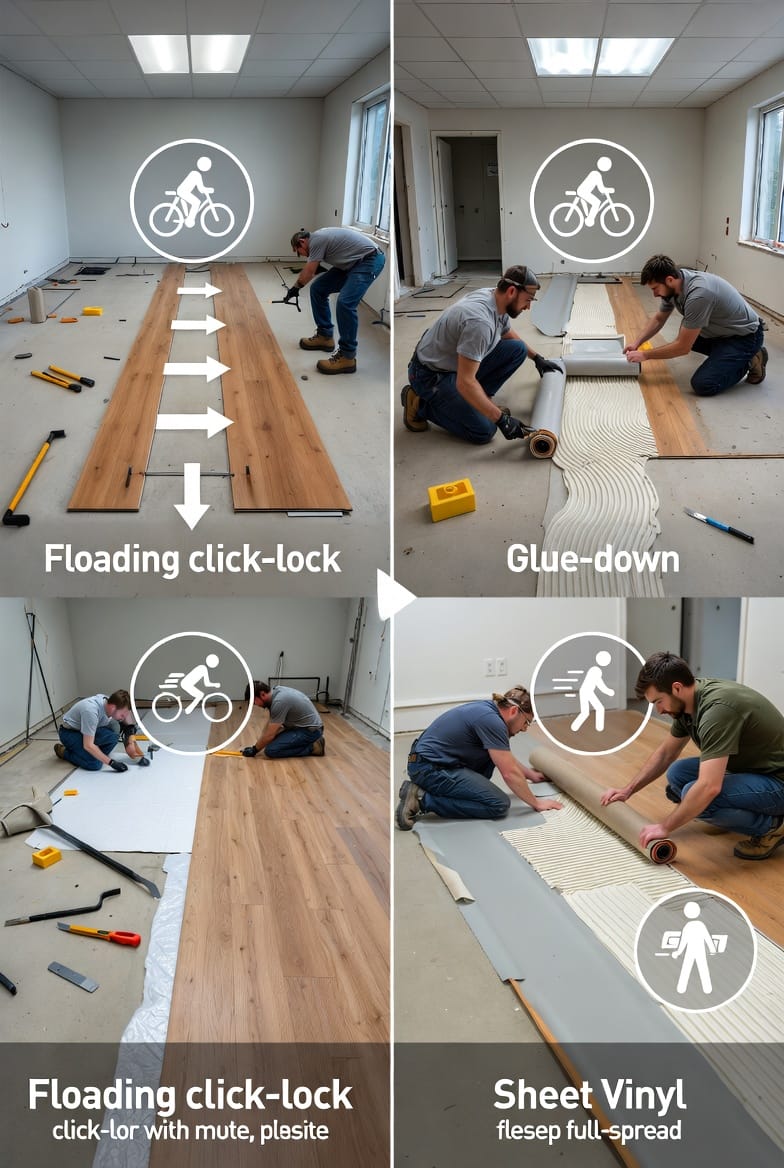
Installation is where LVT and sheet vinyl truly diverge. LVT offers two primary methods: floating click-lock systems that snap together without glue, or glue-down applications for added stability. Both allow DIY enthusiasts or professionals to complete projects efficiently, often in a single day for average-sized rooms. The modular format simplifies maneuvering around obstacles and reduces waste.
Sheet vinyl, by contrast, requires full-spread adhesive across the entire subfloor. Installers carefully roll out the material, trim it precisely to walls and corners, and seal any necessary seams. This method creates a monolithic surface but demands more preparation time and skill to avoid bubbles or wrinkles.
Professional installation ensures optimal results for both materials. Trained teams handle subfloor leveling, adhesive selection, and finishing details that protect your investment for years to come.
Pros and Cons of Each Option
Understanding the advantages helps clarify which vinyl type best serves your needs.
Advantages of LVT:
- Premium, realistic appearance that elevates any room
- Easy individual tile replacement for long-term value
- Excellent durability in moderate to high traffic
- Wide variety of colors, patterns, and textures
- Comfortable underfoot with good sound absorption
Advantages of Sheet Vinyl:
- Lower upfront cost per square foot
- Completely seamless surface ideal for moisture-prone areas
- Faster coverage of large spaces
- Highly flexible and forgiving over minor subfloor issues
- Simple maintenance with no grout to clean
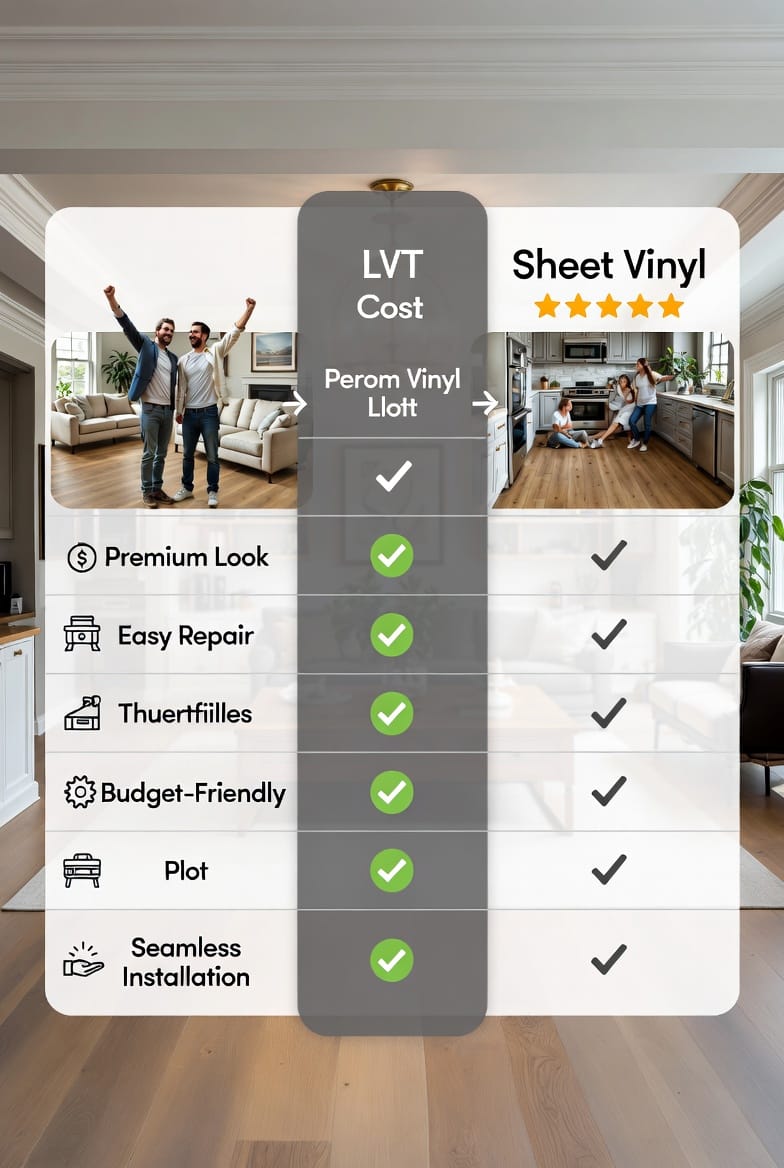
Both options minimize risks when installed correctly. LVT shines in spaces where style and repairability matter most, while sheet vinyl delivers reliable performance where budget and seam-free practicality take priority.
Best Applications for LVT and Sheet Vinyl
LVT performs beautifully in living rooms, bedrooms, home offices, and retail showrooms. Its realistic textures complement furniture and décor, creating cohesive, upscale interiors. Families appreciate its resilience against daily wear while enjoying the warmth and quiet it provides.
Sheet vinyl is the go-to solution for kitchens, bathrooms, laundry rooms, basements, and entryways. The seamless construction prevents water from seeping underneath, protecting subfloors and reducing mold risk. Property managers favor it for rental units because of its cost savings and straightforward upkeep.
In commercial settings, LVT suits boutique shops and offices seeking elegance, whereas sheet vinyl serves hospitals, schools, and restaurants needing quick, hygienic flooring. Matching the material to the environment’s demands maximizes performance and satisfaction.
Cost Analysis and Long-Term Value
Sheet vinyl generally carries a lower initial price, making it attractive for budget-conscious projects. LVT commands a premium due to its advanced construction and realistic design, yet its repairability often results in lower lifetime costs. When factoring in installation, maintenance, and potential replacement, many homeowners discover LVT delivers superior return on investment over time.
Professional consultation helps balance upfront expense with durability and aesthetics. The right choice today prevents costly renovations tomorrow.
Maintenance and Longevity Tips
Both LVT and sheet vinyl require minimal care. Regular sweeping, occasional damp mopping with manufacturer-approved cleaners, and prompt spill cleanup keep floors looking fresh. Avoid abrasive tools that could scratch the wear layer.
LVT benefits from felt furniture pads to prevent indentations. Sheet vinyl appreciates protective mats in high-traffic zones. With proper care, both materials maintain their appearance for 10 to 20 years or more, depending on traffic levels and quality.
How to Choose the Right Vinyl for Your Space
Consider traffic volume, moisture exposure, design preferences, and budget. High-style areas benefit from LVT’s realism. Wet zones reward sheet vinyl’s seam-free protection. Measure your room, review samples in natural light, and consult experts who understand local conditions.
Rest assured that professional guidance removes guesswork. The perfect floor enhances comfort, safety, and property value.
Choose the Right Vinyl for Your Space
Selecting between Luxury Vinyl Tile (LVT) and sheet vinyl transforms your home or business with confidence and style. Both options represent modern flooring excellence, each excelling in the right environment.
Ready to explore your possibilities? Contact our experienced team today. Discover the ideal vinyl flooring solution tailored to your needs. Your beautiful, durable floors await.
Choose the Right Vinyl Flooring – Speak with Our Experts Now