The LED Lighting Conversion: Saving Energy with Modern Bulbs
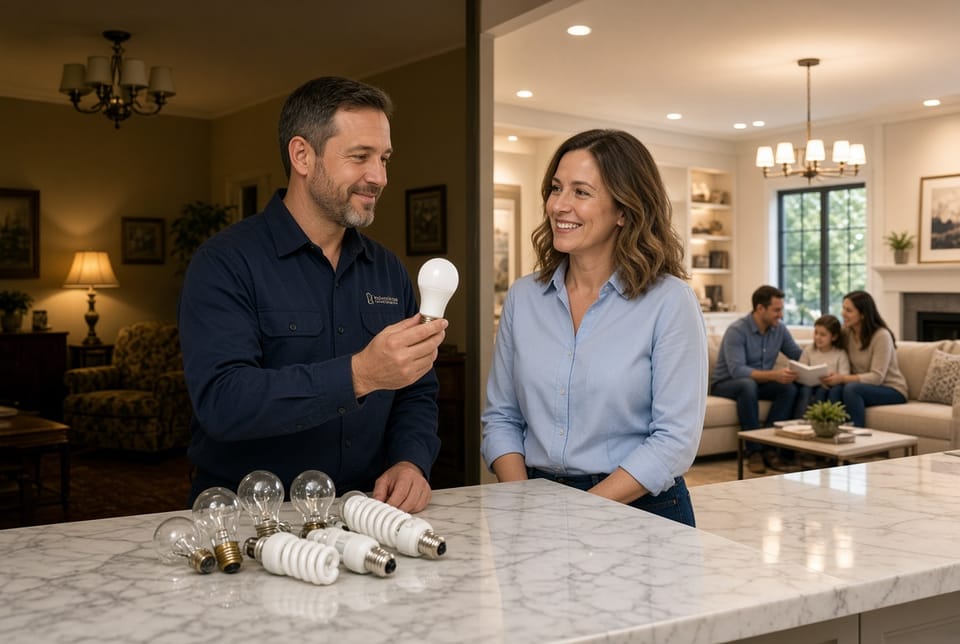
Switching your home or small business from outdated lighting to LED lighting is one of the simplest, most reliable electrical upgrades available today. You do not need a full rewire or new fixtures in most cases. You simply replace inefficient incandescent and compact fluorescent (CFL) bulbs with modern LED equivalents. The result is lower electricity use, far fewer replacements, and light that appears the moment you flip the switch.
Save Energy with Modern LED Bulbs – Call Today
This guide explains the conversion in clear, practical terms. You will learn why LED bulbs outperform older technologies, how to select the correct product using lumens, color temperature, and dimmable ratings, and how to recycle old lamps responsibly. The process is straightforward when handled with care, and the savings begin immediately.
Why the LED Lighting Conversion Matters Now
Lighting still accounts for a meaningful share of household electricity. Older incandescent bulbs convert most of their energy into heat rather than useful light. Compact fluorescent lamps improved efficiency but introduced warm-up delays, limited dimming performance, and mercury content that requires special disposal.
LED technology changed that equation. A quality LED uses a semiconductor to produce light with far less waste heat. Typical household replacements now deliver the same brightness as a 60-watt incandescent while drawing only 8–10 watts. Over years of daily use, those watts add up to real money and reduced strain on the electrical system.
The conversion is also a comfort upgrade. LEDs reach full brightness instantly. They operate cooler, which can modestly ease air-conditioning load in warmer months. They last so long that many homeowners forget they ever changed a bulb.
Core Benefits of Modern LED Bulbs
The advantages are consistent and well documented.
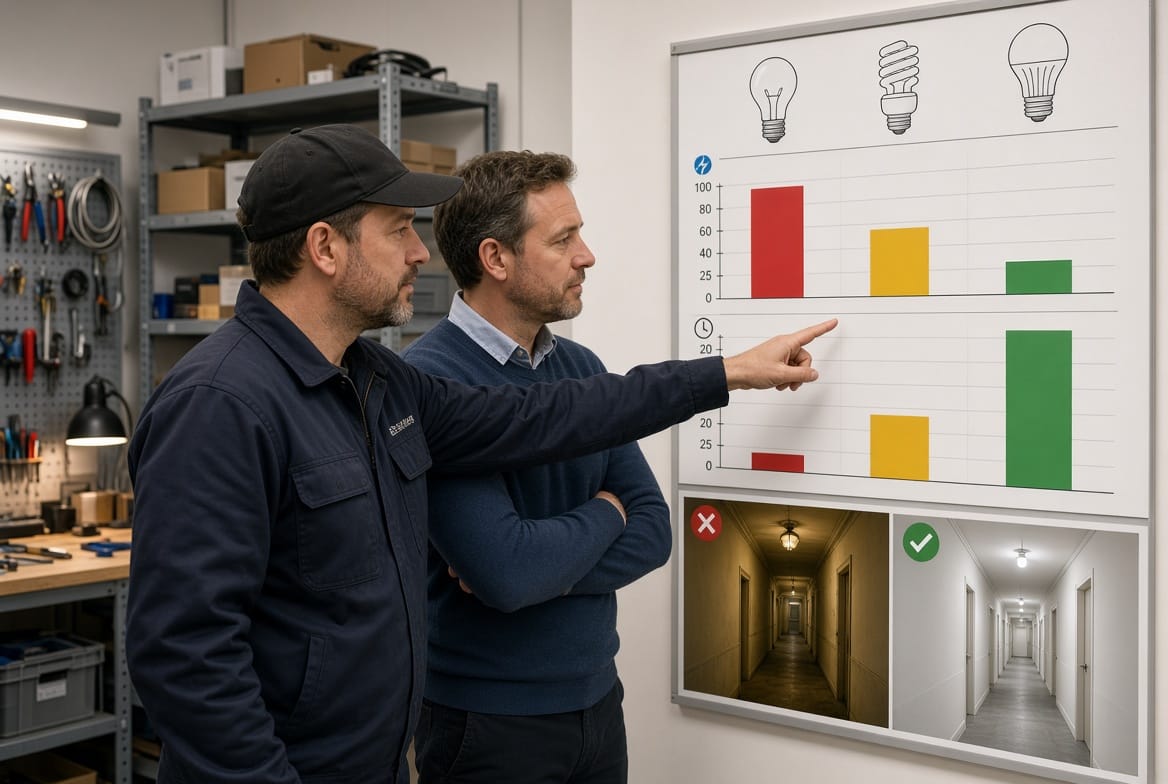
- Energy savings. LEDs typically use 75–80 percent less electricity than incandescent bulbs for equivalent light output and 30–40 percent less than many CFLs. Replacing a single frequently used 60-watt incandescent with a 9-watt LED can save roughly 50 kilowatt-hours per 1,000 hours of operation.
- Exceptional lifespan. Quality LEDs are commonly rated 15,000 to 50,000 hours. At three hours of use per day, that often translates to 15–25 years or more. Incandescent bulbs last about 1,000 hours; many CFLs last 8,000–10,000 hours.
- Instant light. There is no warm-up period. The fixture is fully bright the moment the switch is turned on—important in hallways, stairwells, and outdoor entries.
- Lower heat output. Because so little energy becomes waste heat, fixtures stay cooler and nearby materials experience less thermal stress.
- Better control options. Many LEDs dim smoothly when paired with compatible controls and offer a wide range of color temperatures.
These benefits compound across an entire home. A whole-house conversion of two dozen regularly used fixtures frequently pays for itself in one to three years through lower utility bills and avoided replacement purchases, then continues delivering savings for a decade or longer.
Understanding the Numbers: What the Savings Look Like
Consider a typical living-room lamp that runs three hours each evening. An old 60-watt incandescent consumes about 66 kilowatt-hours per year. A comparable 9-watt LED uses roughly 10 kilowatt-hours. At an average residential rate of 15 cents per kilowatt-hour, the annual difference on that single fixture is more than eight dollars. Multiply by every lamp, recessed can, and vanity light in the house and the yearly reduction becomes noticeable on the utility statement.
Lifespan multiplies the value. Over 25,000 hours you might replace an incandescent two dozen times. One LED often covers the entire period. Factor in the time spent climbing ladders and buying replacements, and the convenience becomes as important as the dollars.
Secondary savings appear in cooling climates. Incandescent bulbs dump most of their energy as heat. LEDs do not. The air conditioner works slightly less hard to remove that extra heat, adding another modest reduction to the cooling bill.
How to Choose the Right LED Bulb
The old habit of shopping by wattage no longer works. Wattage now tells you only how much power the bulb consumes. Brightness is measured in lumens. Color appearance is measured in Kelvin (color temperature). Compatibility with existing dimmers is a separate specification.
Match Lumens to the Task
Use these widely accepted equivalents as a starting point:
- 450 lumens replaces a 40-watt incandescent (typical LED draw 4–6 watts)
- 800 lumens replaces a 60-watt incandescent (typical LED draw 8–10 watts)
- 1,100 lumens replaces a 75-watt incandescent (typical LED draw 11–13 watts)
- 1,600 lumens replaces a 100-watt incandescent (typical LED draw 15–18 watts)
Living rooms and bedrooms often feel comfortable at 450–800 lumens per fixture. Kitchens, bathrooms, and work areas usually benefit from 800–1,100 lumens or more. Always check the fixture rating so you do not exceed the maximum wattage the socket or housing was designed to handle—even though the LED itself draws far less power.
Select Color Temperature for Atmosphere
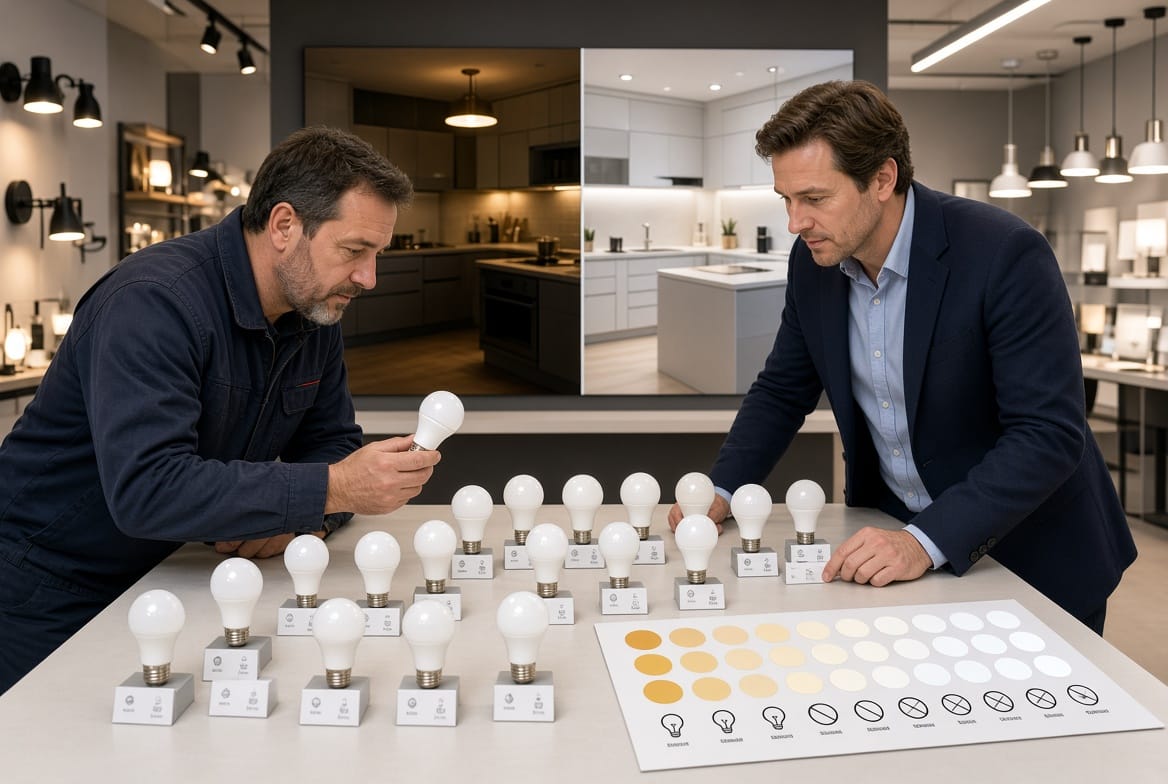
Color temperature is expressed in Kelvin (K). Lower numbers appear warmer and more yellow; higher numbers appear cooler and more white or blue.
- 2700K–3000K (warm white / soft white) — closest to traditional incandescent glow. Ideal for living rooms, bedrooms, and dining areas where relaxation matters.
- 3500K–4000K (neutral / cool white) — clean and balanced. Excellent for kitchens, bathrooms, home offices, and hallways.
- 5000K and above (daylight) — crisp and high-contrast. Best reserved for workshops, garages, laundry rooms, and detailed task lighting.
Mixing temperatures in the same visual field can look inconsistent. Plan room by room rather than buying one box for the entire house.
Confirm Dimmable Performance
Not every LED is dimmable. Even those labeled “dimmable” may flicker, buzz, or fail to dim smoothly if the existing wall dimmer was designed for high-wattage incandescent loads. Look for bulbs explicitly marked dimmable and, when possible, check the manufacturer’s compatibility list for your dimmer model. In older homes it is often wiser to replace the dimmer with an LED-rated control at the same time the bulbs are changed. This single extra step prevents most complaints.
Additional specifications worth reading on the package include Color Rendering Index (CRI). A CRI of 90 or higher renders colors more naturally. Also note whether the bulb is rated for enclosed fixtures, damp or wet locations, and three-way sockets if those conditions apply.
Practical Room-by-Room Guidance
Living rooms and dens usually favor 2700K–3000K dimmable LEDs at 800 lumens in table and floor lamps. Recessed cans may need a slightly higher lumen package depending on ceiling height.
Kitchens benefit from 3000K–4000K light that makes food colors look accurate and counters easy to see. Under-cabinet LED strips or puck lights add task illumination without glare.
Bathrooms work well with 3000K–4000K bulbs that render skin tones reasonably and provide enough light for grooming. Choose damp-rated products near showers.
Bedrooms can stay at 2700K for a restful feel. If you read in bed, a dedicated 800-lumen lamp with a warm tone is often more comfortable than a bright overhead fixture.
Outdoor and garage fixtures need wet- or damp-rated LEDs. Daylight temperatures (5000K) improve visibility for security and work.
Installation Considerations and Common Pitfalls
Most screw-base (E26/E27) and candelabra replacements are true drop-in products. Turn the power off at the switch or breaker, allow old bulbs to cool, and install the new LED. Avoid forcing a bulb that does not thread smoothly.
Recessed “can” lights sometimes require a compatible LED retrofit kit rather than a simple bulb swap, especially if the housing is old or the trim is unusual. Enclosed globe fixtures can trap heat; use only LEDs specifically rated for enclosed use or the lifespan will shorten.
A frequent mistake is assuming every dimmer will work. Another is buying the cheapest no-name bulb that lacks proper heat-sinking; those products often fail early and flicker. Stick with reputable brands that publish lumen, Kelvin, CRI, and warranty information.
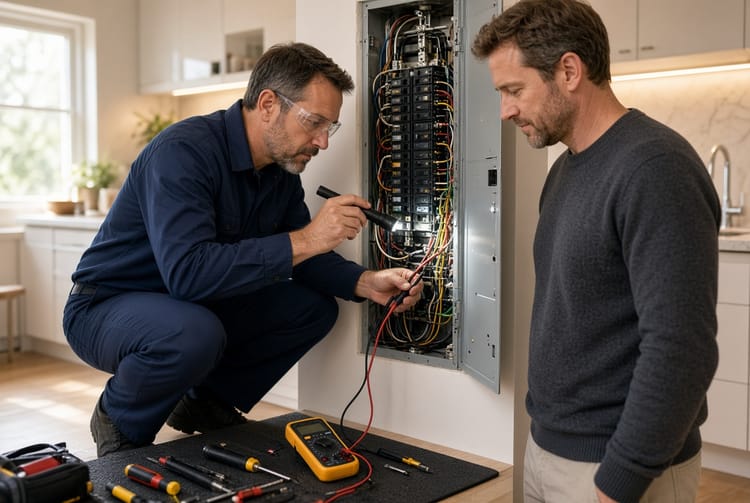
If your home has many fixtures, mixed base types, or aging wiring, a licensed electrician can complete the conversion efficiently, confirm circuit capacity, and update dimmers in one visit. That professional step protects both performance and safety.
Responsible Disposal and Recycling
Incandescent bulbs contain no hazardous materials and can usually go in regular household trash, though recycling is still preferable. Compact fluorescent lamps contain a small amount of mercury and should never be thrown in the regular garbage. Take them to a household hazardous-waste facility, participating retailer, or municipal collection event.
LEDs contain no mercury. They are electronic devices, however, and should be recycled through e-waste programs rather than landfilled. Many hardware stores, municipal recycling centers, and specialized lamp recyclers accept spent LEDs. Recycling recovers aluminum heat sinks, copper, and other materials and keeps electronic waste out of landfills.
Store used bulbs in their original packaging or a sturdy box until you can drop them off. Never crush CFLs; if one breaks, follow local health-department guidance for cleanup.
The environmental case is straightforward. Fewer replacements mean less manufacturing and shipping. Lower electricity demand reduces the emissions associated with power generation. Choosing to recycle closes the loop.
Long-Term Value and Peace of Mind
An LED lighting conversion is not a trend. It is a durable improvement that continues to perform year after year. Homeowners report quieter, cooler fixtures, consistent color, and the simple pleasure of never hunting for a spare bulb. Utility bills drop. The home feels more comfortable and better maintained.
Because the technology has matured, quality products are widely available at reasonable prices. Warranties of three to five years (and sometimes longer) are common. When you select the correct lumens, color temperature, and dimming compatibility, the result looks and feels like a professional upgrade rather than a compromise.
If your fixtures are numerous, hard to reach, or tied to older dimmers and three-way switches, professional installation removes guesswork and ensures every circuit is left in safe working order.
Warning: Continuing to use inefficient incandescent and CFL lighting wastes electricity every hour the lights are on and shortens the interval between replacements. Switch to LED for instant savings. For a complete, code-compliant conversion that includes proper dimmer updates and fixture checks. A qualified electrician can evaluate your existing lighting, recommend the right products, and complete the work so you begin saving immediately.
Professional LED Conversion Starts with One Call