The Larder Beetle: Pantry Pest That Also Attacks Taxidermy and Pet Food
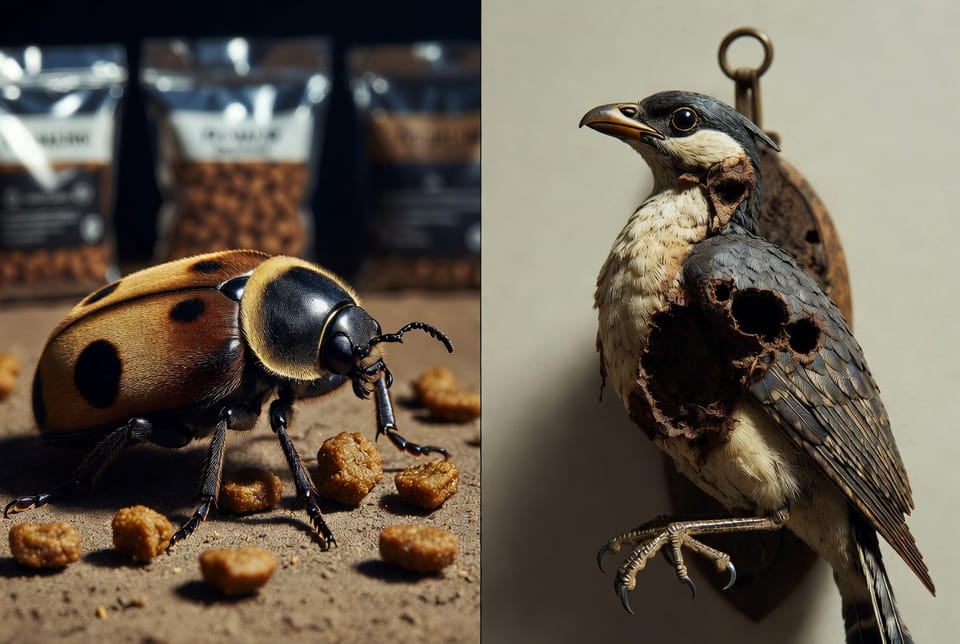
Larder beetles are among the most adaptable and destructive pantry pests homeowners and businesses encounter. Unlike common grain weevils that stick to cereals, these beetles target high-protein foods and organic materials, making them a serious threat to kitchens, pet supply areas, museums, and even personal collections.
Protect Your Pantry & Taxidermy – Call Now!
In this comprehensive guide, we’ll explore their identification, behavior, the wide range of items they damage, and most importantly — how to eliminate them effectively while preventing future infestations. With the right knowledge and action, you can protect your home and valuables from these persistent invaders.
Understanding the Larder Beetle: Identification Made Simple
The larder beetle (Dermestes lardarius) is a member of the Dermestidae family. Adults are approximately 7–9 mm long and easily recognized by their dark brown to black body featuring a prominent yellowish or tan band across the front of the wing covers, often marked with six small black spots.
Key identification features include:
- Bold yellow band on the elytra (wing covers)
- Elongated, oval-shaped body with fine hairs
- Strong chewing mouthparts designed for tough materials
- Larvae that are dark, hairy, and “worm-like” with two curved spines at the tail end
Early detection is critical. Spotting even a few adults near pantries, pet food storage, or display cases should prompt immediate inspection.
Early identification prevents small problems from becoming major infestations.
Behavior and Feeding Habits: A Truly Versatile Pest
What makes the larder beetle particularly challenging is its broad diet. These beetles thrive on high-protein substances, which sets them apart from many other stored product pests.
They commonly infest:
- Dry pet food and kibble
- Cheese and dairy products
- Cured meats and dried fish
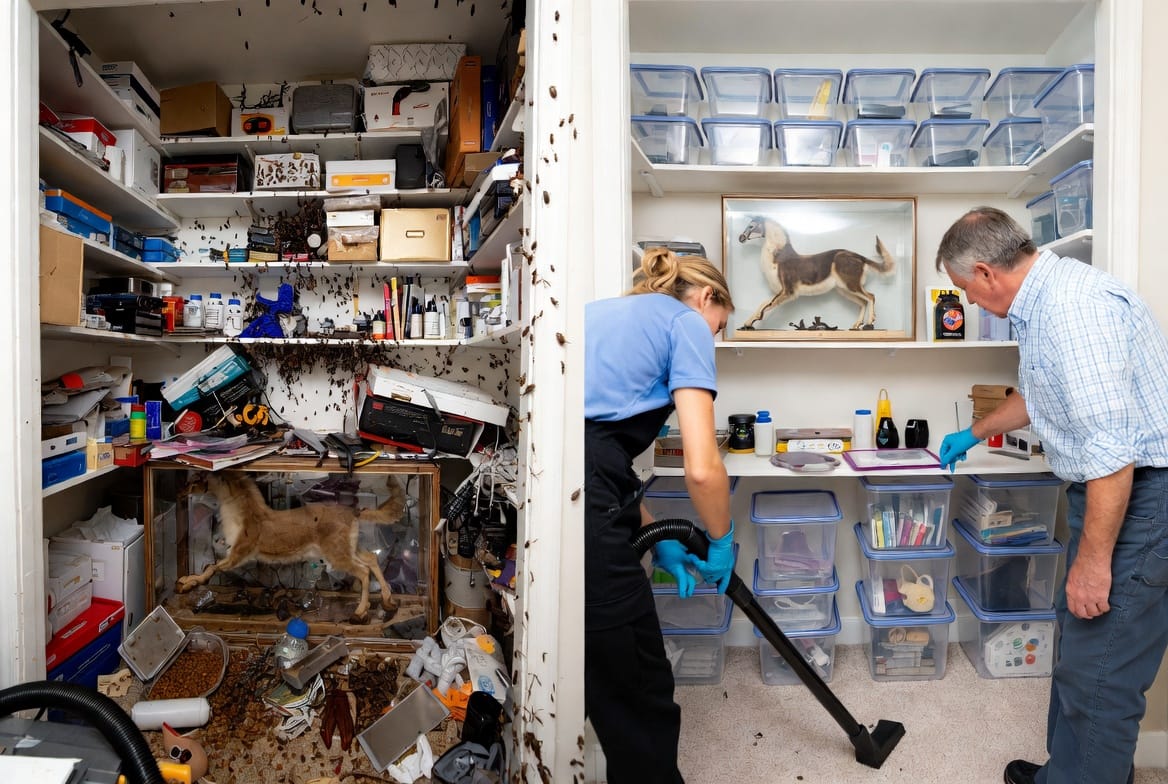
- Taxidermy specimens
- Insect collections and pinned butterflies
- Leather goods, wool, and feathers
- Bone meal and animal by-products
Their ability to digest keratin and other tough proteins allows them to damage items that most pests ignore. A single female can lay up to 100 eggs in suitable food sources, leading to rapid population growth under the right conditions.
Risk highlight: Larder beetles are notorious for attacking both edible goods and irreplaceable collectibles, creating both health concerns and financial losses.
The Hidden Damage: Beyond the Pantry
While many people first notice larder beetles in kitchen cabinets, their impact often extends much further. In homes with pets, contaminated pet food can lead to wasted money and potential digestive issues for animals. In museums or private collections, they can destroy valuable taxidermy mounts and scientific insect specimens within months.
Signs of infestation include:
- Small round holes in packaging
- Shed larval skins (look like tiny bristly hairs)
- Frass (insect waste) that resembles coarse sawdust
- Live beetles crawling on walls or near windows during spring
These pests prefer dark, undisturbed areas but will migrate when food sources are depleted or conditions change.
Lifecycle: Understanding Their Development Stages
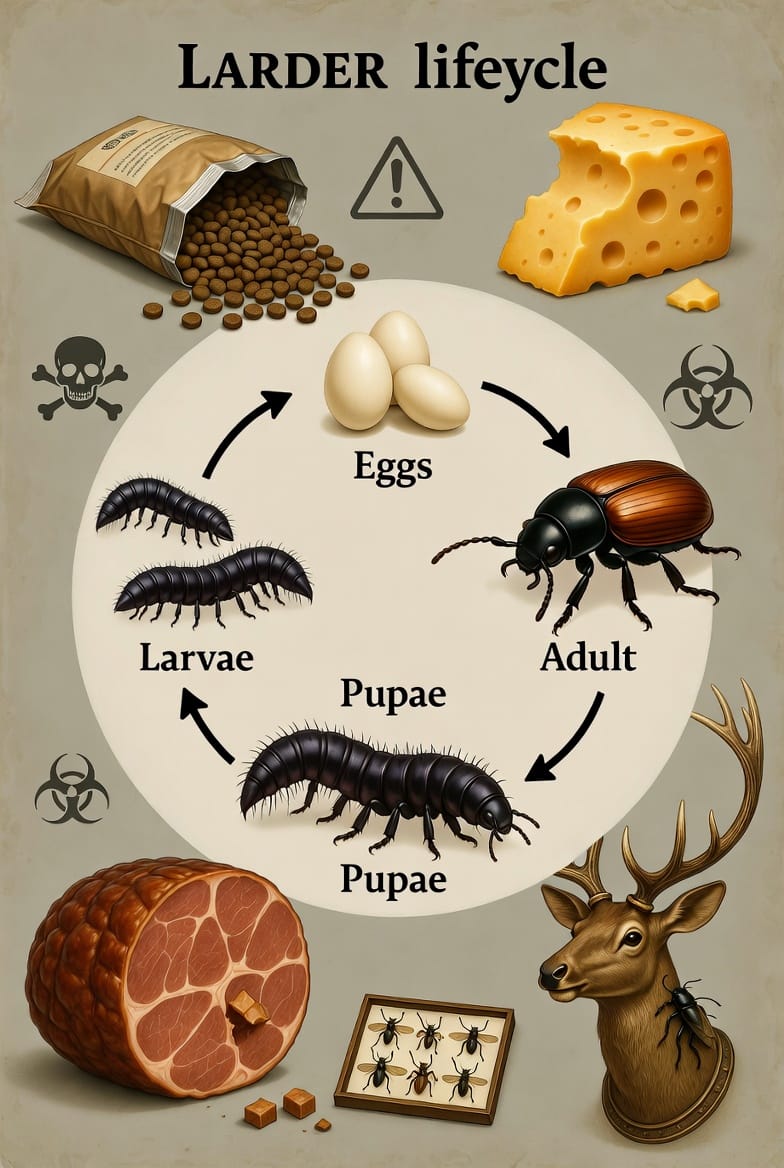
The larder beetle lifecycle consists of four stages: egg, larva, pupa, and adult. Under typical indoor conditions, the full cycle takes 40–50 days, allowing multiple generations per year.
Larvae are the most destructive phase. They bore into food sources and can even chew through soft materials like cardboard or thin plastic. Adults are strong fliers and are often seen on windowsills seeking exit routes in late spring.
Temperature and humidity play major roles in their development. Warm, dry environments accelerate their lifecycle, explaining why problems often peak during warmer months.
Comprehensive Elimination Strategies
Effective larder beetle control requires a thorough, multi-step approach. Simply spraying chemicals rarely solves the problem long-term.
Step 1: Inspection and Removal
- Carefully examine all high-protein food items including pet food, cheese, jerky, and dried meats.
- Discard any infested materials in sealed outdoor trash immediately.
- Check taxidermy, insect collections, and leather items for signs of activity.
Step 2: Deep Cleaning
- Vacuum all shelves, cracks, and crevices thoroughly.
- Wash surfaces with hot soapy water or a vinegar solution.
- Pay special attention to areas behind appliances and inside cabinets.
Step 3: Prevention Measures
- Store all susceptible items in airtight glass or thick plastic containers.
- Maintain proper sanitation — clean up spills immediately.
- Use dehumidifiers in storage areas to reduce humidity.
- Regularly inspect collectibles and rotate pet food stock.
Pro tip: Freezing suspect items for 72 hours at 0°F (-18°C) can kill all life stages without chemicals.
When Professional Help Becomes Essential
While DIY methods work for light infestations, heavy or recurring problems often require professional intervention. Specialized pest control technicians have access to advanced tools and treatments that target larder beetles specifically while protecting your sensitive items.
These beetles eat almost anything. Don’t risk valuable collections or family health. Call for specialized treatment at (855) 321-2977 today.
Long-Term Protection: Building Your Defense
Creating a larder beetle-resistant home involves more than one-time cleaning. Consistent habits and smart storage are your best allies.
Consider implementing a regular inspection schedule — every three months for pantries and pet food areas, and annually for valuable collections. Using pheromone traps can help monitor activity levels before populations explode.
Key prevention practices:
- Rotate stock of dry goods and pet food using FIFO (first in, first out) method.
- Keep storage areas well-lit and organized.
- Seal entry points around windows and doors.
- Consider professional preventive treatments for high-risk properties.
By understanding their behavior and implementing these strategies, you can effectively safeguard your home against these versatile pests.
The larder beetle’s ability to damage everything from everyday pet food to precious taxidermy makes it unique among household insects. However, with knowledge, vigilance, and prompt action, you can protect what matters most.
These beetles eat almost anything.
Take control of your home today — your pantry, pets, and collections will thank you.
Professional Larder Beetle Control – Call Today