The Rice Weevil: Common Pest of Stored Grains and Pasta
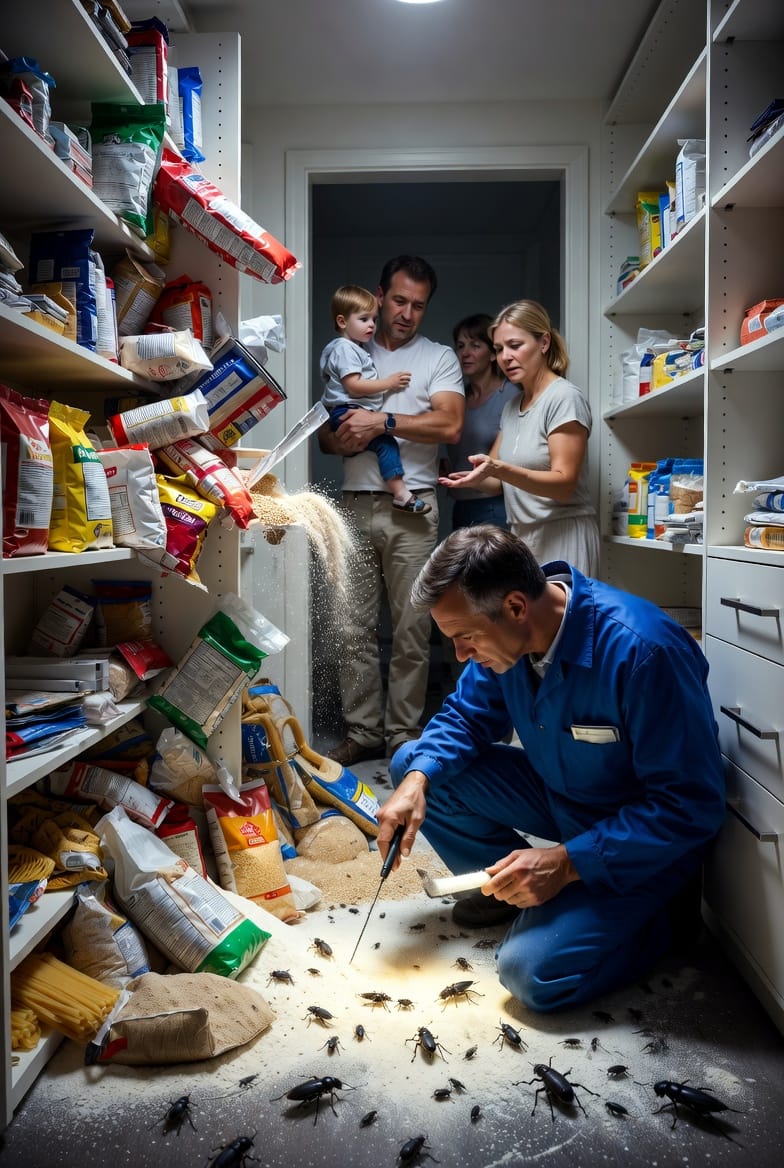
Rice weevils are among the most persistent pantry pests that can quietly compromise your home’s food storage. These tiny invaders target whole grains and pasta, turning carefully stocked shelves into sources of frustration and potential waste. Understanding their behavior, spotting the early signs of infestation, and taking decisive action are essential for protecting your household.
Protect Your Pantry from Pests – Call Now for Expert Help!
At the core, effective pantry pest control combines vigilance with proven strategies to eliminate these pests and prevent their return. Whether you’re dealing with a minor issue or a larger problem, professional support ensures long-term peace of mind.
What Are Rice Weevils and Why Do They Matter?
Rice weevils (Sitophilus oryzae) are small beetles notorious for infesting stored food products. Despite their name, they don’t limit themselves to rice—they readily attack a wide range of dry goods. These pests thrive in warm, humid environments, making kitchens and pantries in many regions, including Texas homes, particularly susceptible during certain seasons.
Key characteristics for identification:
- Appearance: Adults are small (about 1/8 inch long), reddish-brown to dark brown, with a distinctive elongated snout.
- Body shape: They have four light-colored spots on their wing covers and a hard, protective exoskeleton.
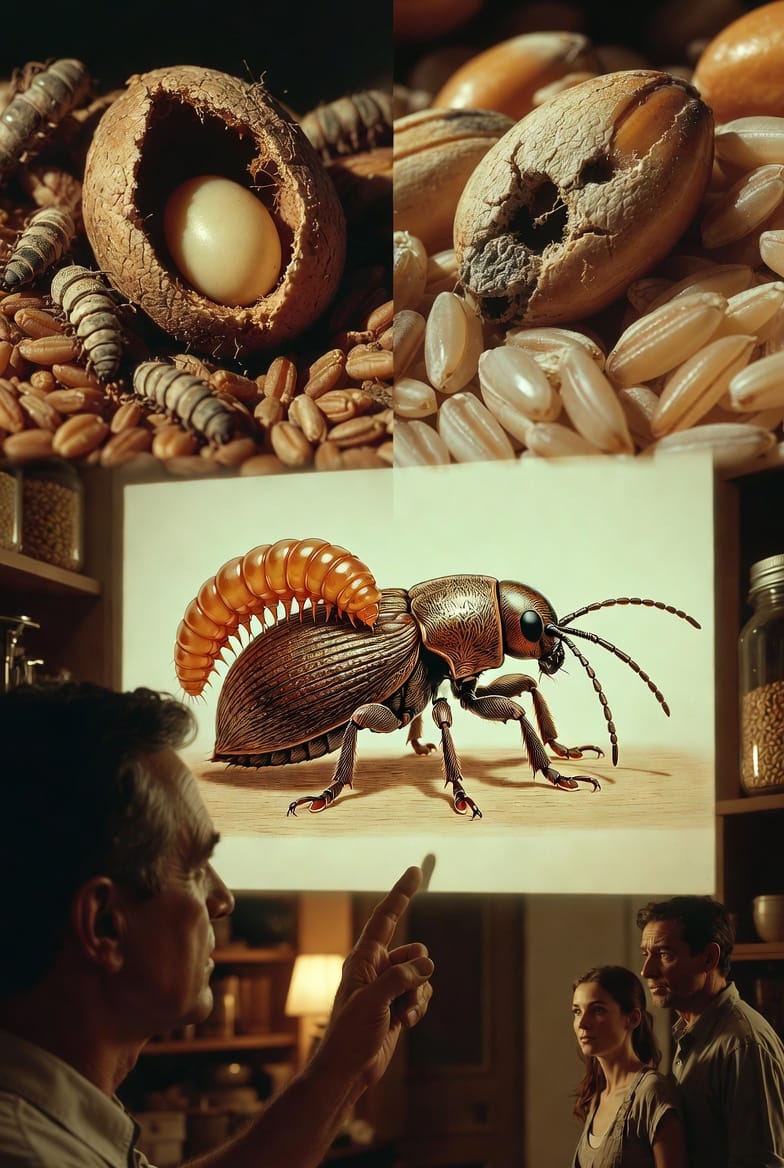
- Larvae: Creamy white, legless grubs that develop inside grains, making them invisible at first.
These beetles are excellent fliers and can quickly spread from one package to another. A single female can lay hundreds of eggs during her lifespan, embedding them directly into grain kernels. This internal development allows infestations to build unnoticed until adults emerge.
The economic and health impacts are significant. Infested foods lose nutritional value, develop off-flavors, and may contain frass (insect waste) that poses minor contamination risks. While not known for spreading diseases directly, their presence indicates compromised food safety and can lead to substantial household waste.
Rice Weevil Behavior: How They Infest and Damage Stored Foods
Rice weevils specialize in whole grains and similar products. They use their snouts to chew into kernels, creating tiny entry points for egg-laying. Once inside, larvae feed on the starchy interior, hollowing out the grain and leaving behind a fine, powdery dust known as frass.
Common behaviors and damage patterns:
- Hole creation: Small, perfectly round exit holes appear on rice, pasta, barley, oats, and birdseed packages.
- Powdery residue: Accumulated dust at the bottom of containers or shelves signals active feeding.
- Movement: Adults crawl or fly between storage areas, rapidly expanding the infestation.
- Life cycle acceleration: In optimal warm conditions (around 80-90°F), the full cycle from egg to adult can complete in as little as one month.
Pasta, whole wheat products, and even decorative corn or dried beans are vulnerable. They often enter homes through already-infested grocery items or by migrating from nearby storage facilities. Once established, they can survive on minimal food sources, making complete eradication challenging without thorough intervention.
Homeowners frequently discover the problem when pouring cereal or flour and noticing unexpected movement or debris. This underscores the importance of regular pantry audits as a proactive measure.
Signs of a Rice Weevil Infestation in Your Home
Early detection is your best defense. Look for these telltale indicators:
- Visible adults: Small beetles crawling on shelves, counters, or inside cabinets.
- Damaged packaging: Holes in plastic bags, cardboard boxes, or sealed containers.
- Unusual dust: Fine powder accumulating near stored goods, distinct from normal settling.
- Musty odors: A subtle, sweetish smell in severe cases from accumulated frass and secretions.
- Clumped grains: Rice or seeds sticking together due to larval activity inside.
If you notice any of these warning signs, act promptly. Delaying allows the population to explode, as overlapping generations sustain continuous reproduction.
Pro Tip: Use a magnifying glass or phone camera zoom to inspect suspect items closely. Shake packages gently—active infestations often reveal movement.
Vulnerable Items: What Rice Weevils Target Most
Rice weevils show strong preferences for certain foods, but they are opportunistic.
High-risk pantry staples include:
- Rice (white, brown, wild)
- Pasta and noodles
- Barley, oats, and other whole grains
- Birdseed and pet food with grain components
- Dried beans, peas, and corn
- Flour, cereal, and baking mixes containing whole grain elements
- Spices and herbs stored in bulk (less common but possible)
Even seemingly secure containers can be breached if seals are imperfect. Cardboard and thin plastic offer little resistance to determined adults.
Effective Control Methods: From DIY to Professional Solutions
Managing a rice weevil infestation requires a multi-step approach focused on elimination and prevention.
Step 1: Inspection and Removal
- Empty all pantry shelves completely.
- Discard infested items immediately—seal them in plastic bags and remove from the home to prevent spread.
- Vacuum cracks, crevices, and shelf edges thoroughly, then dispose of the vacuum bag outside.
Step 2: Freezing for Non-Chemical Control
Freezing is highly effective for salvageable items:
- Place unopened or newly inspected packages in the freezer for at least 4-7 days at 0°F or below.
- This kills eggs, larvae, and adults without chemicals.
- Allow items to reach room temperature before returning to storage.
Step 3: Deep Cleaning and Sanitation
- Wash shelves with hot soapy water or a vinegar solution.
- Dry completely to eliminate moisture that attracts pests.
- Consider food-grade diatomaceous earth in hidden areas as a natural deterrent.
Step 4: Storage Upgrades
- Transfer goods into airtight glass, metal, or heavy-duty plastic containers with secure lids.
- Label everything clearly with purchase dates.
- Rotate stock using the “first-in, first-out” method.
While these steps provide good control for minor issues, severe or recurring infestations often require professional pantry pest control expertise. Trained technicians use targeted treatments, thorough inspections, and follow-up monitoring to ensure complete resolution.
Prevention Strategies for Long-Term Pantry Protection
Prevention is far easier than treatment. Implement these habits to minimize risk:
- Buy in smaller quantities when possible, especially for high-risk items.
- Inspect new groceries before storage—check for holes or unusual odors.
- Maintain cool, dry conditions in storage areas; use dehumidifiers if needed.
- Regular deep cleans every few months, combined with freezing routines.
- Monitor with pheromone traps designed for pantry beetles to detect early activity.
In regions with warmer climates like Texas, seasonal vigilance during summer and fall is particularly important as temperatures favor faster reproduction.
Emphasizing food safety builds confidence in your kitchen. Knowing your grains and pasta are protected allows you to focus on family meals rather than pest worries.
When to Call Professional Pantry Pest Control
DIY methods work for light issues, but professionals bring advantages:
- Comprehensive inspections that uncover hidden sources.
- Safe, effective treatments tailored to your home.
- Expert advice on structural entry points and long-term prevention.
- Peace of mind through warranties and follow-up visits.
Don’t let these silent destroyers compromise your pantry. Early professional intervention stops infestations before they escalate, saving time, money, and food resources.

The Broader Impact of Pantry Pests on Home and Health
Beyond immediate food loss, rice weevils and similar pests can affect household routines and well-being. Constant worry about contaminated supplies disrupts meal planning and increases grocery costs. Children and sensitive individuals may feel uneasy about pantry contents, while the psychological toll of dealing with ongoing infestations adds unnecessary stress.
By addressing pantry pest issues promptly, you safeguard not just your food but your family’s comfort and health. Integrated pest management approaches balance effectiveness with minimal environmental impact, aligning with modern home safety standards.
Advanced Tips for Rice Weevil Management
For those seeking deeper knowledge:
- Temperature control: Store susceptible items below 60°F when possible.
- Bay leaves and natural repellents: While not foolproof, certain herbs can discourage activity in combination with other methods.
- Record-keeping: Track purchase dates and inspection results to identify patterns.
- Whole-home approach: Check adjacent areas like garages or basements where birdseed or pet food might harbor populations.
Combining these with professional services creates a robust defense system.
Whole grains can hide weevils. Restore confidence to your kitchen storage. Our team delivers fast, effective solutions you can trust.
Pantry Pest Control Experts – Call Today & Restore Peace!