The Landscape Lighting Timer: Mechanical vs. Digital vs. Smart Controls
Landscape lighting transforms ordinary outdoor spaces into stunning, functional areas that enhance curb appeal, improve safety, and extend evening enjoyment. A reliable landscape lighting timer is the unsung hero behind consistent, energy-efficient illumination. Choosing the right timer ensures your lights operate precisely when needed without unnecessary waste or manual intervention every day.
Choose the Right Timer for Your Lights – Expert Consultation Now
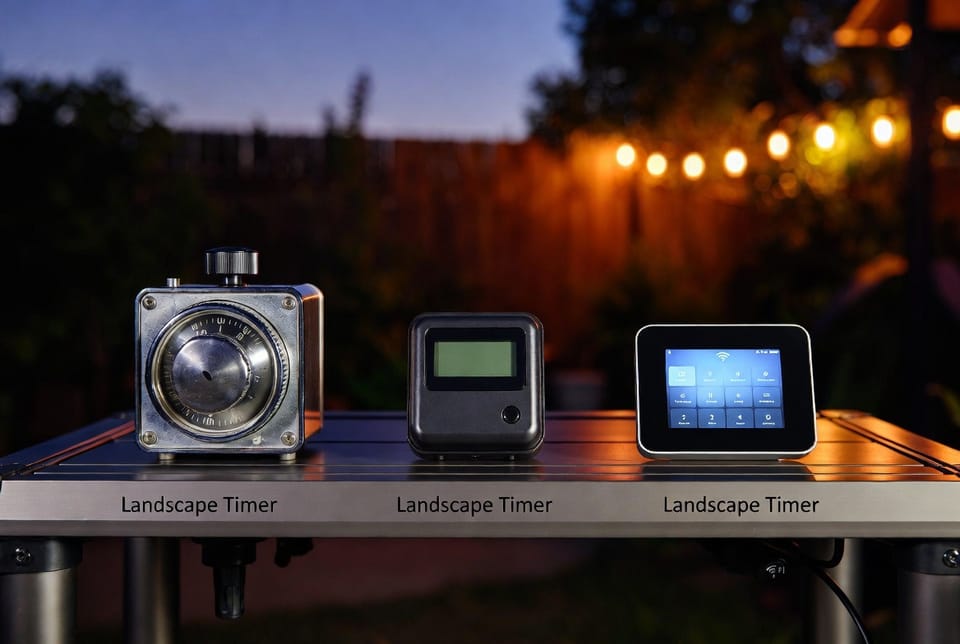
In this comprehensive guide, we explore the three primary types of timers available for landscape lighting systems: mechanical, digital, and smart controls. We'll examine their features, benefits, limitations, and ideal applications so you can make an informed decision tailored to your property's needs.
Why a Quality Landscape Lighting Timer Matters
Proper timing prevents lights from running all night, reduces electricity costs, minimizes bulb replacement frequency, and protects your investment. Whether you manage a residential backyard, commercial property, or expansive garden, selecting the appropriate timer delivers convenience, reliability, and peace of mind.
Modern landscape lighting systems demand flexible control options that adapt to changing seasons, weather patterns, and lifestyle schedules. Let's break down each timer category in detail.
Mechanical Timers: Simple, Affordable, and Straightforward
Mechanical timers represent the traditional approach to outdoor lighting control. These devices use a rotating dial mechanism with physical pins or tabs that you manually set to turn lights on and off.
Key Features of Mechanical Timers
- Analog dial operation with 24-hour cycle
- Basic on/off intervals in 15- or 30-minute increments
- No programming required beyond initial pin placement
- Weatherproof outdoor-rated models available
- Compatible with most low-voltage landscape transformers
Pros:
- Extremely affordable, often the lowest upfront cost
- No need for batteries or complex setup
- Highly reliable with minimal electronic components
- Easy to understand and operate for all ages
- Durable in various weather conditions when properly housed
Cons:
- Limited flexibility — requires manual adjustment for seasonal changes
- Less precise timing compared to digital alternatives
- Cannot accommodate irregular schedules easily
- No automatic adjustments for daylight savings or sunrise/sunset times
- Potential for pins to loosen or wear over extended use
Mechanical timers suit homeowners seeking basic, set-it-and-forget-it control for consistent daily schedules. They perform excellently for standard residential applications where lighting needs remain relatively stable throughout the year.
Digital Timers: Programmable Precision and Enhanced Features
Digital landscape lighting timers bridge traditional simplicity with modern programmability. These units feature electronic displays and buttons that allow multiple on/off schedules within a single day or week.
Advanced Capabilities
- Multiple programmable events per day
- Battery backup to preserve settings during power outages
- Random or vacation modes for security
- Astronomic options in some models for basic dusk-to-dawn operation
- Clear LCD screens showing current time and settings
Pros:
- Greater scheduling flexibility than mechanical models
- More accurate timing with digital precision
- Built-in features like override switches and countdown modes
- Easier to adjust without physical pins
- Better energy management through customized programs
Cons:
- Higher initial cost than basic mechanical timers
- Requires initial learning curve for programming
- Small buttons and displays can be challenging in low light
- Battery backup needs periodic replacement
- Still requires manual seasonal adjustments in most models
Digital timers are ideal for properties with varying evening usage patterns or multiple lighting zones. Their programmability supports energy-efficient landscape lighting while providing more control than traditional mechanical options.
Smart Timers: Intelligent Automation for Modern Properties
Smart landscape lighting timers represent the cutting edge of outdoor lighting control. These Wi-Fi or Bluetooth-enabled devices connect to your home network and offer unprecedented customization through smartphone apps.
Standout Smart Features
- App-based remote control from anywhere
- Automatic sunrise and sunset adjustments
- Voice control compatibility with Alexa, Google Assistant, or Siri
- Adaptive scheduling that learns from your habits
- Integration with weather data and holiday lighting modes
- Detailed energy usage reports and notifications
Pros:
- Maximum convenience and remote accessibility
- True automation with astronomic and seasonal intelligence
- Easy group control for multiple zones or circuits
- Over-the-air updates for new features
- Enhanced security through activity monitoring
- Seamless integration with broader smart home ecosystems
Cons:
- Higher upfront investment
- Dependence on stable Wi-Fi connection
- Requires smartphone and app familiarity
- Potential subscription fees for advanced cloud features
- More complex initial setup involving network configuration
Smart controls excel for busy homeowners, property managers, and tech enthusiasts who value effortless automation and maximum energy optimization. They adapt automatically to changing day lengths, providing perfect illumination without ongoing manual tweaks.
Head-to-Head Comparison: Choosing Your Ideal Timer
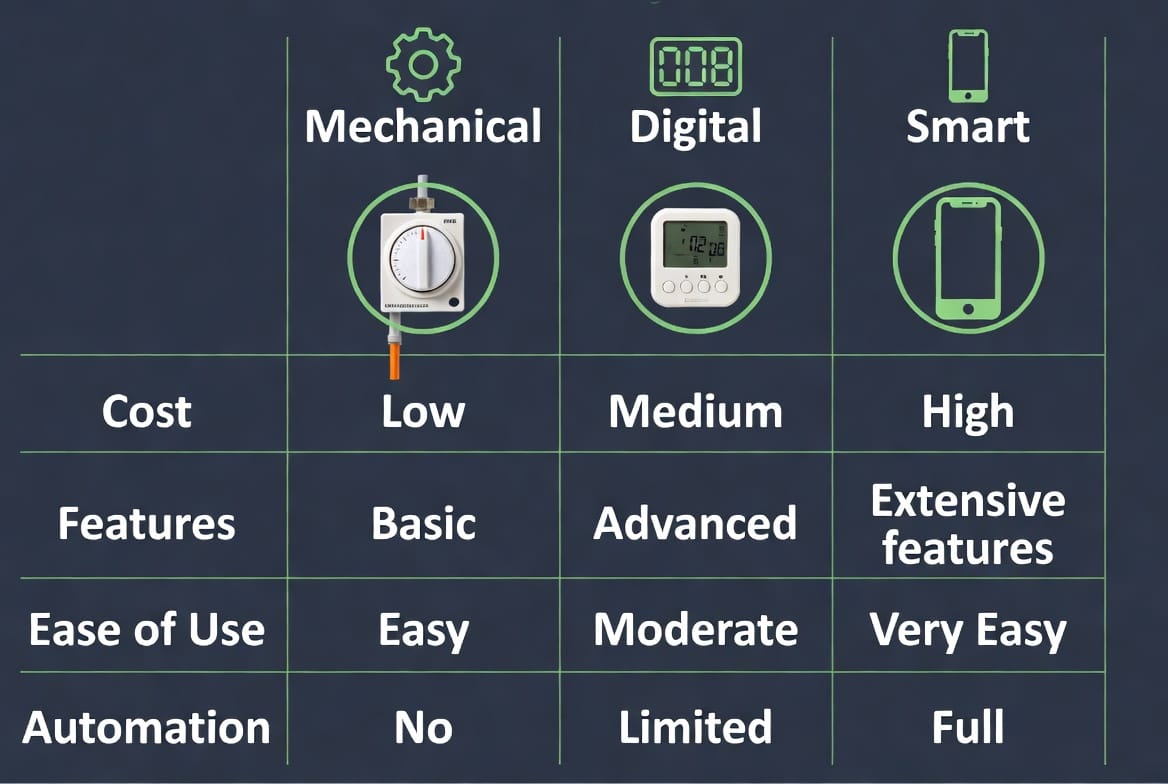
When evaluating options, consider these core differences:
- Cost: Mechanical timers offer the best value for basic needs, while smart models command premium pricing justified by advanced capabilities.
- Ease of Installation: All three types integrate similarly with your existing transformer, but smart timers may require additional network setup steps.
- Flexibility: Smart controls provide unmatched adaptability, followed by digital, with mechanical offering the most basic functionality.
- Maintenance: Mechanical units need occasional manual adjustments; smart systems largely maintain themselves.
- Energy Efficiency: Smart timers typically deliver the greatest savings through precise, adaptive operation.
Professional Installation Best Practices
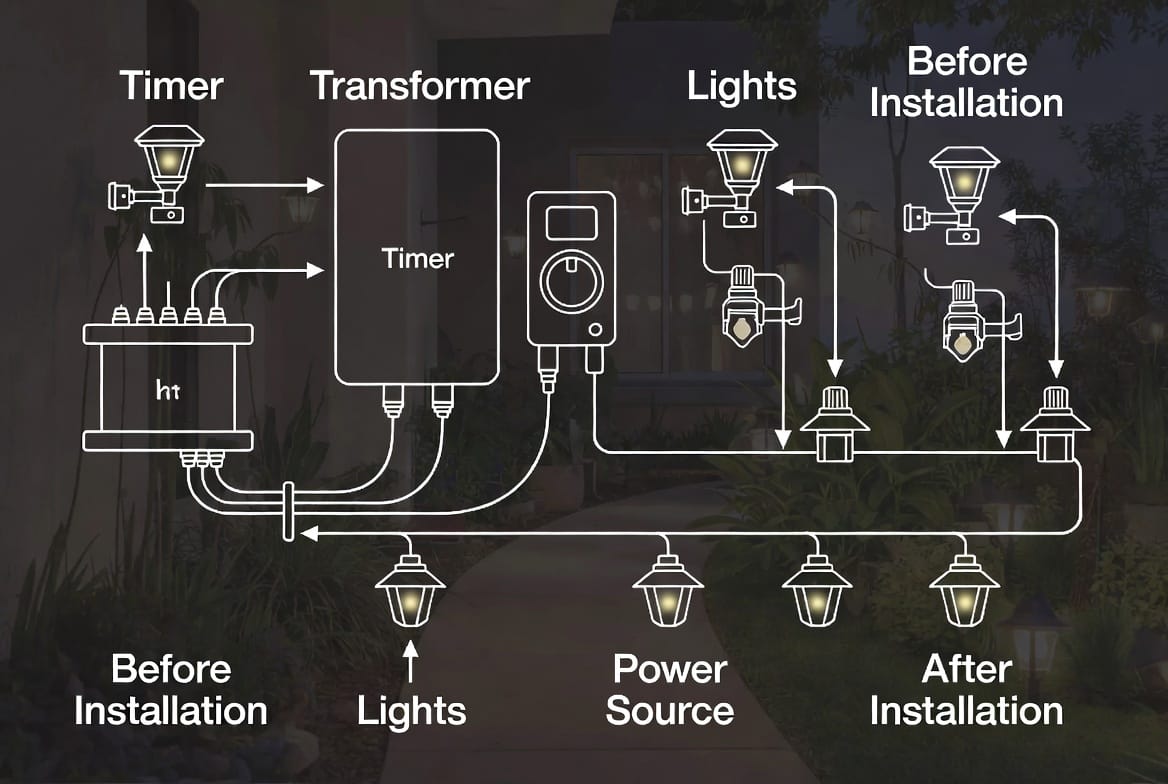
Proper timer installation ensures safety, reliability, and optimal performance. Always position timers in accessible yet protected locations near your lighting transformer. Use weatherproof enclosures for outdoor installations and follow manufacturer specifications for wire gauge and connections.
Key installation considerations include:
- Verifying compatible voltage and amperage ratings
- Securing all connections against moisture and corrosion
- Testing multiple schedules before finalizing
- Labeling circuits clearly for future maintenance
- Incorporating surge protection for electronic components
Bold warning: Incorrect wiring can damage your lighting system or create safety hazards. For complex installations involving multiple zones or smart integrations, professional expertise ensures flawless results and code compliance.
Factors to Consider Before Purchasing
Your property size, lighting layout, budget, and technical comfort level should guide your decision. Smaller residential setups often thrive with reliable digital timers, while larger estates benefit significantly from smart automation.
Consider future scalability. Choosing a system that grows with your needs prevents costly replacements later. Energy efficiency, aesthetic integration, and warranty coverage also play crucial roles in long-term satisfaction.
Maximizing Your Landscape Lighting Investment
A well-chosen landscape lighting timer elevates your entire outdoor environment. Whether you prefer straightforward mechanical reliability, digital precision, or intelligent smart automation, the right control system delivers consistent beauty, enhanced security, and reduced operating costs.
Modern options accommodate virtually every preference and property type. By understanding the strengths of each category, you can select a solution that perfectly balances convenience, performance, and value.
Make the Right Choice for Your Property
Selecting the ideal landscape lighting timer doesn't need to be overwhelming. Professional assessment of your specific lighting design, usage patterns, and goals leads to optimal results that enhance your outdoor living experience for years to come.
Ready to upgrade or install your landscape lighting system? Our experienced team specializes in designing and implementing customized lighting solutions with the perfect timer technology for your needs.
Transform Your Outdoor Lighting with Reliable Timers – Call Today