The Jewelry and Fine Art Coverage: Scheduling High-Value Items
Owning beautiful jewelry, original paintings, antiques, or rare collectibles brings lasting joy and personal meaning. These treasures often represent years of careful selection, family heirlooms, or significant financial investment. Standard home-insurance policies, however, place strict limits on how much they will pay if those items are lost, stolen, or damaged. Scheduling high-value items—also known as adding a personal-property floater or endorsement—provides the specialized protection your valuables truly need.
Protect Jewelry & Fine Art – Call for Coverage
This guide explains exactly why scheduling matters, how professional appraisals work, what a floater actually covers, and the practical steps to secure the right coverage. By the end you will understand how to protect your most precious possessions with confidence and clarity.
Why Standard Home-Insurance Limits Fall Short
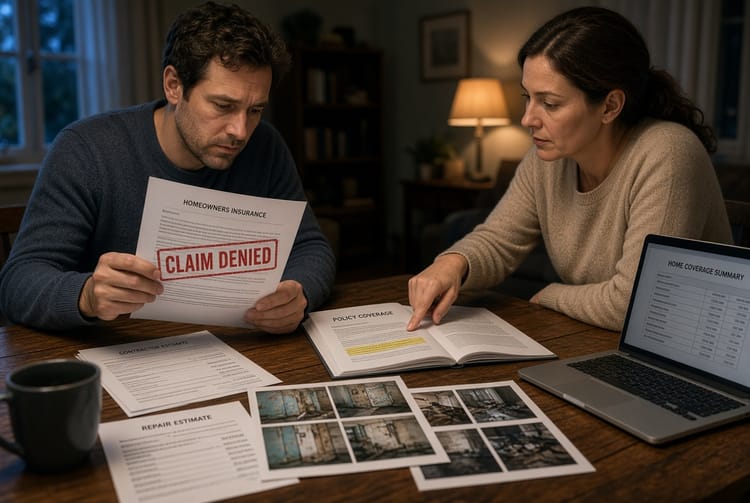
Most homeowners policies include personal-property coverage, yet that protection is designed for everyday belongings—clothing, furniture, electronics. When it comes to jewelry, fine art, and similar high-value categories, the limits are deliberately low.
Typical sub-limits look like this:
- Jewelry, watches, and furs: often capped at $1,500–$2,500 total for theft
- Fine art and antiques: frequently limited to $2,500–$5,000 per item or in aggregate
- Collectibles and rare items: similarly restricted
These figures rarely match the actual replacement cost of a diamond engagement ring, a signed limited-edition print, or a vintage Rolex. If a burglary occurs or a painting is accidentally damaged during a move, the standard policy may leave you with a substantial out-of-pocket loss.
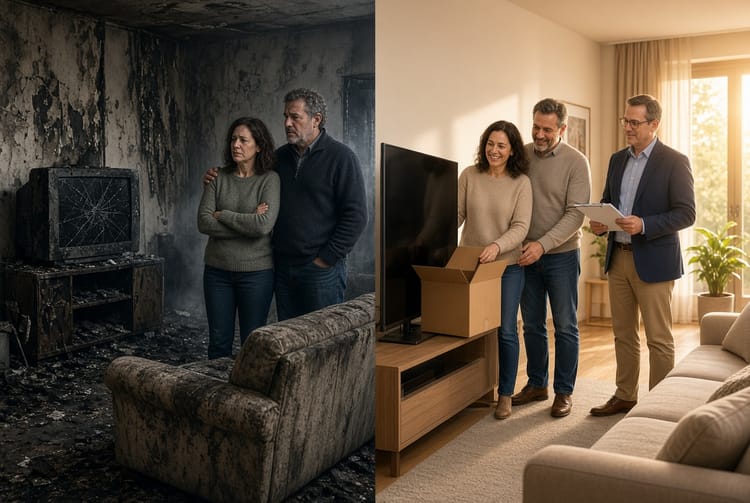
Scheduling solves this problem by listing each high-value item individually on your policy (or on a separate floater). Once scheduled, the item receives its own coverage amount—usually the full appraised value—rather than being forced into the low blanket limit. The result is reliable, item-specific protection that travels with the object and responds to a far wider range of risks.
How Professional Appraisals Establish Accurate Value
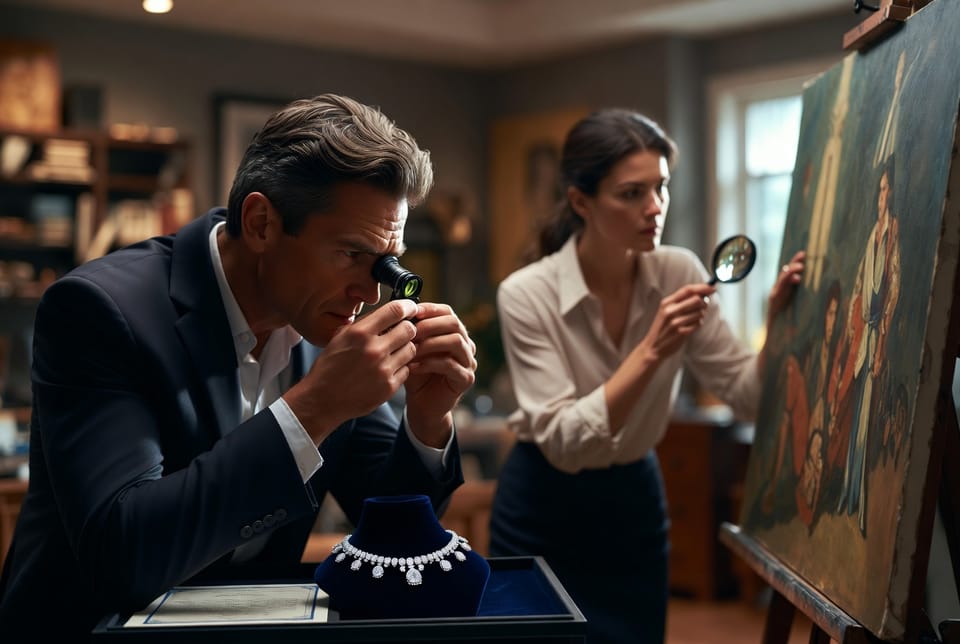
Accurate valuation is the foundation of proper scheduling. Insurance carriers require a current, professional appraisal before they will schedule an item for its true worth.
A qualified appraisal typically includes:
- Detailed written description of the item (materials, measurements, condition, provenance)
- High-resolution photographs from multiple angles
- Market research supporting the stated value
- Signature and credentials of a recognized appraiser
For jewelry, seek a graduate gemologist or member of a respected organization such as the Gemological Institute of America. For fine art, choose an appraiser affiliated with the Appraisers Association of America or a similar professional body. Antiques and collectibles benefit from specialists familiar with the specific category—vintage watches, rare books, or classical sculpture, for example.
Most insurers accept appraisals completed within the past one to three years. If market values have risen sharply (as they have for certain diamonds and contemporary art), an updated appraisal protects you from under-insurance. Keep digital and paper copies of every appraisal; they become essential documentation if a claim ever arises.
Tip: Schedule a re-appraisal every three to five years or after any significant market shift. This simple habit keeps your coverage aligned with current replacement costs and demonstrates proactive risk management to your insurer.
What a Personal-Property Floater Actually Covers
A scheduled-item endorsement or floater is specialized coverage attached to your homeowners policy (or sometimes issued as a stand-alone policy). Its advantages are clear and substantial:
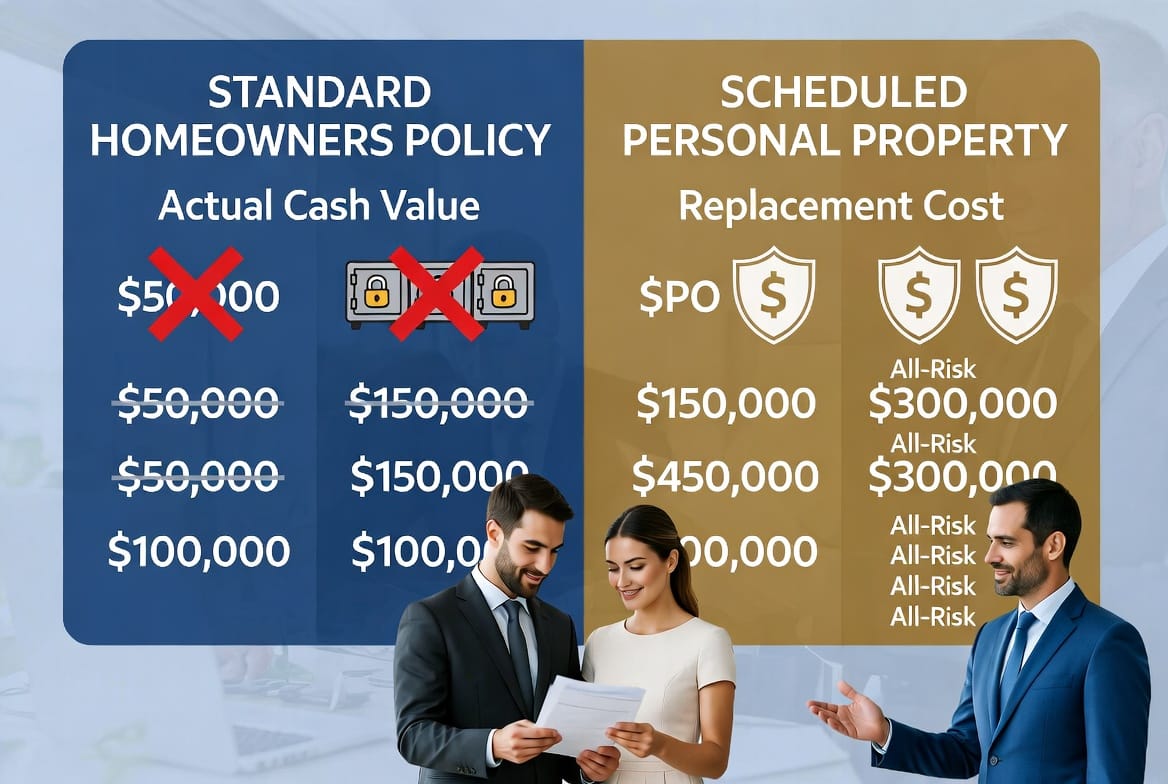
- All-risk protection – Unlike the named-peril coverage of a standard policy, a floater typically covers virtually any accidental loss or damage unless specifically excluded. This includes mysterious disappearance, accidental breakage, and damage during travel.
- Higher limits – You choose the coverage amount based on the appraisal, so a $25,000 diamond ring or a $40,000 painting receives exactly that amount of protection.
- Often no deductible – Many floaters eliminate the deductible that applies to ordinary personal property, meaning you recover the full scheduled value after a covered loss.
- Worldwide coverage – Protection usually extends wherever the item is located—at home, in a hotel safe, or while traveling internationally.
- Agreed-value settlement – In most cases the insurer agrees in advance to pay the scheduled amount, avoiding lengthy negotiations over depreciated or market value after a loss.
These features transform uncertain, limited protection into reliable, high-limit coverage tailored to the unique risks faced by valuable personal property.
Items That Benefit Most from Scheduling
Virtually any valuable personal property that exceeds standard policy sub-limits can—and often should—be scheduled. Common categories include:
- Jewelry – Engagement rings, wedding bands, necklaces, bracelets, watches, and loose gemstones
- Fine art – Original paintings, limited-edition prints, sculptures, and photographs by recognized artists
- Antiques – Period furniture, porcelain, silverware, and decorative objects with historical or collector value
- Collectibles – Rare coins, stamps, vintage wines, sports memorabilia, and limited-edition figures
Even items you wear or display daily deserve scheduling if their individual or aggregate value surpasses the standard limits. A single high-end watch or a small collection of contemporary art can easily outstrip the policy’s automatic protection.
When deciding what to schedule, ask yourself two questions:
- Would the loss of this item create a financial hardship if I received only the standard sub-limit?
- Does the item have sentimental or irreplaceable value that warrants agreed-value protection?
If the answer to either question is yes, scheduling is the prudent choice.
The Practical Process of Adding Scheduled Coverage
Securing scheduled coverage is straightforward when you work with an experienced insurance professional:
- Inventory your high-value items and gather existing receipts or previous appraisals.
- Arrange professional appraisals for any items lacking current documentation.
- Provide the completed appraisals and photographs to your insurance advisor.
- Review the proposed coverage amounts, any applicable rates, and the exact terms of the floater.
- Approve the endorsement; it is typically added to your existing homeowners policy with a modest additional premium.
Premiums for scheduled items are generally reasonable because the risk is clearly defined and the values are documented. Many carriers offer attractive rates for well-maintained collections stored in secure locations or protected by home-security systems.
Once the endorsement is in force, keep your documentation organized and notify your insurer of any significant additions, sales, or changes in storage location. This ongoing communication ensures continuous, accurate protection.
Peace of Mind That Travels With Your Treasures
Life is unpredictable. A carefully scheduled collection remains protected whether it stays in a climate-controlled display case at home or travels with you on a special occasion. The all-risk nature of most floaters means you no longer need to worry about the narrow list of named perils that limit ordinary personal-property coverage.
In the event of a loss, the claims process is typically smoother. Because the value was agreed upon in advance, settlement discussions focus on verifying the loss rather than debating the item’s worth. Many policyholders report faster resolutions and greater satisfaction when high-value items are properly scheduled.

Common Questions About Jewelry and Fine Art Coverage
Does scheduling increase my overall premium dramatically?
Usually the increase is modest relative to the protection gained. The exact cost depends on the total scheduled value, the security of your home, and the carrier’s underwriting guidelines.
What if I acquire new pieces after the policy is issued?
Most floaters include a limited automatic coverage for newly acquired items for a short period (often 30–90 days), giving you time to obtain an appraisal and formally schedule the addition.
Are there any exclusions I should know about?
While all-risk coverage is broad, certain perils such as intentional damage, wear and tear, or gradual deterioration remain excluded. Your advisor will review the specific language so there are no surprises.
Can I schedule items that are kept in a bank safe-deposit box?
Yes. Many policies offer reduced rates for items stored in secure off-site locations, and the coverage still applies when the items are temporarily removed for use or display.
Taking the Next Step Toward Complete Protection
Your jewelry, fine art, antiques, and collectibles deserve more than the limited safety net of a standard homeowners policy. By scheduling these high-value items you secure all-risk protection, higher limits, and often deductible-free recovery—exactly the specialized coverage that matches their true worth.
Professional appraisals establish accurate values, and a simple endorsement transforms uncertain exposure into reliable financial security. The process is clear, the cost is reasonable, and the peace of mind is immediate.
Protect your valuables properly. Speak with an experienced insurance advisor today and ask about scheduled coverage for your jewelry and fine art. Your collection will thank you with years of continued enjoyment—securely covered every step of the way.
Get Higher Limits for Jewelry & Art – Call Now