The HVAC Suction Line Insulation: Why It Matters and When to Replace
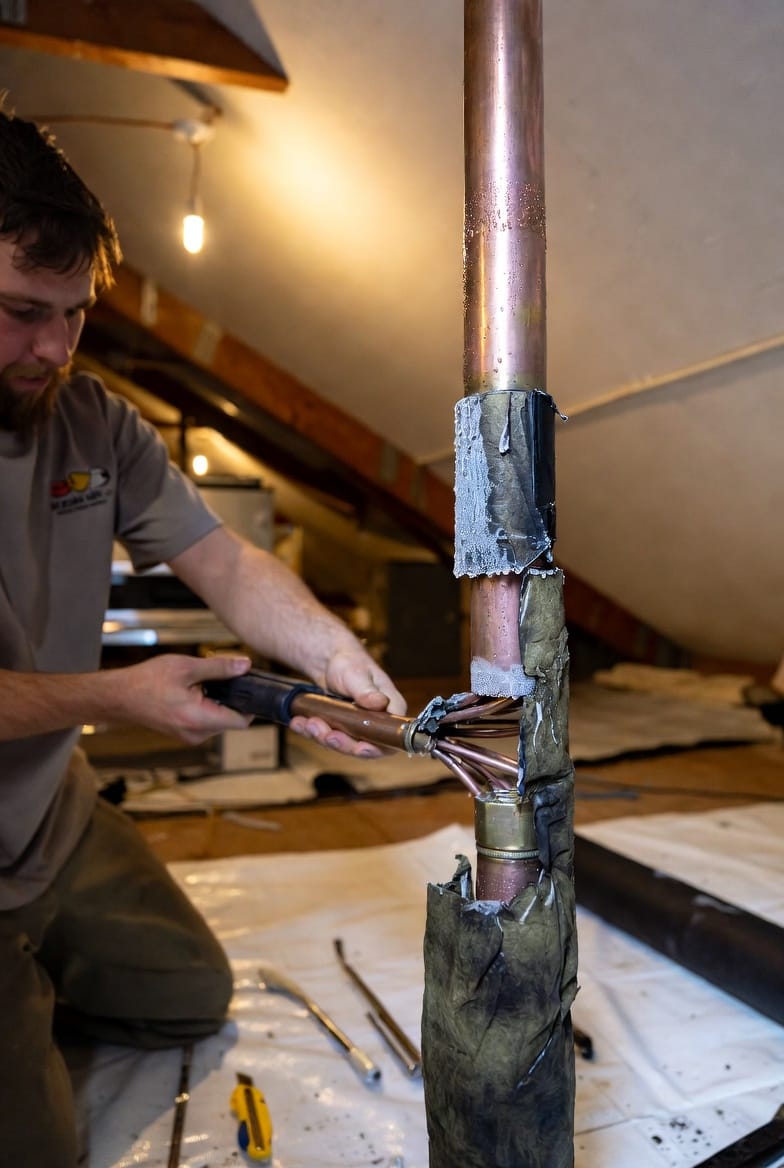
In the intricate world of HVAC systems, certain components work quietly behind the scenes to ensure optimal performance. One such often-overlooked element is the suction line insulation. While homeowners frequently focus on filters, thermostats, or outdoor units, the insulation wrapped around the large copper pipe known as the suction line plays a critical role in maintaining efficiency, preventing damage, and controlling energy costs.
Fix Your Suction Line Insulation Today – Call Now!
Proper suction line insulation is not just a nice-to-have feature—it is essential for the long-term health of your air conditioning system. This comprehensive guide explores why this component matters, how it functions, the risks of neglecting it, and clear indicators that it’s time for replacement. By understanding these details, you can protect your investment and enjoy consistent comfort.
Suction line insulation helps your HVAC system operate at peak efficiency while safeguarding your home from potential moisture-related issues.
What Is the HVAC Suction Line and How Does It Work?
The suction line is the larger of the two copper refrigerant lines connecting your indoor evaporator coil to the outdoor compressor unit. It carries low-pressure, cold refrigerant gas back to the compressor after it has absorbed heat from inside your home.
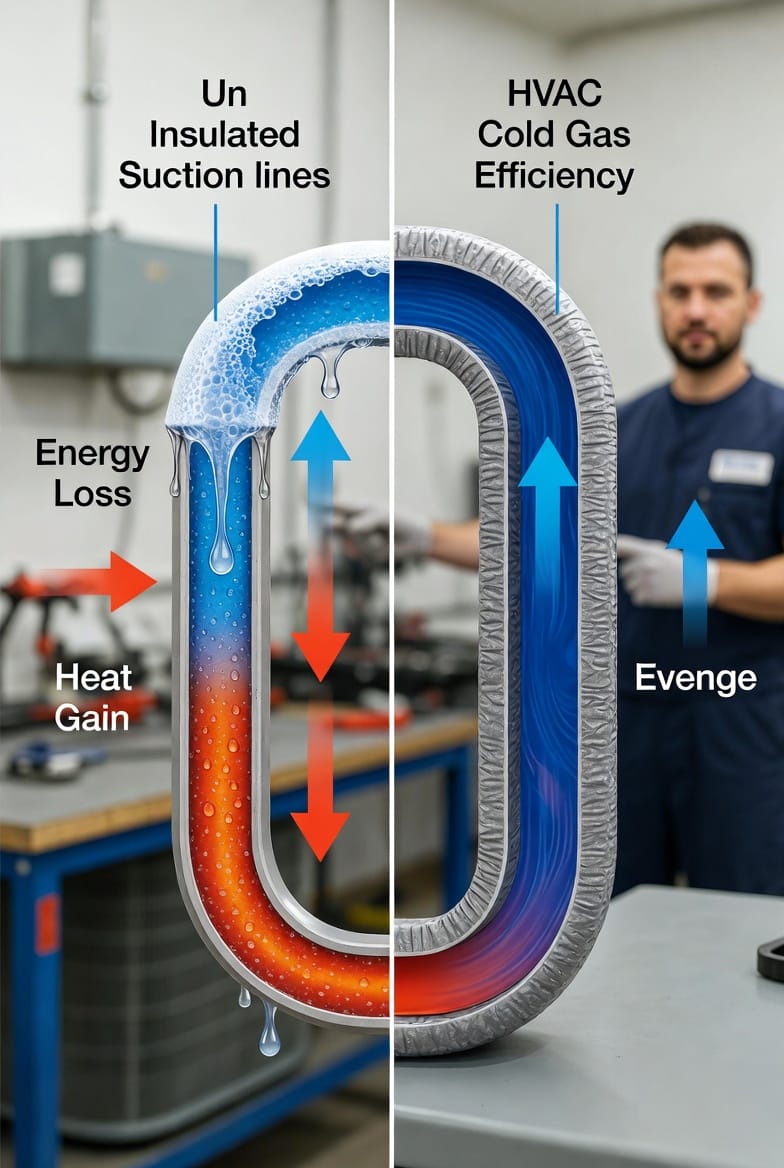
Unlike the smaller liquid line that delivers cooled refrigerant outward, the suction line handles gas that is significantly colder than the surrounding air. Without adequate protection, this temperature difference causes the pipe to “sweat” as moisture from the air condenses on its surface—much like a cold glass of water on a humid day.
Insulation acts as a thermal barrier. High-quality closed-cell foam or rubber insulation wraps the pipe completely, keeping the cold inside the line and preventing external heat gain and condensation.
This protective layer ensures the refrigerant returns to the compressor at the optimal temperature, maintaining system balance and efficiency.
Why Proper Suction Line Insulation Is Essential
Energy efficiency stands as the primary reason to prioritize suction line insulation. An uninsulated or damaged line forces the compressor to work harder to compensate for heat gain and lost cooling capacity. This increased workload directly translates to higher electricity bills—often by 10-20% or more in poorly insulated systems.
Beyond energy savings, insulation prevents condensation-related problems. Persistent moisture can lead to:
- Water damage to ceilings, walls, or insulation in attics and crawl spaces
- Mold and mildew growth, affecting indoor air quality
- Corrosion on the copper pipe over time
- Reduced system lifespan due to added strain on the compressor
In humid climates, these risks become even more pronounced. Effective HVAC suction line insulation creates a reliable barrier that keeps your system running smoothly season after season.
Key benefit: Well-insulated lines help your HVAC system achieve its designed SEER rating, delivering the comfort you expect without unnecessary energy waste.
Common Signs That Your Suction Line Insulation Needs Replacement
Recognizing failing insulation early can save you from costly repairs. Watch for these clear warning signs:
- Visible wet spots or dripping water around the refrigerant lines
- Soft, cracked, or crumbling insulation material
- Discolored or moldy insulation wrapping
- Higher than normal energy bills despite regular maintenance
- Reduced cooling performance or longer run times
- Ice formation on the suction line (indicating severe efficiency loss)
- Musty odors near the indoor unit
If you notice any of these symptoms, professional inspection is strongly recommended. Delaying action often leads to compounded problems.
The Science Behind Condensation and Energy Loss
When warm, humid air contacts the cold surface of an uninsulated suction line, water vapor condenses into liquid. Over time, this constant dripping can saturate surrounding materials and create an environment ripe for microbial growth.
From an engineering perspective, heat gain through an uninsulated line raises the temperature of the returning refrigerant. The compressor must then expend more energy to re-cool and compress the gas, reducing overall system capacity and increasing wear on moving parts.
Studies on HVAC performance consistently show that proper line insulation can improve efficiency significantly. In extreme cases, damaged insulation has been linked to premature compressor failure—one of the most expensive HVAC repairs.
Protecting your suction line is one of the smartest preventive maintenance steps you can take.
When Should You Replace Suction Line Insulation?
Replacement timing depends on several factors including climate, system age, and installation quality. As a general rule:
- Inspect annually during routine HVAC maintenance
- Replace immediately if insulation is wet or damaged
- Consider full replacement after 7–10 years, or sooner in harsh environments
- Always replace during major system repairs or line modifications
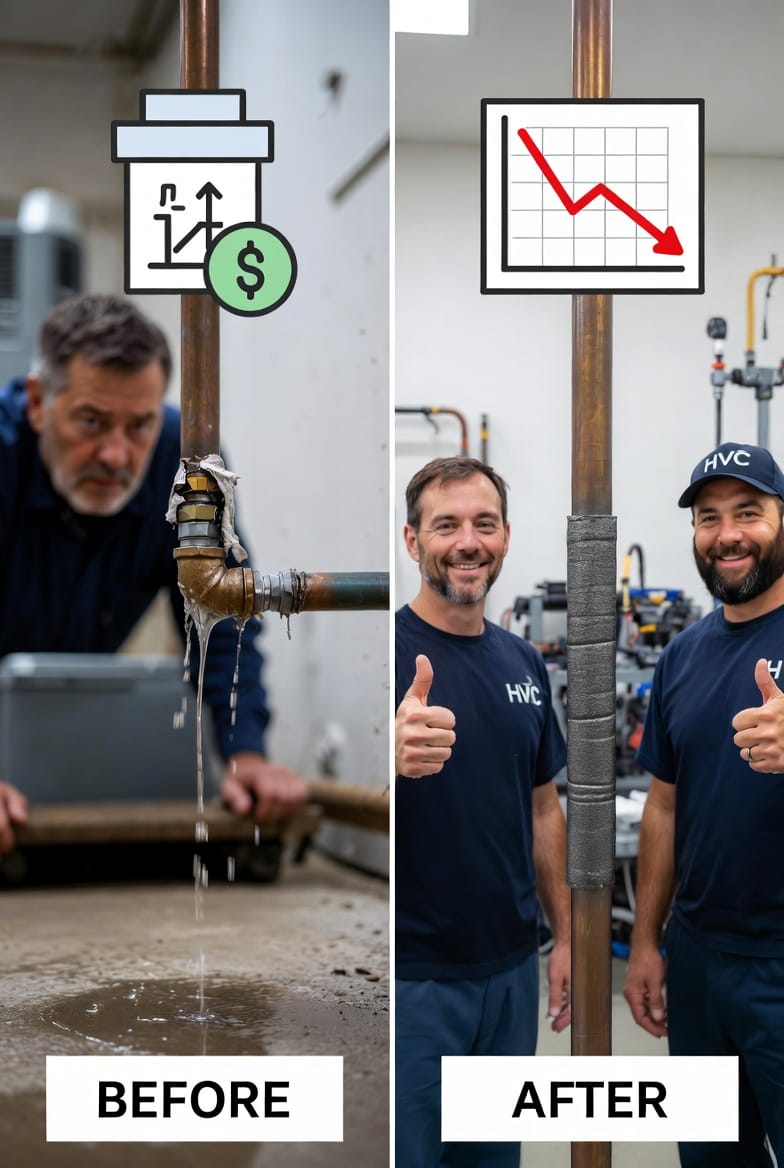
Professional technicians use specialized tools to remove old material completely and apply new insulation with sealed joints to eliminate thermal bridging. They also check for underlying pipe issues that may have contributed to the damage.
Benefits of Professional Suction Line Insulation Replacement
Investing in quality replacement delivers multiple advantages:
- Immediate energy savings through restored efficiency
- Extended equipment life by reducing compressor strain
- Improved indoor air quality by preventing mold sources
- Enhanced system reliability during peak cooling months
- Protection against water damage claims and repairs
- Better humidity control throughout your home
Modern insulation materials offer superior performance with UV resistance, fire retardancy, and long-lasting flexibility. Professionals select the right thickness and type based on your specific system and local climate conditions.
Maintenance Tips to Extend Insulation Life
While professional service is essential for replacement, you can help maintain your system by:
- Keeping attic and crawl space areas clean and well-ventilated
- Avoiding storage of items that could damage lines
- Scheduling annual professional tune-ups
- Monitoring your energy usage for unexpected spikes
- Addressing roof leaks or moisture issues promptly
These simple steps complement professional care and help maximize your HVAC investment.
Choosing the Right Professionals for the Job
Not all HVAC technicians have equal expertise with refrigerant line insulation. Look for licensed, experienced companies that specialize in comprehensive system diagnostics rather than quick fixes.
A thorough service visit should include:
- Complete visual inspection of both lines
- Measurement of temperature differentials
- Assessment of insulation condition throughout
- Recommendations based on your specific system
- Clean, professional installation with proper sealing
Peace of mind comes from knowing your system is in expert hands.
Conclusion: Take Action to Protect Your HVAC System
Your HVAC suction line insulation may be out of sight, but its impact on performance is undeniable. By addressing this critical component proactively, you ensure efficient operation, lower energy costs, and greater reliability for years to come.
Insulate your suction line for efficiency. Don’t wait for problems to escalate.
Your comfort, wallet, and home’s air quality will thank you for the attention to this important detail. Schedule your HVAC service now and experience the difference proper suction line insulation can make.
Get Professional Suction Line Insulation Replacement Now