The HVAC Low-Pressure Switch: Protecting Your Compressor from Damage
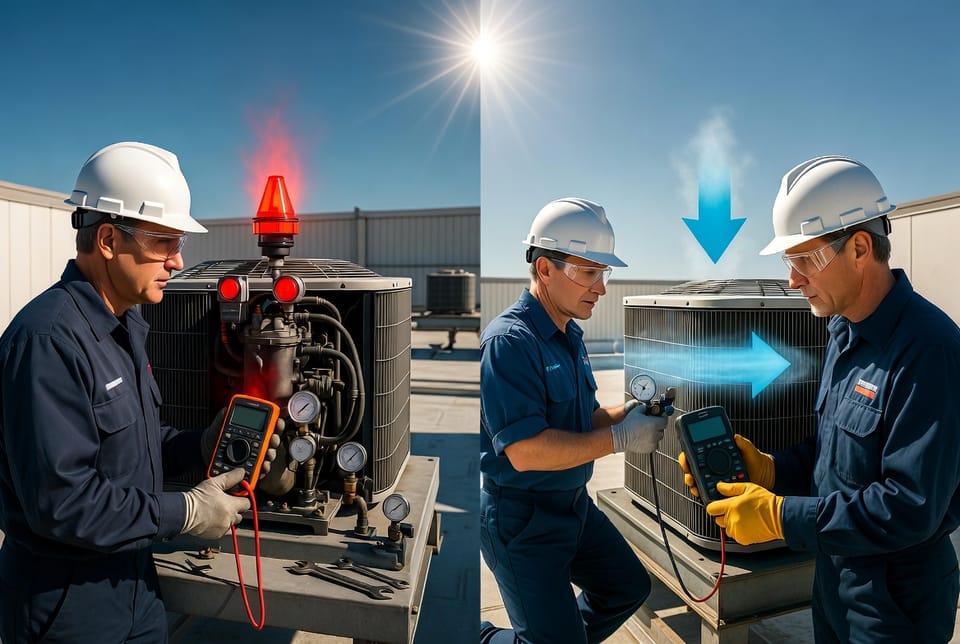
In every reliable HVAC system, certain components work quietly behind the scenes to keep everything running smoothly and safely. Among these unsung heroes is the HVAC low-pressure switch — a critical safety device engineered specifically to safeguard your compressor from serious harm. When refrigerant pressure drops too low, this switch steps in immediately, shutting down the compressor before damage can occur.
Diagnose Low-Pressure Issues Today – Call for Expert Help
Understanding how the low-pressure switch functions, recognizing the warning signs of failure, and knowing when to act can save you from costly repairs and unexpected downtime. At its core, this small but powerful component ensures your system operates within safe parameters, giving you peace of mind that your HVAC investment is protected year-round. Whether you manage a home comfort system or oversee commercial climate control, the low-pressure switch plays an essential role in preventing minor issues from escalating into major failures.
What Is an HVAC Low-Pressure Switch?
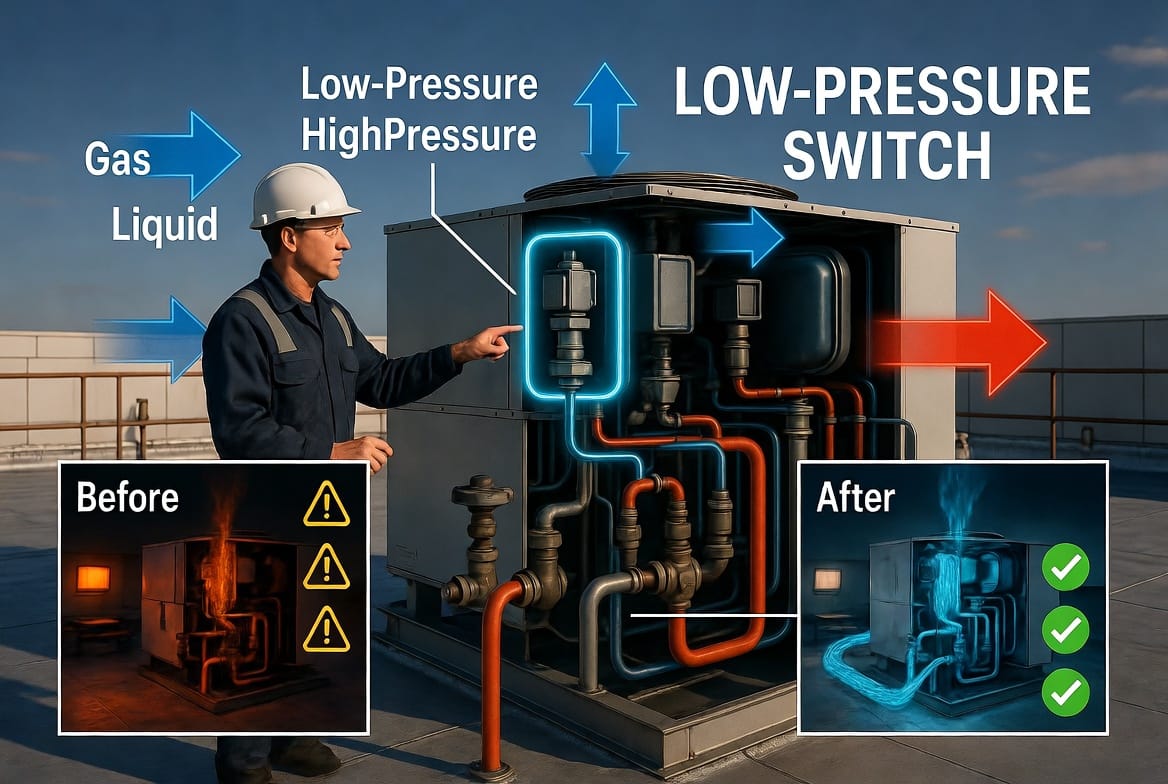
The HVAC low-pressure switch is a pressure-sensitive electrical device installed on the suction side of your refrigeration circuit. It constantly monitors the pressure of the refrigerant returning to the compressor. Designed as a normally closed switch, it remains in the “on” position under normal operating conditions.
If the suction pressure falls below the manufacturer’s preset threshold — typically due to a refrigerant leak, restricted airflow, or low charge — the switch opens the control circuit. This action instantly cuts power to the compressor, preventing it from running without adequate refrigerant.
Why does this matter? Refrigerant does more than just transfer heat; it also carries lubricating oil throughout the system. When pressure drops too low, oil return diminishes, leaving the compressor vulnerable to overheating, bearing wear, and eventual burnout. The low-pressure switch acts as your system’s first line of defense, automatically intervening to avoid these expensive and avoidable problems.
How the Low-Pressure Switch Protects Your Compressor
Your compressor is the heart of any HVAC system — the most expensive single component and the one most susceptible to damage from improper operation. The low-pressure switch protects it by responding instantly to unsafe conditions.
When refrigerant levels drop, the compressor risks liquid slugging, oil starvation, or excessive heat buildup. By shutting the unit down before these conditions worsen, the switch preserves the compressor’s internal components and extends the overall lifespan of your entire system.
Homeowners and facility managers alike can rest assured knowing this safety feature is actively working. Regular professional inspections ensure the switch remains calibrated and responsive, maintaining the high performance you expect from your HVAC equipment.
Recognizing the Signs of a Failing Low-Pressure Switch
When the low-pressure switch begins to fail or the system experiences related issues, certain symptoms appear that alert attentive users. Early detection prevents further damage and keeps repair costs manageable.
Common indicators include:
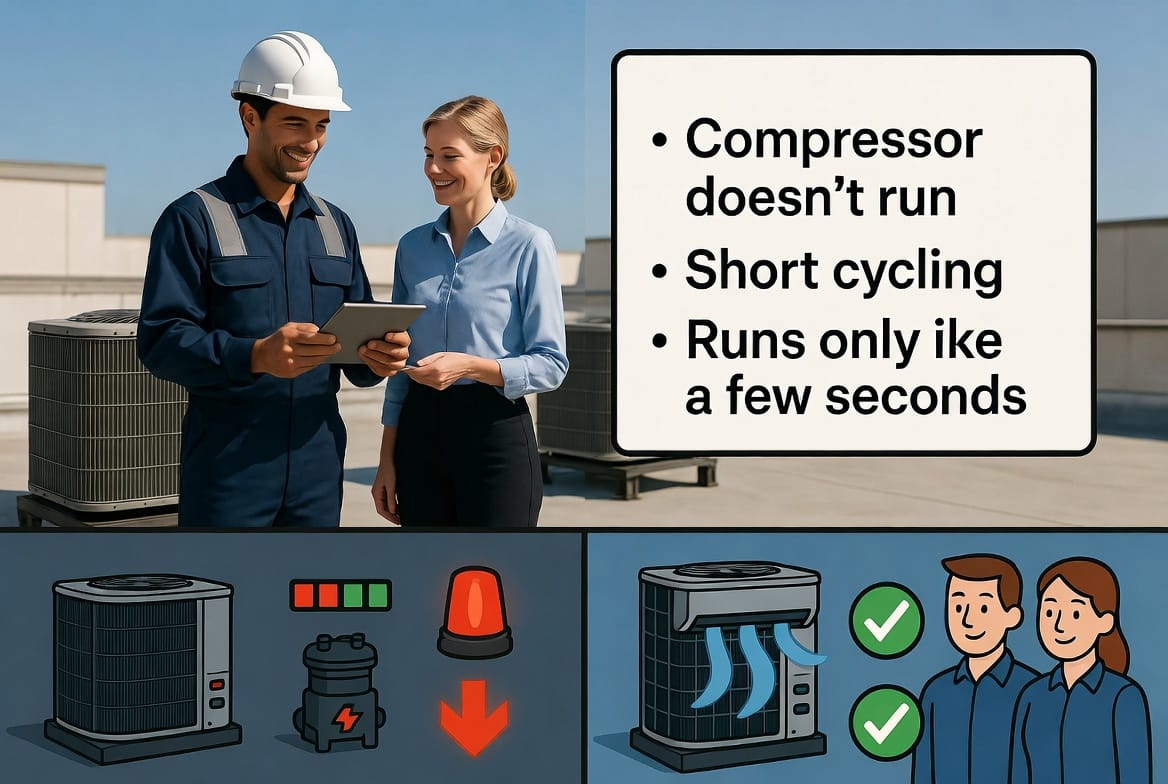
- Short cycling — the compressor turns on and off rapidly without completing a full cooling cycle.
- No cooling despite the system running — warm air continues to blow from vents.
- Compressor fails to start or runs only for a few seconds before shutting down.
- Frequent error codes or flashing lights on the thermostat or control board.
- Unusual noises such as clicking or humming from the outdoor unit as the compressor struggles.
These signs often point directly to low refrigerant pressure, a faulty switch, or both. Ignoring them risks complete compressor failure, which can cost thousands in replacement and labor.
Step-by-Step Troubleshooting for the Low-Pressure Switch
Professional troubleshooting follows a logical sequence to identify whether the issue lies with the switch itself, refrigerant levels, or another component.
Here is the standard diagnostic process:
- Visual inspection — check for obvious leaks, damaged wiring, or corrosion around the switch.
- Pressure testing — use manifold gauges to verify suction pressure matches manufacturer specifications.
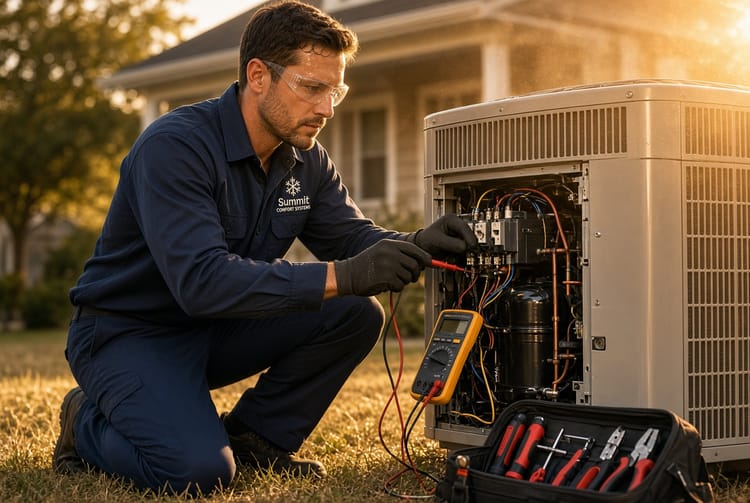
- Electrical continuity test — with a multimeter, confirm the switch opens and closes correctly at the proper pressure points.
- Wiring verification — ensure all connections are secure and free of breaks.
- System recharge evaluation — if low refrigerant is confirmed, locate and repair the leak before recharging.
Important note: Handling refrigerant requires EPA Section 608 certification. Always rely on licensed HVAC professionals for these steps to remain compliant and safe.
Why Professional Diagnosis Matters
While some homeowners attempt basic checks, the low-pressure switch operates within a complex pressurized system. Incorrect diagnosis can lead to unnecessary part replacements or, worse, voided warranties.
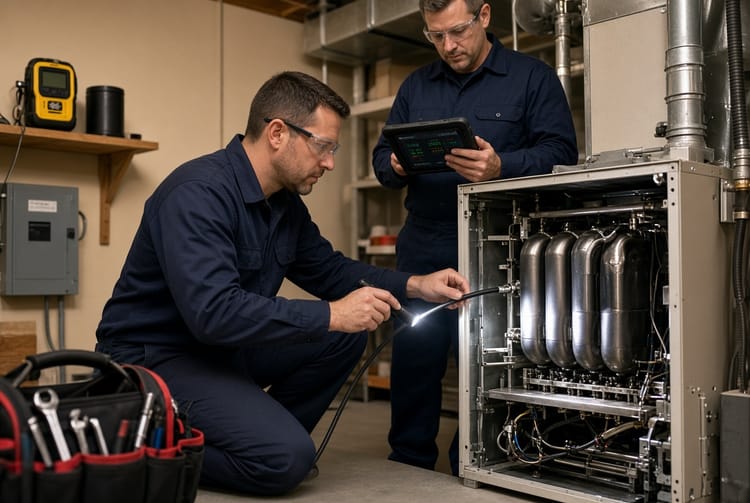
Licensed technicians bring specialized tools, years of experience, and the ability to pinpoint root causes quickly. Their expertise ensures repairs are performed correctly the first time, restoring your system to peak efficiency and protecting your compressor long-term.
Preventive Maintenance Keeps the Low-Pressure Switch Reliable
Prevention is far more cost-effective than emergency repairs. Schedule annual HVAC maintenance visits to keep the entire system — including the low-pressure switch — in optimal condition.
Technicians will:
- Inspect and test the switch for proper calibration.
- Check refrigerant levels and detect leaks early.
- Clean coils to maintain proper airflow and pressure.
- Verify all safety controls function as designed.
Consistent maintenance not only extends equipment life but also improves energy efficiency, lowers utility bills, and provides reassurance that your system is ready for extreme weather demands.
Understanding Related System Components
The low-pressure switch does not work in isolation. It coordinates with the high-pressure switch, temperature controls, and defrost timers to create a comprehensive safety network. Together, these components ensure balanced operation and prevent damage from both under- and over-pressurization.
When one element falters, the others may compensate temporarily — but only for so long. Comprehensive system knowledge helps technicians address interconnected issues efficiently, delivering lasting solutions rather than quick fixes.
Real-World Benefits of Addressing Low-Pressure Switch Issues Promptly
Businesses and homeowners who act quickly on low-pressure switch warnings enjoy several advantages: reduced energy consumption, consistent indoor comfort, extended equipment lifespan, and avoidance of sudden breakdowns during peak seasons.
One commercial property manager recently avoided a full compressor replacement by addressing short-cycling early. After professional diagnostics revealed a minor leak triggering the switch, a quick repair restored full operation and saved thousands. Stories like this highlight why vigilance matters.
Choosing the Right HVAC Partner for Diagnostics and Repair
Not every service provider offers the same level of expertise. Look for companies that emphasize thorough diagnostics, use manufacturer-approved parts, and stand behind their work with clear warranties.
The right partner will explain each step, answer your questions, and focus on long-term system health rather than temporary patches. This approach builds trust and ensures your HVAC system remains a reliable asset for years to come.
Final Thoughts on Compressor Protection
The HVAC low-pressure switch may be small, but its role in protecting your compressor is enormous. By shutting down the system during unsafe low-pressure conditions, it prevents leaks from escalating into catastrophic damage, saves on repair costs, and maintains the comfort you depend on.
Regular professional care keeps this vital safety device functioning perfectly, giving you confidence in your system’s performance through every season.
Save Your HVAC Compressor from Damage – Call Now!