The HVAC Filter MERV Rating: What Number Actually Means for Your Home
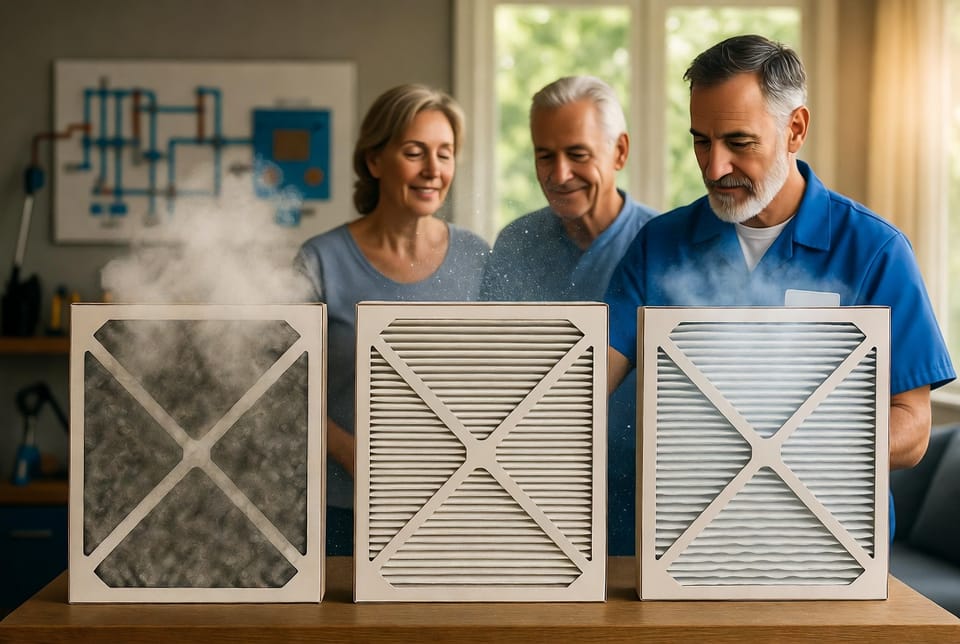
When it comes to protecting your family’s health and keeping your HVAC system running efficiently, few decisions matter more than choosing the right air filter. Yet for most homeowners, the MERV rating printed on the package remains a confusing number rather than a clear guide.
Choose the Right MERV Filter Today – Call Now!
At its core, the MERV rating — Minimum Efficiency Reporting Value — is the industry-standard measure of how effectively a filter captures airborne particles. Higher numbers mean finer filtration, but they also introduce important trade-offs that can affect airflow, energy bills, and even system longevity. Understanding the MERV scale empowers you to make informed choices that balance superior air quality with reliable HVAC performance.
In this comprehensive guide, we break down the entire MERV rating system, explain exactly what each level captures, reveal the real-world implications for residential systems, and show you how to match the perfect filter to your home’s unique needs. Whether you battle seasonal allergies, share your space with pets, or simply want cleaner air for everyday comfort, the right MERV-rated filter can transform your indoor environment.
What Is the MERV Rating Scale?
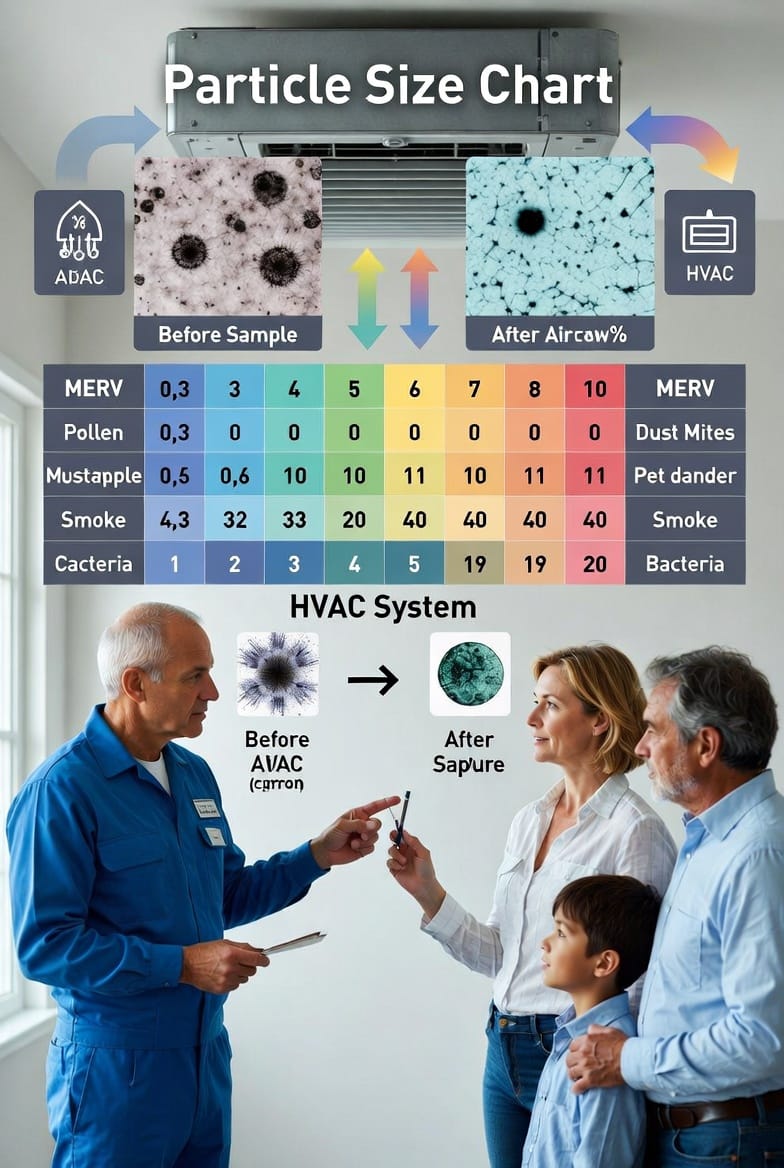
The MERV rating was developed by the American Society of Heating, Refrigerating and Air-Conditioning Engineers (ASHRAE) to provide a standardized way to compare filter performance. The scale runs from MERV 1 to MERV 20, with each step representing progressively higher filtration efficiency across specific particle-size ranges.
Unlike simple “good-better-best” labels, MERV measures a filter’s ability to capture particles between 0.3 and 10 microns in diameter under controlled laboratory conditions. One micron equals 1/25,400 of an inch — so small that the human eye cannot see most of what these filters trap.
Residential HVAC systems typically use filters rated MERV 6 through MERV 13. Filters above MERV 13 are usually reserved for hospitals, laboratories, or commercial buildings with specialized equipment designed to handle greater airflow resistance.
Breaking Down the MERV Levels: What Each Number Actually Captures
MERV 1–4
These basic filters target the largest particles — dust, pollen, and carpet fibers larger than 10 microns. They provide minimal protection and are mainly used in window air conditioners or pre-filters. Airflow restriction is negligible, but so is the cleaning power.
MERV 5–8
A solid step up for most standard homes. These filters capture 20–70% of particles in the 3–10 micron range, including dust mites, mold spores, and pet dander. Many basic pleated filters fall here. They strike an excellent balance between filtration and unrestricted airflow, making them ideal for older systems or households without special air-quality concerns.
MERV 9–12
Here the filtration becomes noticeably more effective. These filters trap up to 90% of particles 1–3 microns in size — the range that includes fine dust, auto emissions, and many allergens. MERV 11 and MERV 12 are popular upgrades for families seeking better indoor air quality without over-stressing their equipment.
MERV 13–16
These high-efficiency filters capture 90% or more of particles down to 0.3 microns — the size of bacteria, smoke, and some viruses. They deliver hospital-grade performance in a residential package. However, the denser media creates measurable airflow resistance, so your HVAC system must be designed or upgraded to handle it.
MERV 17–20
True HEPA-level territory. These ultra-dense filters remove 99.97% of particles as small as 0.3 microns. They are rarely recommended for standard home systems because the pressure drop can significantly reduce airflow, increase energy consumption, and risk damaging blower motors unless the entire system has been engineered for them.
The Critical Trade-Off: Filtration vs. Airflow
Higher MERV ratings do not automatically mean “better” for every home. The denser the filter media, the harder your blower fan must work to push air through it. This airflow restriction can lead to:
- Reduced system efficiency and higher utility bills
- Uneven heating or cooling
- Increased wear on the blower motor
- Potential freeze-up of evaporator coils in extreme cases
A reassuring truth: modern HVAC systems are built with some flexibility. Most newer units handle MERV 11–13 without issue, while many older systems perform best with MERV 8–10. The key is matching the filter to your specific equipment’s capabilities rather than chasing the highest number available.
Matching the Right MERV Rating to Your Home’s Needs
Choosing the correct MERV rating is not one-size-fits-all. Consider these common scenarios:
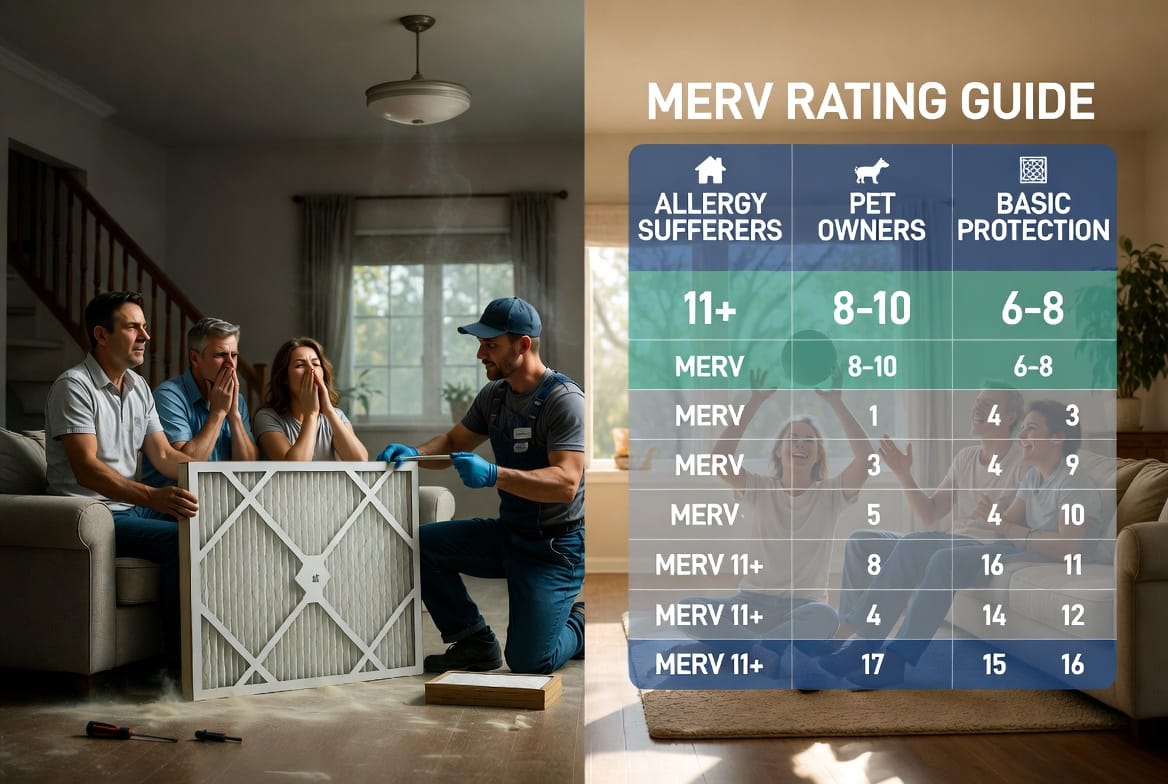
- Basic dust and pollen protection — MERV 6–8 delivers reliable everyday filtration with virtually no impact on system performance.
- Households with pets — MERV 8–10 effectively captures pet dander, hair, and odors while maintaining strong airflow.
- Allergy or asthma sufferers — MERV 11–13 provides the deeper filtration needed to reduce microscopic allergens and improve respiratory comfort.
- Homes near busy roads or in smoky regions — MERV 13 or higher helps trap fine particulate matter from traffic and wildfires.
Pro tip: Check your HVAC manufacturer’s recommendations in the equipment manual or on the unit itself. Many systems list a maximum recommended MERV rating to avoid voiding warranties or causing operational problems.
Common Myths About MERV Ratings
Many homeowners believe “the higher the MERV, the better the air.” While partially true, this overlooks system compatibility. Others assume all pleated filters are equal — they are not. Filter depth, pleat count, and media quality also influence real-world performance.
Another myth: changing filters monthly is always necessary. In low-dust homes with MERV 8 filters, every 90 days may suffice. High-efficiency filters in pet-heavy households may need replacement every 30–60 days. Monitor your system’s airflow and change filters when they appear dirty or when pressure drop increases.
Maximizing the Benefits of Your Chosen Filter
Once you select the ideal MERV rating, consistent maintenance keeps performance high. Replace filters on schedule, keep return vents clear, and schedule annual professional HVAC tune-ups. A clean system paired with the right filter creates a powerful synergy that delivers years of healthier indoor air and lower energy costs.
Choose the Right Filter for Your System and Health
The HVAC filter MERV rating is far more than a number on a box — it is your first line of defense for cleaner, healthier indoor air. By understanding the scale, recognizing the airflow trade-offs, and matching the rating to your home’s specific needs, you protect both your family’s well-being and your HVAC investment.
Ready to breathe easier? Our experienced technicians provide personalized filter consultations to evaluate your system and recommend the perfect MERV-rated solution.
Find the Best HVAC Filter for Your Home – Call Today