The HVAC Refrigerant Recovery: Why Proper Handling Matters for the Environment
In today’s world, responsible HVAC maintenance goes far beyond simply keeping your home comfortable. It extends to protecting our planet through proper refrigerant recovery. As homeowners become increasingly conscious of environmental impact, understanding how refrigerants are handled during service, repair, or replacement has never been more important.
Ensure Proper Refrigerant Recovery & EPA Compliance – Call Now!
Refrigerant recovery is not just best practice — it is a legal and ethical responsibility. At our company, we prioritize environmental compliance in every job we perform, ensuring that harmful substances never escape into the atmosphere.
Understanding HVAC Refrigerants and Their Environmental Role
Refrigerants are the lifeblood of your air conditioning and heat pump systems. These specialized fluids absorb heat from indoor air and release it outdoors, creating the cool comfort we all enjoy during hot summer months.
However, many older and even some newer refrigerants contain compounds that can damage the ozone layer or contribute significantly to global warming if released improperly. Common types include HFCs, HCFCs, and the newer HFOs, each with varying levels of environmental impact.
Key risk: When refrigerants leak or are vented, they trap heat in the atmosphere at rates hundreds or even thousands of times more potent than carbon dioxide. This makes professional refrigerant recovery essential for any HVAC service.
Why Venting Refrigerant Is Illegal and Harmful
Venting refrigerant is strictly prohibited under federal law in the United States. Releasing these substances directly into the air causes immediate and long-term environmental damage.
- Ozone depletion in older refrigerants
- Greenhouse gas amplification contributing to climate change
- Air quality degradation affecting communities
- Health risks from prolonged exposure to certain compounds
The Environmental Protection Agency (EPA) enforces strict rules because even small amounts of released refrigerant can have outsized effects. Homeowners should feel reassured knowing that reputable technicians never vent refrigerant — they recover it safely using certified equipment.
The Professional Refrigerant Recovery Process Explained
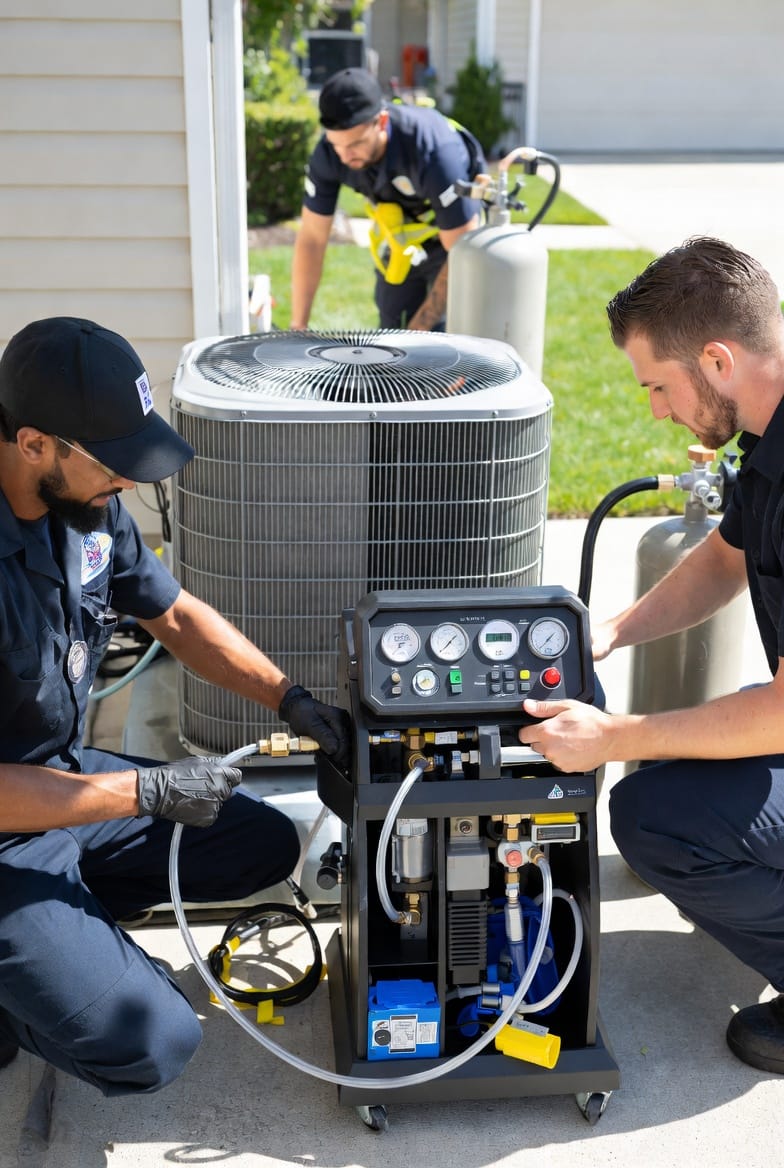
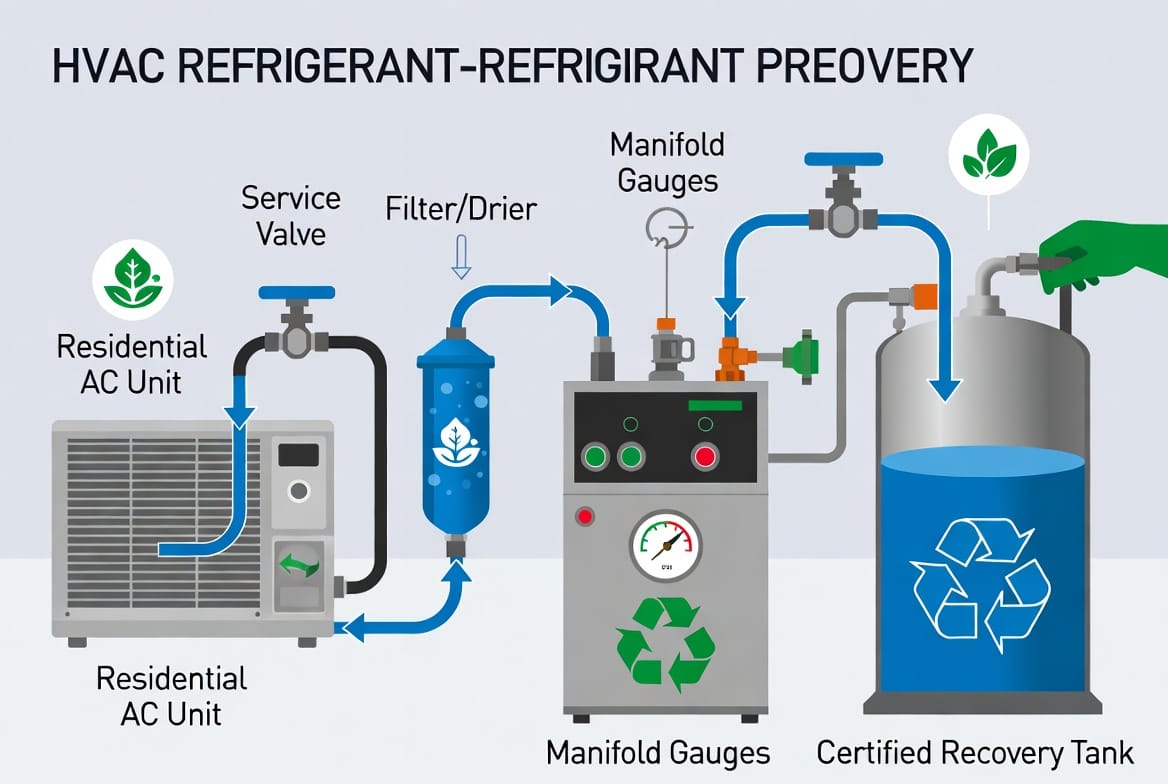
Refrigerant recovery involves capturing, storing, and eventually recycling or reclaiming the refrigerant so it doesn’t harm the environment. The process requires specialized tools and training.
Here’s how certified professionals handle it:
- System assessment: Evaluating the unit’s condition and refrigerant type
- Connection of recovery equipment: Using hoses and manifolds designed specifically for safe capture
- Closed-loop recovery: Pulling refrigerant into a certified recovery tank without any atmospheric release
- Filtering and storage: Processing the recovered material for reuse or proper disposal
- Documentation: Recording amounts recovered for compliance records
This methodical approach ensures zero venting while maintaining system integrity for future recharging.
Legal Framework: EPA Section 608 and Technician Certification
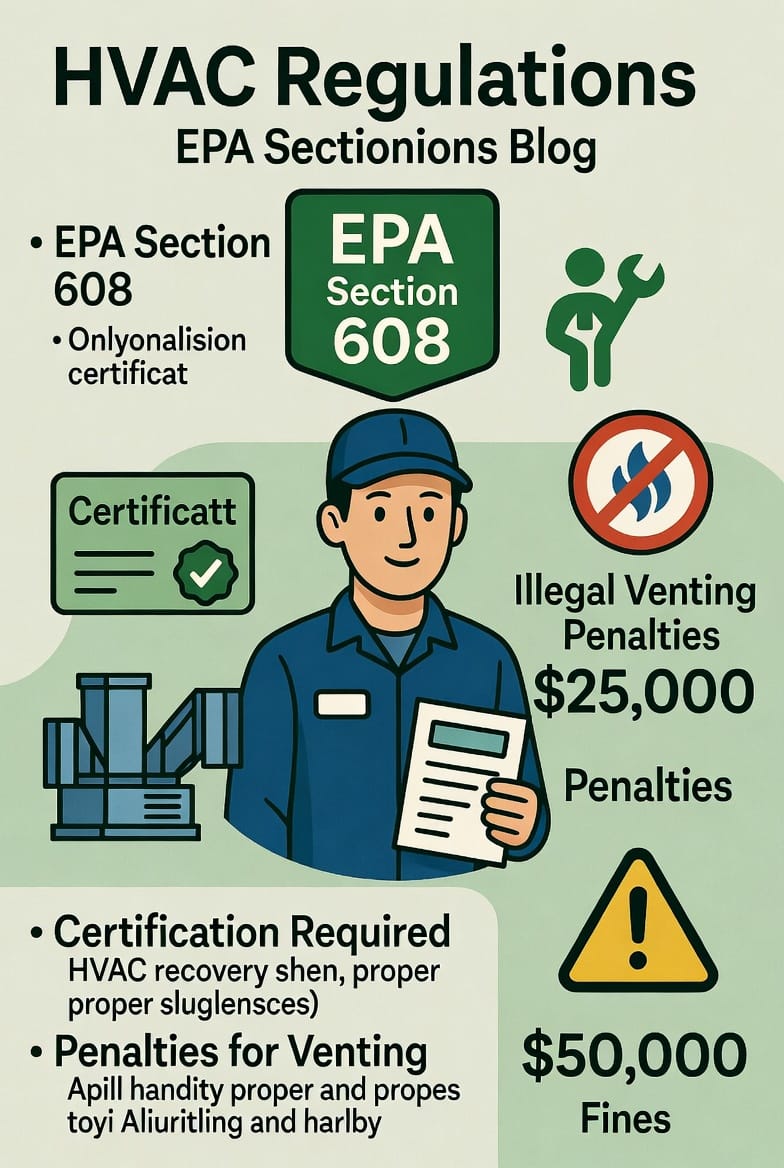
The cornerstone of responsible refrigerant handling is EPA Section 608 of the Clean Air Act. This regulation mandates that anyone who handles refrigerants must be properly certified.
Important compliance elements include:
- Type I, II, III, or Universal Certification required for technicians
- Mandatory recovery equipment meeting EPA performance standards
- Record-keeping requirements for all refrigerant transactions
- Strict penalties for non-compliance, including substantial fines and potential legal action
When you hire a certified technician, you gain peace of mind knowing your service meets all federal environmental standards. Uncertified individuals not only risk heavy fines but also put your warranty and system performance at risk.
What Homeowners Should Ask Their HVAC Technician
Being an informed homeowner empowers you to ensure green practices during every service call. Here are key questions to ask:
- Are you EPA Section 608 certified?
- What type of recovery equipment will you use?
- Will you provide documentation of recovered refrigerant amounts?
- Do you follow closed-loop recovery procedures?
- How do you dispose of or recycle recovered refrigerant?
A professional, authoritative technician will welcome these questions and provide clear answers. This transparency demonstrates their commitment to environmental stewardship and customer trust.
Pro tip: Choose companies that openly advertise their environmental compliance policies. This reflects a higher standard of service overall.
Environmental Benefits of Proper Recovery Practices
When refrigerants are recovered correctly, the positive impact extends beyond your property:
- Preservation of the ozone layer
- Reduction in greenhouse gas emissions
- Conservation of resources through refrigerant recycling
- Support for sustainable HVAC industry standards
- Contribution to cleaner air for future generations
Each properly handled recovery represents a small but meaningful victory for environmental protection. Over time, widespread adoption of these practices significantly slows climate change effects.
Common Myths About Refrigerant Handling
Many homeowners still believe outdated information about HVAC service:
Myth: "A little venting won’t hurt anything."
Fact: Even small releases accumulate and cause measurable environmental damage.
Myth: "All technicians handle refrigerant the same way."
Fact: Only certified professionals with proper equipment can legally and safely perform recovery.
Myth: "Recovery slows down the repair process."
Fact: Professional teams integrate recovery seamlessly into their workflow without unnecessary delays.
Understanding these realities helps homeowners make better decisions when selecting service providers.
The Technical Side: Recovery Equipment and Best Practices
Modern refrigerant recovery machines represent significant technological advancement. Today’s equipment features:
- High-efficiency compressors for faster recovery
- Multiple safety sensors and automatic shutoffs
- Compatibility with various refrigerant types
- Digital tracking for precise measurement
Technicians also follow detailed protocols including proper hose connections, leak testing, and system evacuation before recharging. This attention to detail prevents contamination and ensures optimal system performance after service.
Bold emphasis: Using substandard or uncertified equipment not only violates the law but can damage your HVAC system and void manufacturer warranties.
Long-Term System Health and Environmental Responsibility
Proper refrigerant management contributes directly to your system’s longevity. When technicians recover and recharge correctly:
- Pressure levels remain balanced
- Compressor stress is minimized
- Energy efficiency is preserved
- System lifespan is extended
This creates a win-win situation — better performance for your home and better protection for the environment.
How to Identify an Eco-Responsible HVAC Provider
Look for these indicators when choosing a service company:
- Prominent display of EPA certifications
- Investment in modern recovery equipment
- Transparent environmental policies
- Positive customer reviews mentioning responsible practices
- Ongoing technician training programs
Companies that prioritize sustainable HVAC solutions typically deliver superior overall service quality as well.
Moving Forward with Environmental Consciousness
The HVAC industry continues evolving toward more sustainable refrigerants and practices. Newer systems use lower-GWP (Global Warming Potential) options, but proper handling remains crucial for all types.
By choosing providers who excel in refrigerant recovery, homeowners play an active role in environmental protection while ensuring reliable home comfort.
Conclusion: Choose Eco-Responsible HVAC Service
Proper refrigerant recovery represents more than regulatory compliance — it embodies respect for our shared environment and commitment to future generations. When you understand the importance of these practices, you can confidently select service providers who align with your values.
Our team stands ready to provide professional, compliant, and environmentally conscious service for all your HVAC needs. Together, we can keep your home comfortable while protecting the planet.
Safe Refrigerant Recovery for Your Home & Planet – Call Now!