The HVAC Filter Grille Return: Why Large Returns Are Better Than Small Ones
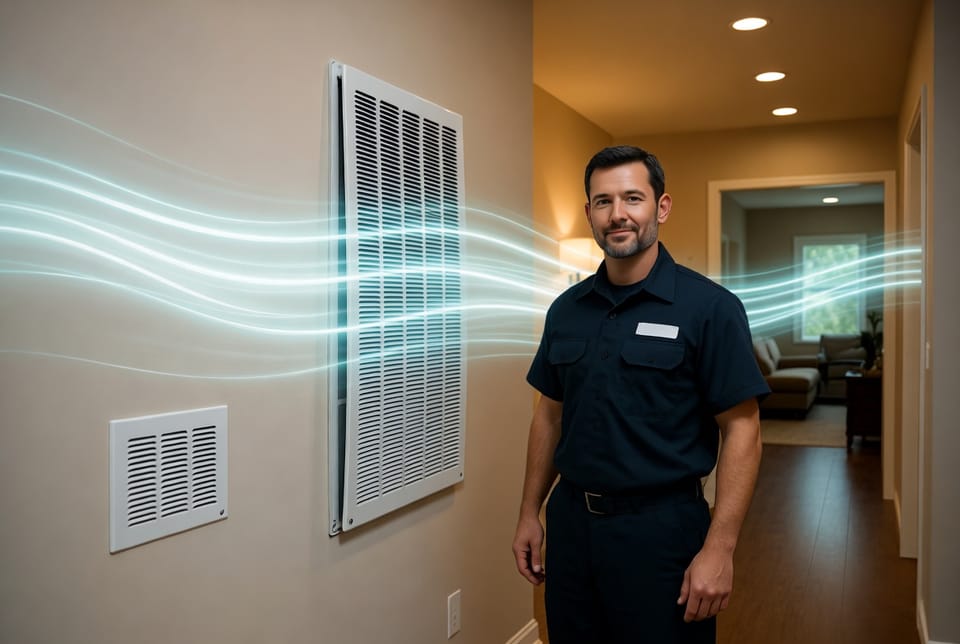
In the world of home comfort, few components play as critical a role as the HVAC return grille. Often overlooked during routine maintenance, the size of your return air grille can dramatically impact system performance, energy efficiency, and even indoor air quality. At first glance, a grille might seem like a simple vent cover, but its dimensions directly influence how effectively your heating and cooling system moves air throughout your home.
Fix Your HVAC Return Issues – Schedule Duct Assessment Today
Larger return grilles promote better airflow design, reduce strain on your equipment, and deliver quieter operation. Homeowners who upgrade to properly sized returns frequently report improved comfort, lower utility bills, and fewer service calls. In this comprehensive guide, we’ll explore the science behind return grille sizing, the risks of undersized units, and practical steps to optimize your system. Whether you’re building new or retrofitting an existing Dallas-area home, understanding these principles empowers you to make informed decisions that protect your investment.
Understanding Return Air Grilles and Their Role in Airflow Design
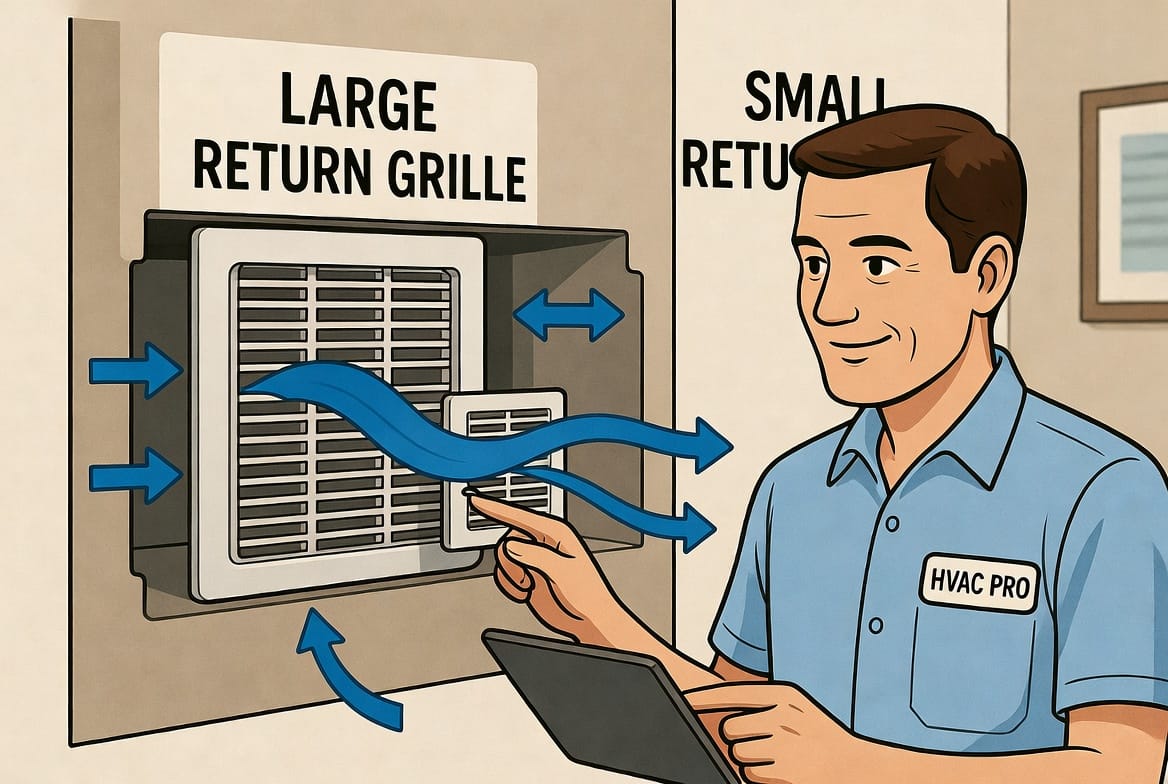
Your HVAC system works as a closed loop: supply ducts push conditioned air into rooms while return grilles pull air back to the unit for reconditioning. The return grille acts as the entry point for this return air. When the grille is too small relative to your system’s CFM (Cubic Feet per Minute) requirements, it creates resistance known as static pressure.
Bold fact: Every square foot of free area in a return grille can typically handle around 200 CFM of airflow under standard conditions. Undersized grilles force the blower motor to work harder, increasing energy consumption and wear.
This pressure drop affects everything from temperature consistency to humidity control. In Texas homes with high cooling demands, proper return sizing becomes especially important for maintaining that crisp, comfortable indoor environment even during peak summer heat.
Why Larger Returns Outperform Smaller Ones
The advantages of oversized return grilles extend far beyond aesthetics. Here’s why professionals consistently recommend them:
- Reduced Pressure Drop: Larger surface area allows air to enter at lower velocity, minimizing turbulence and resistance.
- Quieter Operation: High-velocity air through small grilles produces noticeable whistling or whooshing sounds. Larger grilles operate more silently.
- Improved Energy Efficiency: Your system doesn’t have to fight against restrictions, leading to lower electricity usage and reduced wear on the blower motor.
- Better Air Distribution: Enhanced return capacity helps balance airflow across multiple rooms, eliminating hot or cold spots.
- Extended Equipment Life: Less strain means fewer breakdowns and a longer lifespan for your HVAC unit.
Homeowners often notice these benefits immediately after an upgrade. Rooms feel more consistently comfortable, and the system runs less frequently while achieving the same results.
How to Calculate the Right Return Grille Size
Determining the ideal size doesn’t require advanced engineering skills, but it does demand attention to your system’s specifications. Start by checking your HVAC unit’s rated airflow capacity — typically listed on the equipment label or in the manual.
Simple calculation guideline:
- Divide total system CFM by 200 to find the minimum square footage of grille free area needed.
- Account for the grille’s free area percentage (most decorative grilles have 50-70% open area).
- Add extra capacity for future needs or high-performance filters.
For example, a 2,000 CFM system ideally needs about 10 square feet of total return grille area. This might translate to multiple large returns strategically placed throughout the home rather than relying on one undersized unit.
Pro tip: Consult a licensed technician for precise measurements using tools like a manometer to assess actual static pressure. In Dallas homes with long duct runs or multi-story layouts, professional assessment prevents costly mistakes.
Clear Warning Signs of Undersized Return Grilles
Don’t ignore these common symptoms that indicate your return air paths may be insufficient:
- Whistling or roaring noises coming from vents when the system kicks on.
- Doors slamming or pulling shut due to pressure imbalances.
- Uneven temperatures across different rooms or floors.
- Increased dust accumulation near returns as the system compensates with higher suction.
- Higher than normal energy bills without changes in usage.
- Frequent short-cycling of the HVAC equipment.
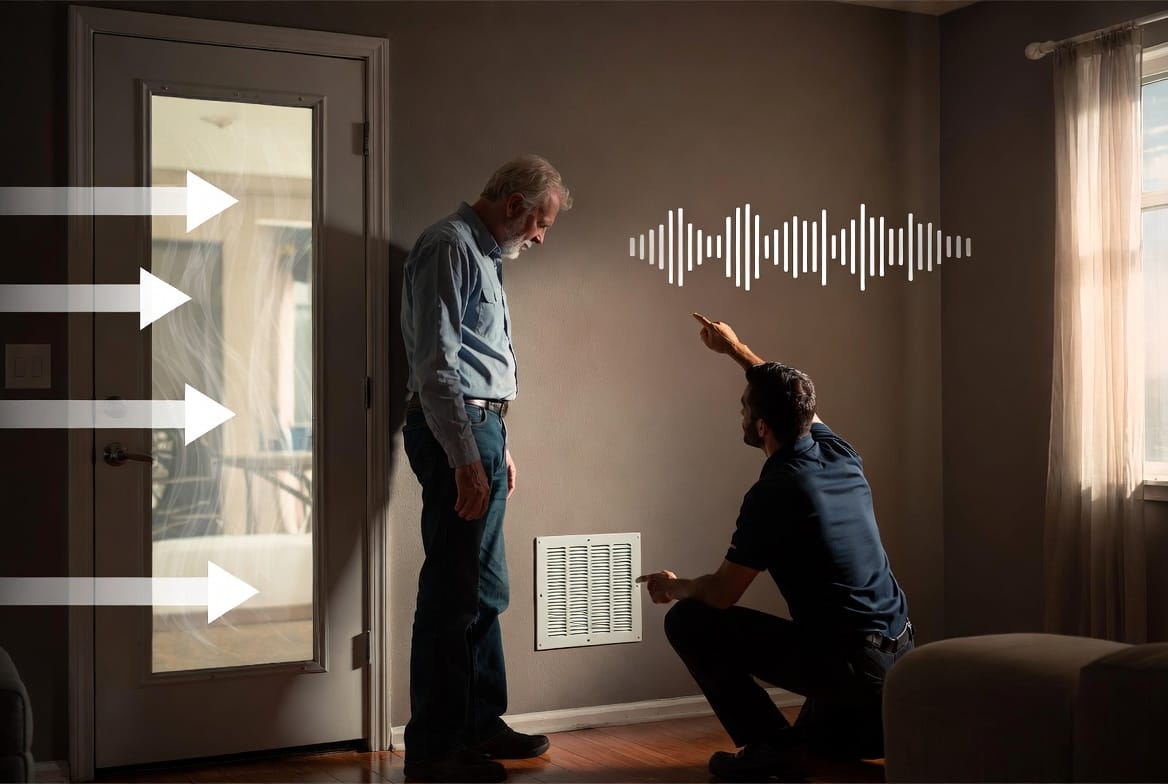
If you notice any of these issues, prompt action can prevent larger problems. Restricted airflow forces the system to run hotter and longer, potentially leading to premature failure of critical components.
The Impact on Indoor Air Quality and Filter Performance
Properly sized returns work hand-in-hand with high-quality HVAC filters. When air moves freely through an adequately sized grille, filters capture contaminants more effectively without becoming quickly clogged. This results in cleaner air for your family, which is particularly beneficial for households with allergy sufferers or respiratory concerns common in the Dallas-Fort Worth metroplex.
Restricted returns can also pull air from unintended sources — such as attics, garages, or gaps around doors — introducing pollutants and unconditioned air into the living space. Upgrading to larger grilles helps maintain positive pressure balance and protects your home’s air quality.
Best Practices for Return Grille Placement and Installation
Strategic placement maximizes the benefits of larger returns:
- Locate returns in high-traffic or central areas where air naturally circulates.
- Avoid placing them directly behind furniture or in closed-off spaces.
- Use multiple returns for larger homes or open floor plans.
- Ensure grilles are accessible for easy filter changes.
During installation, technicians focus on proper sealing to prevent leaks and optimize the entire ductwork system. Modern grilles come in stylish designs that blend seamlessly with your decor while delivering superior performance.
Professional Assessment and Upgrade Considerations
While DIY filter changes are straightforward, sizing and installing return grilles often benefits from expert help. A qualified HVAC professional will perform a full duct assessment, measure static pressure, and recommend solutions tailored to your specific equipment and home layout.
In the Dallas area, where extreme temperatures test HVAC systems daily, investing in proper airflow design pays dividends through consistent comfort and energy savings. Many homeowners see noticeable improvements in both performance and monthly bills after addressing return grille limitations.
Common Myths About Return Grilles Debunked
Myth 1: All grilles are basically the same.
Reality: Size, design, and free area percentage vary significantly and directly impact results.
Myth 2: Larger grilles look bulky and unattractive.
Reality: Contemporary designs offer sleek, low-profile options that enhance rather than detract from your interior.
Myth 3: If the system seems to work, returns don’t need attention.
Reality: Subtle inefficiencies compound over time, leading to higher costs and reduced lifespan.
Maintaining Your Optimized HVAC System
Once upgraded, simple maintenance keeps everything running smoothly:
- Check and replace filters regularly (every 1-3 months).
- Inspect grilles for dust buildup and vacuum as needed.
- Schedule annual professional tune-ups.
- Monitor for any new signs of imbalance.
These habits, combined with properly sized returns, create a reliable, efficient system you can depend on year-round.
Bigger returns mean better airflow. They reduce strain, lower noise, improve efficiency, and enhance overall comfort in your home. If your system shows signs of restriction or you’re planning renovations, now is the perfect time to evaluate your return air grilles.
Don’t settle for suboptimal performance. Contact our experienced team today for a comprehensive duct assessment and expert recommendations tailored to your Dallas-area home.
Optimize Your HVAC System with Proper Return Sizing – Call Today