The HVAC Air Balancing: Adjusting Dampers for Even Temperatures
In every well-designed home or commercial building, comfort should be consistent from room to room. Yet many property owners experience frustrating hot and cold spots that make daily living uncomfortable. The solution lies in professional HVAC air balancing — a targeted service that adjusts dampers to direct proper airflow where it’s needed most.
Eliminate Hot & Cold Spots – Get Air Balancing Now
Air balancing is the process of optimizing your heating, ventilation, and air conditioning system so every room receives the right amount of conditioned air. By fine-tuning dampers within the ductwork, technicians ensure balanced pressure and airflow, eliminating temperature variations and improving overall system efficiency.
Whether you’re dealing with a second-floor bedroom that’s always too warm or a basement that stays chilly, professional air balancing delivers reliable, lasting results. This comprehensive guide explains everything you need to know about this essential HVAC service.
Understanding HVAC Air Balancing
HVAC air balancing involves measuring and adjusting airflow throughout your duct system to match the specific needs of each space. Your HVAC system pushes air through a network of ducts and registers. Without proper balancing, some rooms receive too much air while others get too little.
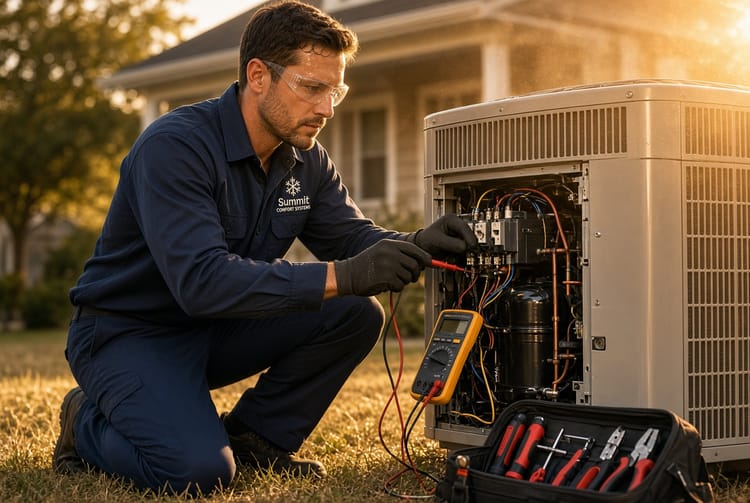
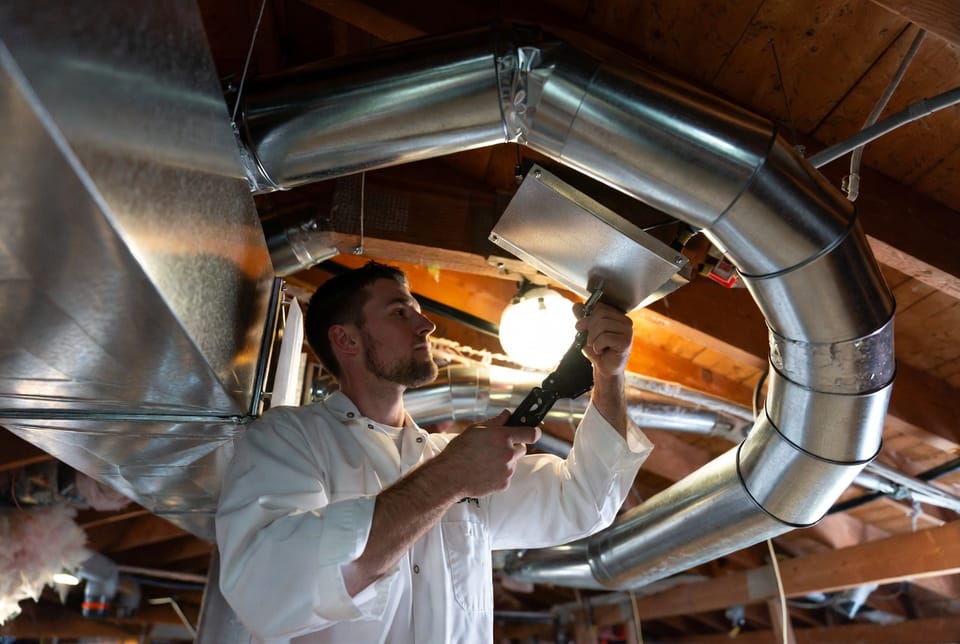
Dampers are adjustable plates installed inside ducts that control airflow volume. A certified technician uses specialized tools — including anemometers and pressure gauges — to test current airflow, then makes precise adjustments to these dampers.
Key benefits include:
- Uniform temperatures across all rooms
- Reduced energy consumption
- Quieter system operation
- Extended equipment lifespan
- Improved indoor air quality
When your system is properly balanced, it doesn’t have to work as hard to maintain set temperatures. This means lower utility bills and greater reliability during peak seasons.
Common Signs Your System Needs Air Balancing
Many homeowners tolerate uneven temperatures without realizing a simple adjustment could solve the problem. Watch for these indicators:
- Persistent hot or cold spots in certain rooms
- Some registers blowing strong air while others seem weak
- Noisy vents or whistling sounds from ducts
- Higher than expected energy bills
- HVAC system running longer than necessary
- Difficulty maintaining consistent thermostat settings
These symptoms point to airflow imbalance. Left unaddressed, they strain your equipment and reduce comfort.
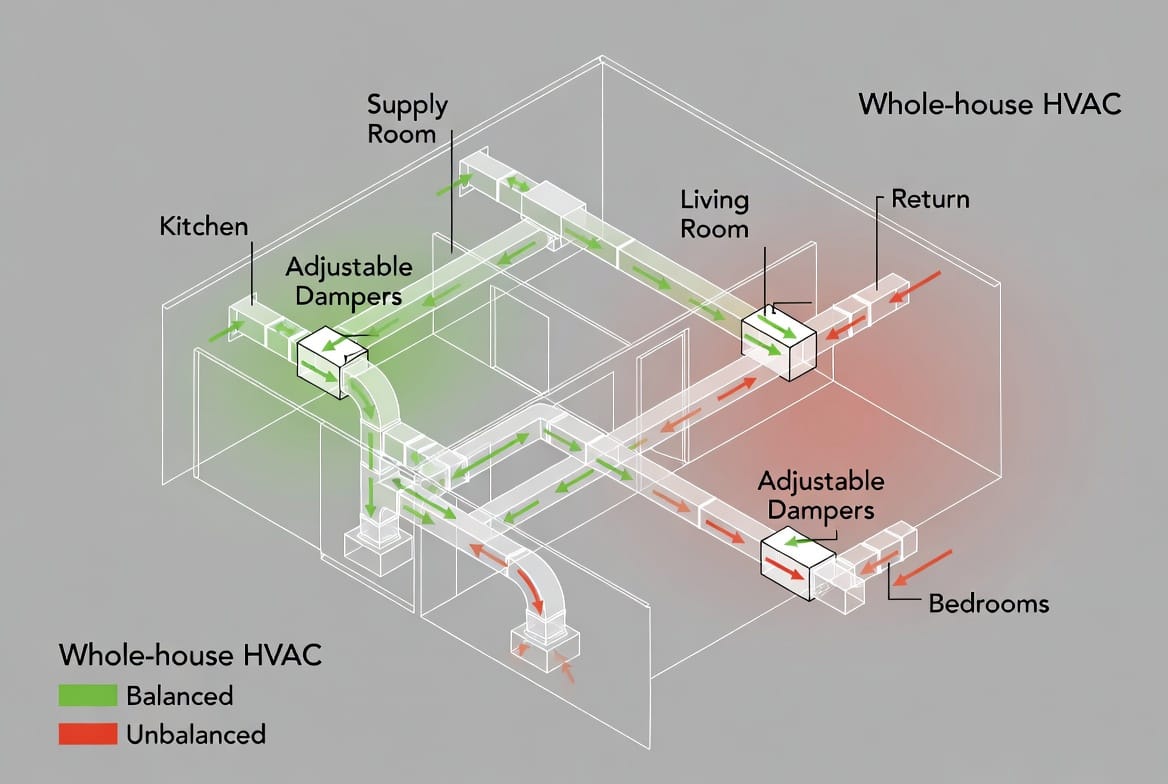
How Dampers Control Airflow in Your Home
Dampers function like valves for air. Located at strategic points in the ductwork, they can be opened, closed, or partially adjusted to regulate volume.
In a typical residential system, main supply trunks branch into smaller ducts serving individual rooms. Each branch often includes a damper that allows fine-tuning. During air balancing, technicians:
- Measure airflow at each register
- Compare readings against calculated requirements based on room size and load
- Adjust dampers accordingly
- Retest to verify balanced performance
- Document final settings for future reference
This methodical approach ensures every room achieves its design temperature efficiently.
Why Professional Air Balancing Matters
While some DIY enthusiasts attempt damper adjustments, professional service provides superior results. Certified technicians possess:
- Specialized diagnostic equipment
- Deep understanding of system design principles
- Knowledge of local building codes and best practices
- Experience with various HVAC configurations
Improper adjustments can worsen imbalances or create new problems like excessive noise or pressure issues. A professional ensures safe, effective, and lasting improvements.
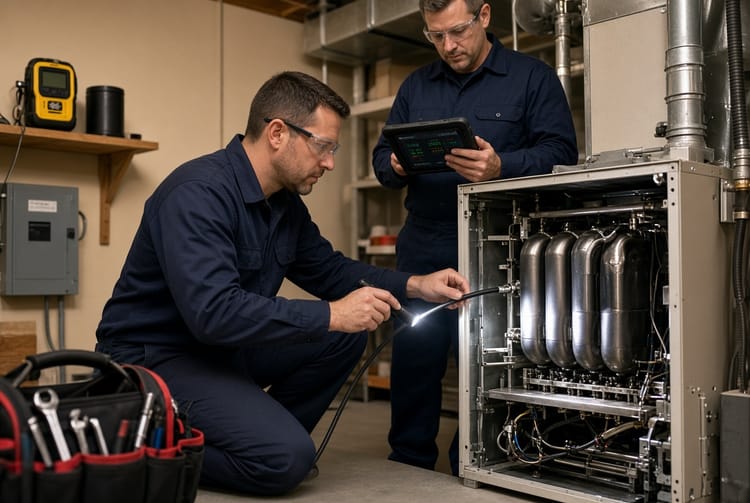
Professional balancing also includes comprehensive system evaluation. Technicians often identify related issues such as dirty filters, leaky ducts, or undersized returns during the process.
The Air Balancing Process Step by Step
A typical professional air balancing service follows a structured approach:
- Initial Assessment: Thorough inspection of the entire HVAC system and ductwork.
- Airflow Measurements: Precise testing at each supply and return register.
- System Analysis: Calculation of required airflow for each zone based on square footage, insulation, windows, and occupancy.
- Damper Adjustments: Strategic modifications to achieve optimal distribution.
- Final Testing and Verification: Multiple rounds of measurements to confirm balance.
- Recommendations: Any additional maintenance or improvements needed.
The entire process typically takes several hours depending on home size and system complexity, but the results are immediate and noticeable.
Benefits Beyond Even Temperatures
Proper HVAC air balancing delivers multiple advantages:
- Energy Efficiency: Balanced systems operate more efficiently, potentially reducing heating and cooling costs by 10-20%.
- Enhanced Comfort: Consistent temperatures eliminate the need to constantly adjust thermostats.
- Improved Air Quality: Better airflow helps distribute filtered air more effectively.
- System Longevity: Reduced strain on the blower motor and other components.
- Quieter Operation: Proper balance minimizes noise from overworked registers and ducts.
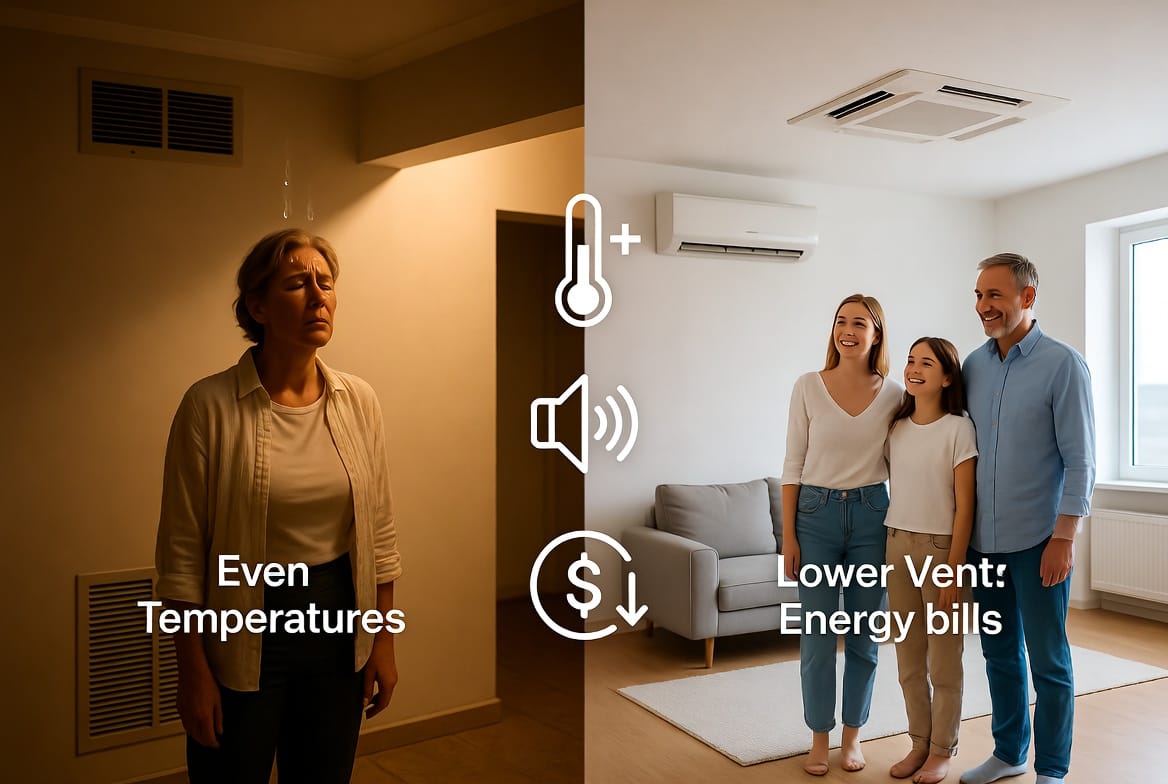
Homeowners often report noticeable improvements in comfort and lower monthly energy bills after professional balancing.
Addressing Common Concerns About Air Balancing
Many property owners wonder if their system truly needs balancing. The answer depends on your home’s design and performance. Newer homes with properly installed systems may still develop imbalances over time due to settling, modifications, or filter neglect.
Air balancing is particularly valuable after:
- Renovations or room additions
- New HVAC installation or replacement
- Ductwork modifications
- Seasonal changes in usage patterns
It’s also an excellent preventive maintenance step that helps maintain peak performance year-round.
Maintaining Balanced Airflow Long-Term
Once your system is properly balanced, simple maintenance helps preserve the results:
- Replace air filters regularly
- Schedule annual HVAC tune-ups
- Keep registers and vents clear of obstructions
- Address any new construction or remodeling promptly
These habits ensure your investment in professional air balancing continues delivering comfort and efficiency for years.
Choosing the Right HVAC Professionals
When selecting a service provider for air balancing, look for:
- Licensed and insured technicians
- Experience with your specific HVAC system type
- Positive customer reviews
- Comprehensive service guarantees
- Use of proper diagnostic tools
A reputable company will explain the process clearly and provide transparent pricing.
Eliminate Hot and Cold Spots Today
Don’t let temperature inconsistencies compromise your comfort and increase your energy costs. Professional HVAC air balancing through precise damper adjustments offers an effective, affordable solution that delivers even temperatures throughout your space.
Experience the difference that optimized airflow can make in your home. Our expert technicians are ready to help you achieve perfect comfort and efficiency.
Restore balance to your HVAC system and enjoy consistent, comfortable temperatures in every room.
Professional HVAC Air Balancing – Schedule Today