The HVAC Defrost Cycle: Why Heat Pumps Need to Melt Ice
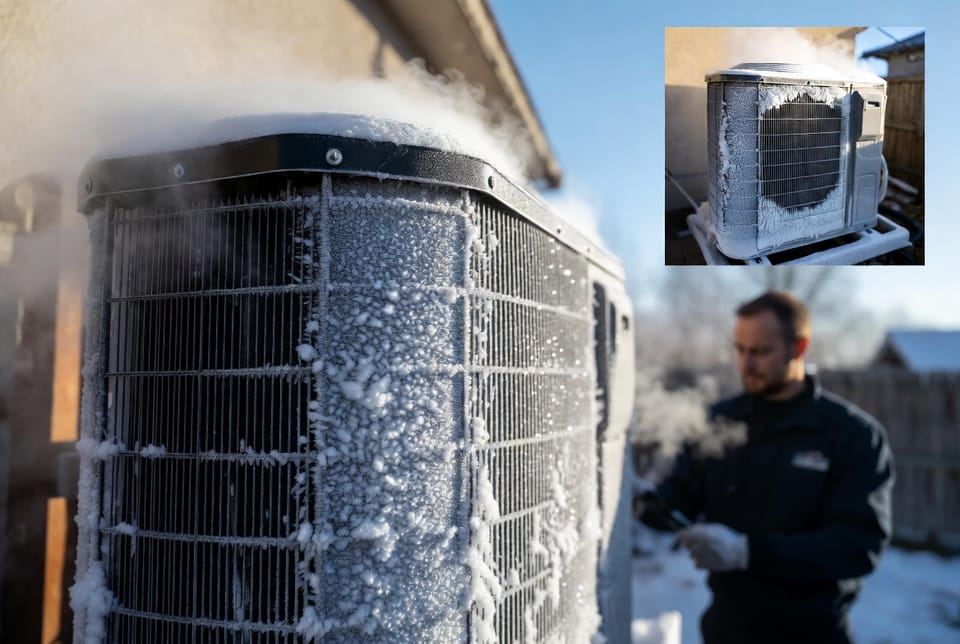
Heat pumps are among the most efficient heating and cooling solutions for homes in moderate climates. However, when temperatures drop, ice can form on the outdoor unit, triggering an essential process known as the HVAC defrost cycle. This automatic function ensures your system continues operating efficiently without damage. Understanding how it works helps homeowners recognize normal operation versus potential problems.
Fix Your Heat Pump Defrost Issues – Call Now!
In this comprehensive guide, we’ll explore the science behind heat pump defrosting, why it’s necessary, common warning signs, and when professional heat pump service is the smartest choice.
Why Heat Pumps Form Ice in the First Place
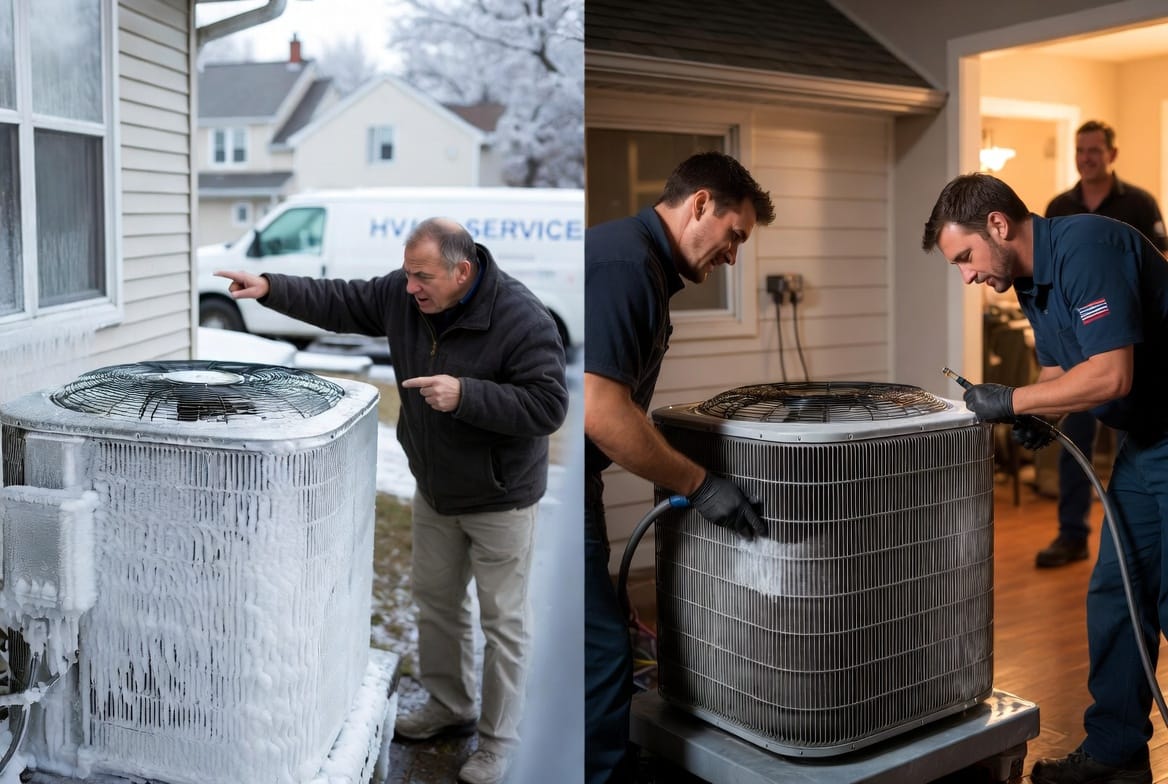
Heat pumps work by extracting heat from outdoor air and transferring it indoors. Even in cold weather, they pull whatever available warmth exists. As the outdoor evaporator coil absorbs heat, its surface temperature drops below freezing. Moisture in the air condenses and freezes on the coil fins, forming a layer of ice.
This buildup is completely normal in temperatures below 40°F (4°C), especially with high humidity. A thin layer of frost is expected, but excessive accumulation blocks airflow and reduces the system’s ability to transfer heat effectively.
Key risks of unchecked ice buildup include:
- Reduced heating efficiency
- Increased energy consumption
- Potential compressor strain
- Higher risk of system shutdown or damage
The defrost cycle is your heat pump’s built-in defense mechanism against these issues.
How the HVAC Defrost Cycle Works
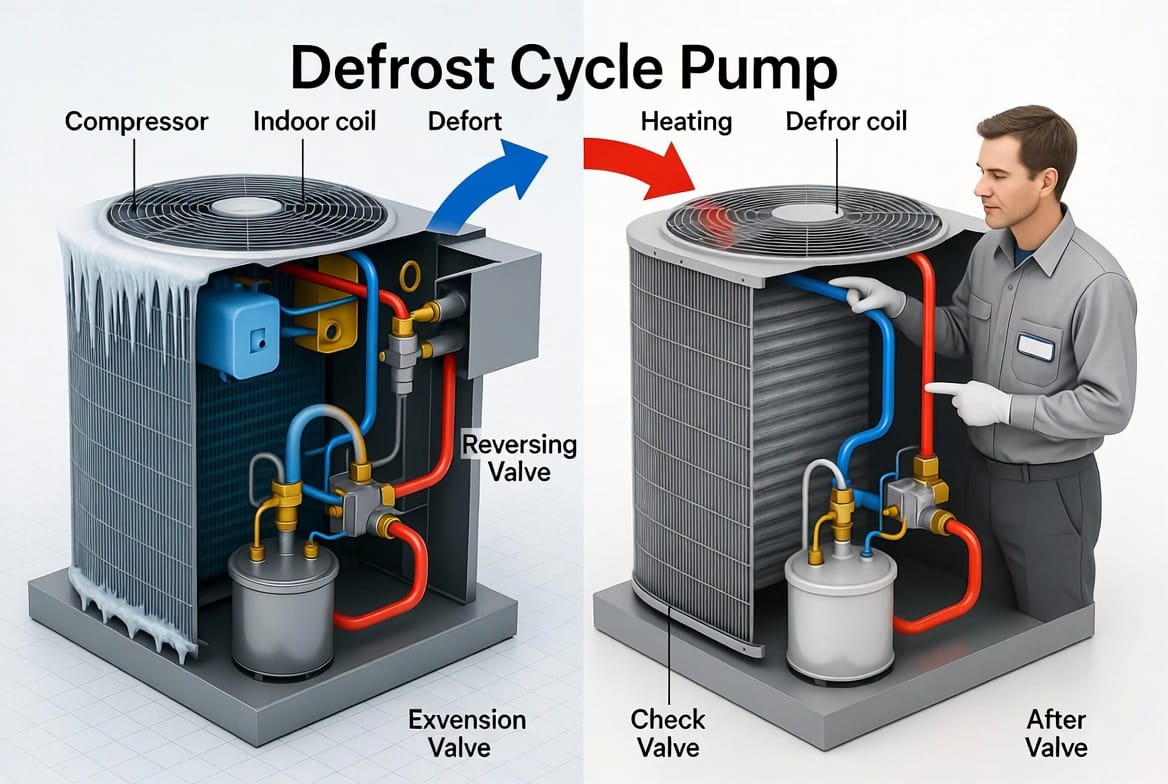
The defrost cycle is a temporary reversal of the refrigeration process. Here’s a step-by-step breakdown:
- Sensors detect ice – The system monitors coil temperature, outdoor air temperature, and runtime.
- Reversing valve activates – This critical component switches the flow of hot refrigerant gas to the outdoor coil instead of the indoor coil.
- Hot gas melts the ice – The outdoor unit temporarily acts like a condenser, releasing heat to thaw the frost.
- Cycle completes – Once sensors confirm the coil is clear, the valve reverses again, resuming normal heating mode.
- Fan operation – The outdoor fan may pause or run at reduced speed to optimize melting while preventing cold air from blowing indoors.
This entire process typically lasts 5–15 minutes and may occur every 30–90 minutes during severe conditions. Modern systems use sophisticated controls to minimize disruption to your home’s comfort.
Most homeowners never notice these cycles happening, which is a testament to good engineering. However, when the system struggles, visible signs appear.
Recognizing Normal vs. Problematic Defrost Behavior
During a healthy defrost cycle, you might observe:
- Steam or vapor rising from the outdoor unit as ice melts.
- Brief pause in warm air delivery indoors.
- A slight humming or fan sound change.
These are reassuring signs that your heat pump is functioning as designed.
Warning signs that indicate defrost issues:
- Excessive ice that never fully melts
- Frequent or prolonged defrost cycles (more than every 30 minutes)
- Cold air blowing indoors during defrost
- Unusual noises like banging, hissing, or grinding
- Reduced overall heating performance
- Higher than normal energy bills
If your system shows these symptoms, it’s time to investigate further.
Common Defrost Problems and Solutions
Several factors can interfere with proper defrost operation:
Faulty sensors – Defrost termination sensors or pressure switches may fail, causing incomplete or overly frequent cycles.
Low refrigerant levels – This lowers coil temperatures further and impairs heat transfer.
Dirty or blocked coils – Debris, leaves, or pet hair restrict airflow.
Malfunctioning reversing valve – The heart of the defrost process; if stuck, the system can’t switch modes effectively.
Extreme weather conditions – Prolonged sub-zero temperatures may overwhelm standard defrost logic.
Pro tip: Regular professional maintenance can prevent most of these issues before they impact comfort or efficiency.
The Impact on Energy Efficiency and Home Comfort
A properly functioning HVAC defrost cycle maintains your heat pump’s high Seasonal Energy Efficiency Ratio (SEER) and Heating Seasonal Performance Factor (HSPF). When defrosting fails:
- Efficiency can drop by 20–50% or more.
- The system works harder, increasing wear on the compressor.
- Indoor temperatures fluctuate.
- Risk of complete system failure rises.
Homeowners in colder regions benefit tremendously from heat pumps with advanced defrost technologies, such as demand-defrost controls that initiate cycles only when truly needed.
Maintenance Tips to Support Healthy Defrost Cycles
While professional service is essential, you can help your system:
- Keep the area around the outdoor unit clear of snow, leaves, and debris.
- Avoid covering the unit during winter.
- Schedule annual tune-ups before the heating season.
- Change indoor air filters regularly to maintain proper airflow.
- Monitor your energy usage for unexpected spikes.
These simple steps extend equipment life and ensure reliable performance.
When to Call for Professional Heat Pump Service
Don’t wait until your home feels cold. Contact a qualified technician if you notice:
- Ice persisting after multiple cycles
- Steam accompanied by strange odors
- The system entering defrost too frequently
- Inconsistent heating throughout your home
Trained professionals use specialized tools to diagnose reversing valve issues, check refrigerant charge, test sensors, and clean coils thoroughly. Early intervention saves money and prevents major repairs.
Choosing the Right HVAC Partner for Your Heat Pump Needs
A reputable service provider understands the nuances of heat pump technology, including regional climate challenges. They offer comprehensive inspections, precise repairs, and expert recommendations for upgrades when necessary.
Investing in regular heat pump service delivers peace of mind, lower utility bills, and consistent comfort for your family.
Conclusion: Keep Your Heat Pump Running Efficiently
The HVAC defrost cycle is a sophisticated yet essential feature that allows heat pumps to thrive even in challenging winter conditions. By melting ice on the outdoor coil through the clever use of the reversing valve and hot refrigerant gas, your system maintains optimal performance and longevity.
Defrost issues reduce efficiency. Don’t let ice buildup compromise your home comfort or energy savings. Our experienced team is ready to diagnose, repair, and optimize your HVAC system for reliable, year-round performance.
Get Expert Heat Pump Defrost Service – Call Now