The HVAC Vacuum Pump: Why Deep Evacuation Removes Moisture and Non-Condensables
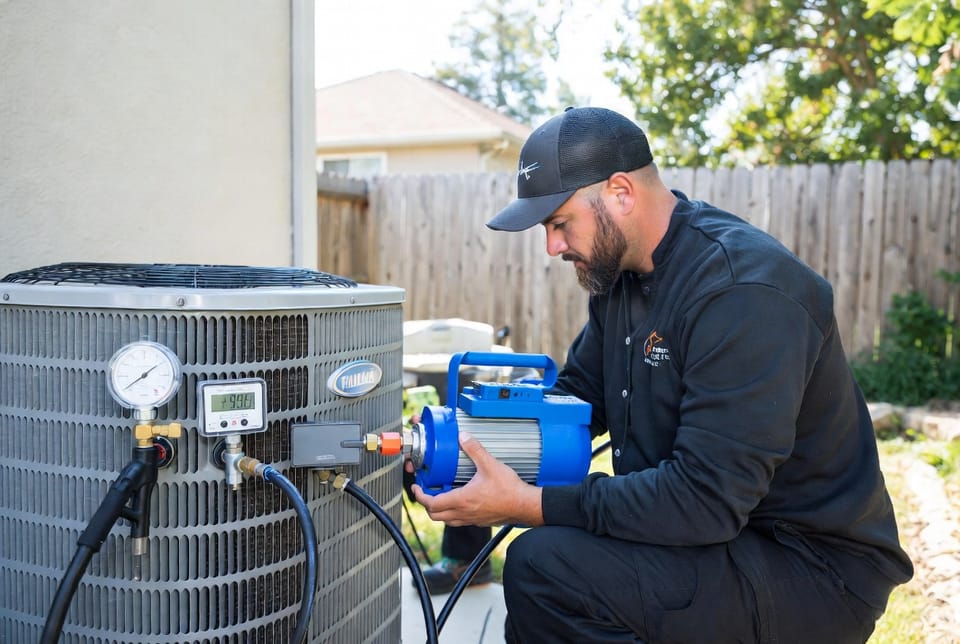
In the world of HVAC systems, proper installation and maintenance are the foundation of reliable, efficient, and long-lasting performance. One critical yet often underappreciated step is the use of an HVAC vacuum pump for deep evacuation. This process removes harmful moisture and non-condensables (such as air and nitrogen) from the refrigerant lines and components.
Protect Your HVAC System – Call for Expert Installation Now
Professionals who prioritize this step ensure systems operate at peak efficiency while preventing costly failures down the line. Whether you're a homeowner investing in a new system or a technician committed to excellence, understanding deep evacuation is essential.
Why Deep Evacuation Matters in HVAC Installation
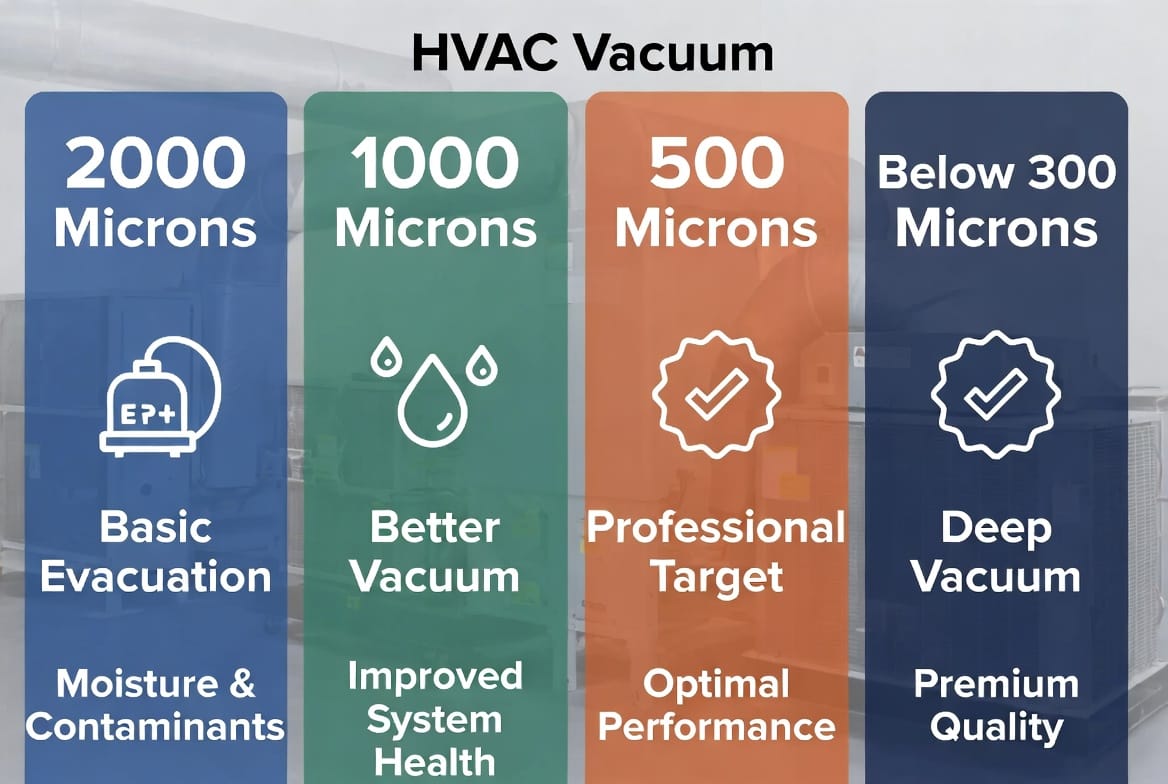
After any repair or new installation that opens the refrigerant circuit, the system must be thoroughly evacuated. A deep vacuum—typically reaching below 500 microns—is the industry benchmark for success. This level of vacuum lowers the boiling point of water dramatically, allowing trapped moisture to vaporize and be pulled out by the vacuum pump.
Non-condensables like air don't condense back into liquid under normal operating conditions. They increase head pressure, reduce heat transfer efficiency, and force the compressor to work harder. Leaving them behind leads to higher energy bills and premature wear.
Moisture is even more destructive. When mixed with refrigerant and compressor oil (especially POE oils in modern systems), it forms acids that corrode components from the inside out. This acid formation is a leading cause of compressor burnout, one of the most expensive HVAC failures.
Key risks of skipping or rushing deep evacuation:
- Acid formation leading to sludge and corrosion.
- Frozen moisture at metering devices, causing intermittent cooling issues.
- Elevated pressures reducing system capacity and efficiency.
- Shortened equipment lifespan, sometimes by years.
By contrast, a proper deep evacuation gives your HVAC system the best possible start, promoting reliability and peace of mind.
Understanding the HVAC Vacuum Pump and Micron Gauge
A quality two-stage vacuum pump is the workhorse for this task. These pumps achieve deeper vacuums than single-stage models by using two sets of vanes or stages. Pair it with a sensitive digital micron gauge that measures absolute pressure in microns (1/1000th of a millimeter of mercury).
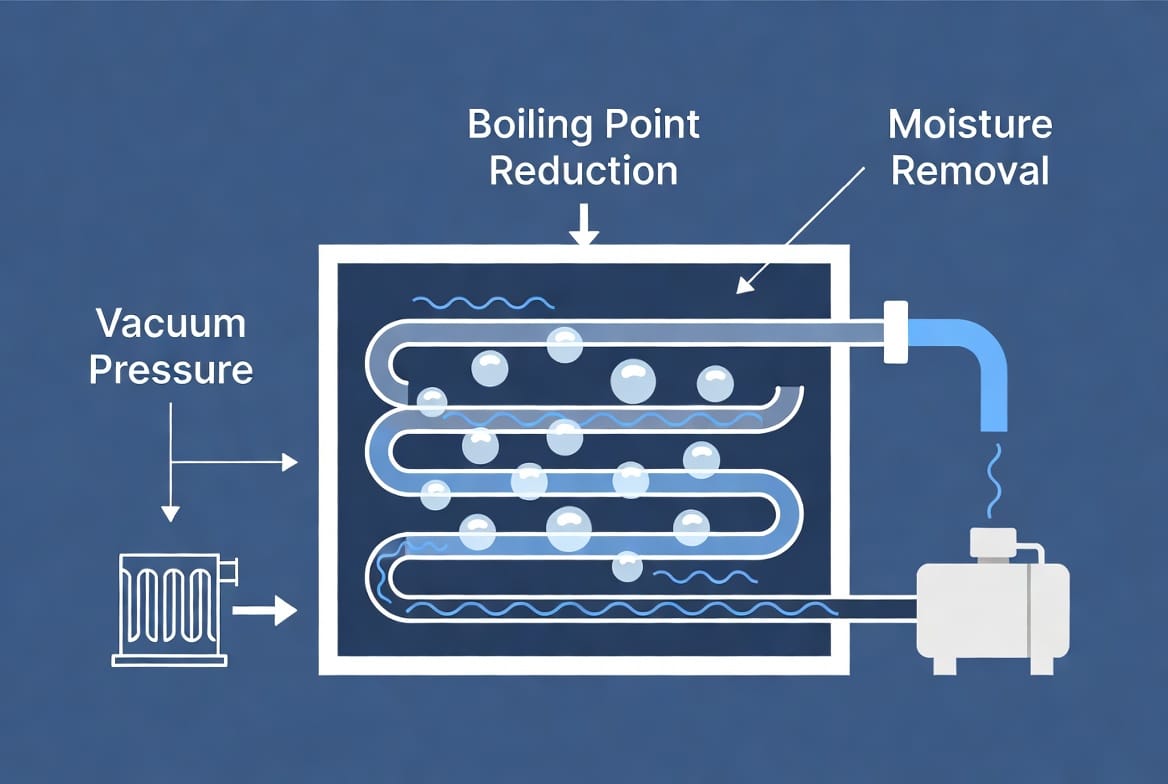
Why microns? Atmospheric pressure is about 760,000 microns. A good pump quickly pulls down to the low thousands, but true dehydration happens deeper. At around 5,000 microns, significant degassing has occurred, but moisture removal is just beginning. Hitting 500 microns or lower ensures most moisture is extracted.
Pro tip: Always test your vacuum pump first by connecting the micron gauge directly to it. A capable pump should reach very low microns (under 100) quickly. If not, change the oil—contaminated oil is a common culprit for poor performance.
Signs of Poor Evacuation and System Failure
How do you know if a system wasn't properly evacuated? Watch for these warning signs:
- Frequent compressor issues or unexplained burnout.
- Higher-than-normal head pressures with corresponding low suction pressures.
- Intermittent cooling or icing at the expansion valve.
- Unusual noises from the compressor as it struggles.
- Rising micron readings during a standing vacuum test (indicating moisture or leaks).
Compressor burnout is particularly devastating. Acidic conditions attack the motor windings, leading to electrical shorts or mechanical seizure. The resulting sludge and contaminants can spread throughout the system, often requiring extensive flushing and multiple component replacements if not addressed early.
Homeowners may notice higher utility bills, reduced comfort, or strange odors from the unit. Professionals know that cutting corners on evacuation often leads to callbacks and unhappy clients.
Best Practices for HVAC System Evacuation
Experienced technicians follow rigorous procedures to achieve consistent results. Here's a step-by-step overview of professional deep evacuation best practices:
1. Preparation Is Key
- Recover any existing refrigerant properly.
- Repair leaks and pressure test the system with dry nitrogen.
- Remove Schrader valve cores for better flow (use core removal tools).
- Use large-diameter, short vacuum hoses to minimize restrictions.
- Ensure all components (lines, coils, etc.) are accessible.
2. Pulling the Deep Vacuum
- Connect the vacuum pump and micron gauge at opposite ends of the system when possible for the most accurate reading.
- Run the pump until the gauge stabilizes below 500 microns.
- For critical installations, aim even lower (300 microns or below) depending on manufacturer recommendations.
3. The Standing Vacuum Test (Decay Test)
- Isolate the system by closing valves and turning off the pump.
- Monitor the micron gauge for 10–30 minutes (or longer for larger systems).
- A stable or very slowly rising reading (under 1,000–2,000 microns total rise) confirms the system is dry and leak-free. Significant rise means more evacuation or leak repair is needed.
4. Triple Evacuation Method (Optional Enhancement)
For maximum dryness, some pros use a triple evacuation:
- Pull to 1,000–2,000 microns.
- Break the vacuum with dry nitrogen.
- Repeat two more times, going deeper each cycle.
- Finish with a final deep pull and decay test.
This method helps scrub moisture and non-condensables effectively.
Tools and Equipment for Professional Results
Investing in the right gear separates good installations from exceptional ones:
- High-CFM two-stage vacuum pump (5–10 CFM or more for faster pulls on larger systems).
- Digital micron gauge with logging capabilities.
- High-quality vacuum hoses and core removal tools.
- Dry nitrogen for pressure testing and triple evacuation.
- Filter-driers installed after evacuation to catch any remaining contaminants.
Always use manufacturer-recommended oils in your pump and change them regularly. A well-maintained vacuum pump is your best defense against callbacks.
Common Mistakes to Avoid
Even experienced techs can slip up. Avoid these pitfalls:
- Placing the micron gauge too close to the pump (it won't reflect true system conditions).
- Using undersized or leaky hoses.
- Rushing the process—deep evacuation takes time, especially on longer line sets.
- Ignoring ambient temperature (colder conditions slow moisture removal).
- Failing to perform or document the decay test.
Taking shortcuts might save minutes today but can cost thousands in future repairs.
The Long-Term Benefits of Proper Deep Evacuation
When done correctly, deep evacuation:
- Maximizes efficiency and lowers operating costs.
- Extends compressor and system life.
- Reduces the risk of acid-related failures.
- Ensures warranty compliance for many manufacturers.
- Provides superior comfort for homeowners with fewer service issues.
In Dallas-area homes with varying temperatures and humidity, this step is particularly valuable for preventing moisture-related problems in humid conditions.
Installation Best Practices for HVAC Professionals
For new installs or major repairs:
- Pressure test thoroughly first.
- Evacuate deeply with verified tools.
- Perform decay test and document readings.
- Charge with refrigerant only after confirmation.
- Install a quality filter-drier.
- Start up and test the system under load.
Documenting the process with before-and-after micron readings builds trust with clients and protects your business.
Homeowners should ask installers about their evacuation procedures. A reputable professional will gladly explain the importance of reaching and holding a deep vacuum.
Why Choose Professionals for Your HVAC Needs
DIY attempts at evacuation rarely achieve the necessary depth due to inadequate equipment or technique. Certified HVAC professionals bring the right tools, knowledge, and experience to deliver systems that perform reliably for years.
Proper installation isn't just about the equipment—it's about the care taken at every step, especially the often-invisible but vital evacuation process.
Conclusion: Protect Your HVAC Investment with Deep Evacuation
The HVAC vacuum pump and the deep evacuation process it enables are fundamental to system health. By removing moisture and non-condensables, you prevent acid formation, compressor burnout, and efficiency losses. This attention to detail during installation pays dividends through reliable performance and lower long-term costs.
Proper vacuum prevents future breakdowns. Don't settle for less than professional standards. For quality HVAC installation, repair, and service that includes meticulous deep evacuation. We're here to ensure your system delivers comfort and efficiency for years to come.
Ensure Long-Lasting HVAC Performance – Call Today