The HVAC Crankcase Heater: Why Your Compressor Needs Warming in Cold Weather
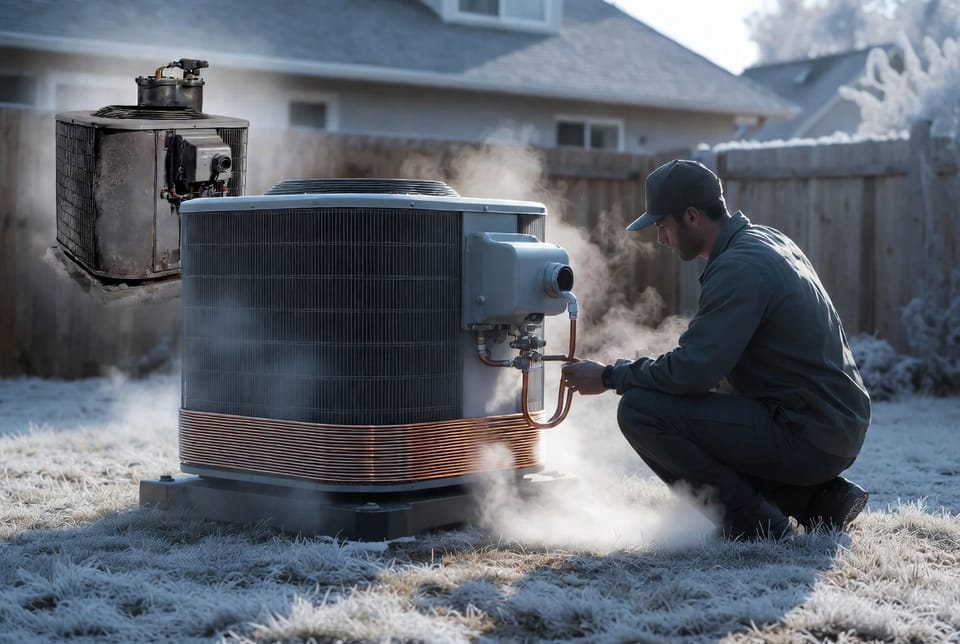
In the world of HVAC systems, especially during unpredictable cold snaps, one small but mighty component often determines whether your heat pump keeps your home comfortable or leads to costly repairs. The HVAC crankcase heater plays a critical role in safeguarding your compressor—the heart of your heating and cooling system—when temperatures drop.
Stop Cold Weather Compressor Damage – Call Now!
This comprehensive guide explores why warming your compressor before it starts is essential, particularly for heat pumps in regions that experience cold winters. We'll cover how crankcase heaters work, the risks of neglecting them, clear warning signs of failure, and practical steps to maintain optimal performance. Whether you're a homeowner noticing strange noises on chilly mornings or planning proactive maintenance, understanding this component can save you from unexpected breakdowns and extend the life of your entire HVAC system.
Understanding the Role of the Crankcase Heater in HVAC Systems
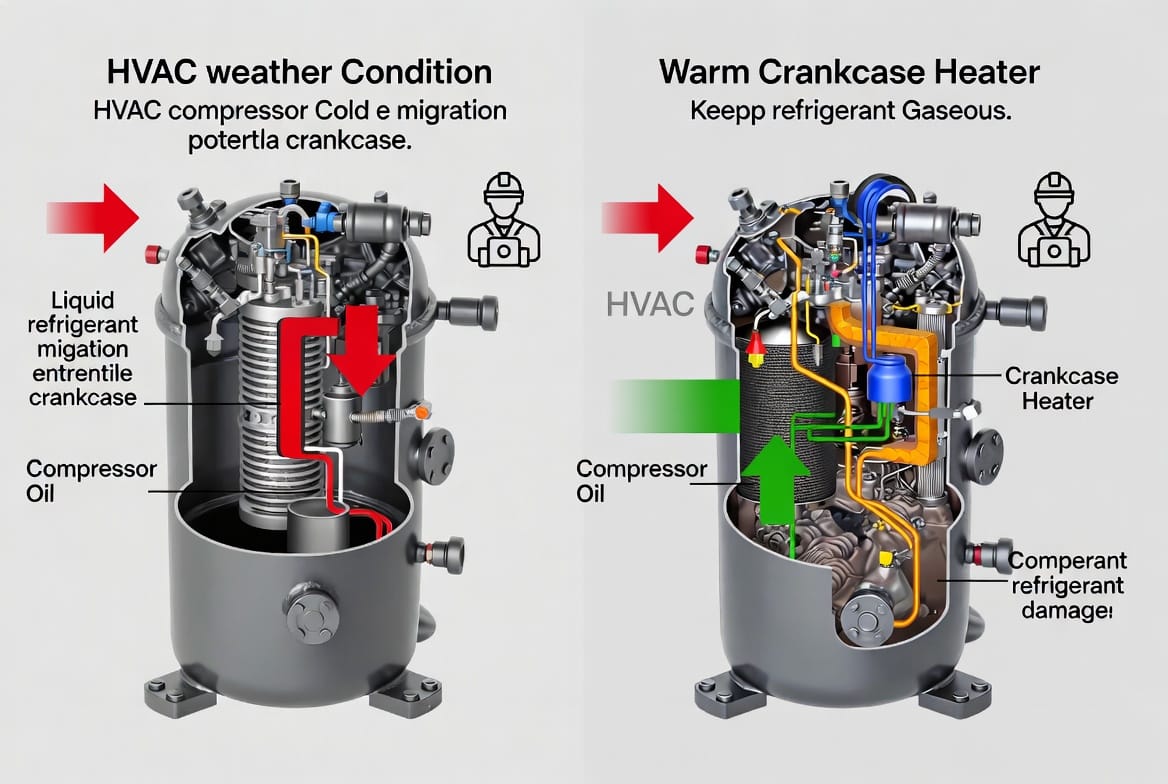
The crankcase heater is a simple yet sophisticated electric heating element wrapped around the base of your compressor. Its primary job is to maintain a consistent temperature inside the compressor crankcase during cold weather shutdown periods.
Without it, liquid refrigerant can migrate into the compressor oil when the system is off. This migration happens because refrigerant naturally seeks the coldest spot in the system. In freezing conditions, the compressor shell becomes that cold spot, allowing refrigerant to mix with the oil.
When the compressor tries to start with this liquid mixture present, it can cause slugging—a destructive event where incompressible liquid damages valves, bearings, and other internal parts. The crankcase heater prevents this by gently warming the oil, keeping the refrigerant in its gaseous state and ensuring smooth, safe startups.
Key benefits include:
- Prevents oil dilution and contamination
- Reduces wear on compressor components
- Improves overall system efficiency
- Extends equipment lifespan significantly
For homeowners relying on heat pumps, this component becomes even more vital. Heat pumps work by reversing refrigerant flow to provide both heating and cooling, making them particularly sensitive to cold-weather challenges.
How Liquid Refrigerant Migration Happens in Cold Weather
During extended cold periods, your HVAC system cycles off for longer durations. As temperatures plummet, the refrigerant pressure drops, encouraging migration toward the compressor. This process accelerates in heat pumps because their outdoor units are fully exposed to the elements.
Without a functioning crankcase heater:
- Refrigerant floods the crankcase
- Oil loses its lubricating properties
- Compressor starts under stress, leading to potential immediate failure
The heater typically activates automatically when the compressor is off, using a modest amount of electricity to maintain safe temperatures—usually around 10-20 degrees above ambient conditions. This small energy investment pays massive dividends in reliability.
Critical Signs Your Crankcase Heater May Be Failing
Recognizing early warning signs can prevent a full compressor replacement, which often costs thousands of dollars. Pay close attention during the first cold mornings of the season.
Common symptoms include:
- Compressor fails to start or struggles on cold mornings
- Loud grinding or knocking sounds during initial startup
- Frequent short cycling or repeated failure attempts
- Unusual vibration or humming from the outdoor unit
- Reduced heating performance accompanied by higher energy bills
- Oil leaks or visible damage around the compressor base
If you notice any of these issues, especially after a cold snap, it's time for professional inspection. A skilled technician can test the heater's continuity, verify proper wattage, and check thermostat controls that activate it.
Early intervention often involves simple heater replacement rather than addressing widespread compressor damage.
Why Heat Pumps Depend Heavily on Crankcase Heaters
Heat pumps are efficient and versatile, but they face unique challenges in cold climates. Their outdoor coils must extract heat from freezing air, making the entire unit more vulnerable to refrigerant issues.
The crankcase heater ensures the compressor can reliably reverse and operate in heating mode without internal liquid damage. In areas with variable winter temperatures, a reliable heater maintains system balance and prevents the common "cold weather lockout" that frustrates many homeowners.
Additional advantages for heat pump owners:
- Consistent performance across temperature swings
- Better defrost cycle management
- Reduced strain on backup heating elements
- Lower long-term maintenance costs
Professional installation and regular checks ensure your system delivers the efficiency and comfort you expect year-round.
The Technical Mechanics Behind Effective Compressor Protection
A quality crankcase heater consists of a flexible band or insertion-type element with precise temperature regulation. Most operate on standard 120V or 240V circuits and include built-in thermostats that activate only when needed.
Installation best practices:
- Secure wrapping around the compressor base
- Proper electrical connections with weatherproof seals
- Integration with system controls for automatic operation
- Regular inspection of wiring and mounting hardware
Technicians also check for correct sizing—heaters must match the compressor model and capacity to provide adequate warmth without overheating.
This attention to detail separates reliable systems from those prone to seasonal failures.
Maintenance Tips to Keep Your Compressor Warm and Reliable
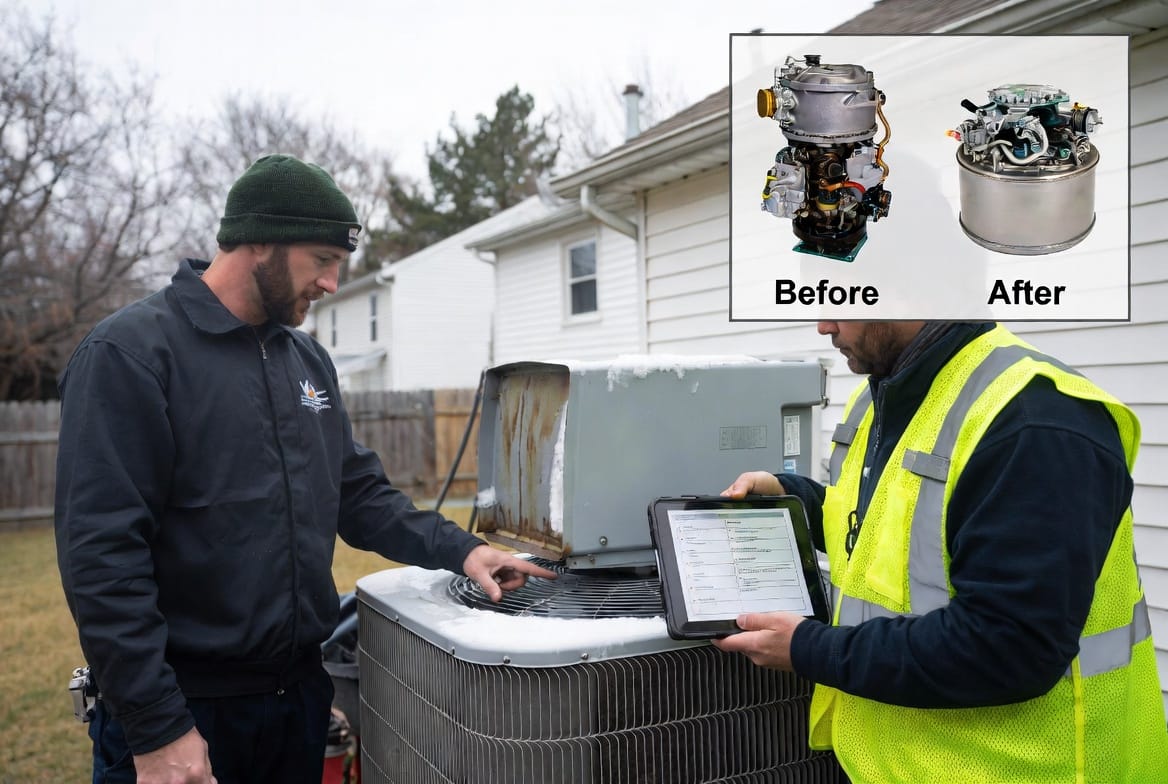
Proactive care ensures your HVAC crankcase heater performs when you need it most. Schedule annual professional tune-ups before winter arrives.
Recommended maintenance steps:
- Visual inspection of the heater band for cracks or loose connections
- Electrical testing to confirm proper operation and draw
- Cleaning around the compressor to maintain good airflow
- Checking refrigerant levels and overall system pressures
- Verifying control board integration for automatic heater activation
Homeowners can perform simple visual checks but should always rely on licensed professionals for electrical and refrigerant work.
In regions experiencing occasional freezes, consider upgrading to a more robust heater if your current system shows signs of age. Modern units often include enhanced features like better insulation and smarter controls.
Common Myths and Misconceptions About Crankcase Heaters
Some homeowners assume their system doesn't need extra heating elements or that modern compressors are immune to cold-weather issues. In reality, even advanced equipment benefits from this protection.
Others worry about energy consumption, but the heater uses far less power than the damage and downtime a failed compressor would cause.
Understanding these facts empowers better decisions about your HVAC investment.
Long-Term Benefits of Proper Crankcase Heater Care
Investing in crankcase heater maintenance translates to:
- Extended compressor life—often adding years to your system's service
- Improved energy efficiency and lower utility bills
- Enhanced home comfort with reliable heating
- Peace of mind during winter weather events
- Higher resale value for your property due to well-maintained systems
By addressing this cold-weather component proactively, you protect not just your equipment but your family's comfort and your budget.
When to Call Professional Heat Pump Service
Don't wait for complete failure. If your system shows any signs of compressor trouble in cold weather, contact experienced technicians immediately. They bring specialized tools to diagnose heater issues quickly and perform precise repairs.
Keep your compressor warm before it starts. Professional service ensures your heat pump operates safely and efficiently throughout the cold season.
Our team stands ready to inspect your crankcase heater, optimize your system, and restore reliable comfort to your home.
Warm Up Your HVAC Before Winter Hits – Call for Service