The Home Inventory App: Documenting Belongings for Faster Claims
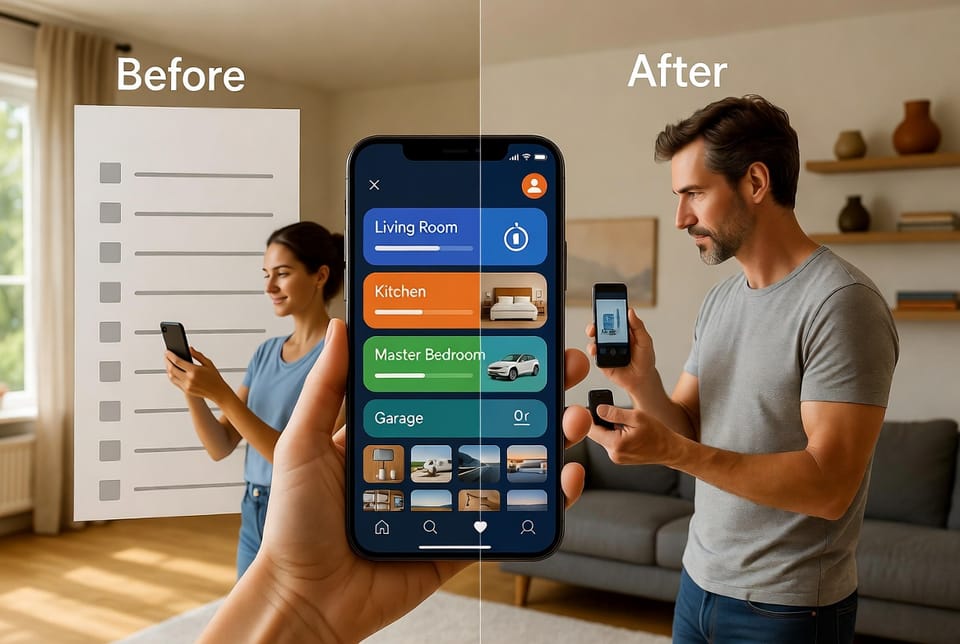
Losing belongings to fire, flood, theft, or storm is stressful enough. The last thing anyone needs is a prolonged insurance claim slowed by missing records. A home inventory app solves this exact problem. These practical digital tools let homeowners capture photos, receipts, serial numbers, and detailed descriptions of every possession, store everything securely in the cloud, and produce organized reports that insurers accept immediately. The result is faster claims, more accurate settlements, and genuine peace of mind.
Document Your Belongings Today – Call Now!
Apps such as Encircle and Sortly turn what once required hours of paper lists into a simple smartphone process that can be completed room by room in a single afternoon. This article explains exactly how these tools work, why they outperform traditional methods, and how you can use them to protect your home and accelerate recovery after a loss.
Why a Digital Inventory Matters More Than Ever
Homeowners insurance policies promise to restore what is lost, yet many claims stall because policyholders cannot prove what they owned. Insurers require evidence of ownership, value, and condition. Without it, settlements shrink or delays stretch for weeks.
A home inventory app closes that gap. By creating a living digital record before any loss occurs, you give adjusters everything they need on day one. Cloud storage ensures the data survives even if the home itself does not. The process is straightforward, private, and designed for ordinary people—not tech experts.
Consider a typical scenario. A kitchen fire damages appliances and cabinetry. The homeowner opens the app, exports a pre-built report containing photographs of the range, serial numbers, purchase receipts, and estimated replacement costs. The claim moves from “pending documentation” to “approved for settlement” in days rather than months. That speed is not theoretical; it is the direct outcome of systematic digital documentation.
Core Features That Make Home Inventory Apps Effective
Modern home inventory apps share several powerful capabilities that traditional notebooks or spreadsheets simply cannot match.
- Photo and video capture – High-resolution images and short video walkthroughs document condition and location.
- Receipt and document scanning – Snap pictures of purchase receipts, warranties, and appraisals; the app extracts key data automatically.
- Serial number and model logging – Enter or scan unique identifiers that prove authenticity and value.
- Room-by-room organization – Categories mirror the actual layout of your home for intuitive navigation.
- Cloud backup and multi-device access – Data syncs securely across phones, tablets, and computers.
- One-click export – Generate PDF or spreadsheet reports formatted for insurance companies.
Encircle emphasizes collaborative room surveys and professional-grade reports favored by restoration contractors. Sortly focuses on visual catalogs and custom tags ideal for collectors or households with many small items. Both store information off-site, so a destroyed phone or flooded basement never erases the record.
These features work together. A single scan can link a photograph of a television to its serial number, the original receipt, and its assigned room. When a claim arises, that linked package travels with one tap.
Step-by-Step: Building Your Inventory in Minutes
Creating a complete inventory does not require a free weekend. Follow this practical sequence.
- Download a trusted app and create a secure account.
- Walk through each room systematically, starting with high-value areas such as the living room, kitchen, and home office.
- Photograph every item from multiple angles. Capture serial numbers clearly.
- Attach receipts or scan them on the spot.
- Add brief notes on purchase date, approximate value, and any upgrades.
- Tag items by category—electronics, furniture, jewelry, clothing—for quick filtering later.
- Review the summary and enable automatic cloud backup.
Most users finish a standard three-bedroom home in under two hours. Update the inventory after major purchases or renovations; the app remembers previous entries so changes stay minimal.
Key risk to avoid: waiting until after a loss. Memory fades, receipts disappear, and stress reduces accuracy. Completing the inventory while everything is intact eliminates those vulnerabilities.
Cloud Storage: The Safety Net That Never Fails
Paper lists burn. Local hard drives flood. A home inventory app keeps every photo, receipt, and serial number in encrypted cloud servers. Access remains possible from any device with internet, even if you are temporarily displaced.
Security features include password protection, two-factor authentication, and controlled sharing. You decide who sees the inventory—family members, trusted advisors, or the claims adjuster—without handing over the entire account. This controlled access speeds the claims conversation while protecting privacy.
After a total loss, many policyholders discover their only surviving record is the cloud inventory. That single digital file becomes the foundation for the entire recovery process.

How Inventory Apps Accelerate the Claims Process
Insurance claims follow a predictable path: notice of loss, documentation request, inspection, valuation, and settlement. Missing paperwork creates bottlenecks at every stage. A complete digital inventory removes those bottlenecks.
Adjusters receive an organized, timestamped report that already contains the evidence they would otherwise request. Valuation becomes straightforward because replacement costs and condition notes travel with each item. Disputes over “what was really there” virtually disappear.
In practice, homeowners using these tools report claim resolution times measured in days rather than the industry average of several weeks. Faster settlement means quicker repairs, temporary housing resolution, and return to normal life. The emotional relief is as significant as the financial one.
Accurate coverage is another direct benefit. When you know the true value of your belongings, you can adjust policy limits before a loss occurs. Underinsurance—one of the most common and costly gaps—becomes far less likely.
Tangible Benefits Beyond Speed
The advantages of a maintained home inventory app extend well past claims handling.
- Faster claims – Pre-built reports eliminate back-and-forth requests.
- Accurate coverage – Real data supports proper policy limits and reduces underinsurance risk.
- Peace of mind – Knowing every item is documented removes a major source of post-loss anxiety.
- Estate and move planning – The same inventory simplifies moving, downsizing, or probate.
- Warranty tracking – Serial numbers and purchase dates keep service claims organized.
These outcomes compound. A family that updates the inventory annually treats it as routine home maintenance, similar to changing smoke-detector batteries. The habit itself becomes protective.
Avoiding Common Pitfalls
Even the best tool fails if used incompletely. Watch for these key risks:
- Photographing only high-value items and ignoring everyday belongings that still carry replacement cost.
- Neglecting to scan receipts or record serial numbers.
- Storing the inventory solely on one device without cloud sync.
- Forgetting to update after renovations or major purchases.
A quick quarterly review prevents these gaps. Most apps send gentle reminders, making consistency easy.
Choosing the Right App for Your Household
Encircle suits users who want contractor-ready reports and multi-user collaboration. Sortly appeals to those who prefer visual grids and flexible tagging. Both meet the core requirements of photo documentation, cloud storage, and exportable claims packages. Evaluate based on interface comfort and any specialized needs, such as jewelry collections or home-business equipment.
Whichever platform you select, the principle remains identical: capture once, store securely, export instantly when needed.

Practical Tips for Long-Term Success
Keep the process light. Dedicate fifteen minutes after any significant purchase to add the new item. Involve family members so everyone understands the system. Export a backup copy once a year and store it offline as an extra precaution. Review policy limits annually against the inventory totals; most carriers welcome the conversation and can adjust coverage accordingly.
For renters the same tools apply. Landlord insurance does not cover personal property, so a digital inventory remains essential protection.
The Quiet Confidence of Preparation
A completed home inventory does more than speed paperwork. It restores a sense of control. When loss occurs, the focus shifts from reconstructing memory under pressure to simply opening an app and sharing a ready file. That shift is profound. Recovery becomes logistical rather than forensic.
Thousands of homeowners have already made the switch from paper lists and mental notes to structured digital records. Their experience confirms the value: claims settle faster, settlements reflect actual losses more accurately, and the emotional weight of documentation disappears.
The technology is mature, the process is simple, and the protection is immediate. There is no better moment than today to begin.
Protect Possessions for Faster Claims – Call Now!