The Home Generator Transfer Switch: Manual vs. Automatic Options
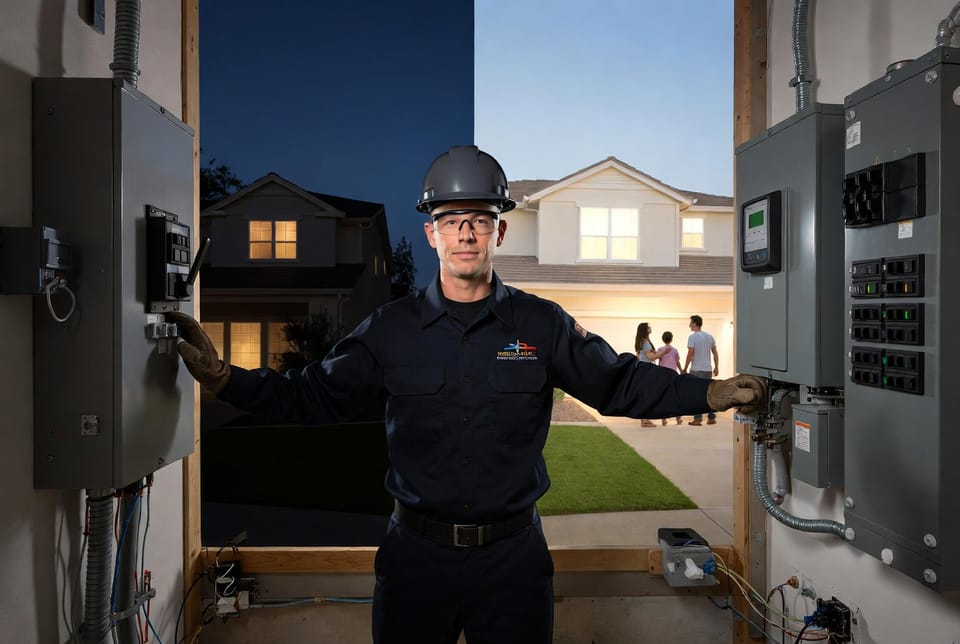
When storms roll through Texas or unexpected outages disrupt daily life, a home generator becomes a true lifeline. But connecting that generator safely and efficiently to your home’s electrical system requires the right transfer switch. Choosing between a manual transfer switch and an automatic transfer switch can make the difference between hours of inconvenience and seamless power restoration.
Upgrade to Safe Generator Connection – Call Now!
In this comprehensive guide, we’ll explore both options in detail, compare their features, costs, and real-world performance, and help you determine which solution best protects your family and property. Whether you’re preparing for hurricane season or simply want peace of mind, understanding these systems ensures safe, reliable backup power.
Understanding the Role of a Transfer Switch
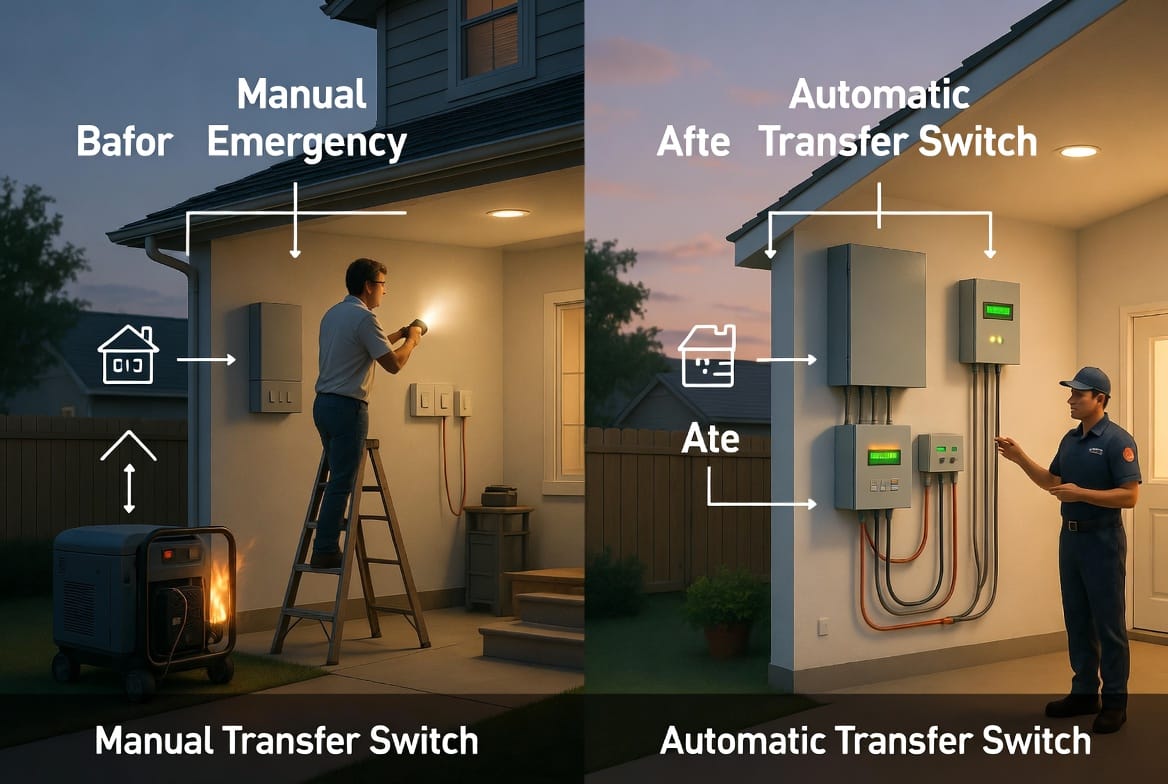
A transfer switch acts as the critical bridge between your utility power, your home’s electrical panel, and your backup generator. It prevents dangerous backfeeding — sending power back into the grid — which can endanger utility workers and void insurance coverage.
Every responsible homeowner with a generator should install a properly rated transfer switch. These devices ensure power flows safely in one direction only, protecting your investment and your loved ones.
Key benefits of using a transfer switch include:
- Safety: Eliminates the risk of electrical hazards.
- Convenience: Simplifies switching between power sources.
- Code compliance: Meets National Electrical Code (NEC) requirements in most areas.
- Generator protection: Prevents overload or damage to your unit.
Without a transfer switch, even the best generator poses unnecessary risks. Professional installation is always recommended for optimal performance and long-term reliability.
What Is a Manual Transfer Switch?
A manual transfer switch requires direct human intervention during an outage. When power fails, you start your generator, then physically flip the switches on the transfer panel to shift selected circuits from utility power to generator power.
These switches are straightforward mechanical devices, often installed near your main electrical panel. They typically feature individual circuit breakers or levers for essential loads like refrigerators, lights, HVAC systems, or medical equipment.
How Manual Transfer Switches Work
- Power outage occurs – Lights go out.
- Start the generator – Using pull-start or electric start.
- Flip the switches – Manually select which circuits receive generator power.
- Monitor and manage – Adjust loads as needed to avoid overloading.
- Restore utility power – Flip switches back and shut down the generator.
This hands-on approach appeals to many homeowners who value control and lower upfront costs.
Advantages of manual transfer switches:
- Lower cost – Often significantly more affordable than automatic models.
- Simplicity – Fewer electronic components mean potentially fewer failure points.
- Flexibility – Full control over which circuits run on generator power.
- Easier maintenance – Straightforward design for DIY inspections.
However, they do demand your presence and attention during outages, which may not suit every lifestyle.
What Is an Automatic Transfer Switch?
An automatic transfer switch (ATS) takes the hassle out of power management. It continuously monitors utility power. When an outage is detected, the ATS automatically starts the generator, transfers the load, and restores power — often within seconds.
These sophisticated systems include sensors, controllers, and sometimes Wi-Fi connectivity for remote monitoring via smartphone apps.
How Automatic Transfer Switches Operate
- Outage detection – Sensors identify power loss instantly.
- Generator startup – Automatic signal starts the generator.
- Load transfer – Seamlessly switches circuits to generator power.
- Continuous monitoring – Adjusts as needed and signals when utility power returns.
- Safe shutdown – Returns to utility power and cools down the generator.
This “set it and forget it” technology provides unmatched convenience, especially for families with elderly members, medical needs, or busy schedules.
Advantages of automatic transfer switches:
- Instant response – Minimal disruption during outages.
- Hands-free operation – Ideal for frequent travelers or those away from home.
- Load management – Many models prioritize critical circuits intelligently.
- Remote monitoring – Check status from anywhere with compatible systems.
While more expensive initially, the added safety and convenience often justify the investment for many homeowners.
Manual vs. Automatic Transfer Switches: Head-to-Head Comparison
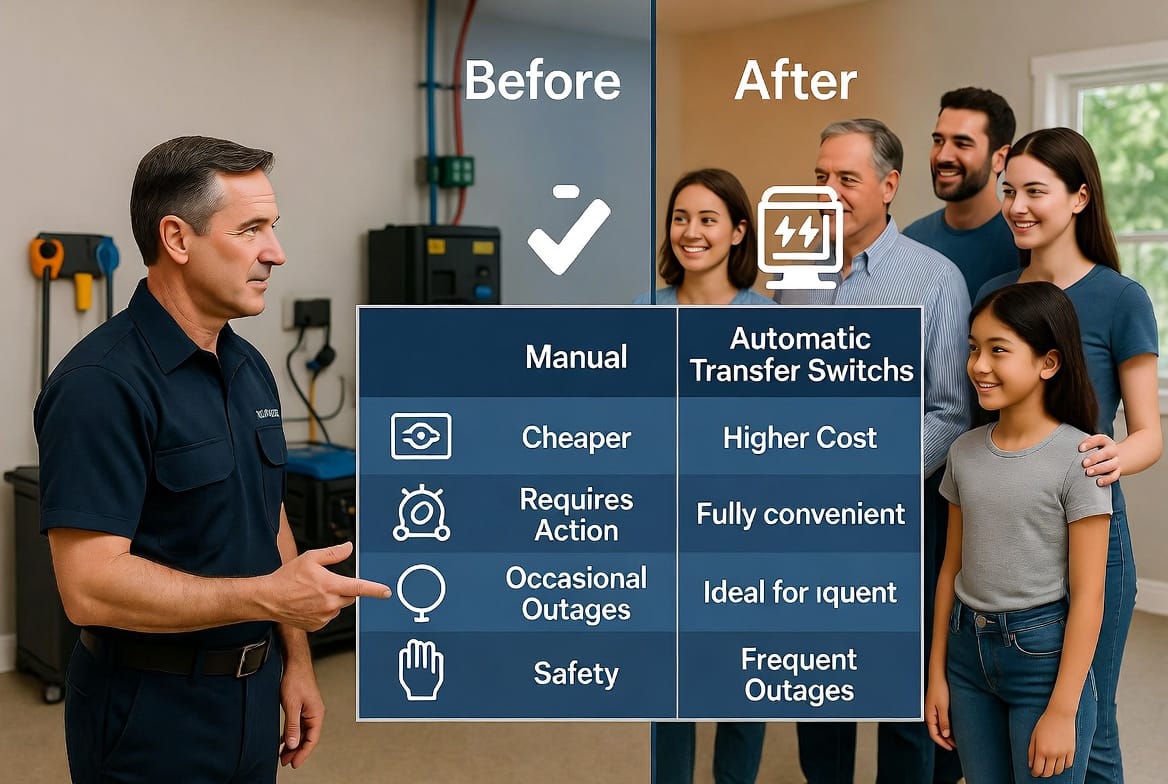
Choosing the right transfer switch depends on your specific needs, budget, and outage frequency in your area.
Cost Differences
Manual transfer switches generally range from several hundred to a couple thousand dollars installed, making them accessible for budget-conscious homeowners.
Automatic transfer switches typically start higher due to advanced electronics and installation complexity, but they can pay for themselves through convenience and reduced downtime, especially if outages are common in your region like parts of Texas.
Convenience and Ease of Use
Manual options require you to be present and physically act during an outage. This works well if you’re home most of the time and comfortable managing your generator.
Automatic systems shine in providing true peace of mind. Power returns almost instantly without any intervention — perfect for protecting sensitive electronics, medications, or home security systems.
Reliability and Maintenance
Both types are highly reliable when properly installed and maintained. Manual switches have fewer parts that can fail electronically. Automatic switches benefit from regular professional servicing of their controllers and sensors but offer built-in diagnostics.
Installation Considerations
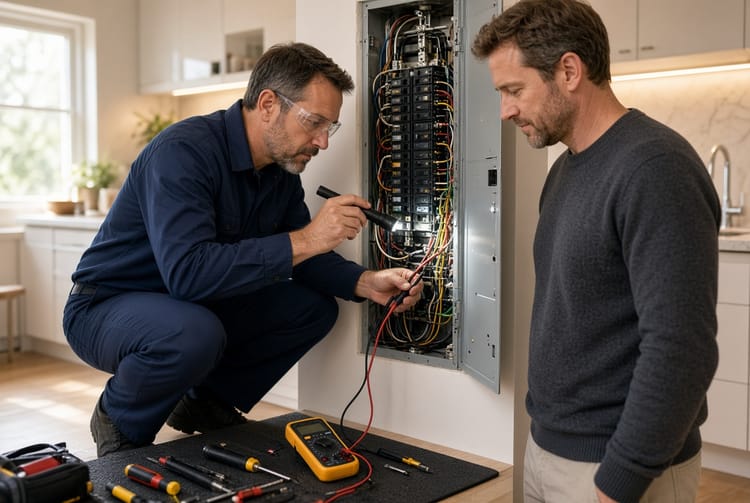
Professional installation is essential for both to ensure proper wiring, grounding, and permitting. A licensed electrician will assess your generator size, panel capacity, and load requirements to recommend the best fit.
Factors like whole-house vs. selective circuit coverage also influence the decision. Many homeowners start with essential circuits and expand later.
Real-World Scenarios: Which Switch Is Right for You?
Consider a family in suburban Dallas experiencing frequent summer storms. A manual transfer switch offers cost-effective protection for key appliances if someone is always home to manage it.
For a retiree couple or remote worker who travels, an automatic transfer switch ensures the air conditioning, refrigerator, and medical devices stay operational without worry.
Business owners with home offices particularly benefit from automatic systems to avoid data loss and productivity interruptions.
No matter your situation, both options dramatically improve resilience compared to relying on extension cords or unsafe backfeeding practices.
Important Safety Warnings and Best Practices
Never backfeed your home by plugging the generator directly into a wall outlet. This extremely dangerous practice can energize downed lines and endanger linemen. A properly installed transfer switch eliminates this risk entirely.
Additional best practices include:
- Regular testing of your generator and transfer switch under load.
- Professional annual maintenance to keep everything in peak condition.
- Proper sizing — match the transfer switch and generator to your home’s electrical demands.
- Battery maintenance for automatic systems to ensure reliable startup.
- Carbon monoxide awareness — always place generators outdoors with adequate clearance.
Investing in quality equipment and expert installation provides years of dependable service and protects your most valuable asset — your home and family.
Long-Term Value and Future-Proofing Your Setup
As technology advances, many automatic transfer switches now integrate with smart home systems, offering energy monitoring, predictive maintenance alerts, and even automatic fuel management for propane or natural gas generators.
Manual systems remain a solid foundation that can sometimes be upgraded to automatic functionality later, depending on the model.
Homeowners who plan ahead often see increased property value and insurance benefits from having a professionally installed backup power system. In today’s climate, where extreme weather events seem more frequent, this preparation delivers both immediate safety and lasting financial peace of mind.
Expanding on installation, consider factors like weatherproof enclosures for outdoor-mounted switches, surge protection integration, and compliance with local utility interconnection rules. In Texas, working with experienced local professionals familiar with regional power challenges ensures optimal results.
Maintenance routines differ slightly: manual switches focus on mechanical lubrication and connection checks, while automatic models require electronic diagnostics and firmware updates where applicable. Both benefit from keeping detailed service logs.
For larger homes or those with heavy electrical loads — think workshops, pools, or EV chargers — whole-house automatic transfer switches provide comprehensive coverage. Smaller manual setups excel in targeted protection for critical circuits only, helping control costs while maximizing generator runtime.
Many users appreciate the educational aspect of manual systems, gaining deeper understanding of their home’s power priorities. Others prefer the sophisticated automation that lets them focus on family time instead of emergency management.
Ultimately, the choice comes down to balancing upfront investment with ongoing convenience and the specific outage risks in your location. Consulting with a qualified electrician for a personalized assessment is the smartest first step.
Making the Right Decision for Your Home
Evaluating your household’s needs, typical outage duration, budget, and personal preferences will guide you toward the ideal home generator transfer switch. Both manual and automatic options offer reliable protection when installed correctly.
Don’t leave your family vulnerable during the next storm. Professional guidance ensures your system operates safely and efficiently for years to come.
Warning: Never attempt to backfeed power without a properly installed transfer switch. This hazardous practice risks severe injury, equipment damage, and legal issues. Always prioritize safety with certified professional installation.
Ready to secure reliable backup power for your home? Our experienced team specializes in safe generator connections and transfer switch installations tailored to Texas homes.
Choose the Right Generator Transfer Switch – Call Today