The Hide Beetle: Pest of Stored Hams, Cheeses, and Taxidermy
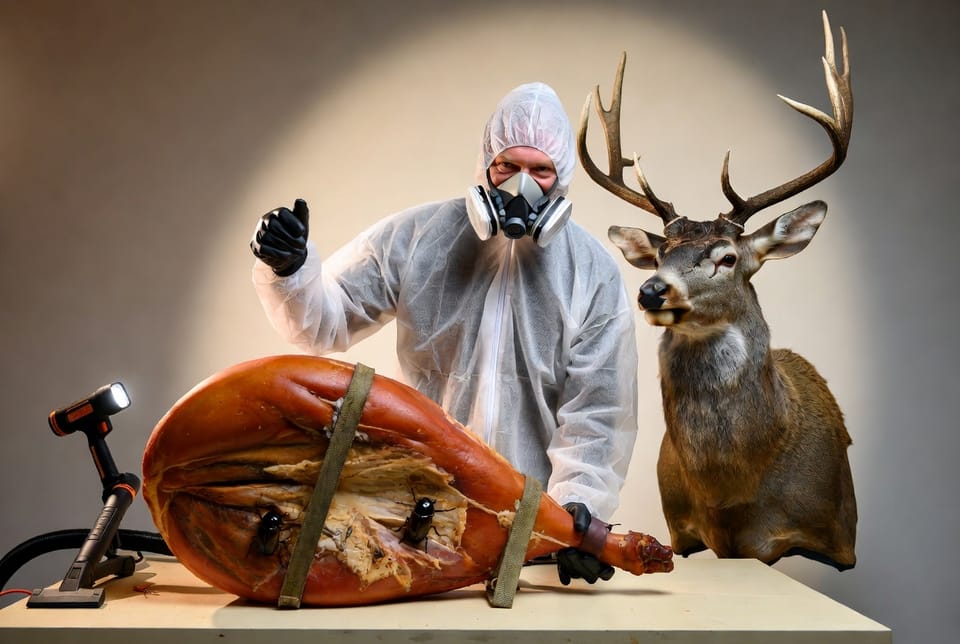
Hide beetles represent one of the most specialized threats to premium food stores, artisan collections, and cherished heirlooms. These resilient pests target high-value animal-derived products with precision, turning carefully cured hams, aged cheeses, fine leather, and museum-quality taxidermy into their next meal. We deliver authoritative, effective solutions that safeguard what matters most to you.
Protect Your Hams, Cheeses & Taxidermy – Call Now!
Understanding the hide beetle empowers homeowners, chefs, curators, and collectors to act decisively. This comprehensive guide explores their behavior, identification, risks, and proven control methods — including thorough inspection and cold treatment — so you can protect your investments with confidence.
Understanding Hide Beetle Biology and Behavior
Hide beetles (Dermestes maculatus) thrive as efficient scavengers of dry, protein-rich materials. In nature, they perform vital cleanup roles, but indoors they become destructive invaders.
These beetles prefer environments with low moisture and abundant animal proteins. They actively seek out:
- Cured meats such as country hams, prosciutto, and jerky
- Aged and dried cheeses
- Leather goods, hides, and wool fabrics
- Taxidermy mounts and preserved specimens
- Rawhide pet treats and dried pet foods
Larvae cause the most damage. They possess powerful mandibles capable of boring into dense materials, leaving behind unsightly holes and contamination. Adults fly readily, allowing them to spread infestations quickly across storage rooms, pantries, and display areas.
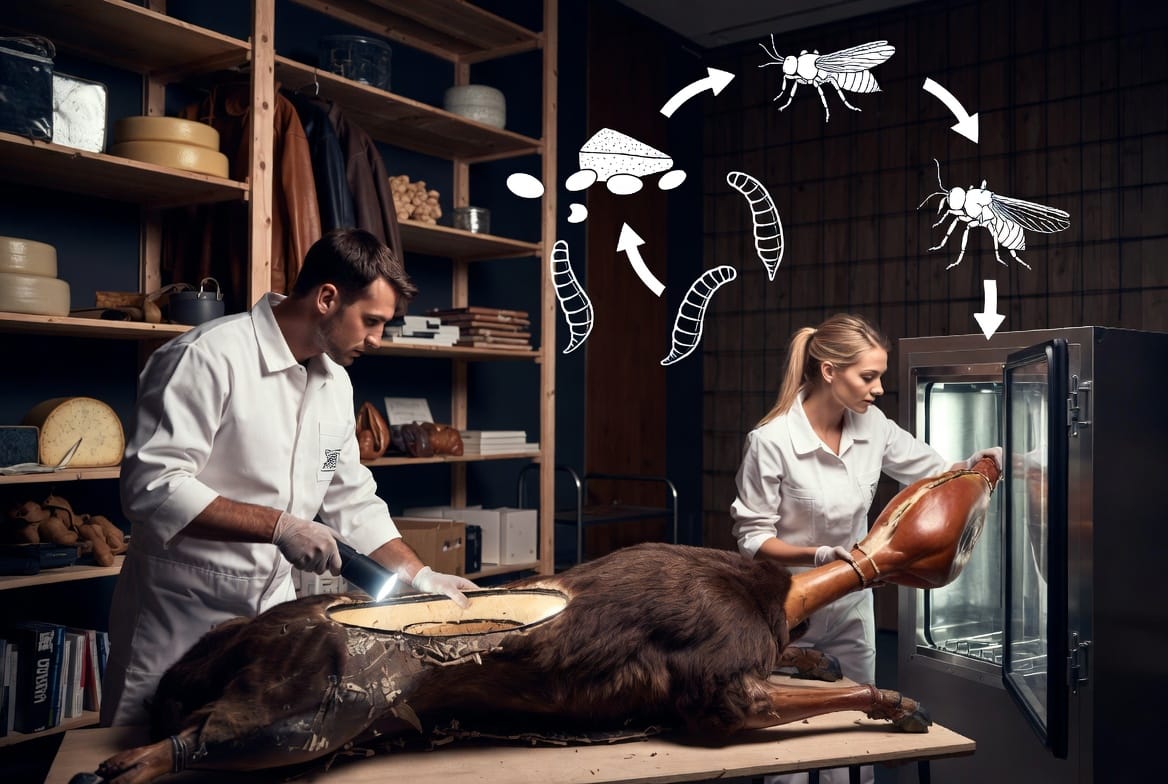
Their life cycle completes in 44–70 days under favorable conditions, enabling multiple generations per year if left unchecked. This rapid reproduction makes early detection essential for successful management.
Accurate Identification of Hide Beetles
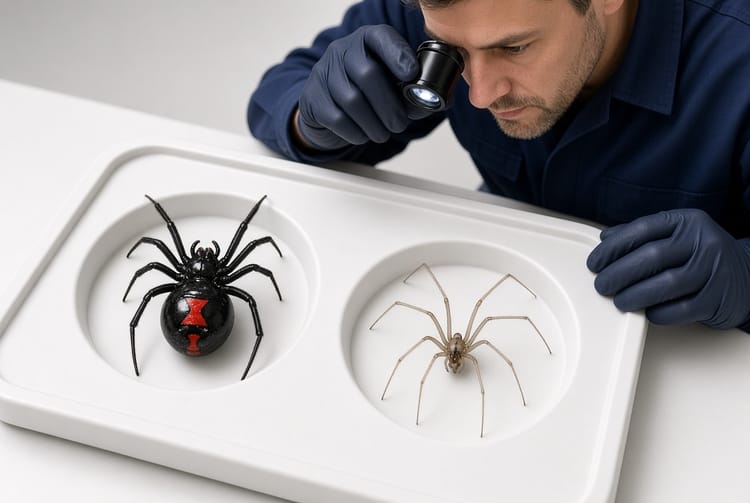
Proper identification prevents confusion with similar pests like larder beetles or carpet beetles.
Adult Hide Beetles:
- Measure approximately 5.5–10 mm in length
- Appear dark brown to black with distinctive white or silvery markings on the sides of the pronotum
- Feature a white, scaly underside with black spots
- Possess clubbed antennae and strong flying ability
Larvae:
- Grow up to 13–19 mm long
- Display a carrot-shaped, hairy body with prominent bristles at the rear
- Often leave cast skins (exuviae) that resemble tiny spiny tubes near infested items
Key Signs of Infestation:
- Small round exit holes (about 6mm) in wood, cork, or packaging
- Accumulations of frass (fine powdery waste)
- Shed larval skins around stored goods
- Visible chewing damage on edges of hams, cheese rinds, or taxidermy seams
If you notice these indicators, professional assessment ensures accurate diagnosis and targeted response.
Risks Posed by Hide Beetle Infestations
Unchecked hide beetle activity leads to significant financial and emotional losses. A single infestation can:
- Render expensive cured hams and artisanal cheeses unsalable
- Irreparably damage rare taxidermy specimens
- Compromise valuable leather furniture or heirloom wool garments
- Contaminate pet treats and stored foods with frass and body parts
Beyond material damage, these pests trigger regulatory concerns for food businesses and create ongoing anxiety for private collectors. Their ability to bore into structural materials during pupation adds hidden repair costs.
Early intervention protects both your valuables and peace of mind.
Comprehensive Inspection Strategies
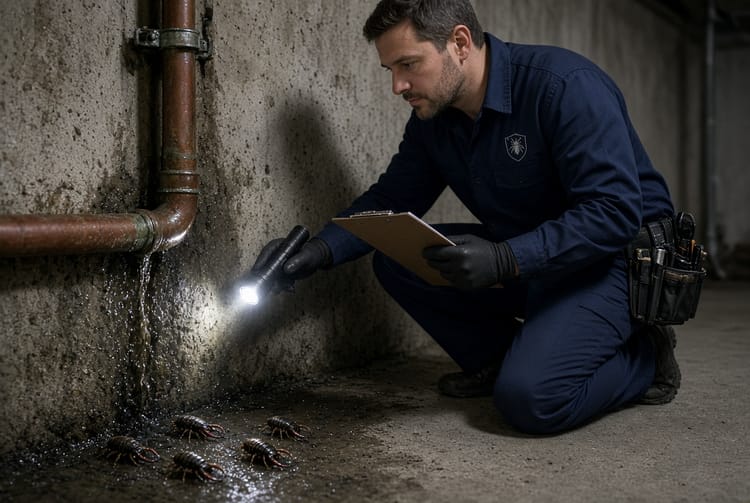
Effective control begins with meticulous inspection. Our certified technicians follow a systematic approach:
- Thorough examination of all animal-product storage areas
- Use of specialized lighting and magnification tools
- Checking cracks, crevices, and behind display cases
- Monitoring for adult beetles near windows and light fixtures
- Evaluation of nearby dead insect accumulations that may serve as breeding sources
We document findings clearly, helping you understand the full scope of any issue. This detailed process identifies entry points and hidden reservoirs, forming the foundation for lasting results.
Proven Control Methods: Focus on Cold Treatment
Cold treatment stands as one of the safest and most effective non-chemical solutions for sensitive items. By exposing infested materials to sustained low temperatures (typically below 0°F / -18°C for 7–14 days), we achieve complete mortality across all life stages without residues.
Complementary Control Techniques Include:
- Mechanical removal — Vacuuming and careful disposal of infested debris
- Sanitation — Elimination of food sources and thorough cleaning
- Sealing — Use of airtight containers and barriers for prevention
- Targeted residual treatments — Applied only where necessary by licensed professionals
- Monitoring traps — Strategic placement to detect future activity
We prioritize integrated pest management (IPM) that minimizes chemical use while delivering reliable outcomes. For irreplaceable taxidermy or museum pieces, our methods respect material integrity.

Prevention: Long-Term Protection for Your Valuables
Prevention proves far easier than remediation. Implement these authoritative practices:
- Store all susceptible items in sealed, pest-proof containers
- Maintain consistent low humidity and cool temperatures in storage spaces
- Schedule regular professional inspections for high-value collections
- Promptly remove any dead insects or animal remains
- Use desiccants and monitoring tools proactively
Consistent vigilance combined with professional support creates an environment where hide beetles cannot thrive.
When to Call Specialized Pest Control Experts
DIY attempts often miss hidden populations and risk spreading infestations further. Professional service delivers:
- Precise identification
- Safe, effective treatments tailored to your specific situation
- Guaranteed follow-up monitoring
- Expert advice for ongoing prevention
Don’t wait until damage becomes visible. Early action saves time, money, and irreplaceable items.
Protect your valuable collections today. Our experienced technicians stand ready to safeguard your cured hams, fine cheeses, leather goods, and prized taxidermy with care and expertise you can trust.
Get Professional Hide Beetle Control Now – Call Today!