The Black Carpet Beetle: Damage to Stored Fabrics and Carpets
The quiet destruction of valued textiles often begins long before homeowners notice anything wrong. Among the most persistent fabric pests is the black carpet beetle, a small insect whose larvae silently consume wool, silk, fur, and feathers. These larvae turn carefully stored garments, heirloom rugs, and upholstered pieces into damaged goods. Understanding this pest’s habits, recognizing early warning signs, and applying proven control measures protects both everyday household items and irreplaceable keepsakes.
Protect Your Fabrics from Black Carpet Beetles – Call Now!
This comprehensive guide examines the black carpet beetle in detail. It explains larval feeding behavior, identifies clear infestation indicators, and outlines practical steps—vacuuming, thorough cleaning, and discarding heavily infested materials—to eliminate the problem. With authoritative insight and straightforward advice, homeowners can safeguard their fabrics confidently and restore peace of mind.
Understanding the Black Carpet Beetle
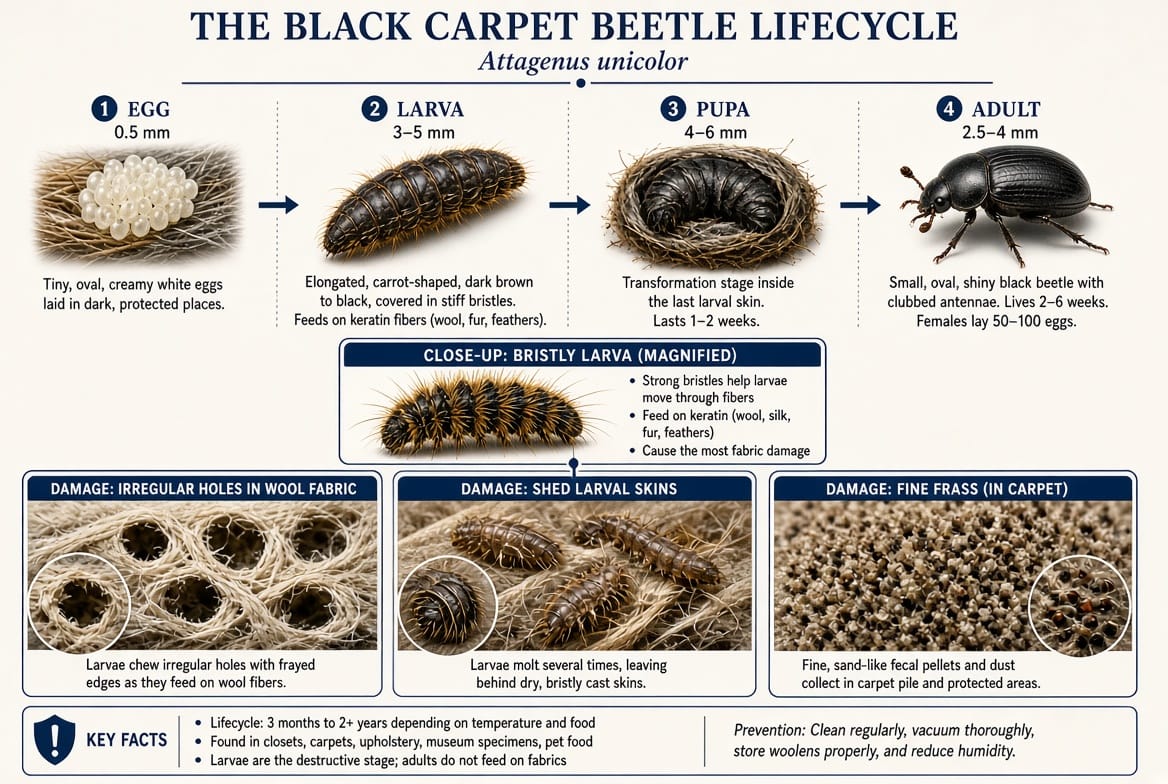
The black carpet beetle (Attagenus unicolor) ranks among the most common fabric pests in homes across temperate regions. Adults measure only a few millimeters and appear oval, dark brown to nearly black, with smooth wing covers. While adults themselves cause little harm—feeding primarily on pollen and nectar outdoors—their offspring pose the real threat.
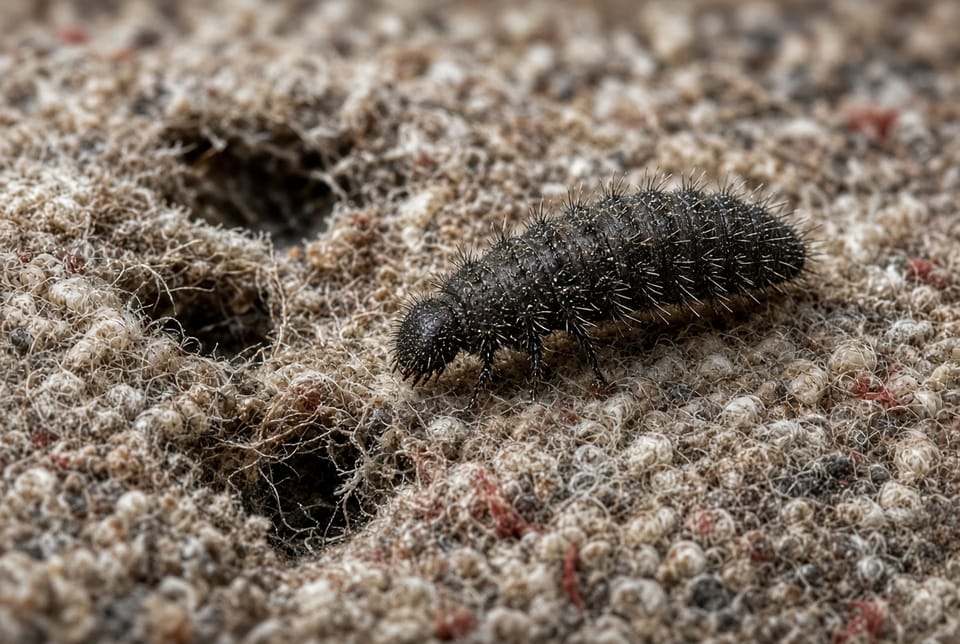
Female beetles lay dozens of eggs in dark, undisturbed locations near suitable food sources. Once hatched, the larvae emerge as the destructive stage. These elongated, carrot-shaped creatures are covered in stiff, dark hairs and can grow up to half an inch long. Their slow development allows them to remain hidden for months or even years, steadily consuming organic materials.
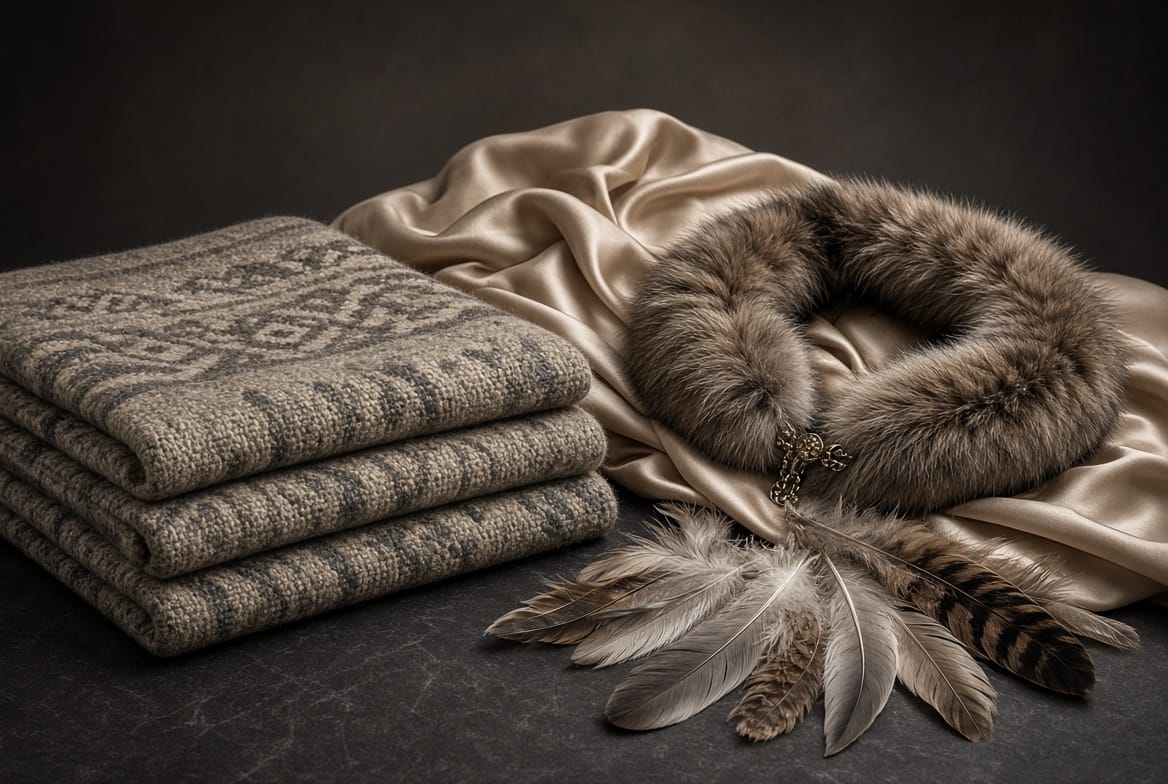
Because larvae prefer animal-based fibers, any item containing wool, silk, fur, or feathers becomes vulnerable. Synthetic blends may escape severe attack if they lack natural content, yet pure or high-percentage natural fabrics suffer the greatest losses. Stored clothing, blankets, taxidermy, and carpeting in rarely used rooms provide ideal conditions for prolonged feeding.
Larval Behavior and Feeding Habits
Black carpet beetle larvae exhibit highly selective yet relentless feeding. They target keratin-rich materials—the protein found in animal fibers. Wool carpets and rugs, silk garments, fur coats, feather-filled pillows, and even leather bookbindings or felt pads attract them. Larvae prefer soiled or stained areas because food residues, body oils, and organic debris enhance nutritional value.
Feeding occurs in complete darkness. Closets, under furniture, inside storage chests, and along baseboards offer the seclusion larvae require. They move slowly, chewing irregular holes and creating surface grazing marks. Over time, a single larva can ruin an entire garment or leave noticeable thin spots in carpeting. Multiple larvae working together accelerate damage dramatically.
Lifecycle length varies with temperature and humidity. In cooler, drier indoor environments, development stretches longer, allowing larvae to feed across seasons. Warm, slightly humid conditions speed growth, increasing the risk of rapid population expansion. Adults eventually emerge, mate, and seek outdoor nectar sources or indoor light, yet the cycle continues if eggs are laid indoors again.
Recognizing this behavior underscores why prevention focuses on cleanliness and isolation of susceptible items. Larvae cannot thrive without access to their preferred food, making environmental management the foundation of long-term protection.
Recognizing the Signs of Infestation
Early detection prevents extensive loss. Homeowners should watch for several clear indicators of black carpet beetle activity.
- Irregular holes and surface damage: Look for random chewed openings in wool sweaters, silk scarves, or carpet fibers. Unlike moth damage, which often appears more concentrated, beetle larvae create scattered, uneven holes and thinning patches.
- Shed skins (cast skins): As larvae grow, they molt multiple times, leaving behind translucent, hairy skins that closely resemble the living insect. These empty casings accumulate near feeding sites and serve as reliable evidence.
- Live larvae: The bristly, dark, carrot-shaped larvae themselves may be spotted crawling slowly across fabrics or along baseboards. Their presence confirms an active infestation.
- Frass and debris: Fine, sand-like droppings mixed with fiber fragments often collect beneath damaged items or in folds of stored textiles.
- Adult beetles: Occasional sightings of small, dark oval beetles near windows or light sources can signal that larvae are maturing nearby.
Regular inspection of stored items, especially those unused for months, reveals problems before they worsen. Pay particular attention to wool rugs in guest rooms, seasonal clothing in attics or basements, and any feather or fur products.
The Extent of Damage to Stored Fabrics and Carpets
Damage from black carpet beetle larvae extends beyond simple holes. Continuous feeding weakens the structural integrity of fibers, causing fabrics to tear easily under normal use. A once-dense wool carpet may develop bald spots that cannot be repaired without professional reweaving. Silk garments lose their smooth surface and develop ragged edges. Fur items suffer broken guard hairs and undercoat loss, diminishing both appearance and value. Feather products may show clumped, deteriorated filling.
Stored items suffer most because they remain undisturbed for long periods. Closets sealed for winter, cedar chests holding heirloom textiles, and under-bed storage boxes create perfect micro-environments. Even items carefully folded or hung can sustain injury if larvae gain access through small openings.
The financial and sentimental cost can prove significant. Replacing a high-quality wool rug or restoring a family fur coat often exceeds the expense of proactive control. Beyond material loss, the presence of insects in living spaces creates unnecessary stress. Prompt action restores both the textiles and household comfort.
Effective Control Strategies
Successful management combines mechanical removal, cleaning, and selective discarding. These methods form the core of any reliable response to black carpet beetle problems.
Thorough Vacuuming
Vacuuming stands as the first and most critical step. Use a vacuum equipped with a HEPA filter and strong suction. Focus on:
- Carpet edges, under furniture, and along baseboards
- Closet floors, shelves, and the undersides of rugs
- Upholstered furniture seams and crevices
- Storage areas where textiles rest
Empty the vacuum canister or dispose of the bag outdoors immediately after each session to prevent reintroduction of eggs or larvae. Repeat vacuuming weekly for several weeks to capture newly hatched individuals. This mechanical removal eliminates a large portion of the population without chemicals.
Deep Cleaning of Affected Items
After vacuuming, clean every vulnerable textile. Wool and silk items generally require professional dry cleaning, which kills all life stages through solvent action and heat. Washable fabrics should be laundered in hot water (when fabric care labels allow) and dried on high heat. Fur and feather products benefit from professional cleaning services experienced with natural materials.
Sunlight exposure for several hours can also help, as intense heat and ultraviolet light discourage larvae. However, sunlight alone rarely eliminates an established infestation and should complement other methods.
Discarding Heavily Infested Materials
Some items suffer damage beyond practical recovery. When holes cover large areas or structural integrity is lost, discarding the material prevents larvae from spreading to remaining textiles. Seal discarded items in heavy plastic bags and remove them from the home promptly. Never place heavily infested goods in regular household trash without containment, as larvae may escape during transport.
For items of high sentimental value, consult textile conservators who may salvage portions through specialized techniques. In most household situations, however, discarding proves the safest and most cost-effective choice.
Additional Supportive Measures
Seal cracks and crevices where larvae hide using caulk. Reduce indoor humidity with dehumidifiers if moisture levels remain elevated. Store clean textiles in airtight containers or sealed garment bags. Avoid using cardboard boxes for long-term storage, as they can harbor pests and provide additional organic material.
Regular rotation and inspection of stored goods interrupt the quiet conditions larvae prefer. These habits, maintained consistently, keep populations from establishing.
Prevention for Lasting Protection
Prevention remains simpler and less costly than remediation. Keep all animal-fiber items clean before storage. Body oils, food stains, and dust attract larvae far more than pristine textiles. Vacuum living areas routinely, paying special attention to less-trafficked zones. Inspect incoming second-hand furniture, rugs, or clothing carefully before bringing them indoors.
When purchasing new natural-fiber products, consider protective treatments approved for the specific material. Maintain moderate indoor temperatures and humidity to slow larval development. Finally, schedule periodic professional inspections if previous infestations occurred or if the home contains extensive collections of vulnerable textiles.
These consistent practices create an environment hostile to black carpet beetles while preserving the beauty and utility of cherished fabrics.
When Professional Intervention Becomes Necessary
Although many infestations respond well to vacuuming, cleaning, and discarding, certain situations benefit from expert assistance. Widespread damage across multiple rooms, recurring problems despite diligent effort, or the presence of valuable collections may require specialized knowledge and tools. Trained technicians identify hidden harborage sites, apply targeted treatments when appropriate, and provide customized prevention plans.
Professional service delivers thorough results and reduces the chance of incomplete control. Homeowners gain both immediate relief and long-term strategies tailored to their specific living spaces.
Restoring Confidence in Your Home Textiles
The black carpet beetle need not remain a source of ongoing concern. By understanding larval feeding preferences for wool, silk, fur, and feathers, recognizing signs such as holes, shed skins, and live larvae, and applying systematic control through vacuuming, cleaning, and discarding infested items, any household can eliminate the threat. Consistent prevention habits then maintain that protection year after year.
Fabrics and carpets represent both practical comfort and personal history. Protecting them preserves daily living quality and safeguards memories embedded in textile form. With knowledge and decisive action, the quiet damage caused by this fabric pest ends, replaced by the reassurance of clean, intact, and lasting materials.
Get Professional Fabric Pest Control – Call Now!