The Hemp Flooring: Sustainable, Durable, and Unique
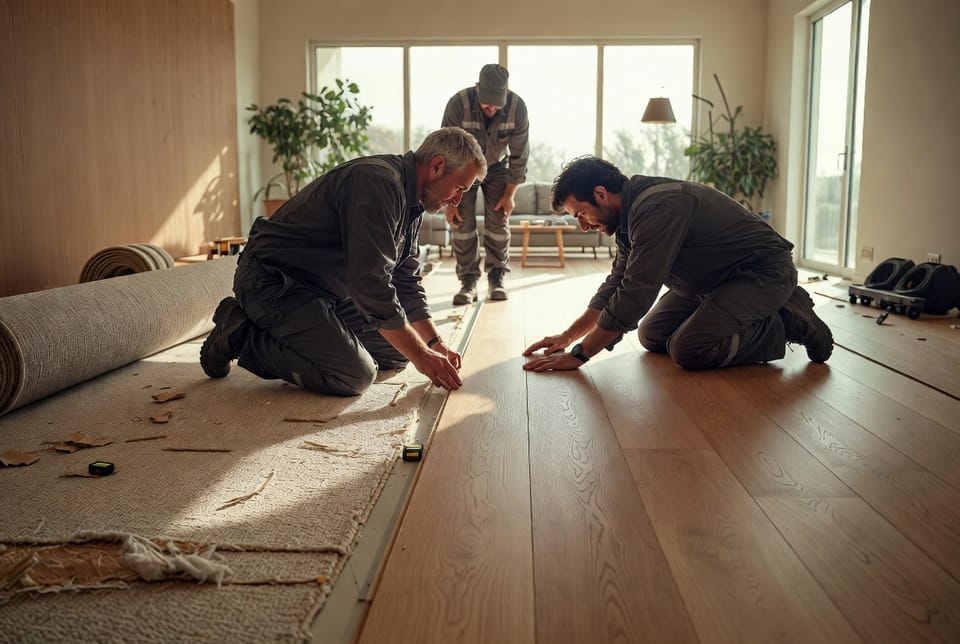
Homeowners today face a clear choice when selecting new floors. Traditional options often force a compromise between beauty, strength, and environmental responsibility. Hemp flooring removes that compromise entirely. Crafted from industrial hemp fiber bound in advanced resin, this emerging eco-material delivers exceptional hardness, a distinctive natural look, and powerful sustainability credentials that few other surfaces can match.
Choose Sustainable Hemp Flooring Today – Call Now!
In the following guide you will discover exactly why hemp flooring has become the preferred solution for discerning property owners who refuse to sacrifice performance for planet-friendly values.
What Exactly Is Hemp Flooring?
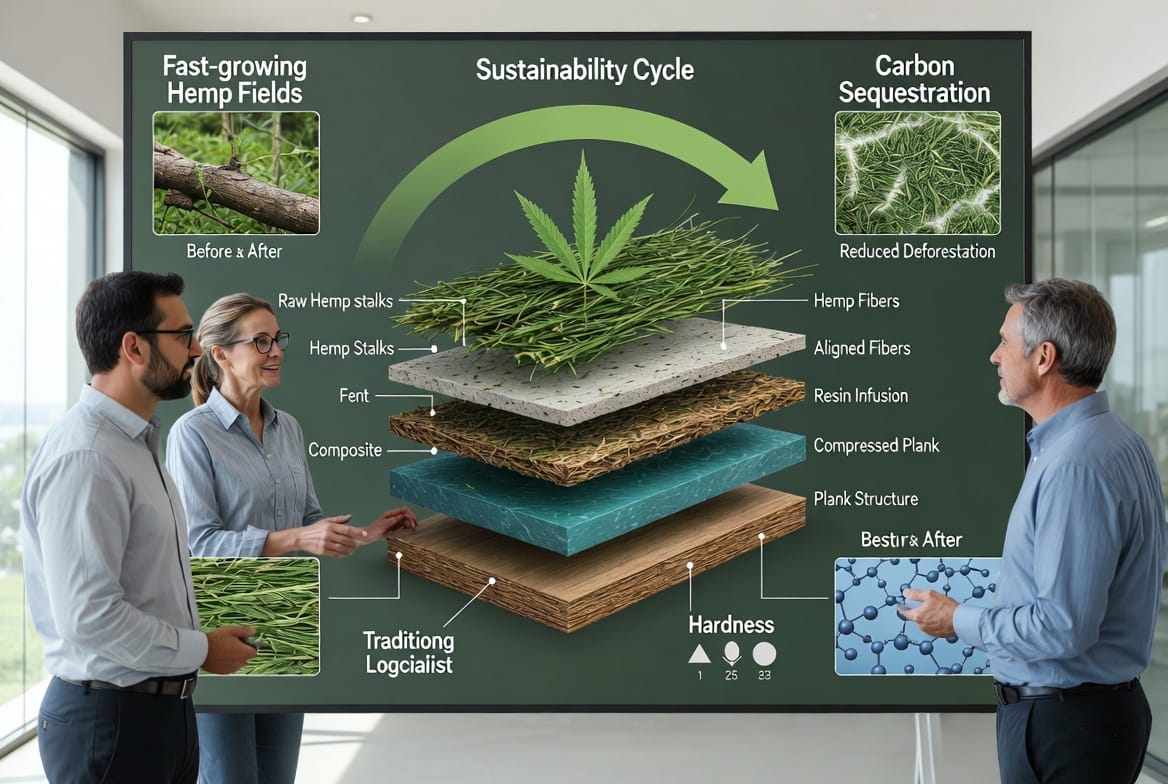
Hemp flooring begins with the strong, woody core fibers of the industrial hemp plant. These fibers are carefully cleaned, aligned, and saturated with a specialized plant-based or low-VOC resin. The mixture is then compressed under high heat and pressure into dense, stable planks or tiles. The result is a surface that looks and feels like fine hardwood yet behaves more like engineered stone in terms of toughness.
Because the process uses the entire stalk rather than only the outer bark, virtually no part of the plant is wasted. The finished product arrives ready for professional installation and requires no exotic treatments or rare hardwoods.
Core Characteristics That Set Hemp Flooring Apart
Three defining traits make hemp flooring stand out in any comparison:
- Composition from hemp fiber in resin creates a composite that is both lightweight and incredibly dense.
- Very hard surface resists dents, scratches, and daily wear far better than most conventional woods.
- Inherently sustainable manufacturing cycle supports rapid renewability and carbon reduction.
These characteristics combine to produce a floor that performs reliably for decades while leaving a lighter footprint on the planet.
Understanding the Impressive Janka Hardness Rating
Durability begins with hardness. The industry measures this quality with the Janka hardness test, which records the force needed to embed a steel ball halfway into the material. Hemp flooring consistently scores in the upper range—often exceeding 2,000 pounds of force and, in some formulations, approaching or surpassing the ratings of white oak, maple, and even certain tropical hardwoods.
What does this mean in real life? Dropped tools, high-heeled shoes, pet claws, and rolling furniture leave far fewer permanent marks. Families with active children or busy entryways gain peace of mind knowing their investment will retain its appearance year after year. The high Janka hardness also means refinishing intervals stretch longer, reducing both cost and disruption over the life of the floor.
The Unique Appearance of Hemp Flooring
Beyond strength, hemp flooring offers visual character that feels both modern and organic. The natural fiber alignment creates subtle linear patterns and gentle tonal variations ranging from soft wheat and honey to deeper amber and soft gray. Unlike uniform vinyl or laminate, each plank carries its own micro-texture, giving large rooms depth and smaller spaces an inviting warmth.
Designers appreciate the material’s ability to complement both minimalist and rustic interiors. Pair it with clean white walls and black metal accents for a contemporary look, or combine it with linen textiles and live-edge tables for a biophilic atmosphere. Because the color comes from the hemp itself rather than heavy stains, the surface ages gracefully, developing a soft patina instead of looking worn.
Environmental Benefits That Truly Matter
Sustainability is not a marketing claim with hemp flooring—it is built into every stage of production.
- Fast-growing plant: Industrial hemp reaches maturity in roughly 90–120 days, allowing multiple harvests in a single growing season on the same acreage.
- Carbon-sequestering power: During its rapid growth, hemp absorbs significant quantities of atmospheric carbon dioxide and locks that carbon into the finished floor for decades.
- Minimal water and pesticide requirements compared with many timber species further reduce ecological impact.
- The resin systems used today are formulated for low emissions, supporting healthier indoor air quality.
When you choose hemp flooring, you actively support regenerative agriculture and help keep mature forests standing. Few other hard-surface options deliver this combination of speed of renewal and long-term carbon storage.
Practical Performance in Everyday Homes
Hemp flooring thrives in the real conditions of modern living. Its dimensional stability resists the expansion and contraction that plague solid hardwood in humid or dry climates. Properly installed planks stay flat and tight, minimizing gaps and cupping.
Maintenance remains straightforward. Regular sweeping or vacuuming with a soft brush attachment removes grit. Occasional damp mopping with a pH-neutral cleaner keeps the surface fresh. Because the resin matrix seals the fibers, spills wipe away before they can penetrate. For high-traffic zones, a simple area rug at entry points extends the already impressive service life even further.
Pet owners particularly value the scratch resistance. Cats and dogs can move freely without the constant worry of claw marks that would permanently scar softer woods. The same toughness protects against the rolling of office chairs or the impact of dropped kitchen utensils.
Installation Insights for Long-Term Success
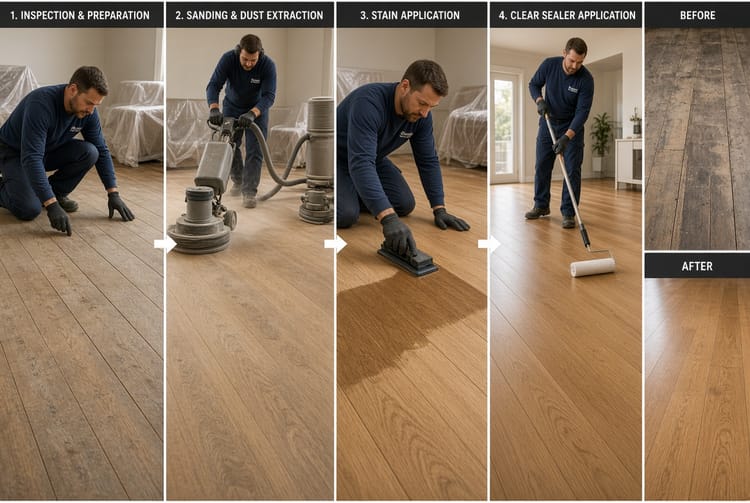
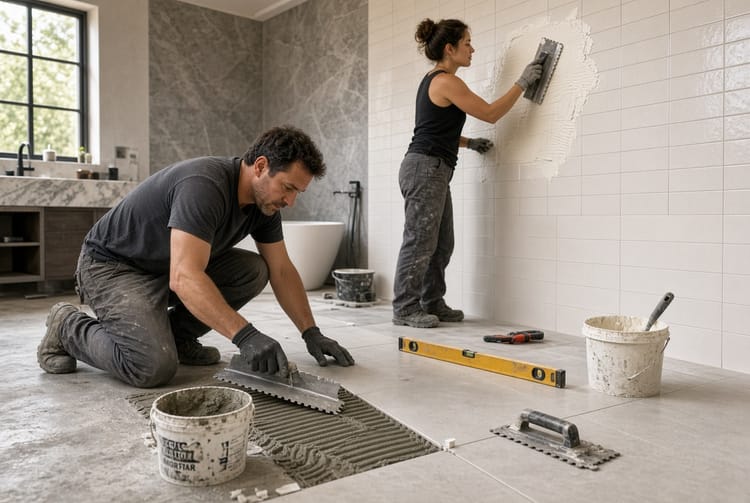
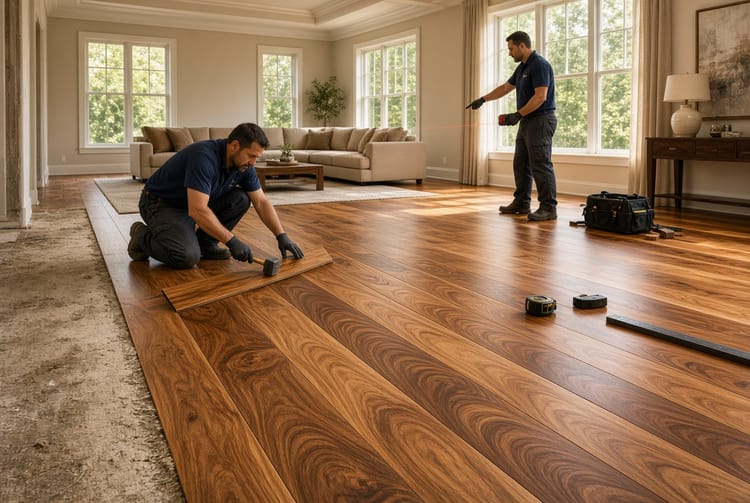
Professional installation ensures the full potential of hemp flooring is realized. Subfloor preparation must be level, clean, and dry. Installers typically use a floating, glue-down, or nail-down method depending on the specific product format and the substrate. Expansion gaps at walls accommodate any minor seasonal movement, although the material’s inherent stability keeps those gaps minimal.
Once laid, the floor can usually be walked on within hours and fully furnished within a day or two—far faster recovery than many solid-wood projects that require lengthy acclimation and curing times. This speed reduces disruption for busy households and commercial spaces alike.
Comparing Hemp Flooring to Familiar Alternatives
When placed side by side with traditional hardwood and bamboo, hemp flooring reveals clear advantages in both sustainability and durability metrics. Hardwood relies on slow-growing trees that may take decades to mature and often involves long-distance transport. Bamboo grows quickly yet frequently depends on intensive chemical processing and can show lower hardness in certain species.
Hemp flooring combines the rapid renewability of bamboo with hardness that rivals or exceeds premium hardwoods, all while sequestering more carbon per square foot over its lifecycle. The unique visual texture further differentiates it from the more predictable grain of oak or the linear look of many bamboo products.
Addressing Common Concerns with Confidence
Some homeowners wonder whether an emerging material can match the proven track record of century-old woods. Independent laboratory testing and early long-term installations confirm that hemp flooring maintains its structural integrity and appearance under real-world traffic loads. Others ask about moisture resistance. While no organic-based floor should sit in standing water, the sealed resin matrix handles typical kitchen and bath humidity far better than unfinished solid wood.
Cost considerations also favor the long view. Although initial pricing sits in the mid-to-premium range, the extended lifespan, reduced refinishing needs, and lower environmental remediation costs produce a compelling total cost of ownership. Many property owners discover that the investment pays for itself through avoided repairs and increased home value.
Designing Spaces Around Hemp Flooring
Interior designers increasingly specify hemp flooring as the foundation for healthy, biophilic interiors. Its natural tones serve as a quiet backdrop that lets furniture, artwork, and textiles take center stage. In open-plan homes the continuous surface creates visual flow from living areas into kitchens and hallways. Commercial applications—boutique offices, wellness studios, and eco-conscious retail spaces—benefit from the same combination of toughness and aesthetic warmth.
Lighting plays beautifully across the subtle fiber patterns. Daylight reveals soft highlights, while evening lamps create a gentle glow that feels both sophisticated and comforting. Area rugs in natural fibers further enhance the organic story without hiding the floor’s distinctive character.
Long-Term Value and Future-Proofing Your Home
Choosing hemp flooring is more than a style decision; it is a statement of values and practical foresight. As building codes and consumer preferences continue to prioritize low-carbon materials, homes finished with this surface already meet or exceed emerging standards. Resale appeal grows among buyers who actively seek verified sustainable features.
The material’s repairability adds another layer of security. Isolated damage can often be addressed by replacing individual planks rather than the entire floor—an advantage shared with high-quality engineered systems yet rarely matched by solid hardwood once deep scratches appear.
Making the Transition Simple and Rewarding
The path from decision to finished floor is straightforward when guided by experienced professionals. A thorough site evaluation identifies the ideal product format, color range, and installation method for your specific conditions. Samples allow you to observe the material under your own lighting before committing. Once approved, the installation team handles every detail—from subfloor preparation to final walk-through—so you can simply enjoy the transformation.
Throughout the process, clear communication and meticulous craftsmanship ensure the result matches the promise: a floor that is simultaneously sustainable, durable, and unique.
Final Thoughts on an Emerging Eco-Material
Hemp flooring represents a rare alignment of performance, beauty, and responsibility. Its construction from hemp fiber in resin produces a surface of very high Janka hardness. Its appearance offers organic variation that elevates any interior. Its environmental profile—rooted in a fast-growing, carbon-sequestering plant—delivers measurable benefits for both the homeowner and the wider world.
By selecting this material you invest in lasting quality while supporting agricultural practices that regenerate rather than deplete. The decision brings immediate visual pleasure and long-term peace of mind.
Choose sustainable hemp flooring for your next project. Speak with knowledgeable advisors who can walk you through colors, formats, and installation options tailored to your space.
Discover Carbon-Sequestering Hemp Floors – Call Now!