The Halitosis Causes: Beyond Poor Oral Hygiene
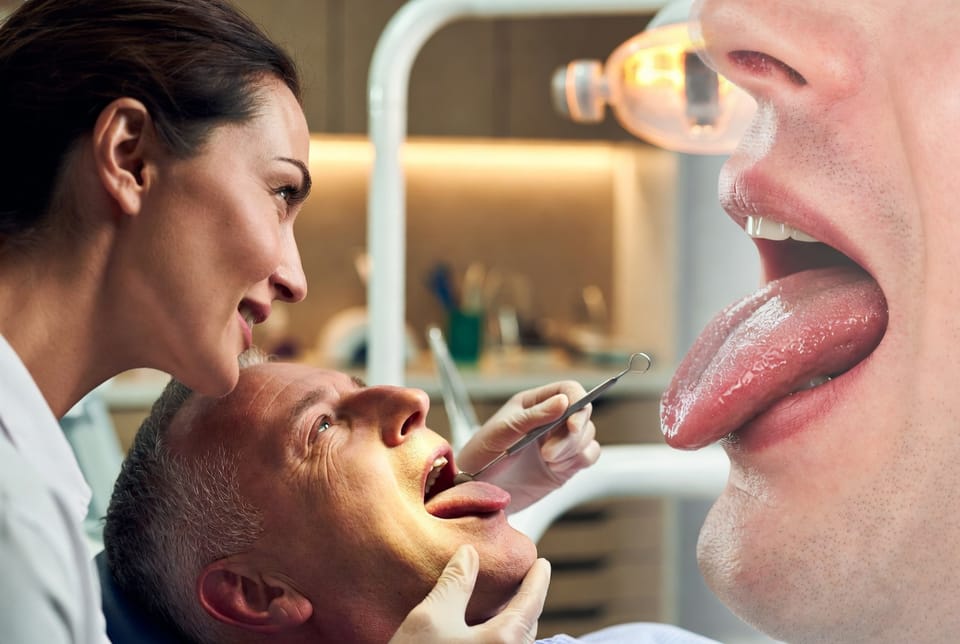
Halitosis, commonly known as chronic bad breath, affects millions of people worldwide and can significantly impact confidence, social interactions, and overall well-being. While many assume brushing and flossing are enough, persistent bad breath often stems from deeper issues that regular oral hygiene alone cannot resolve. Understanding the true halitosis causes is the first step toward effective, lasting solutions.
Stop Bad Breath Today – Schedule Your Exam Now!
In this comprehensive guide, we explore the primary contributors to chronic bad breath beyond basic hygiene lapses. From periodontal disease and tongue coating to dry mouth and sinus problems, we'll detail each cause, its mechanisms, associated risks, and proven treatments. With the right knowledge and professional intervention, you can reclaim fresh breath and renewed self-assurance.
Bad breath isn't just embarrassing—it's often a signal from your body that deserves attention. Let's dive into the science and practical steps to overcome it.
Understanding Halitosis: More Than Just Morning Breath
Halitosis occurs when volatile sulfur compounds (VSCs) and other odorous gases are produced in the mouth or respiratory tract. These compounds result from bacterial activity breaking down proteins. While temporary bad breath after certain foods is normal, chronic halitosis persists and requires targeted intervention.
Key risk factors include age, certain medications, underlying health conditions, and lifestyle habits. Importantly, self-diagnosis can miss hidden sources. Professional evaluation ensures accurate identification of the root cause, preventing unnecessary worry or ineffective remedies.
Early action not only restores confidence but also protects long-term oral and systemic health.
Periodontal Disease: A Major Hidden Culprit
Periodontal disease (gum disease) ranks among the top halitosis causes. Bacteria accumulate in pockets between teeth and gums, producing sulfur compounds as they thrive in low-oxygen environments.
Common signs include:
- Bleeding or swollen gums
- Receding gum line
- Loose teeth in advanced stages
- Persistent bad taste in the mouth
Without treatment, periodontitis can lead to tooth loss and has been linked to broader health concerns like cardiovascular issues. The bacteria responsible, such as Porphyromonas gingivalis, are particularly efficient at generating odorous byproducts.
Effective treatments focus on eliminating bacterial reservoirs:
- Professional deep cleaning (scaling and root planing)
- Antimicrobial mouth rinses prescribed by your dentist
- Laser therapy or surgical intervention for advanced cases
- Ongoing maintenance with specialized home care routines
Addressing periodontal issues often yields rapid improvement in breath freshness, as the source of bacterial overgrowth is removed.
Tongue Coating: The Bacterial Breeding Ground
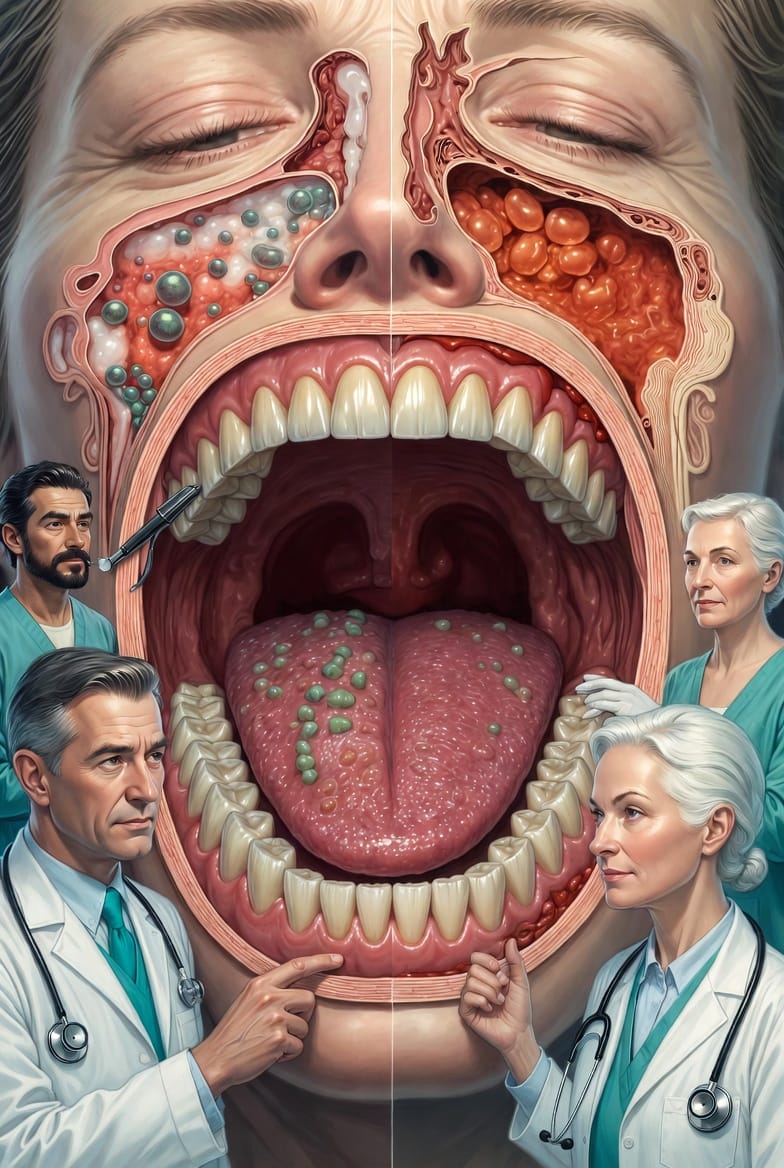
The back of the tongue is a primary site for halitosis causes due to its rough surface and limited self-cleaning. Dead cells, food particles, and bacteria accumulate here, forming a white or yellowish coating that releases foul odors.
This issue affects even those with excellent brushing habits because standard toothbrushes rarely reach the posterior tongue. Anaerobic bacteria flourish in this environment, producing high levels of VSCs.
Risks of ignoring tongue coating include worsened social anxiety and potential contribution to other oral infections. Smokers, coffee drinkers, and those on high-protein diets often experience more pronounced coating.
Proven solutions include:
- Daily tongue scraping using a dedicated scraper (far more effective than brushing the tongue)
- Antimicrobial tongue cleaners or rinses
- Improved hydration to reduce buildup
- Professional cleanings that include thorough tongue debridement
Incorporating tongue scraping into your routine can dramatically reduce bad breath within days. Dentists often recommend gentle yet consistent technique to avoid irritation.
Many patients report newfound confidence after mastering this simple yet powerful practice.
Dry Mouth (Xerostomia): When Saliva Production Slows
Dry mouth significantly contributes to chronic halitosis by reducing saliva's natural cleansing and antibacterial effects. Saliva neutralizes acids and washes away food particles and bacteria. When production decreases, odors intensify.
Common triggers for dry mouth:
- Medications (antihistamines, antidepressants, blood pressure drugs)
- Mouth breathing during sleep
- Medical conditions like diabetes or Sjögren's syndrome
- Dehydration or excessive caffeine/alcohol consumption
The resulting environment allows bacteria to multiply unchecked, amplifying sulfur compound production.
Treatment approaches emphasize restoring moisture and flow:
- Sugar-free lozenges or gum to stimulate saliva
- Prescription saliva substitutes or medications
- Hydration strategies, including sipping water throughout the day
- Addressing underlying causes through medical collaboration
Your dental team can recommend tailored solutions based on your specific situation, often combining in-office therapies with at-home practices for optimal results.
Sinus Issues and Post-Nasal Drip: The Respiratory Connection
Sinus problems represent another frequent but overlooked halitosis cause. Post-nasal drip delivers mucus to the throat, where bacteria break it down and create odors. Chronic sinusitis, allergies, or infections exacerbate this cycle.
Symptoms often include:
- Frequent throat clearing
- Congestion or facial pressure
- Bad breath that worsens in the morning or after lying down
The anaerobic environment in the sinuses and throat promotes bacterial growth similar to oral sources.
Comprehensive management strategies:
- Nasal irrigation with saline solutions
- Allergy management or antibiotic treatment when appropriate
- Collaboration between dentists and ENT specialists
- Humidifiers to maintain moisture in nasal passages
Treating sinus-related halitosis requires a holistic view, addressing both respiratory and oral factors for complete resolution.

Additional Contributing Factors to Chronic Bad Breath
Beyond the primary causes, several other elements can sustain halitosis:
- Dietary influences: Foods high in sulfur (garlic, onions) or high-protein diets that alter oral pH.
- Medical conditions: Acid reflux (GERD), diabetes, liver or kidney issues.
- Tobacco use: Chemicals and drying effects compound bacterial problems.
- Dental restorations: Ill-fitting bridges or dentures can trap debris.
A thorough evaluation considers all possibilities, ensuring no stone is left unturned.
Diagnosis: Why Professional Assessment Matters
Self-assessment tools like licking your wrist provide limited insight. Dentists use specialized equipment to measure VSC levels and identify specific sources.
What to expect during an exam:
- Detailed medical and dental history review
- Oral tissue examination
- Periodontal probing
- Possible referral for sinus or medical evaluation
This systematic approach pinpoints the exact halitosis causes in your case, leading to personalized treatment plans with high success rates.
Prevention and Long-Term Fresh Breath Strategies
Maintaining results involves consistent habits and regular professional care.
Daily practices for success:
- Brush twice daily with fluoride toothpaste
- Floss and use interdental cleaners
- Scrape your tongue morning and night
- Stay well-hydrated
- Schedule dental visits every six months (or more frequently if needed)
Advanced prevention options may include probiotic lozenges, customized mouth rinses, or ongoing monitoring for at-risk patients.
With commitment, most people achieve and sustain fresh breath, improving quality of life dramatically.
The Path Forward: Reclaim Your Confidence
Chronic bad breath is highly treatable once the true causes are identified. Whether stemming from periodontal disease, tongue coating, dry mouth, sinus issues, or a combination, effective solutions exist.
Don't let halitosis hold you back. Professional dental teams provide compassionate, expert care tailored to your needs, delivering results that go beyond temporary fixes.
Our experienced providers are ready to help you understand your specific situation and develop a plan for lasting freshness. Take the first step toward better oral health and greater confidence — your smile (and breath) will thank you.
Get Lasting Fresh Breath – Book Your Dental Exam Today